
Saudi’s ACWA power develops green hydrogen in Indonesia

Green hydrogen
green hydrogen for Indonesia

Saudi-listed ACWA Power, the world’s largest private water desalination company, leader in energy transition and first mover into green hydrogen, is set to develop in the largest green hydrogen facility in Indonesia with PT Perusahaan Listrik Negara (PLN), Indonesia’s state-owned electricity provider and PT Pupuk Indonesia, a state-owned fertiliser and chemical producer.

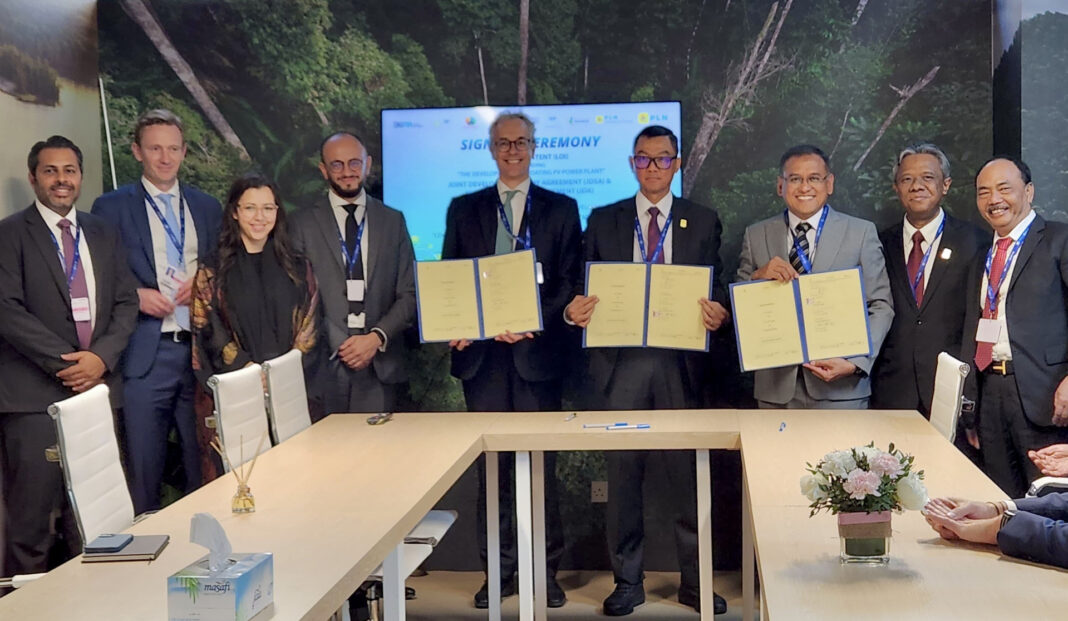
The announcement was made on the sidelines COP28 underway in Dubai. ACWA Power CEO Marco Arcelli signed the agreement with PLN’s CEO Darmawan Prasodjo and Rahmad Pribadi – CEO of Pupuk Indonesia Holding Company.
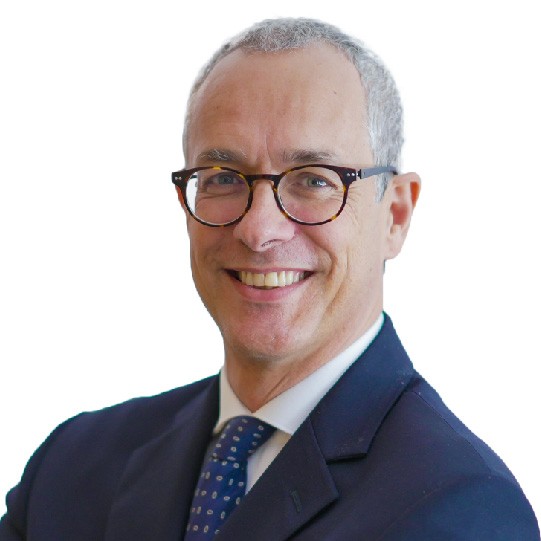
Marco Arcelli, Chief Executive Officer of ACWA Power

The Garuda Hidrogen Hijau (GH2) Project, which is expected to start commercial operations in 2026, will run on 600MW of solar and wind power, and will produce 150,000 tonnes of green ammonia per year. The cost of the project is estimated to be upwards of $1 billion.

The bidding process for engineering procurement and construction (EPC) for the Garuda Hidrogen Hijau project is expected to start in the first quarter of 2024, with financial close planned for the end of 2025.

ACWA Power is expanding its green hydrogen portfolio; work is well underway at the 1.2 million tonne-per-year NEOM Green Hydrogen Project in Saudi Arabia and planned for completion in late 2026, and the company broke ground on a second project in Uzbekistan, in November 2023.

The company is also growing its presence in Indonesia after it was awarded the contracts to develop two floating offshore solar photovoltaic (PV) plants in October 2022.

ACWA Power is a developer, investor, co-owner and operator of a portfolio of power generation and desalinated water production plants with a presence in 12 countries across the Middle East, Africa, Central and South-East Asia. ACWA Power’s portfolio of projects in operation and development has an investment value in excess of USD 74.8 billion, and a capacity of more than 50 GW of power and 7.6 million m3/day of desalinated water.

Its energy portfolio includes efficient combined cycle power plants, solar (Photovoltaic (PV) and Concentrated Solar Power (CSP)), wind, desalination plants, and green hydrogen projects.

TRENDING

Australian camels fly on a plane to Saudi Arabia

Australia has the largest population of feral camels in the world. Some get repatriated to Saudi Arabia.

Leading Through a Dual-Energy Transition: Balancing Decarbonisation with Energy Security

Experience in one area of the energy industry isn't enough to guarantee readiness across all the others. That's where a structured program like an MBA in energy can come in. Today's advanced curricula explore energy economics, finance, policy, and strategic management alongside the technical subjects. And when pursuing an energy MBA online, professionals can skill up and retrain without having to step out of the labor market -- an important perk at a time when skilled professionals are already in short supply.

From Green Energy to Healthy Societies: Why old systems thinking is becoming relevant again

Across the Middle East and North Africa, large investments are being made in green hydrogen, renewable energy, water infrastructure and sustainability. Most of these efforts are discussed in the context of climate change, decarbonization and economic diversification. That framing is important, but it may not capture their full value.

Seaweed fashion brands can source from Saudi Arabian sea

From Red Sea seaweed to runway-ready fabric, Saudi Arabia is quietly reshaping fashion’s material future. KAUST scientists, designers, and textile innovators are proving that sustainability can begin in local ecosystems. As seaweed becomes wearable, fashion is learning to grow not from fields — but from tides.

The Line’s 15 minute city failure and the limits of green futurism

The failure of The Line is not a failure of imagination. It is a failure of restraint by western architects and planners who go along with the charade. Who is holding these firms accountable? This is actually a reasonable kind of project for the UN to take on and challenge. 

Turning Your Energy Consultancy into an LLC: 4 Legal Steps for Founders in Texas

If you are starting a renewable energy business in Texas, learn how to start an LLC by the books.

Tracking the Impacts of a Hydroelectric Dam Along the Tigris River

For the next two months, I'll be taking a break from my usual Green Prophet posts to report on a transnational environmental issue: the Ilısu Dam currently under construction in Turkey, and the ways it will transform life along the Tigris River.

6 Payment Processors With the Fastest Onboarding for SMBs

Get your SMB up and running fast with these 6 payment processors. Compare the quickest onboarding options to start accepting customer payments without delay.

Qatar’s climate hypocrisy rides the London Underground

Qatar remains a master of doublethink—burning gas by the megaton while selling “sustainability” to a world desperate for clean air. Wake up from your slumber people.

How Quality of Hire Shapes Modern Recruitment

A 2024 survey by Deloitte found that 76% of talent leaders now consider long-term retention and workforce contribution among their most important hiring success metrics—far surpassing time-to-fill or cost-per-hire. As the expectations for new hires deepen, companies must also confront the inherent challenges in redefining and accurately measuring hiring quality.

8 Team-Building Exercises to Start the Week Off 

Team building to change the world! The best renewable energy companies are ones that function.

Thank you, LinkedIn — and what your Jobs on the Rise report means for sustainable careers

While “green jobs” aren’t always labeled as such, many of the fastest-growing roles are directly enabling the energy transition, climate resilience, and lower-carbon systems: Number one on their list is Artificial Intelligence engineers. But what does that mean? Vibe coding Claude? 

Somali pirates steal oil tankers

The pirates often stage their heists out of Somalia, a lawless country, with a weak central government that is grappling with a violent Islamist insurgency. Using speedboats that swarm the targets, the machine-gun-toting pirates take control of merchant ships and then hold the vessels, crew and cargo for ransom.

Related Articles

Popular Categories