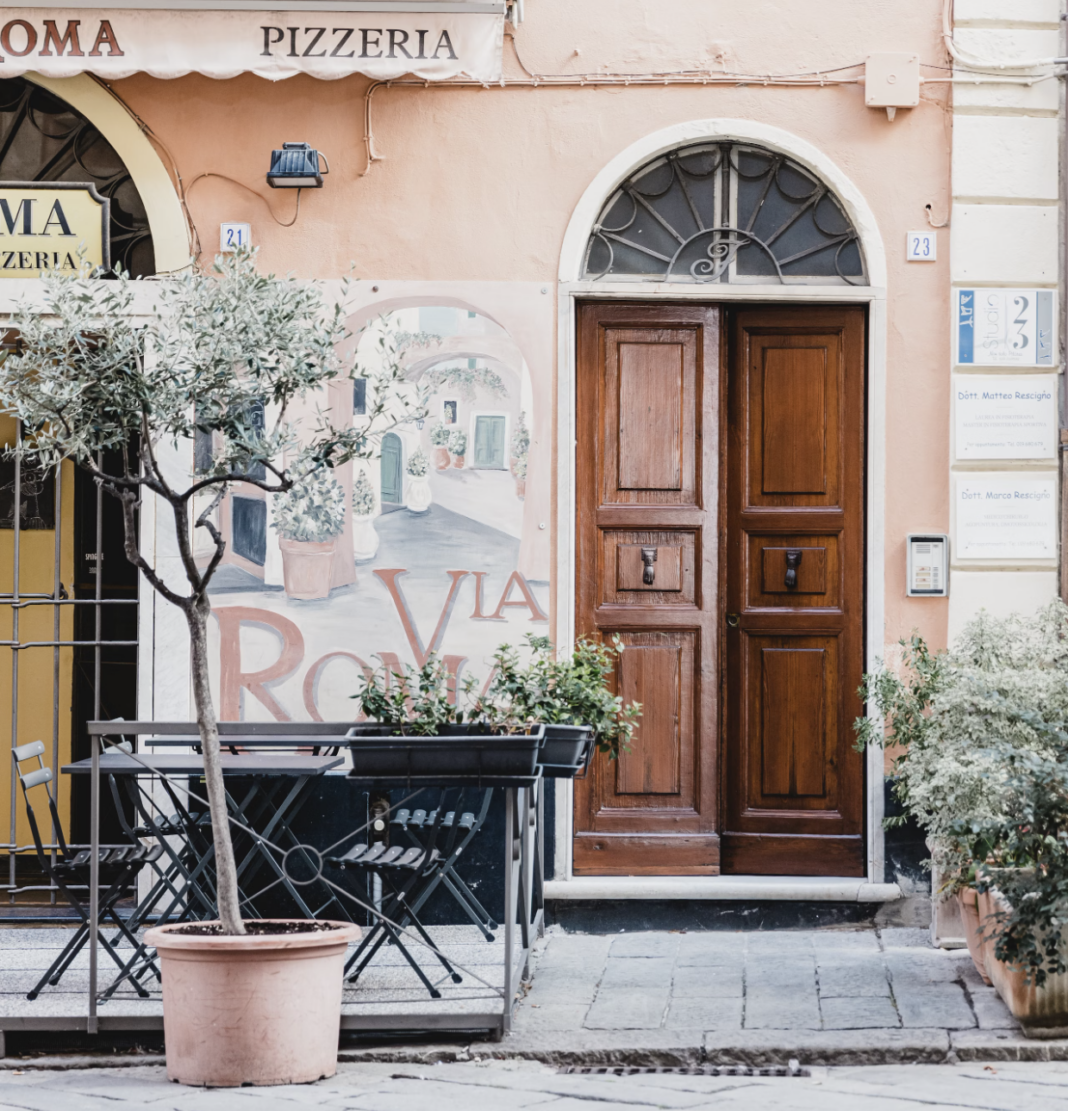


So you are a fan of olives. Or at least olive trees. You’ve been to Italy, France, Lebanon or Greece and you want to remember that Mediterranean feeling? Or you live in the Med region and want some trees for your garden or home. We got a lovely olive tree in a pot once for a birthday gift and after a couple of months, it died. Verdict? Too much love.
As a fan of olive trees, you will be very happy to receive a piece of your favorite olive tree on your birthday. But plants are alive after all, and they will be lost one day. As a gift, you might as well customize the olive tree into Custom Keychains. Such Custom Keychains are not only in the shape of your friend’s favorite olive tree but can also be kept with you forever.
You have planted an olive tree in a pot or container to keep indoors or on your walkway and it’s been a couple of years. How can you take care of your potted tree in the long run? Here is a quick guide.
The A-Z of Potting Olive Trees at Home

In the world of gardening, the olive tree stands as an iconic symbol, known not only for its bountiful fruit but also for its silvery-green foliage and associations with peace and longevity. While the prospect of cultivating these magnificent trees may seem daunting, especially if space or climate constraints come into play, the concept of potting olive trees emerges as a versatile solution.
Whether you’re a seasoned gardener expanding your botanical repertoire or a novice eager to embark on a new green adventure, this guide equips you with the knowledge to infuse a touch of the Mediterranean into your living space.
Selecting the Right Olive Tree

Choosing the right olive tree is a crucial first step toward successful cultivation. Not all varieties are equally suited for pot cultivation, and considerations such as climate, pot size, and available sunlight should influence your choice.
Understanding Your Conditions
Before making a selection, assess your growing conditions. Olive trees generally prefer a warm, sunny, and dry Mediterranean climate. If you plan to keep the tree indoors or in a colder region, choose a variety adapted to those conditions.
The Arbequina olive tree, originating from Spain, is recognized as an excellent choice for indoor cultivation and container growth. Its compact size, hardiness, and quick fruiting make it a standout variety. Another suitable option is the Picholine olive tree, known for its compact nature and excellent table olives. For smaller spaces, consider dwarf varieties like the ‘Little Ollie,’ which provides the ornamental appeal of an olive tree without the size or fruit. Don’t be surprised if your indoor tree does not produce fruit. It takes a number of years for an outdoor tree to be robust.
Consider the age of the tree. While mature trees in pots offer instant visual impact, they can be more expensive and challenging to handle. Young trees require more time to reach maturity but are often more affordable and offer the satisfaction of watching them grow.
Essential Requirements for Growing Olive Trees

Despite their hardiness, olive trees have specific needs that must be met for optimal growth. Understanding these requirements is crucial for successfully growing olive trees in pots.
Selecting an appropriate pot is critical. Ensure the pot is large enough to accommodate the root ball and has adequate drainage holes. A diameter approximately 10 cm larger than the root ball is a good starting point. Olive trees dislike waterlogged roots, so proper drainage is essential.
Olive trees are sun-lovers, needing at least six hours of sunlight daily. Place them in a sunny spot near a south-facing window if grown indoors or in a south-facing garden if outdoors. Adequate sunlight is crucial for their health and productivity.
Olive trees prefer a Mediterranean climate with hot, dry summers and cool, wet winters. Maintain a stable temperature between 60 and 80 degrees Fahrenheit for indoor trees. Olive trees can tolerate some humidity, but in exceptionally dry indoor conditions, consider providing additional moisture with a humidifier.
While olive trees are drought-tolerant, they still require regular watering. Water deeply but infrequently, allowing the top inch of soil to dry out between waterings. Apply a balanced, slow-release fertilizer in spring and mid-summer to support growth and fruit production.
Olive trees thrive in well-draining soil rich in organic matter. Commercial potting mixes with perlite or vermiculite work well, and some gardeners find success with cactus or succulent mixes.
How to Plant an Olive Tree in a Pot

Whether planting for the first time or repotting mature trees, the planting process is a rewarding experience. Follow these steps for successful planting:
Select a pot that is 2-3 inches larger in diameter than the root ball. Ensure it has adequate drainage holes to prevent waterlogging.
Create a well-draining soil mix by combining standard potting soil with a grittier material like cactus soil or perlite.
Start by placing a layer of the soil mix in the pot, providing a base for the olive tree.
Gently tap the sides of the container to loosen the soil, and carefully remove the olive tree from its current pot, taking care not to damage the root ball.
Position the tree in the center of the new pot, ensuring the top of the root ball is level with the rim of the pot or slightly lower.
Fill the pot with the remaining soil mix, firming it gently around the base of the tree.
Water the tree thoroughly, allowing water to drain out of the bottom of the pot to settle the soil around the roots.
Place the pot in a sunny spot and follow olive tree care guidelines, including regular watering, maintaining the appropriate temperature, and providing balanced slow-release fertilizer during the growing season.
Indoor Olive Tree Care
Growing olive trees indoors presents unique challenges, but with the right care, indoor trees can thrive. Focus on light, temperature, watering, fertilizing, pruning, and repotting for successful indoor cultivation.
Ensure your indoor olive tree receives at least six hours of sunlight daily. Place it near a south-facing window or use a grow light to supplement natural light. Maintain a stable temperature between 60 and 80 degrees Fahrenheit.

Troubleshooting Guide for Growing Olive Trees in Pots: Do’s and Don’ts
Cultivating olive trees in pots can be a rewarding endeavor, but it comes with its own set of challenges. From watering woes to potential pests, troubleshooting is a crucial aspect of ensuring the health and vitality of your potted olive tree. In this guide, we’ll explore common issues, what to avoid, and essential actions to take when things go awry.
What You Should Never Do:
- Overwatering:
- Signs: Yellowing leaves, wilting, and a soggy soil surface.
- Never Do: Allow the soil to remain constantly wet. Olive trees prefer well-draining soil, and overwatering can lead to root rot.
- Do: Check the moisture level before watering. Only water when the top inch of soil is dry. Ensure proper drainage by choosing the right pot and soil mix.
- Underwatering:
- Signs: Drooping leaves, leaf scorching, and dry, crumbly soil.
- Never Do: Neglect regular watering. While olive trees are drought-tolerant, they still need consistent moisture.
- Do: Establish a watering schedule, especially during hot and dry periods. Water deeply but infrequently to promote healthy root growth.
- Ignoring Drainage Issues:
- Signs: Waterlogged soil, foul odors, and wilting despite adequate watering.
- Never Do: Use pots without drainage holes or neglect proper potting mix with good drainage.
- Do: Ensure your pot has sufficient drainage holes, and consider adding materials like perlite or gravel to improve drainage.
- Choosing the Wrong Pot:
- Signs: Root circling, stunted growth, and instability.
- Never Do: Opt for pots that are too small or lack stability.
- Do: Select a pot that is 2-3 inches larger in diameter than the root ball. Choose sturdy pots to prevent toppling.
- Neglecting Sunlight:
- Signs: Sparse foliage, leggy growth, and overall poor vigor.
- Never Do: Place the olive tree in a shaded or poorly lit area.
- Do: Ensure your potted olive tree receives at least six hours of sunlight daily. If indoors, position it near a south-facing window or use supplemental lighting.
What You Should Do:
- Monitor for Pests:
- Signs: Yellowing leaves, distorted growth, or visible pests.
- Do: Regularly inspect your olive tree for pests such as scale, aphids, or mealybugs. Treat infestations promptly with insecticidal soap or neem oil.
- Addressing Root Issues:
- Signs: Circling roots, yellowing leaves, and poor growth.
- Do: Repot your olive tree every 2-3 years to prevent root binding. Tease apart circling roots when repotting to encourage outward growth.
- Protecting from Extreme Cold:
- Signs: Frost damage, wilting, and leaf discoloration.
- Do: Insulate the pot with bubble wrap or burlap in colder months. If possible, move potted olive trees indoors during freezing temperatures.
- Appropriate Pruning:
- Signs: Overgrown branches, uneven canopy, or lack of fruiting.
- Do: Prune your olive tree in late winter or early spring. Remove dead or diseased branches and shape the tree for a balanced appearance.
- Fertilizing Wisely:
- Signs: Yellowing leaves, poor growth, or nutrient deficiency.
- Do: Apply a balanced, slow-release fertilizer in spring and mid-summer. Avoid excessive fertilization, as olive trees are not heavy feeders.
- Regular Inspection:
- Signs: Unhealthy leaves, abnormal growth patterns, or changes in color.
- Do: Regularly inspect your potted olive tree for any signs of stress or disease. Prompt identification and action can prevent larger issues.
- Winter Care:
- Signs: Frost damage, leaf drop, or wilting in cold temperatures.
- Do: Provide winter care by insulating the pot, moving indoors if possible, and reducing watering frequency during dormant periods.
Growing olive trees in pots involves a combination of attentive care and timely interventions. By avoiding common pitfalls and addressing issues promptly, you can ensure your potted olive tree thrives, bringing the charm of the Mediterranean to your home or garden.
More about olive trees and olives:

- The World’s Oldest Olive Trees Are Lebanese
- Preserving Olives
- Olive Trees Have Kurdish Roots
- Olive Trees Go Hi-Tech And SMSFarmers When Thirsty
- The low down on olive varieties here.