babaà is the only sweater you’ll want for all seasons

Babaa sustainable sweater

When you buy a sweater you are going to want it to last years not just a season. You will want it to be warm and sustainably made, so the obvious answer is a sweater from the Spanish company babaa.

I saw a babaa sweater in green online and I knew I had to have one. It started with the striking emerald colour, but then I heard the babaà story, how they raise their sheep and knit their products, and knew I wanted babaà to be my primary wool sweater for the winter. babaa speaks about the place where we need to go to slow down mass consumerism and lack of connection to ourselves.

babaa sustainable wool

Maybe the biggest joy this sweater gives me is knowing that it journeyed through the Spanish countryside and if I look hard enough, I can still find bits of nature where the sheep travelled.

Looking decent is important to me, but I want my clothes to represent my values. It’s hard for me to buy fast chain fashion: it doesn’t feel good, it doesn’t look right, it’s not the right thing to do. Educated readers know that the skills of fine craftspeople in fashion are disappearing in Europe and around the world, now that Zara and H&M can produce clothes and shoes for a throwaway, runaway plastic culture.
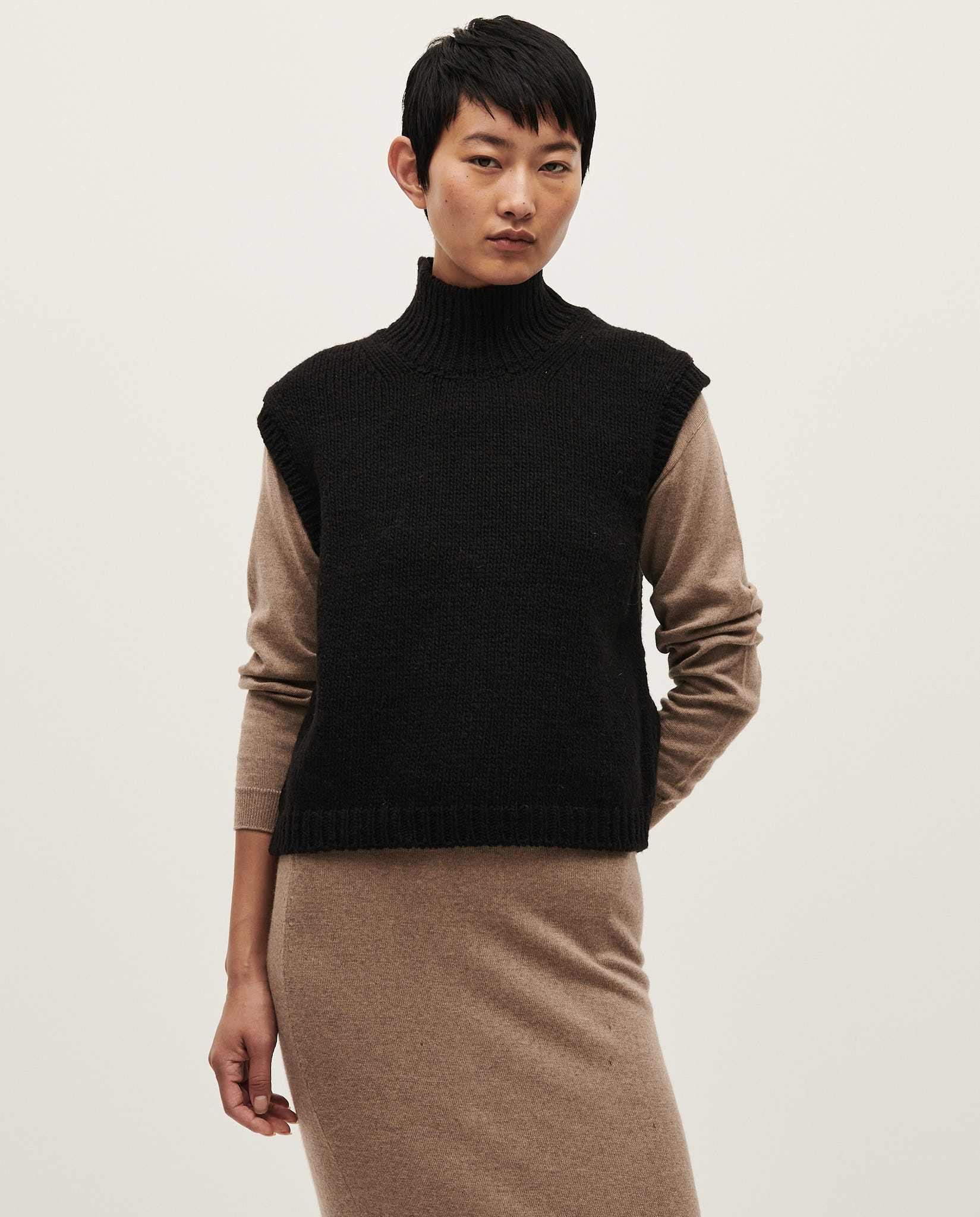
Babaa sustainable wool sweater

How do we slow down and recoup what we are losing? Supporting artisan designers and the farms and the craftspeople who keep them in business, of course.

Of course you can go to a local mall and likely find something decent, but babaà is more than just clothes. It’s connecting us to our past, present and future.

babaà is founded by Marta Bahillo (pictured below), from Madrid. She studied Fashion and Textile Design in Dublin, Ireland and after graduating – with a particular passion for knitwear and natural textiles – Marta moved to Argentina to design womenswear for a major fashion house before returning to Spain and founding babaà in 2012.

marta bahillo

According to Marta, “All the materials we use are 100% natural which means our yarns are not mixed with acrylics or any other synthetic fibres. Better quality material means warmer, longer lasting clothes that even improve with wear.”

A big part of their work in creating great sweaters is sourcing local providers and supporting the local textile industry. Their wool comes from sheep in the north of Spain where it compiled, processed, and dyed by Spanish artisans using traditional methods and tools, like the ones shown below.

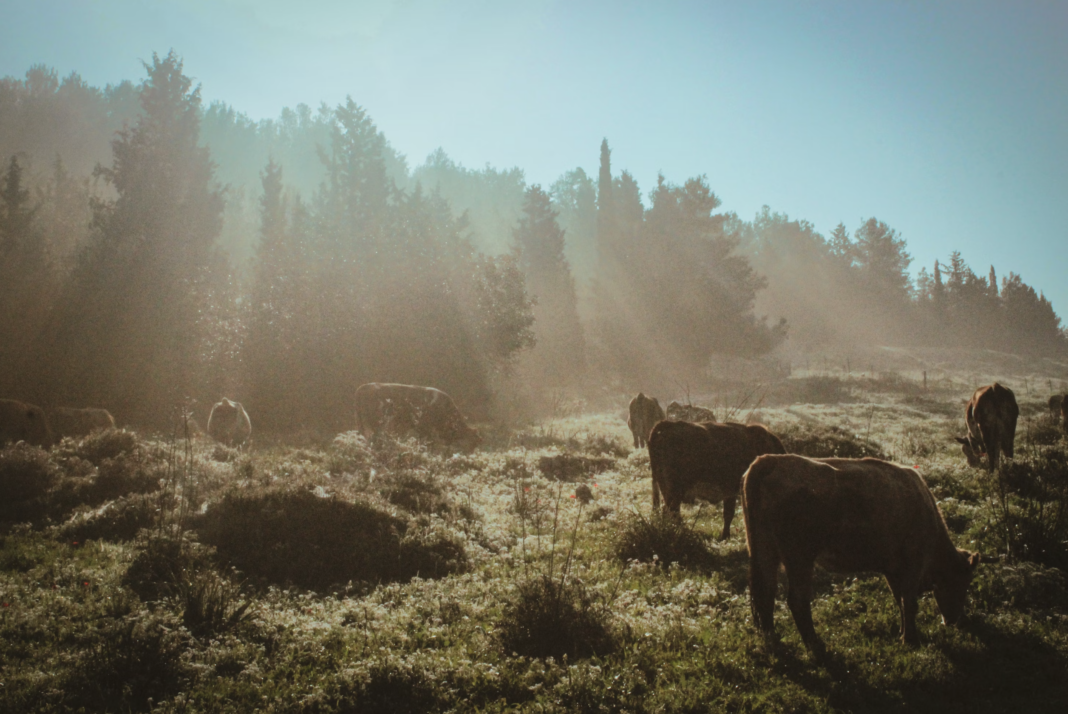
According to Malta, “These sheep that you see all over Spain are the ones that provide our beautiful pure Spanish wool. Many of you see bits of nature in your babaà jumpers when you get them. Now you know where it comes from! We are very proud to support this traditional local industry so important for the biodiversity and the environment.”

Read more about the sheep shearing process here.

The sheep are also brought out to pasture through a ritual called trashumancia ––  the seasonal movement of people with their livestock between fixed summer and winter pastures.

soft babaa sweater

The cotton for the cotton sweaters is sourced in Andalucia, in the south of Spain.The wool and cotton is then shipped to a workshop in Barcelona where it is knit. Designs are all oversized to make you feel cozy and to leave space for growing children.

How do you wash a Babaa sweater


The company suggests hand-washing wool pieces in cold water with a gentle, natural soap. Any organic soap that has little to no scent scent. Submerge your sweater in the water, rub any deep stains, and remove quickly. Lay flat to dry.

Babaa sweaters are a bit stiff. Do they get softer?

The wool comes straight from our sheep to you. In some cases it has never been treated or dyed. Because of this, some people may find the wool mildly abrasive at first. However the wool will soften naturally with each wearing as it adapts, softens and conforms to its new owner.

(Updated Dec, 2023)

::babaa

Karin Kloosterman
Karin Kloostermanhttp://www.greenprophet.com
Karin Kloosterman is an award-winning journalist, innovation strategist, and founder of Green Prophet, one of the Middle East’s pioneering sustainability platforms. She has ranked in the Top 10 of Verizon innovation competitions, participated in NASA-linked challenges, and spoken worldwide on climate, food security, and future resilience. With an IoT technology patent, features in Canada’s National Post, and leadership inside teams building next-generation agricultural and planetary systems — including Mars-farming concepts — Karin operates at the intersection of storytelling, science, and systems change. She doesn’t report on the future – she helps design it. Reach out directly to [email protected]
3 COMMENTS

Comments are closed.

Hot this week

How Renewable Energy is Revolutionizing the Way We Power Our World

Solar has become the star of the transition thanks to modular hardware and straightforward installation. It fits dense cities and remote towns alike. Many companies are turning to rooftop arrays and carport systems - and exploring commercial solar installation as a practical way to lock in future savings.

How does one start prepping?

Faced with an extreme winter storm this year, Americans wonder how to be prepared for catastrophe. Miriam has lived through wars in the Middle East - so she's prepared on giving you a guide to prepping.

Fishermen sue tire manufacturers on behalf of the salmon

A federal trial in San Francisco has brought US tire manufacturers, fishing groups, and environmental scientists into court over a chemical most drivers have never heard of — but which scientists say may be silently reshaping aquatic ecosystems.

Listening to Water: Tarek Atoui’s Next Work for Tate Modern

Born in Beirut, Lebanon in 1980 and now living in Paris, Atoui has spent years building instruments that don’t sit comfortably in concert halls. Many of them involve water, glass, and ceramics — materials that react to sound instead of simply producing it.

Leading Through a Dual-Energy Transition: Balancing Decarbonisation with Energy Security

Experience in one area of the energy industry isn't enough to guarantee readiness across all the others. That's where a structured program like an MBA in energy can come in. Today's advanced curricula explore energy economics, finance, policy, and strategic management alongside the technical subjects. And when pursuing an energy MBA online, professionals can skill up and retrain without having to step out of the labor market -- an important perk at a time when skilled professionals are already in short supply.

Topics

How Renewable Energy is Revolutionizing the Way We Power Our World

Solar has become the star of the transition thanks to modular hardware and straightforward installation. It fits dense cities and remote towns alike. Many companies are turning to rooftop arrays and carport systems - and exploring commercial solar installation as a practical way to lock in future savings.

How does one start prepping?

Faced with an extreme winter storm this year, Americans wonder how to be prepared for catastrophe. Miriam has lived through wars in the Middle East - so she's prepared on giving you a guide to prepping.

Fishermen sue tire manufacturers on behalf of the salmon

A federal trial in San Francisco has brought US tire manufacturers, fishing groups, and environmental scientists into court over a chemical most drivers have never heard of — but which scientists say may be silently reshaping aquatic ecosystems.

Listening to Water: Tarek Atoui’s Next Work for Tate Modern

Born in Beirut, Lebanon in 1980 and now living in Paris, Atoui has spent years building instruments that don’t sit comfortably in concert halls. Many of them involve water, glass, and ceramics — materials that react to sound instead of simply producing it.

Leading Through a Dual-Energy Transition: Balancing Decarbonisation with Energy Security

Experience in one area of the energy industry isn't enough to guarantee readiness across all the others. That's where a structured program like an MBA in energy can come in. Today's advanced curricula explore energy economics, finance, policy, and strategic management alongside the technical subjects. And when pursuing an energy MBA online, professionals can skill up and retrain without having to step out of the labor market -- an important perk at a time when skilled professionals are already in short supply.

From Green Energy to Healthy Societies: Why old systems thinking is becoming relevant again

Across the Middle East and North Africa, large investments are being made in green hydrogen, renewable energy, water infrastructure and sustainability. Most of these efforts are discussed in the context of climate change, decarbonization and economic diversification. That framing is important, but it may not capture their full value.

We saw peace – an interreligious encounter deep in our eyes

They came from Israel, Palestine, Jordan, Iraq, Yemen, Morocco, Tunisia, Lebanon, Egypt… There are Sunni Muslims, Shiite Muslims, Jews (Orthodox and Reform), Orthodox Christians, Coptic Christians, Protestant Christians, Druze, Baha'is, a Scientologist.

Can biochar reduce ‘Forever Chemicals’ in food if it’s used in farms?

Biochar is produced by heating organic material in a low-oxygen environment so it does not burn. This process, known as pyrolysis, transforms plant matter into a stable, carbon-rich material.

Related Articles

Popular Categories