

Millions of Afghans had fled to Pakistan over the years as refugees – some from since the Taliban takeover in 2021, many from decades before. They have built homes and lives in Pakistan, some homes built from mud with their own hands, and believed they would be welcomed to stay, live and continue working in the Muslim-majority country of Pakistan. This past October, according to the BBC, Afghan refugees have have been told it’s time to return to Afghanistan.
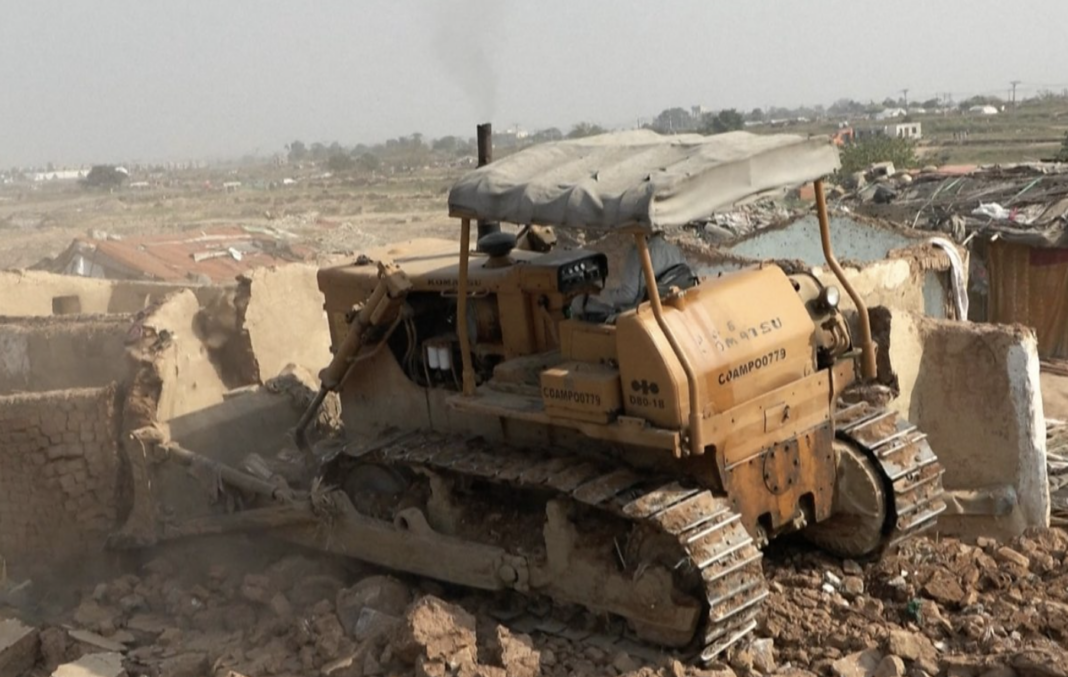
Pakistan is sending them back to the Taliban terror group, of which they are terrified, and is bulldozing mud homes that Afghan refugees have built over the years.
“I am very sad about leaving my house. I can’t express in words the pain I felt leaving it. Our house was made of mud, and we built it ourselves. I planted many trees there. My neighbours and friends were in tears [when I left] – It’s the cruel government that is making us leave,” says Abdullah, who has a family of 20 people all born in Pakistan, while speaking to the BBC.
Pakistan is conducting a nationwide return of Afghans and others who they say are in the country illegally. A decree was issued at the beginning of October this year that some 1.7 million Afghans must return to Afghanistan. Pakistan has seen an increase of terror attacks, of which they are linking to Afghans. But they are collectively punishing all Afghans for any Taliban involvement.
The United Nations and its aid agencies in Afghanistan posted a message on Tuesday that they urgently need funds to provide “post-arrival” assistance to hundreds of Afghan families returning from neighboring Pakistan daily to avoid arrest and deportation.
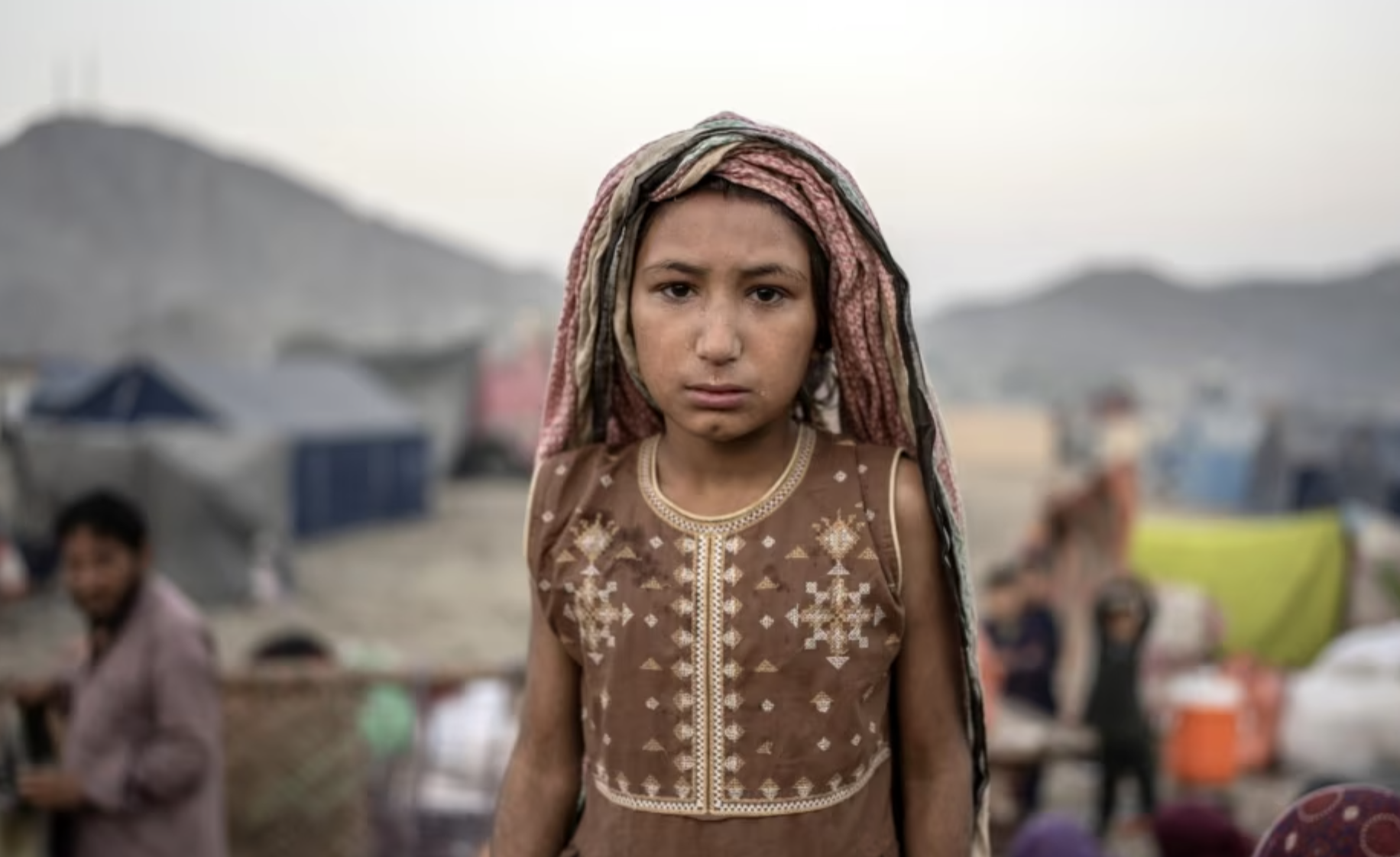
“More than 60% of arrivals are children,” a UN coordination agency said in a statement. “Their condition is desperate, with many having traveled for days, unclear of where to return to and stranded at the border.”
The Pakistani government, in early October, ordered the deportation of all foreigners without legal documents, including 1.7 million Afghans, warning those who remained in the country beyond November 1 would be arrested and expelled to their countries of origin.

The UN refugee agency UNHCR, migration agency IOM, together with children’s agency UNICEF, said they are “deeply concerned for the safety and well-being of children and families affected…and alarmed at the potential consequences of this plan’s implementation.”
Almost 30 million people require humanitarian assistance and 3.3 million are internally displaced inside Afghanistan amidst overlapping crises. According to the UN, since September 15, an estimated 160,000 Afghans have left Pakistan, with 86 percent of families reported fear of arrest as the most common reason for leaving.
According to the AP those that leave Pakistan come with nothing because all their property was seized at the border crossing from Pakistan. There is no food, housing, toilets on their return.
Arshad Malik, country director for Save the Children, said those returning are coming back without education documents, making it difficult for them to continue their learning, as well as lacking the local Afghan languages of Dari and Pashto because they studied Urdu and English in Pakistan.
He warned that child labor in Afghanistan as well as their involvement in smuggling are likely to increase due to poverty as most returning families were among the poorest migrants in Pakistan.

“Smuggling at Torkham by children was one of the concerns from the past, so the involvement of children in smuggling and illegal goods’ transfer will increase,” Malik said.
According to the UN, Afghans make up one of the largest refugee populations worldwide. There are 2.6 million registered Afghan refugees in the world, of whom 2.2 million are registered in Iran and Pakistan. Some are in the United States, and some are in Europe. According to Canada’s CBC news Canada has welcomed 30,000 Afghan refugees recently.
Another 3.5 million people are internally displaced, having fled their homes searching for refuge within the country. In light of the rapidly deteriorating security situation since the Taliban took over in 2021, the number of people fleeing will likely continue to rise. Meanwhile, the Taliban is visiting Iran looking to cooperate.
The Taliban returned to power in 2021 after capturing Kabul and overthrowing the government of the Islamic Republic of Afghanistan, ending the 2001–2021 war. In September 2021 the Taliban re-established the Islamic Emirate of Afghanistan. The Taliban government remains internationally unrecognized.
Update Nov 13, VOA reports they can stay until December.