
A pasture system in Andorra, hay milk in Austria, areas growing chestnuts, white ginger and waxberries in China, flood-spreading gardens and a walnut cultivating region in Iran and an all-female fishery in the Republic of Korea –– these are all among the latest agricultural systems to be recognized by a UN group aiming to preserve and encourage traditional farming and fishing systems around the world. It’s like UNESCO but for food. The designation may help protect and fund such traditional cultures, but the UN groups have very little control in protecting systems, ecosystems and culture around the world.
We understood this when UNESCO heritage sites like Jonah’s tomb (from Jonah and the Whale in the Bible) were blown up in 2104 by the Islamic State of Iraq and Syria (ISIS). Terrorists went from town to town wiping out Jewish, Christian and other non-Sunni Muslim religious and cultural sites in 2014 and 2015, videotaping their exploits the way in a similar fashion to the Palestinians who joined the Hamas raid on October 7, did to Israelis and foreigners in kibbutzes and at the Supernova dance party. These people will never return and the heritage sites lost forever in the name of extremism.
But the UN says that by recognizing and supporting agricultural systems, this know-how can be passed down from generation to generation, alleviating poverty and giving people a better chance of avoiding a life in violence. The Slow Food movement is doing something in Europe. Read about the Slow Cheese Winners of the World.
Like UNESCO heritage sites, the UN is recognizing sites of agricultural significance. They are called Globally Important Agricultural Heritage Systems (GIAHS) – and are part of a new database created by the UN to recognize and support culturally-rich agricultural practices around the world.
The systems, formally designated during a meeting of the GIAHS Scientific Advisory Group taking place in Rome from November 7 to 10 included the first ones to be approved from Andorra and Austria. Meanwhile, additional sites in China, Iran and the Republic of Korea highlight the key role played by Asia’s traditional agricultural practices in food security and combating climate change and biodiversity loss.
Under the flagship programme of the Food and Agriculture Organization of the United Nations (FAO), the selection criteria stipulate that sites must be of global importance, have value as a public good, supporting food and livelihood security, agro-biodiversity, sustainable knowledge systems and practices, social values and culture as well as outstanding landscapes.
“Now over 20 years strong, GIAHS has proven to be a great model for showcasing longstanding practices to render agrifood systems more resilient to climate change,” said Maria Helena Semedo from the FAO.
With the newest addition to the global agricultural heritage systems list, FAO’s worldwide agricultural heritage network now consists of 86 systems in 26 countries around the globe.
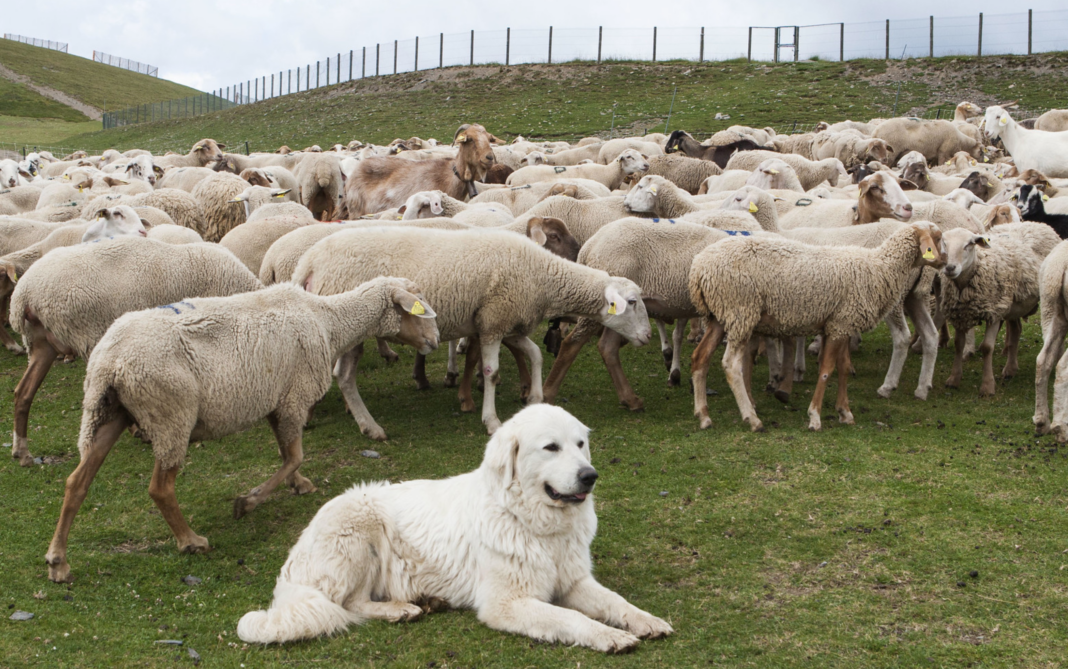
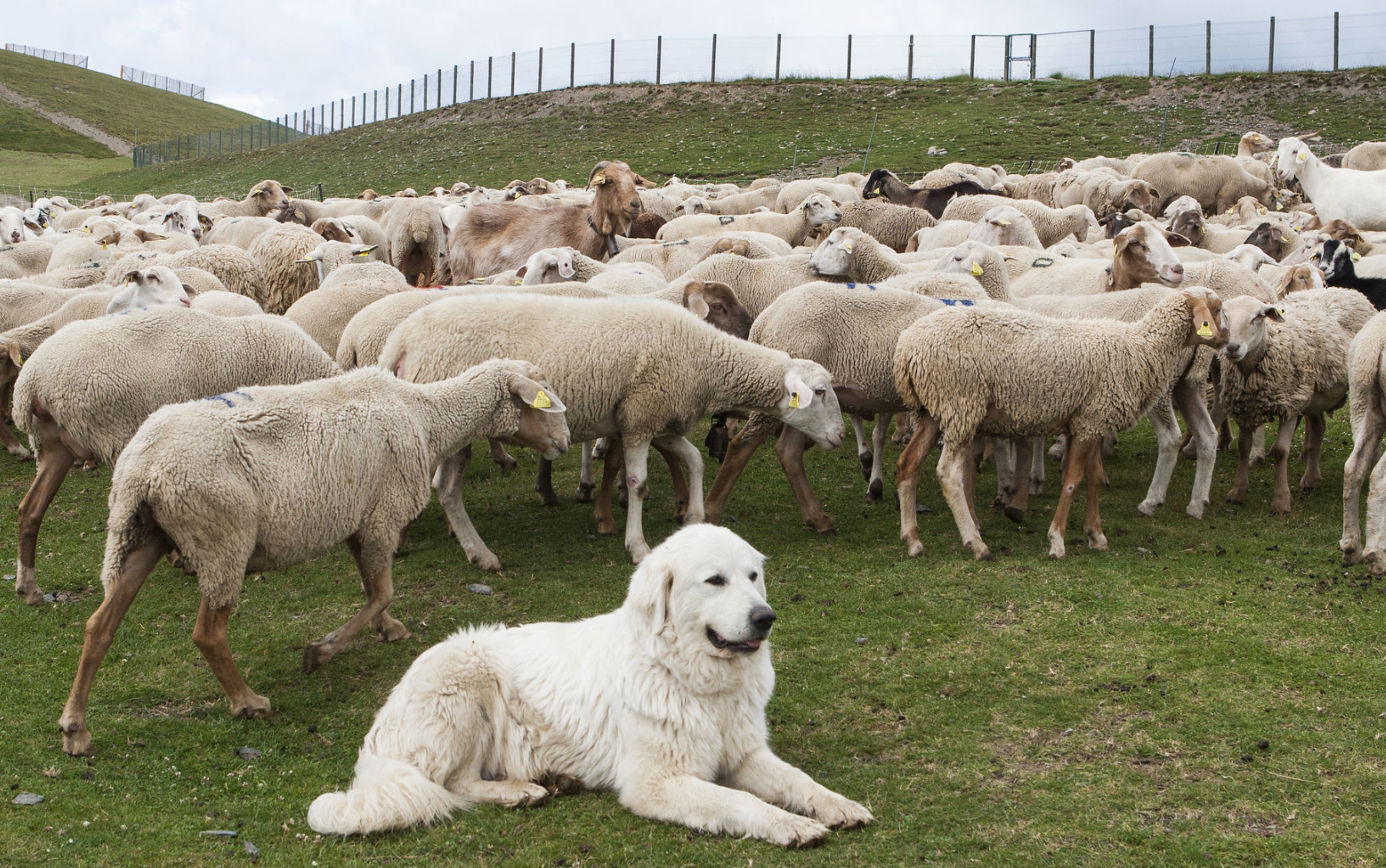
Pasture systems in Andorra

The subalpine and supraforestal pastures of Andorra reflect the longstanding agropastoral system developed in this tiny landlocked country which lies almost 2,000 metres above sea level on average in the Pyrenees mountains. The local population has combined spontaneous pastures and cultivated feeding. This supports the production of livestock, bovines, ovines, horses, on free-range and extensive grazing, which can be traded for other goods and food with the neighbouring regions.
It is based on common lands and shared pastures, with the animals’ owners paying a shepherd or taking turns to protect herds from predators, freeing the rest of the farmers for other tasks.
Hay milk in Austria
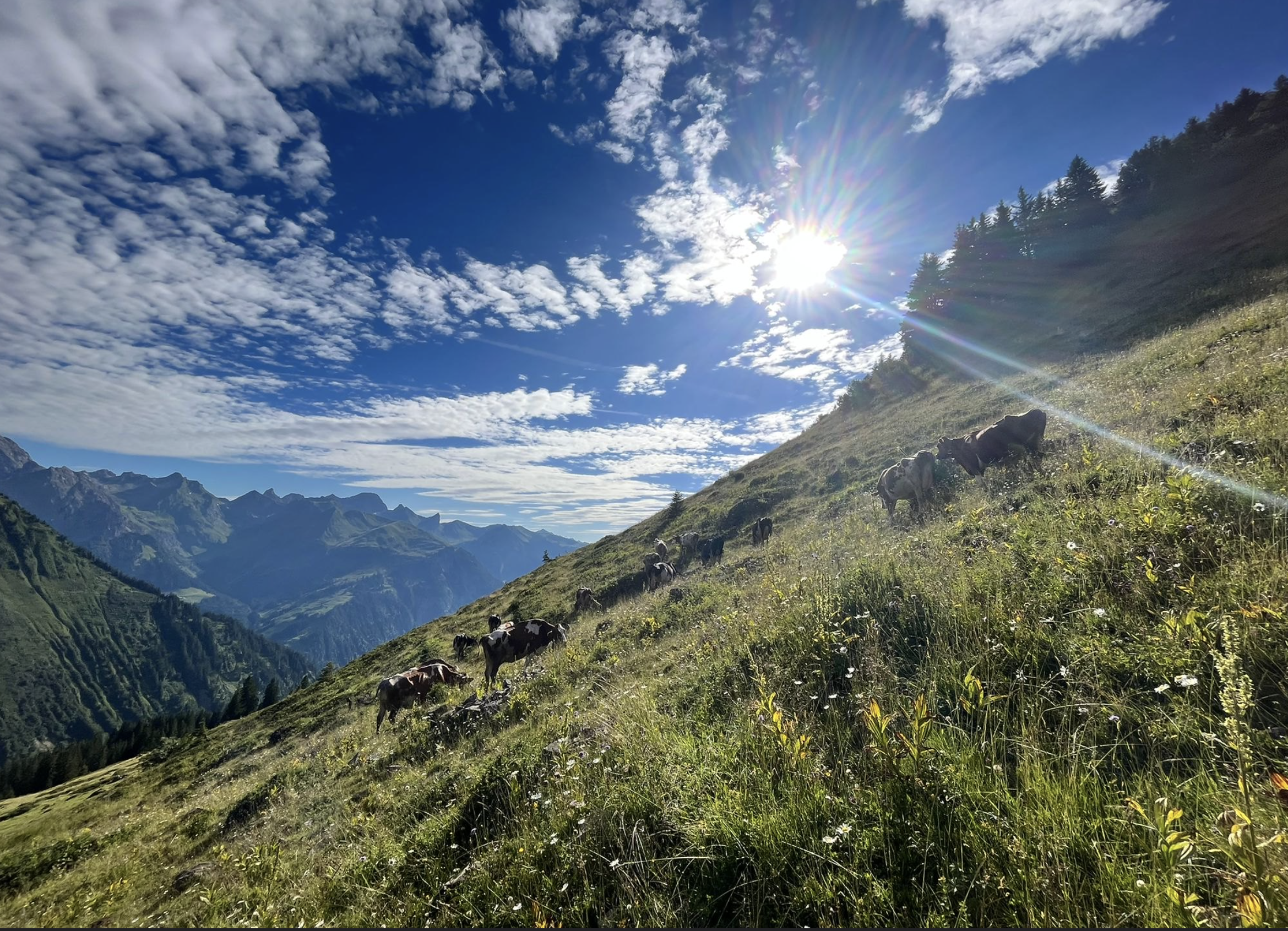
The production of hay milk, from cattle fed on fresh grass and hay rather than fermented fodder, is as old as the keeping of dairy animals in Europe. Using hay as a nutrient-rich winter feed helps get ruminants through the vegetation-less cold season, thus ensuring the livelihood of farming families.
Hay milk used to make up most of Austria’s milk production but now it accounts for only 15 percent. Austria’s 6,500 hay milk farmers and 60 major processors have come together in the ARGE Heumilch Österreich community. It aims to preserve hay farming and communicate the benefits of this sustainable method so that a fair milk producer price can be obtained in the marketplace.
Chestnut, White Ginger and Waxberry heartlands in China
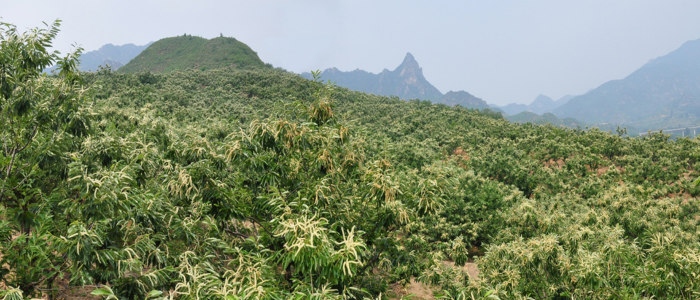
The Kuancheng Traditional Chestnut Eco-Planting System in northern China’s Hebei Province is located in one of the first and most important areas in China to cultivate chestnuts, dating back to the Han Dynasty (206 BC to 220 CE). A traditional cultivation system with chestnuts as the core together with other crops, medicinal materials, and poultry industries was gradually established.
It forms an important part of the global chestnut variety resource bank and it is rich in cultural content, respecting nature and based on a form of social organisation that promotes agricultural production.
The Tongling White Ginger Plantation System forms an important part of Southern China’s ginger planting area. There are 17 varieties of ginger in the Tongling White Ginger Plantation System, and white ginger is the main variety. Semi-late rice is the main crop for rice cultivation in Tongling, with fewer early-season and late rice varieties. There are 31 main varieties of rice.
Tongling has developed key techniques for ginger plantation including ginger pavilions for seed-preserving and germination-accelerating. There are many processing recipes dating back over nearly 1,000 years such as Salt-pickled Ginger, Sauced Ginger, Sweet-and-Sour Ginger, and Sugared Ginger.
The Xianju Ancient Chinese Waxberry Composite System in eastern China’s Zhejiang Province is in an area where the cultivation of these fruit trees dates back more than 1,600 years, with many villagers tending them in combination with tea, chickens and bees. There are 100,000 farmers in the GIAHS site, of whom 26,000 are engaged in waxberry cultivation, composite planting and breeding, and other related industries.
The site has accumulated a large number of ancient waxberry genetic resources with diverse types and rich varieties. In May 2015, China’s first county-level biodiversity conservation action plan was released by the local government of Xianju County.
Flood-spreading gardens and walnut cultivation in Iran

The traditional Gardens of Qazvin, northwest of Iran’s capital Tehran, are a flood-spreading system that dates back thousands of years. Situated in the foothills of the Alborz ranges, the creation of the gardens surrounding the city has protected its inhabitants from floods adapting to and taking advantage of the watershed to produce nuts and local delicacies.
By capturing, redirecting and sharing floodwaters, local communities have been able to cultivate and grow fruits all around Qazvin. Today, the system provides food and employment opportunities for people but also cools the temperature of the city and serves to replenish groundwater tables.

The Traditional Walnut Agricultural System in Tuyserkan, Iran is known not just for its walnut orchards but also for its delicacies as well as its landscapes and historical monuments. Based on family-farming, the cultivation of walnuts supports the livelihoods of a major part of the households in the area.
This cultivation is mainly developed in valleys and is irrigated using water canals designed at different levels and fed mainly by rivers and springs as well as Qanats. Among the local practices is irrigating walnut trees in the cold and frost season, which farmers believe helps to eliminate pests and diseases.
Unique all-female se women fisheries in the Republic of Korea

The Jeju haenyeo fishing practice is a traditional subsistence fishing system predominantly carried out by women. The Haenyeo” (“sea women” in Korean) dive underwater without the aid of breathing apparatus and collect seafood such as disk abalone, horned turban, and sea mustard. They have long been engaged in a half-farming and half-fishery lifestyle.
This system is believed to be the sole fishery globally that is managed solely by women. Its primary purpose is to serve as a source of household sustenance rather than engaging in commercial fishing.The diving skills and traditional wisdom of Jeju haenyeo represent a living social system that has been listed as an intangible world heritage by UNESCO.