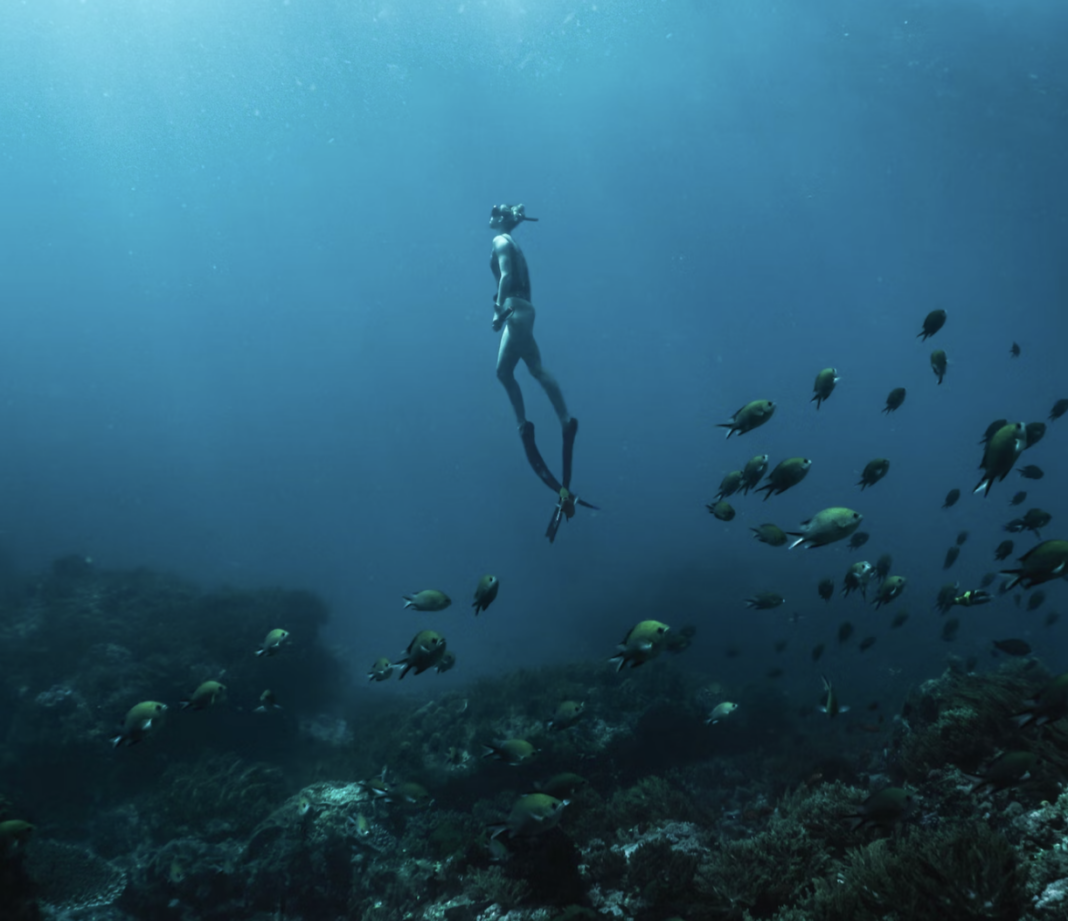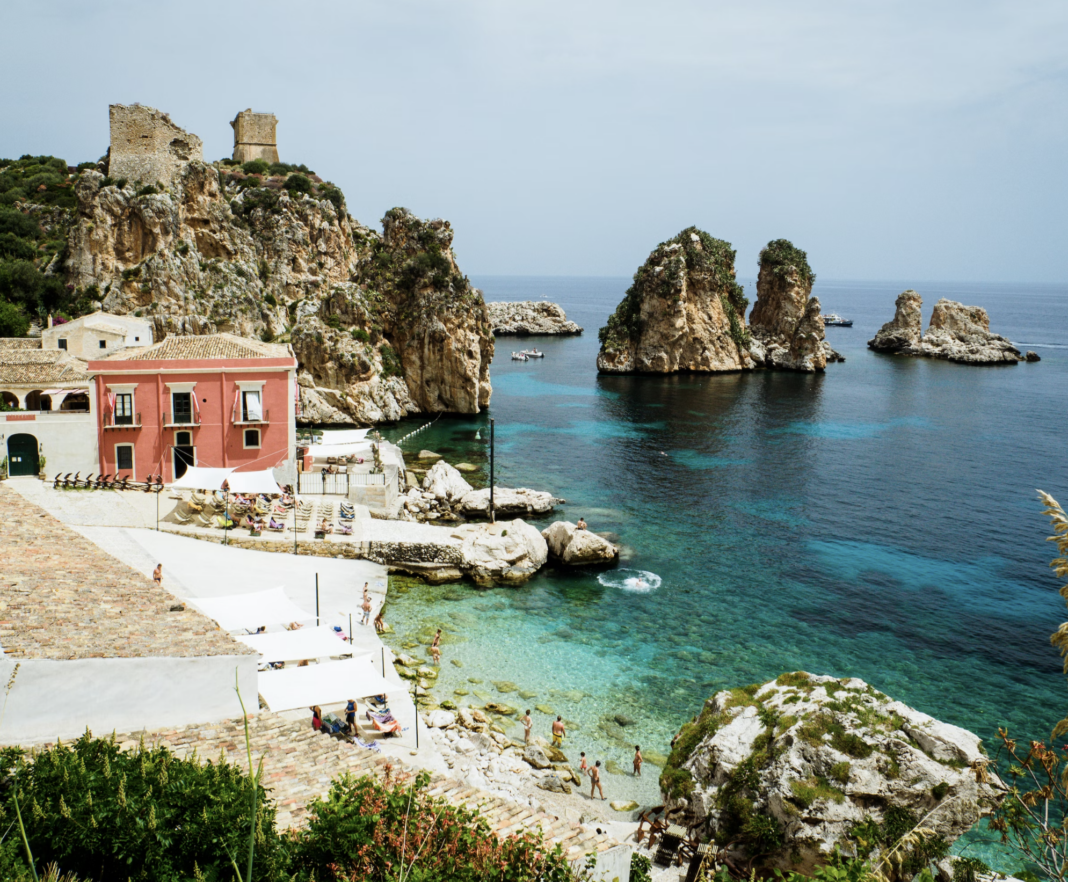


The underwater world is in danger, and the culprit is overfishing. It is a problem fueled by multiple factors, each wreaking havoc on our marine ecosystems. First, the appetite for commercial and recreational fishing puts immense pressure on important fish species, disrupting the delicate balance of life beneath the waves. But that’s not all—illegal practices, unreported catches, and forbidden gear silently destroying fish populations.
As if that weren’t enough, destructive fishing techniques like bottom trawling leave a path of destruction, harming their intended targets, unintended creatures, and fragile habitats. To make matters worse, fisheries management is drowning in a sea of challenges, from weak enforcement to limited monitoring, making it nearly impossible to accurately assess fish stocks and implement effective conservation measures. It is a dire situation, threatening the very sustainability of our oceans and the long-term health of marine ecosystems.
The Mediterranean, including Israel, may never fully recover, and the same is true for the rest of the world if we don’t take urgent action to safeguard the surviving fish populations.
Why should I care about over-fishing?

Diminishing fish stocks, caused by the reduction in species diversity through over-harvesting, jeopardizes the livelihoods of the 800 million individuals working in the fishing industry. According to fishforward.edu, a staggering 93% of Mediterranean stocks are threatened by over-capturing. This decline in fish populations leads to diminished catches, financial losses, and a devastating impact on coastal communities.
The consequences of over-capturing extend beyond economics. Overfishing harms marine ecosystems’ delicate food webs and ecological relationships. The extinction of a fish species due to overfishing has far-reaching consequences, negatively impacting predators, prey, and their habitats. Disturbingly, Scientists have made a startling discovery: the Red Sea floor is leaking vast amounts of gas, further highlighting the ecological disruptions caused by overfishing. Sharks, vital to the balance of underwater ecosystems, are facing extinction in 20% of the world’s reefs and are dying off in the Mediterranean Sea.
Despite regulations, illegal fishing (IUU) poses one of the most significant challenges in combating over-exploitation. In fact, illegal fishing contributes a substantial percentage to the overall problem. Insufficient surveillance on the water hinders the enforcement of fishing regulations, allowing illegal fishermen to thrive. Their indiscriminate drag nets capture non-target species, further exacerbating the ecological imbalance caused by overfishing.
What are Israeli efforts against over-fishing?

The Israeli government is taking decisive action to protect endangered species during their crucial reproductive periods. They have implemented fishing restrictions and season closures, incorporating measures like minimum size limits and regulating the quantity of fish that can be caught.
But that’s not all. Enter Marine Protected Areas (MPAs) – designated zones that act as safe havens for marine life. These areas restrict or even prohibit fishing activities, allowing fish populations to rebound and marine ecosystems to flourish again. The magic happens when these MPAs revive their protected spaces and help fish numbers grow beyond their boundaries.
To ensure the effectiveness of these conservation efforts, strict monitoring and enforcement are essential. Imagine increased patrols, cutting-edge monitoring systems, and even tougher penalties for those who dare to defy the regulations. It is a united front against overfishing, and these surveillance mechanisms play a crucial role in safeguarding our precious marine resources.
But protecting our oceans is not a solo mission. It requires the active involvement of fishermen, buyers, and the wider public. That’s why public awareness and education are essential to spreading the word about the value of sustainable fishing methods and shedding light on the consequences of overfishing, creating a sense of responsibility in everyone. Together, we can make informed choices and become stewards of our marine ecosystems, ensuring their long-term survival and prosperity.
What can I do to stop over-fishing?

Educate yourself on fish sustainability policies and support the European Mediterranean nations as efforts are there to ensure that stocks are managed sustainably and work to combat IUU fishing. As an individual, you can still eat sustainably and mindfully on the Mediterranean coast.
Try different fish species – these are 7 safe fish to eat. As consumers, we tend to eat the fish we are used to, and the fishers work to meet the demand for more “common” fish. European Mediterranean fish buyers are being encouraged to help buyers try new and more sustainable local species that are not overfished and are widely available in the consumers’ respective regions. Consider eating farmed fish like tilapia.
Support small-scale fishing businesses and Slow Fish protocols. Collaboration with stakeholders, regulated sales to local restaurants, finding new markets, and establishing distribution agreements ensure a steady seafood supply.
Fishing communities like the one at the Port in Jaffa can also explore opportunities like fishing tourism, wildlife observation, cultural heritage preservation, and sustainable aquaculture. These efforts boost regional economies and emphasize the significance of fish. Making informed choices to support these initiatives is essential.
Through these collective efforts and informed choices, we can strive for a future where our oceans thrive, and the underwater world is preserved for generations.