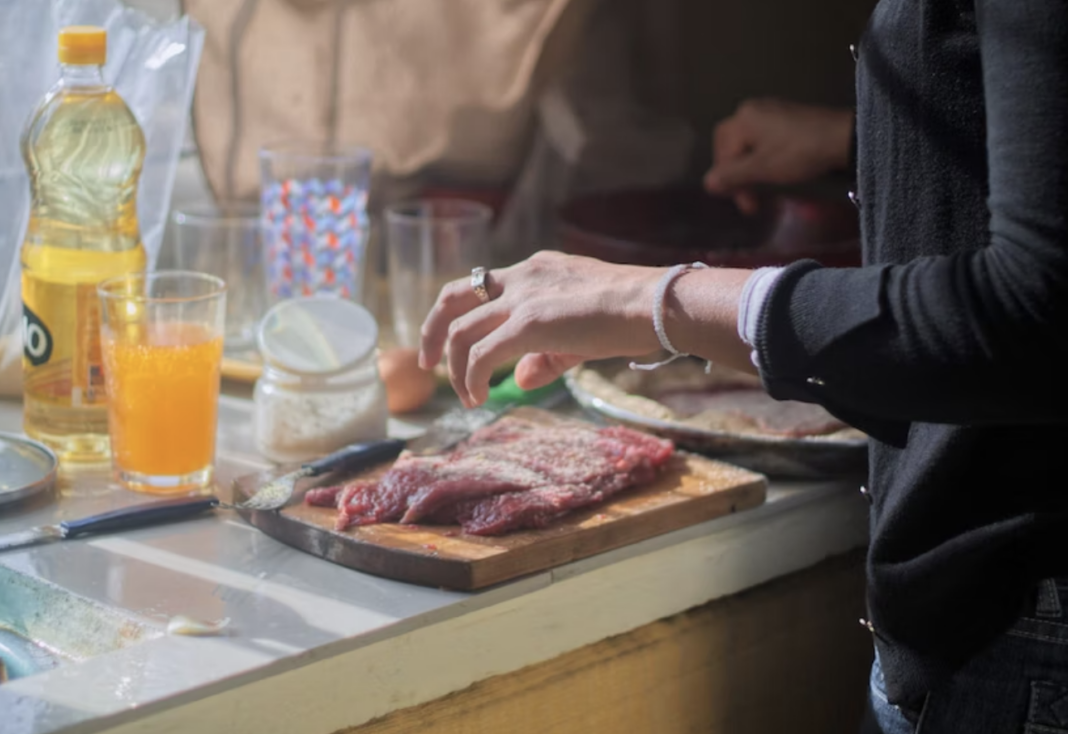


Drying meat is a beloved culinary tradition that continues to captivate people with its long-lasting qualities and delectable taste. The process involves dehydrating or removing moisture from the meat, resulting in a nutrient-dense and lightweight food option.
Because of these qualities, dried meat has been a popular food choice among various cultures since ancient civilizations, proving a portable and convenient source of sustenance. Aside from its convenience, dried meat provides a wide array of health benefits, making it a nutritious option for people who need a snack packed with protein.
This article will delve into the many health benefits of consuming dried meat, exploring its positive impact on muscle development, weight management, nutritional composition, and overall physical well-being. It will also explore the historical significance of dried meat as a survival food and the fundamental processes involved in producing the popular snack.
What is dried meat?
Commonly known as jerky, dried meat refers to the type of meat that has gone through dehydration. It’s a process that involves removing the majority of its moisture content. Removing water from the meat inhibits the growth of microorganisms that significantly extends the shelf life of the meat.
Since the invention of the first home electric refrigerator was not until the 20th century, various cultures throughout history needed a creative solution to address meat spoilage and scarcity. As a result, drying meat became a popular preservation method, ensuring meat shelf life and a readily available food source for long journeys or periods of scarcity.
The Historical Significance of Dried Meat
The practice of drying meat goes as far back as forty thousand years ago, at the beginning of the Cro-Magnon era. During that period, dried meat was far from the delightful shredded beef jerky snack you know today.
For ancient civilizations like the Native Americans, Mongols, and Egyptians, drying meat was more for preparation and survival rather than producing convenient snacks. As mentioned, drying meat was an essential method for preserving food for extended periods, allowing explorers and nomadic tribes to sustain themselves during harsh winters and long expeditions.
During ancient times, dried meat was particularly favored by travelers and hunters due to its long shelf life and lightweight nature. It provided a concentrated source of essential nutrients, energy, and protein, making it the ideal option for survival in the harshest environments and conditions.
Because of its significance in history, dried meat cemented itself as a culinary tradition millions worldwide can continue to enjoy today.
Traditional Methods of Drying Meat

Producing dried meat entails several steps to ensure proper flavor development and dehydration. While modern technology has introduced faster and more efficient meat drying methods, many individuals who still appreciate the time-honored art of producing dried meat utilize traditional techniques.
While different cultures and individuals have their own variations and recipes for drying meat, they all still follow the fundamental steps. These traditional methods of meat drying involve selection, preparation, slicing, marinating, drying, testing for doneness, and storing.
Meat selection

During the meat selection, it is imperative to select lean cuts of meat, such as turkey, venison, pork, or beef, with minimal fat content. Fat can turn rancid during the drying process, affecting the taste and quality of the final product.
Meat preparation
Meat preparation entails trimming off any connective tissue or visible fat from the meat and then partially freezing the meat for a short time to make it easier to cut uniformly.
Slicing
The slicing process involves cutting the meat against the grain into thin strips. This helps achieve the ideal tender texture in the final product.
Marinating
After cutting the meat into thin and uniform strips, it’s time to prepare the seasoning or marinade blend according to a standard recipe or personal preference. Typical ingredients dried meat producers utilize in their marinades include vinegar, liquid smoke, spices, herbs, natural sweeteners, soy sauce, and Worcestershire sauce.
The person responsible for preparing and measuring the ingredients must then marinate the meat in the mixture overnight or for several hours to infuse the flavors into the meat.
Drying
The next step is the drying process once the marinade adequately infuses its flavors into the meat. The drying process has various traditional methods, including sun drying, air drying, and smoking.
Sun drying involves hanging or laying out the marinated meat strips under direct sunlight to dry out, similar to leaving wet clothes to dry. This drying method entails a high dependency on the weather conditions that must be dry and warm climates.
Additionally, the sun drying method requires regular protection from insects and monitoring, and it can take from several days to weeks for the meat to thoroughly dehydrate.
The air drying method involves hanging the marinated strips of meat in a well-ventilated location, which is often a cold and dry room. The person in charge of drying the meat leaves it to air dry naturally with the assistance of good air circulation.
Similar to the sun drying method, air drying is a time-consuming process that can take several days to about two weeks to dehydrate the meat thoroughly.