The Mediterranean Sea is being invaded by hundreds of species of fish, jellyfish, prawns and other marine species from outside the region. This happens when we create artificial waterways like the Suez Canal or when ships release bilge water into new territories. According to a new United Nations report (we covered the last one in 2018 here) there are now more than one thousand non-indigenous species in the Mediterranean and the Black Sea.
The waters we love may never be the same. And these invaders are pushing out native species causing fishermen to adjust.
It’s already impossible to go swimming on the beaches of Gaza, Tel Aviv, or Beirut in July when the jellyfish that came from the Red Sea invade. What’s next?
Your favorite fish might go extinct
Over half of the invaders have established permanent populations and are spreading, causing concern about the threat they pose to marine ecosystems and local fishing communities, says a United Nations group called the FAO.
“Climate change and human activities have had a profound impact on the Mediterranean and the Black Sea,” says Stefano Lelli, a fishery expert for the eastern Mediterranean working for the General Fisheries Commission for the Mediterranean: “We have witnessed a swift and significant alteration of marine ecosystems, and this has led to several impacts on local communities’ livelihoods. In the coming years, we expect the number of non-indigenous species to continue rising.

This regional fisheries management body, established by FAO, is leading efforts to promote sustainable fisheries and aquaculture in the Mediterranean Sea and the Black Sea. It works with fishers, conservationists, scientists and government authorities to better understand the rise in non-indigenous species and help countries improve their mitigation and management measures.
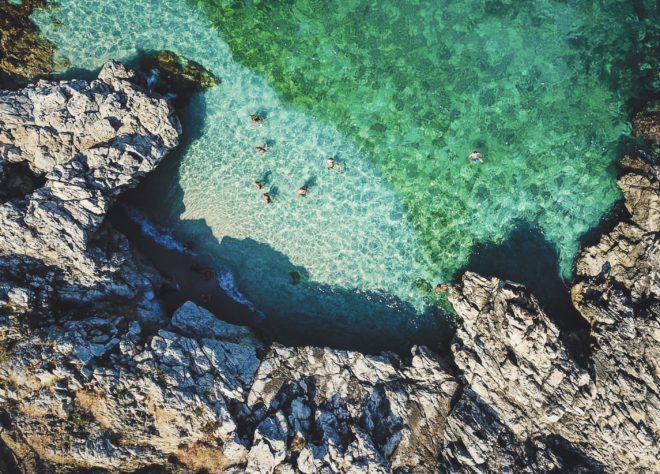
How Climate change is making the Mediterranean Sea Tropical
The Mediterranean Sea is undergoing a “tropicalization” process as water temperatures rise, largely due to climate change. In addition, many species have migrated via well-travelled shipping routes such as the Strait of Gibraltar or the Suez Canal, often attached to the hull of ships or inside them in the ballast waters.
Other species, such as the Pacific cupped oyster and the Japanese carpet shell, were introduced for aquaculture during the 1960s and 1970s and have since escaped and colonized Mediterranean ecosystems.
Once established, non-indigenous (or non-native) species can outcompete native ones and alter their surrounding ecosystems, with potential economic implications for fisheries and tourism or even human health.

What is an invasive species?
Non-indigenous species (NIS) are called invasive when they cause either ecological, economical damage, or pose a threat to human health. Marine invasive species can pose major threats to biodiversity by altering community structure and function, and by modifying ecosystem processes, which can have long-lasting ecological and economic consequences
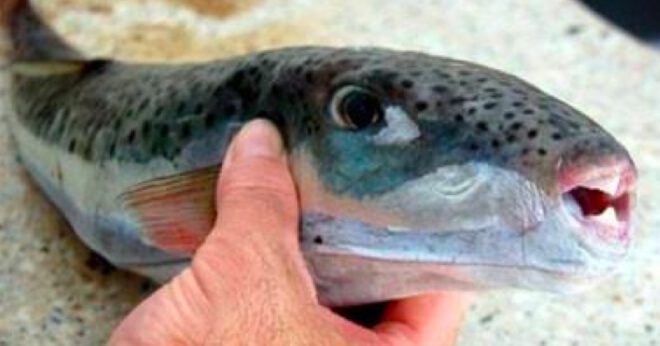
For example, six poisonous and venomous non-indigenous fish species, such as pufferfish (pictured above), lionfish and several jellyfish species, are now present in the eastern Mediterranean and can be toxic to humans if touched or ingested.
Invasive species pose threats to either human health or inflict ecological and/or economic damage. The silver-cheeked toadfish (Lagocephalus sceleratus), a Lessepsian species, is one of the most harmful species in the Mediterranean Sea, because of its potent neurotoxin, impacts on marine biodiversity, and the increased costs and labor they inflict on fishers. It was first reported in Turkey in 2003, but it’s been sighted as washing up on beaches in Israel, Turkey and Greece.
Since the catch and consumption of this pufferfish is prohibited by almost all countries bordering the Mediterranean, they have now expanded into the entire Mediterranean and Black Sea. Read a scientific report on them here.
Regions of concern listed in the report include Cyprus, Egypt, Greece, Lebanon, Israel, Syria and Turkey.
Turning a threat into an opportunity
Fishers all over the region have been affected by this trend. However, with support, they are finding new ways to turn these invasions into opportunities.
In southwest Turkey, where invasive species can account for 80 percent of the catch in some areas, fishers are gradually creating new consumer and export markets for species like lionfish, urchins and Randall’s seabream.
Lebanon is also training fishers to capture non-indigenous species, encouraging consumers to try them. “Red Sea goatfish and lionfish are some examples of non-indigenous species becoming a source of income in Lebanon,” says Manal Nader, Associate Professor and Director of the Institute of Environment at the University of Balamand in Lebanon.
In Tunisia, two non-indigenous species of blue crabs, which were threatening traditional fishing, were turned into a lucrative business when the FAO and the Tunisian Government helped connect fishers to new markets. We wrote about the blue crabs here. The same is happening in Spain and other parts of the Mediterranean, triggering research programmes to manage these species.
Protecting native species of fish
“International and regional cooperation as well as concerted action are needed to tackle non-indigenous species in the Mediterranean and Black Sea,” says Bayram Öztürk, author of the GFCM’s study on non-indigenous species in the Mediterranean (links to PDF).

“Needless to say, the impacts of non-indigenous species need to be monitored by all countries in the region. Once a species is introduced, it may be too late to eradicate.”
We covered a similar FAO report in 2018. See how they compare.