
Marine Pollution in Kuwait and what we can do to protect our ocean

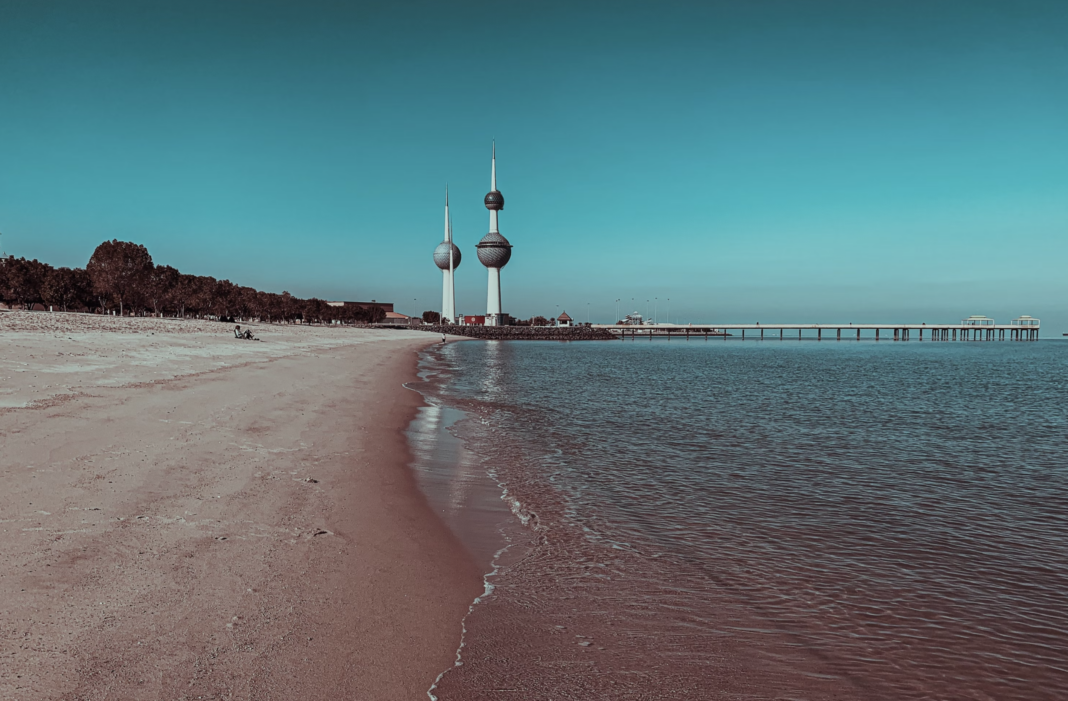
Kuwait city, towers on the beach

Kuwait enjoys a strategic location in the Arabian Gulf with a coastline spanning about 200 miles if you include the islands dotted along the region. Like Dubai it also has a series of artificial islands with some of them bringing new bird species to the region. However, this beautiful coastline like many others is a victim of marine pollution

Marine Pollution in Kuwait

Despite the efforts of the Kuwaiti government to protect Kuwait’s marine environment, there are several issues we need to tackle when it comes to marine pollution in Kuwait:

Declining Fish Stocks 

There has been an apparent decline in marine life in Kuwait waters over the last few years. Coral reefs, marine turtles, and vulnerable fish such as shrimp, silver pomfret, suboor, hamoor, and frush are some of the most affected animal species.  

Marine Pollutants in Kuwait

Most research conducted on marine pollution in Kuwait reveals a number of marine pollutant sources:

Sewage discharge

This is the biggest source of pollution for the Kuwaiti Ocean. Traces of oil, petroleum, hydrocarbons, trace metals, residual chlorine, and other suspended particles have been found in the ocean. The most probable cause for these is oil and petrochemical industry, power plants, and other sewage dumping activities. 

Oil spills

With the Arabian Gulf being a major shipping point for oil transportation, oil spills are unavoidable. It is estimated that around 2 million barrels of oil are spilled in the Arabian Gulf annually as a result of tank washing and dirty ballast waters. And there is more spillage from military operations and oil production operations. 

Ship waste dumping

Ships often dump their chemical and vessel waste in the ocean. This includes domestic waste, sewage waste, oil, and even fishing gear.

Dredging

Due to land reclamation, the Kuwaiti waters are also a victim of dredging. This destroys fish spawning grounds and makes the river banks unstable. 

Fresh water shortage

The ocean along the coast of Kuwait is extremely salty. This is because fresh water from the Shat Al-Arab and Karon River is restricted due to the water dams along these rivers. 

What Can We Do To Protect Kuwait’s Ocean?

When we hear that our ocean is in trouble, it’s easy to feel powerless. While most of the action rests at the hands of businesses and government, there’s still a lot we can do to help save our ocean: 

Check The Label

When buying anything, opt for sustainable businesses. These businesses are making a conscious effort at helping our environment by taking steps to reduce their carbon imprint. 

Reduce, Reuse and Recycle. 

You can help decrease the effects of climate change by reducing your own carbon footprint. This can be done by reducing energy use. Turn off the lights when not in use. Unplug electronics and opt for walking and riding a bike. 

Minimize Plastic Use

Cut down on your plastic usage, especially single-use plastics. These plastics usually end up in the ocean which severely impacts our marine life and adds to marine pollution in Kuwait. 

Eat Sustainable Seafood 

When buying seafood, look for eco-certification. If you don’t find one, ask your retailer about the source of your seafood. Demand eco-certified seafood from your retailer and favorite restaurant. This guide on sustainable fish in the region might help –> 7 Gulf fish probably okay to eat.

Be Ocean Aware 

Educate yourself and others. You can do this by watching documentaries, signing up with Ocean Awareness companies, and discussing the impact of marine pollution on the world.

Sign up and Help 

Become an advocate of the ocean. Sign up with NGOs like I AM Ocean Minded, the first-of-its-kind NGO in Kuwait aiming to improve the ocean mindset by creating an ocean-minded community. They conduct beach cleanups, awareness campaigns, and other communal activities to make a difference. 

 

LEAVE A REPLY

Please enter your comment!
Please enter your name here

TRENDING

Foot-and-Mouth Disease Is Spreading Again — What That Means for Farmers, Food, and All of Us

A new wave of foot-and-mouth disease (FMD) is spreading through Europe and the Near East, and experts at the Food and Agriculture Organization (FAO) are urging countries to take urgent steps to stop it. The recent detection of an unfamiliar strain of the virus in Iraq and Bahrain has raised alarms, especially since this version, known as SAT1, is not normally found in this region.

Tom Brady, Will Smith yacht into Sindalah luxury resort in Saudi Arabia

Sindalah is the first of the Saudi Arabia luxury locations to open its doors

How divers can help save kelp forests

Want to help save kelp forests? A guide and some tips for divers.

Arab Energy Fund commits $1 billion to energy transition and decarbonization

The Arab Energy Fund, previously known as the Arab Petroleum Investments Corporation (APICORP), has announced a significant commitment of $1 billion to drive energy transition and decarbonization efforts.

Yemen pipeline attacked by gunmen, causing oil spill

An oil pipeline is attacked by gunmen in Yemen causing an alarming oil spill.

Qatar’s climate hypocrisy rides the London Underground

Qatar remains a master of doublethink—burning gas by the megaton while selling “sustainability” to a world desperate for clean air. Wake up from your slumber people.

How Quality of Hire Shapes Modern Recruitment

A 2024 survey by Deloitte found that 76% of talent leaders now consider long-term retention and workforce contribution among their most important hiring success metrics—far surpassing time-to-fill or cost-per-hire. As the expectations for new hires deepen, companies must also confront the inherent challenges in redefining and accurately measuring hiring quality.

8 Team-Building Exercises to Start the Week Off 

Team building to change the world! The best renewable energy companies are ones that function.

Thank you, LinkedIn — and what your Jobs on the Rise report means for sustainable careers

While “green jobs” aren’t always labeled as such, many of the fastest-growing roles are directly enabling the energy transition, climate resilience, and lower-carbon systems: Number one on their list is Artificial Intelligence engineers. But what does that mean? Vibe coding Claude? 

Somali pirates steal oil tankers

The pirates often stage their heists out of Somalia, a lawless country, with a weak central government that is grappling with a violent Islamist insurgency. Using speedboats that swarm the targets, the machine-gun-toting pirates take control of merchant ships and then hold the vessels, crew and cargo for ransom.

Leopoldo Alejandro Betancourt López Turned Ocean Plastic Into Profitable Sunglasses

Few fashion accessories carry the environmental burden of sunglasses. Most frames are constructed from petroleum-based plastics and acrylic polymers that linger in landfills for centuries, shedding microplastics into soil and waterways long after they've been discarded. Leopoldo Alejandro Betancourt López, president of the Spanish eyewear brand Hawkers, saw this problem differently than most industry executives.

Why Dr. Tony Jacob Sees Texas Business Egos as Warning Signs

Everything's bigger in Texas. Except business egos.  Dr. Tony Jacob figured...

Israel and America Sign Renewable Energy Cooperation Deal

Other announcements made at the conference include the Timna Renewable Energy Park, which will be a center for R&D, and the AORA Solar Thermal Module at Kibbutz Samar, the world's first commercial hybrid solar gas-turbine power plant that is already nearing completion. Solel Solar Systems announced it was beginning construction of a 50 MW solar field in Lebrija, Spain, and Brightsource Energy made a pre-conference announcement that it had inked the world's largest solar deal to date with Southern California Edison (SCE).

Related Articles

Popular Categories