

Imaginedairy engineers milk without the cow

Cultured meat is meat produced by in vitro cell culture of animal cells, instead of from slaughtered animals. It is a form of cellular agriculture. This is different from meat alternatives made from plants because in cultured meat, original meat cells were used from a real life cow. This has been going on for a decade or so with limited commercial success.

Memphis Meat, Mosa Meat and Aleph Farms are a few companies looking to break through. They offer meaty competition to Beyond Meat and the lab-grown plant-based “meat” burgers satisfying vegetarians everywhere.

And if it can be done for meat, entrepreneurs are hoping a cruelty-free dairy product should be done too. Vegans want it, the question is how can they drink a real milk milkshake or cheesecake while preventing animal cruelty?

The Israeli start-up Imagindairy is milking new technology to leave the cow out of the dairy equation. The company is creating true milk proteins that are indistinguishable from the real thing via a natural process using fermentation. 
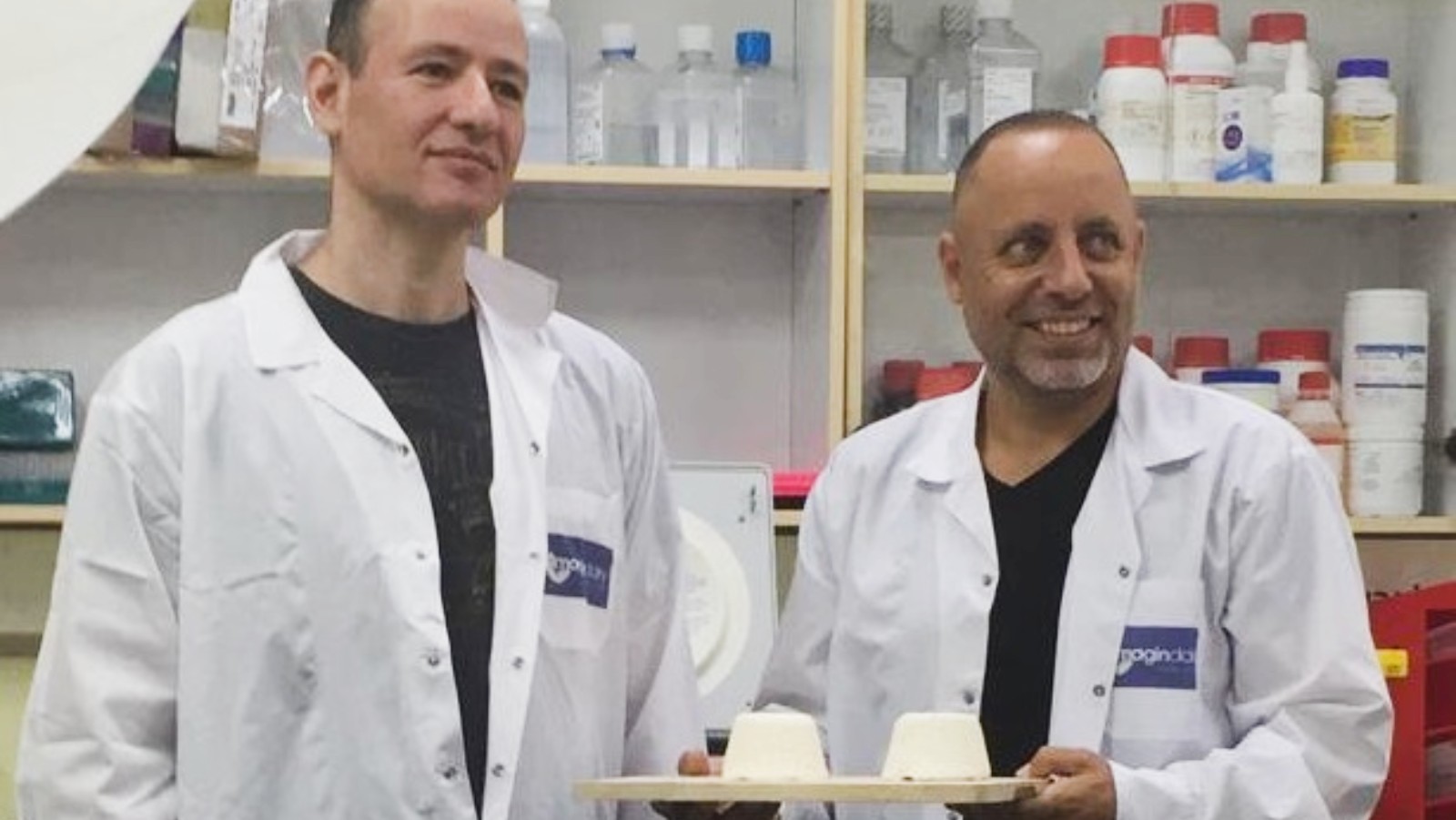
Recreating Casein and Whey

Imagindairy recreates nature-identical, animal-free versions of whey and casein proteins that can be used to produce dairy analogs. They have the flavor and texture – and, importantly, the functionality and nutritional value – of their animal-based counterparts. They also are lactose-free, serving consumers with lactose intolerance or sensitivity. At the same time, the company lowers the burden of dairy livestock on the environment.

“The unique protein structure of dairy milk is what provides its characteristic texture, flavor, and nutritional value. Whey is a key source of highly biologically available protein,” says explains Eyal Afergan CEO of Imagindairy. 

Awarding the full, guilt-free dairy experience 

In response to growing awareness of animal welfare and the environmental impact of animal farming, supermarket shelves have become buoyant with alternative plant-based milk and dairy analogs. There has been almond milk, but almond milk is hurting the bees. There is also oat milk, but that’s full of pesticides. And plant-based dairy alternatives fall short of meeting consumers’ taste demands. 

imaginedairy lab milk

There is no details on “what” the raw materials are for recreating the cow milk in the lab. Because at one point plant-based ingredients will be needed for the process. How will they be sourced? Will they be organic? Will they use wheat or rye or plants grown with pesticides? Questions we will want to know the answers to.

“Our vision was to deliver an animal-free version of the primary dairy proteins — whey and casein — that can allow product makers to match real dairy products in terms of protein concentration, nutrient profile, and the full sensory experiences of the animal-derived versions,” says Afergan. “I look forward to being able to give my kids such treats as a cup of nutritious, tasty milk or creamy yogurt without the hard impact on animals or on the environment they must inherit.”

Imagindairy’s technology can be readily integrated into existing dairy food production facilities. The start-up already raised US$1.5M in seed funding, led by The Kitchen FoodTech hub, with contributions from the Israeli Innovative Authority, CPT Capital, New Crop Capital, and Entrée Capital, and will soon enter its A-round funding series.


Karin Kloosterman
Karin Kloostermanhttp://www.greenprophet.com
Karin Kloosterman is an award-winning journalist, innovation strategist, and founder of Green Prophet, one of the Middle East’s pioneering sustainability platforms. She has ranked in the Top 10 of Verizon innovation competitions, participated in NASA-linked challenges, and spoken worldwide on climate, food security, and future resilience. With an IoT technology patent, features in Canada’s National Post, and leadership inside teams building next-generation agricultural and planetary systems — including Mars-farming concepts — Karin operates at the intersection of storytelling, science, and systems change. She doesn’t report on the future – she helps design it. Reach out directly to [email protected]

TRENDING

Remilk makes cloned milk so cows don’t need to suffer and it’s hormone-free

This week, Israel’s precision-fermentation milk from Remilk is finally appearing on supermarket shelves. Staff members have been posting photos in Hebrew, smiling, tasting, and clearly enjoying the moment — not because it’s science fiction, but because it tastes like the real thing.

Six “Green” Reasons To Drink Camel’s Milk

With 5 times the amount of Vitamin C in camel's milk, and full of iron, camel's milk needs no nutritional help. It has a shelf life of 5 days before pasteurization, after which it will survive for up to 3 weeks. Camel's milk is just as versatile as other milk, used as it is to produce low-fat varieties of cheese, chocolate, and a fermented delicacy that is used in areas that lack refrigeration.

Lab-grown meat telling convenient lies about carbon footprint?

In a preprint, not yet peer-reviewed, researchers at the University of California, Davis, have found that lab-grown or “cultivated” meat’s environmental impact is likely to be “orders of magnitude” higher than retail beef based on current and near-term production methods.

Is lab meat kosher?

This story is about the cultivated meat industry, the environmental impacts, and what the Jewish community is thinking on this revolutionary discovery

Essential Lab Supplies for Any Practice

Are you starting a new foodtech company to find plant alternatives to meat? Get your startup costs of equipment you will need to buy or rent.

Turning Your Energy Consultancy into an LLC: 4 Legal Steps for Founders in Texas

If you are starting a renewable energy business in Texas, learn how to start an LLC by the books.

Tracking the Impacts of a Hydroelectric Dam Along the Tigris River

For the next two months, I'll be taking a break from my usual Green Prophet posts to report on a transnational environmental issue: the Ilısu Dam currently under construction in Turkey, and the ways it will transform life along the Tigris River.

6 Payment Processors With the Fastest Onboarding for SMBs

Get your SMB up and running fast with these 6 payment processors. Compare the quickest onboarding options to start accepting customer payments without delay.

Qatar’s climate hypocrisy rides the London Underground

Qatar remains a master of doublethink—burning gas by the megaton while selling “sustainability” to a world desperate for clean air. Wake up from your slumber people.

How Quality of Hire Shapes Modern Recruitment

A 2024 survey by Deloitte found that 76% of talent leaders now consider long-term retention and workforce contribution among their most important hiring success metrics—far surpassing time-to-fill or cost-per-hire. As the expectations for new hires deepen, companies must also confront the inherent challenges in redefining and accurately measuring hiring quality.

8 Team-Building Exercises to Start the Week Off 

Team building to change the world! The best renewable energy companies are ones that function.

Thank you, LinkedIn — and what your Jobs on the Rise report means for sustainable careers

While “green jobs” aren’t always labeled as such, many of the fastest-growing roles are directly enabling the energy transition, climate resilience, and lower-carbon systems: Number one on their list is Artificial Intelligence engineers. But what does that mean? Vibe coding Claude? 

Somali pirates steal oil tankers

The pirates often stage their heists out of Somalia, a lawless country, with a weak central government that is grappling with a violent Islamist insurgency. Using speedboats that swarm the targets, the machine-gun-toting pirates take control of merchant ships and then hold the vessels, crew and cargo for ransom.

Related Articles

Popular Categories