

The harsh desert climate created all kinds of models for the survival of humans and their livestock – just look to the Nabateans and how they dealt with very low rainfall in the Levant. In the summer when a temperature reaches 122 degrees (50 degree C) finding water resources and preserving food is of particular importance for Bedouins. Searching for grazing and water, Bedouins – nomadic people – move from one place to another with their sheep and goats far from major towns and roads. Dealing with scorching heat, desert nomads applied inherited skills and innovated the new ones.
Making whole animal cheese

Milk and dairy products are essential part of the Bedouin diet, and to prepare cheese Bedouins put milk into messah, a part of the stomach of a young lamb that has to be dried with salt. The cheese is called laban or labne and it’s still eaten widely today in the area. Messah is like rennet for the Bedouin.
“After it gets completely dried up a small part of it is taken and wrapped in clean sheep wool or a piece of textile. It is then put into a bowl of milk using the fingers for a few minutes, and then the milk will begin to coagulated,” said Professor Fawzi Abudanah to Green Prophet.

Abudanah is a professor of Archaeology at Al Hussein Bin Talal University in Maan (in southern Jordan) and as a child he experienced firsthand some of the Bedouin lifestyle. His family still kept and fed animals in the traditional way.
Keeping meat with cheese
The large textile bag in which jameed (hardened laban or labneh cheese) was kept is used for preservation of meat when cooked pieces are placed inside the bag. Due to a high concentration of salt in jameed (a hard dried laban made of ewe’s or goat’s milk) the meat can be protected from rotting for a few days.
Traditional water cooler using an animal hyde
For water cooling, Bedouins use either goat or sheep skin called qirbah, which is first cleaned and then tanned.
“Leather tanning is common among the Bedouins in southern Jordan,” the professor continued, adding that they get the necessary material for this process from the oak trees at Al Hisheh forest, northeast of Petra.
Hygiene is a serious problem for anyone who spent even two days camping, not to mention people who are outdoors for years. Running water, boilers, different kinds of soaps, refrigerators and freezers, skin creams and perfumes of well – known brands don’t exist in the wilderness.
Natural SunIn and hair rinse for weary nomads and travellers
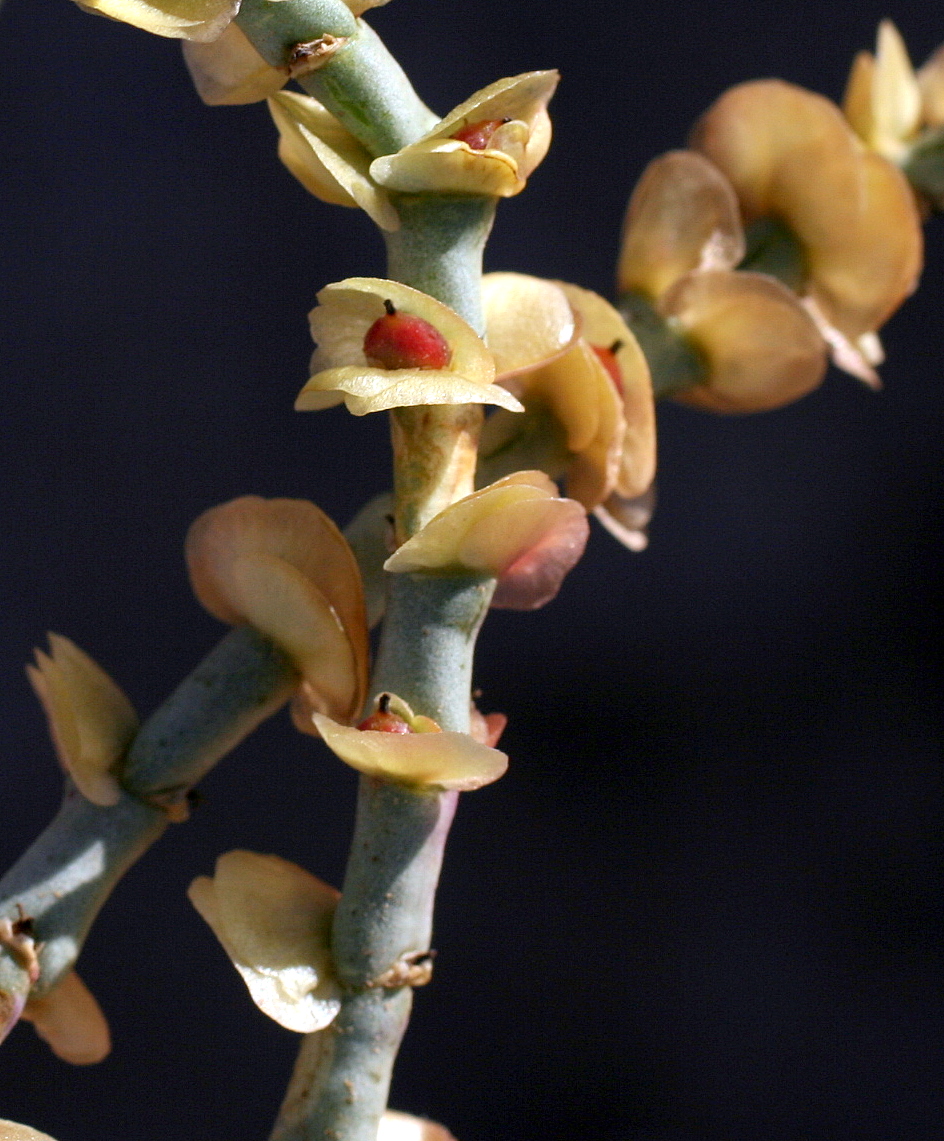
To wash hair, Bedouins make use of a shrub called adhuo or the shnan in Arabic – latin name Anabasis Syriaca as an ash-based soap and the hair goes blond if the washing continues.
However, the shrub should be prepared first: “Shnan should be burned and its ash is then collected and soaked in a pail of water. The liquid is then used for hair washing,” Abudanah underlined, noting that to purify drinking water nomads use flour or alum.
When Bedouins collect water from depressions, ponds and springs a small amount of flour or alum are added to the water in a large basin, after a while the sand and impurities will sink on the bottom.
Bedouin folk medicine by Miriam Aborkeek
Barnooq is another shrub used as a color fixative when wool of sheep has to be dyed for the production of a rug by weaving.
Scorpion immunity for babies! Ancient vaccines in action
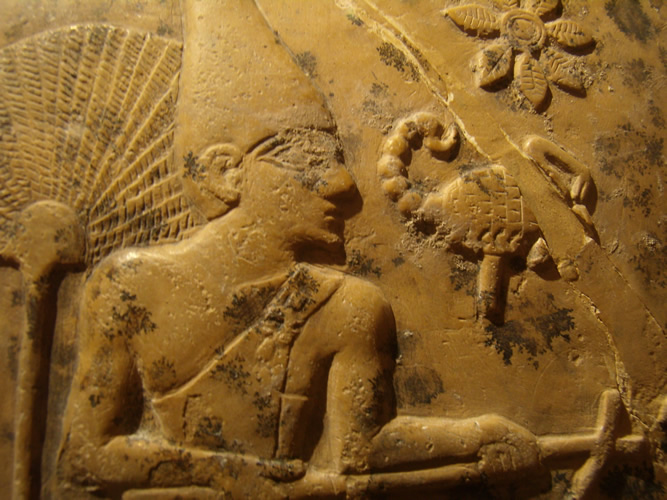
In order to boost the immunity of a new born babies, the father collects scorpions, burns and crushes them, and then mixes their charred remains with olive oil. After that the mixture of the olive oil and crushed scorpions are applied on the baby’s body, as Bedouins traditionally believe that it would protect a child against scorpion venom.
The practice is known in other cultures and among indigenous communities where tribesmen give small dose of poison to children in order to improve their immunity and the poison may develop antibodies against stings.
Closing herd wounds with stinging ants
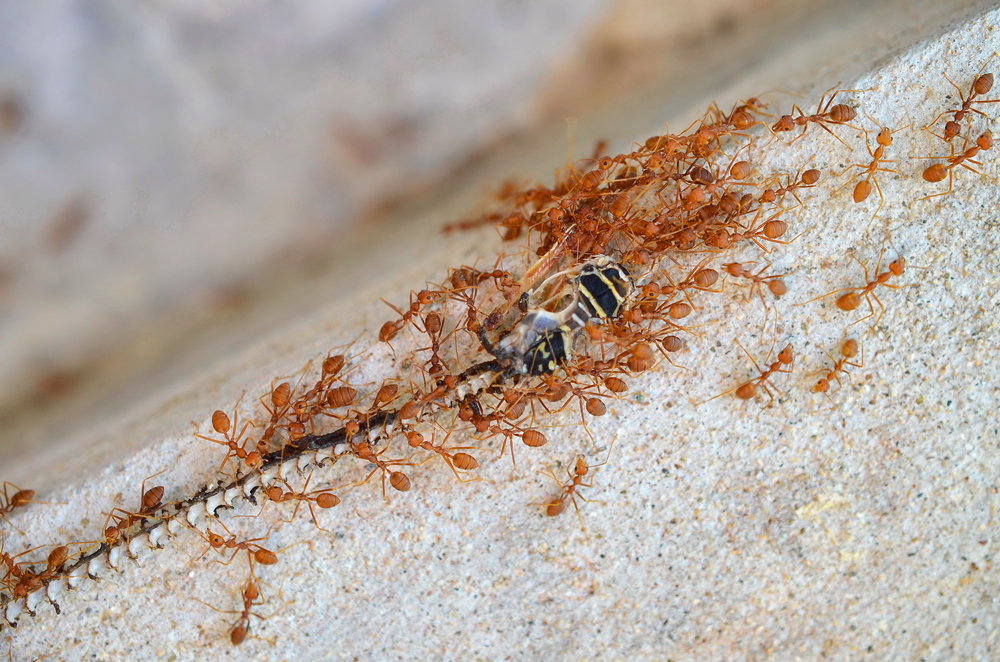
When their animals, sheep, camels and goats have to be operated, a Bedouin treats possible cuts and wounds with desert ants (fire ants?) that are placed on the wound where the stitches would go. Ants stick to the skin and the herder removes their heads, while their body remains closing the wound until they dissolve naturally.
Slow cooking in the ground
Regarding specialty food dishes, they are prepared in so-called Zarb, and that underground cooking isn’t typical for Bedouins from the Wadi Rumm, for instance, but it has been practiced in places as far as New Zealand and the Balkans. It is an old method when food is put on coal and covered for two-three hours. Usually, chicken, goat or sheep meat are cut into equal pieces, marinated, and prepared with vegetables.
For Professor Abudanah, these hacks are part of his heritage and culture, however, some of these old school tricks are not anymore in use due to modernization, tools and new materials.
Read more on the pursuits and woes of Levantine region Bedouin:
Egyptian Bedouin Maimed by Landmines
A Peek Inside the Bedouin Tent
Israel’s Bedouin Go for Solar Energy Power
Barefoot College for Solar Energy in Jordan
See How the Ladies of Lakia Weave Together Tales and Tradition