
Drinking Plastic, Every Day

tap water

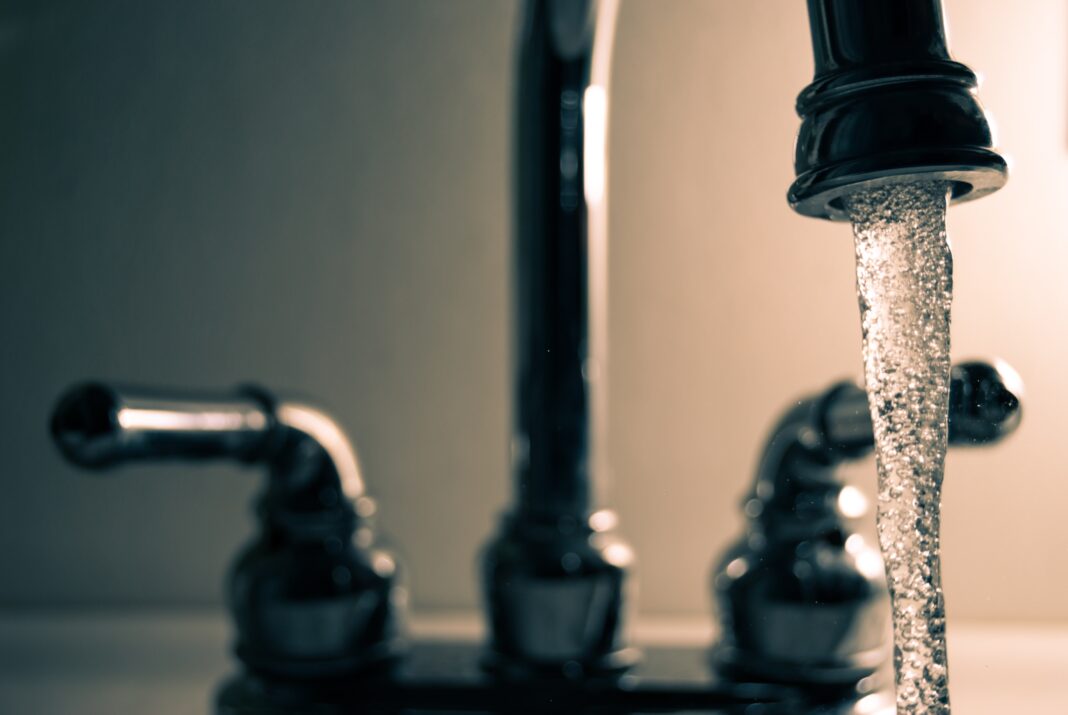
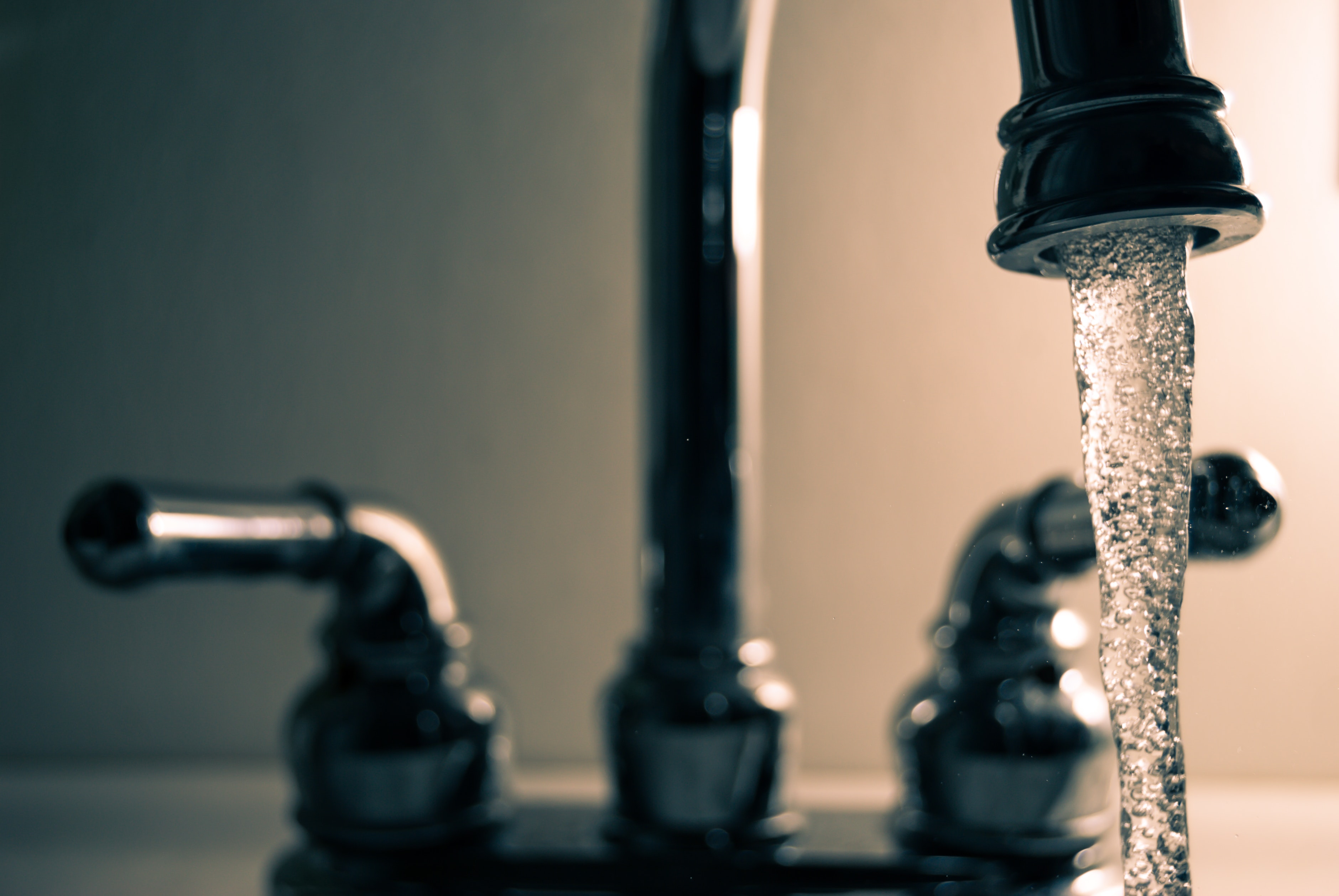
In September of 2017, Orb Media, a non-profit digital newsroom based in Washington, released the results of the first scientific study on the presence of microplastics in tap water. The study tested water flowing from taps in 14 countries around the world. From New York to Uganda, microplastics were present in 83% of the samples. The challenge today is to reduce plastic pollution in water and the air. We’re not sure if  installing a refrigerator water filter will do the job, but it might at least make you feel better.

What are microplastics? They’re minuscule particles of plastic that break free from all kinds of products in daily use, such as fabrics based on synthetic fibers, and from industrial waste. These particles continue splitting off into ever smaller pieces by ordinary friction – for example, in the rub and tumble of polyester-based clothes in your washer and dryer. That’s a major contributor to microplastic pollution. Or the tides grinding plastic bags against the ocean’s rocks and sand.

Microplastics originating in homes and factories get rinsed away into the water system, or are released into the air. Such as tire dust, the dust rubbed off tires in use. It enters water ways via sewers when rain rinses streets and highways. House paint and paint for industrial use erode, and their dust drifts into the atmosphere to settle on the surface of the ocean.

Plastic never goes away, it just keeps breaking down. That’s how it can enter the human body. According to the Orbs report, microplastics may erode into particles minute enough to pass through the intestinal wall and travel through the body to settle in the lymph nodes and organs.

Consider lymph nodes, those body filters that fight invading viruses and microbes. How well can they function when clogged with plastic sludge? According to the National Cancer Institute, the number of cancer cases will grow  to 22 million in the next 20 years. Can it be said that microplastics in our bodies are one more factor raising today’s rampant cancer statistics?

Molly Bibngham, founder of Orb Media, says, “Scientists say they don’t really know how these microplastics reach our taps or what the health risks might be. But microplastics have been shown to absorb toxic chemicals from the marine environment, and then release them when consumed by fish and mammals.”

In other words, microplastics are like sponges for toxins from sewage, industrial chemicals, pesticides, and other pollutants in the oceans. Fish absorbing the toxin-laden microplastic particles pass them back to us when we eat the fish. This news isn’t new. Studies have been conducted on the topic for years, such as this one, published in 2013. We reported on deaths of marine creatures from plastic pollution back in 2011.

What about meat from animals who drank water polluted with microplastics? Or even vegetables irrigated with such water? And ultimately, how is plastic already affecting the billions of adults and children who absorb the invisible particles in their drinking water – inhale them with every breath?

The scenario looks dire, but there’s hope. The  Orb Media investigation has raised red flags with environmental scientists around the world. Movements such as The Story of Stuff Project got microbeads banned from consumer products in the US in 2015. You can do your bit too.

Examine labels on cosmetic products – if they contain polyethylene, polypropylene, polyethylene terephthalate or polymethyl methacrylate, they contain plastic. If you can, buy clothes made from natural cotton, wool, hemp, linen and silk fabrics. Wash laundry less often (use your bath towel at least twice, for example).

Take the plastic supermarket bags you already have to the store and re-use them, instead of putting your purchases into new ones. Never mind looking like an eco-nut; soon recycling bags at the store will be mainstream.Take your own mug or drinking glass to work or school, instead of using disposable cups. Buy a metal straw or two so you won’t be tempted to pull out a plastic one out when you buy a drink.

You get the idea. Choose the natural over the synthetic; reuse what plastics you have. It would take an unprecedented, globally coordinated effort for individuals to make a difference, but at least, you’ll be setting an example. The best thing you can do is educate yourself and make your voice heard via petitions and trustworthy bodies dedicated to reducing plastic pollution. Spread the word.

 

Miriam Kresh
Miriam Kreshhttps://www.greenprophet.com/
Miriam Kresh is an American ex-pat living in Israel. Her love of Middle Eastern food evolved from close friendships with enthusiastic Moroccan, Tunisian and Turkish home cooks. She owns too many cookbooks and is always planning the next meal. Miriam can be reached at miriam (at) greenprophet (dot) com.

LEAVE A REPLY

Please enter your comment!
Please enter your name here

TRENDING

Astro uses AI to help procure land for renewable energy

For oil-rich, environmentally vigilant Gulf states, Astro isn’t just another startup story. It is a blueprint for accelerating an energy transition that is now existential, not optional.

Fishermen sue tire manufacturers on behalf of the salmon

A federal trial in San Francisco has brought US tire manufacturers, fishing groups, and environmental scientists into court over a chemical most drivers have never heard of — but which scientists say may be silently reshaping aquatic ecosystems.

Huge Fish Nursery Discovered Under Freezing Arctic Seas

In 2019, an underwater robot camera exploring the seabed...

Sink holes from over-watering farmers’ fields

Sinkholes are rapidly appearing in Turkey’s central Anatolian farming region, particularly around Konya and Karapınar. These giant gaping holes in the ground in areas of farmland, known locally as obruk, are not random geological events. They are linked to prolonged drought, climate-driven heat stress, and heavy groundwater extraction for agriculture in one of the country’s most important breadbaskets.

Oil pollution in Basrah’s soil is 1,200% higher than it should be

Soil pollution levels in parts of Basra are 1,200% to 3,300% higher than those typically measured in cities like Toronto or New York, according to new comparative soil data. It's getting into water.

Qatar’s climate hypocrisy rides the London Underground

Qatar remains a master of doublethink—burning gas by the megaton while selling “sustainability” to a world desperate for clean air. Wake up from your slumber people.

How Quality of Hire Shapes Modern Recruitment

A 2024 survey by Deloitte found that 76% of talent leaders now consider long-term retention and workforce contribution among their most important hiring success metrics—far surpassing time-to-fill or cost-per-hire. As the expectations for new hires deepen, companies must also confront the inherent challenges in redefining and accurately measuring hiring quality.

8 Team-Building Exercises to Start the Week Off 

Team building to change the world! The best renewable energy companies are ones that function.

Thank you, LinkedIn — and what your Jobs on the Rise report means for sustainable careers

While “green jobs” aren’t always labeled as such, many of the fastest-growing roles are directly enabling the energy transition, climate resilience, and lower-carbon systems: Number one on their list is Artificial Intelligence engineers. But what does that mean? Vibe coding Claude? 

Somali pirates steal oil tankers

The pirates often stage their heists out of Somalia, a lawless country, with a weak central government that is grappling with a violent Islamist insurgency. Using speedboats that swarm the targets, the machine-gun-toting pirates take control of merchant ships and then hold the vessels, crew and cargo for ransom.

Leopoldo Alejandro Betancourt López Turned Ocean Plastic Into Profitable Sunglasses

Few fashion accessories carry the environmental burden of sunglasses. Most frames are constructed from petroleum-based plastics and acrylic polymers that linger in landfills for centuries, shedding microplastics into soil and waterways long after they've been discarded. Leopoldo Alejandro Betancourt López, president of the Spanish eyewear brand Hawkers, saw this problem differently than most industry executives.

Why Dr. Tony Jacob Sees Texas Business Egos as Warning Signs

Everything's bigger in Texas. Except business egos.  Dr. Tony Jacob figured...

Israel and America Sign Renewable Energy Cooperation Deal

Other announcements made at the conference include the Timna Renewable Energy Park, which will be a center for R&D, and the AORA Solar Thermal Module at Kibbutz Samar, the world's first commercial hybrid solar gas-turbine power plant that is already nearing completion. Solel Solar Systems announced it was beginning construction of a 50 MW solar field in Lebrija, Spain, and Brightsource Energy made a pre-conference announcement that it had inked the world's largest solar deal to date with Southern California Edison (SCE).

Related Articles

Popular Categories