International airports source local farm food in 30 countries

hydroponics-food-local-farm

Following an international trend pressuring large food chains to think local and source local food, Autogrill, the multinational company known for its motorway and airport restaurants in 30 countries, is partnering with the United Nations Food and Agriculture Organization (or the FAO) to do just that. The chain of restaurants will cut down food waste and losses and support the introduction of products of small-scale and smallholder farmers in developing countries, the UN agency announced today.

Under the three-year agreement, FAO will provide Autogrill with tools to track and reduce food losses and waste across its more than 4000 stores and design information materials and campaigns to raise awareness among Autogrill customers worldwide about waste reduction.

“We’re excited to collaborate with a major multinational restaurant chain like Autogrill on making its market chain more inclusive,” said Eugenia Serova, Director of the Rural Infrastructure and Agro-Industries Division at FAO.

“This is a new type of public-private partnership for FAO which could become a model for collaborations with other retailers in future” she said.

It is estimated that roughly one third of the food produced globally for human consumption – approximately 1.3 billion tonnes every year – is lost or wasted.

In recent years, restaurants and food and beverage stores worldwide have become increasingly aware of their role in making food chains more sustainable. Supporting local food producers and farmers makes economies resilient and in some cases encourages positive practices such as organic farming, permaculture farming and hydroponic farming.

“The public-private partnership belongs to the tradition of Autogrill. From today onward the leading global restaurants chain for the people on the move will continue that tradition jointly with FAO. Our social responsibility awareness will certainly be improved by the relationship we are beginning today,” said Luigi Troiani, European Public Affairs Manager of Autogrill Group.

Autogrill is the latest to sign on to the Save Food Global Initiative spearheaded by FAO to involve a wide range of actors along the food chain in common strategies to cut food loss and waste.

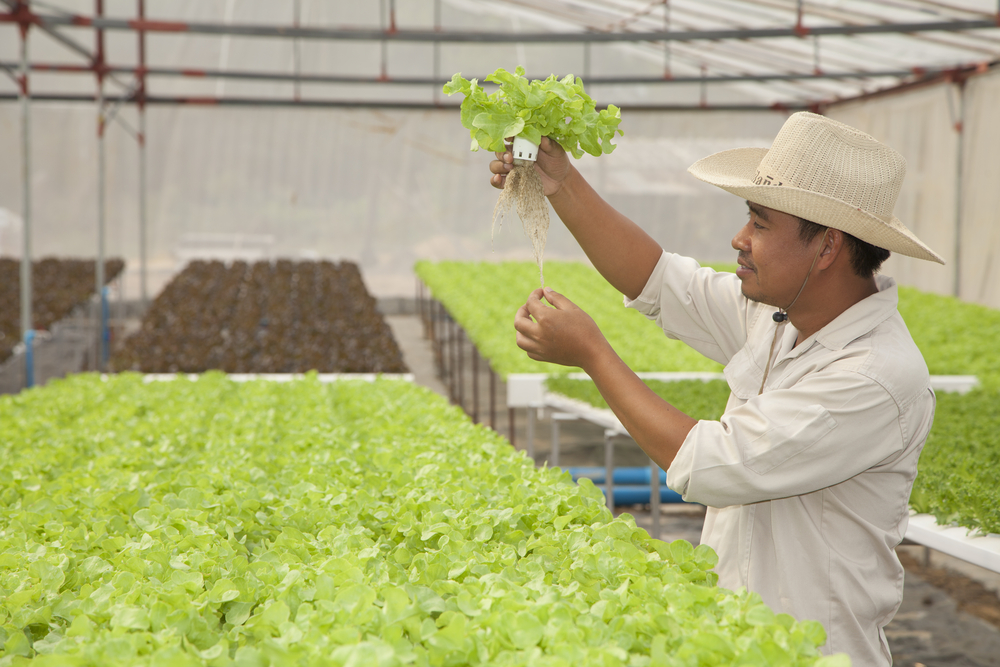
Locally grown hydroponic food in Thailand via Shutterstock

Karin Kloosterman
Karin Kloostermanhttp://www.greenprophet.com
Karin Kloosterman is an award-winning journalist, innovation strategist, and founder of Green Prophet, one of the Middle East’s pioneering sustainability platforms. She has ranked in the Top 10 of Verizon innovation competitions, participated in NASA-linked challenges, and spoken worldwide on climate, food security, and future resilience. With an IoT technology patent, features in Canada’s National Post, and leadership inside teams building next-generation agricultural and planetary systems — including Mars-farming concepts — Karin operates at the intersection of storytelling, science, and systems change. She doesn’t report on the future – she helps design it. Reach out directly to [email protected]

TRENDING

Why New York Climate Week Isn’t Boring — and 5 Fun Things You Can Do to Make It Yours

Climate Week isn’t just for CEOs and policymakers. It’s a chance for anyone to plug in, whether you’re attending an official showcase or just biking to work with a few friends. Fun and climate action aren’t opposites — they feed each other. And when you connect with community, food, music, or nature, you realize: this is what the future can look like.

Global Progress and Setbacks: Tracking Water Quality Indicators Toward SDG 6 by 2030

The United Nations has 17 objectives that paint a more resource-conscious and fair world called the Sustainable Development Goals (SDGs). The sixth mission is to “ensure access to clean water and sanitation for all” by 2030. The turn of the decade will happen before too long, so assessing progress and moments for improvement at this stage is critical. How is SDG 6 going, and what can humanity do to achieve it?

Five Innovative Architecture Firms Building with Bamboo

Bamboo, often referred to as the "green steel" of the future, is quickly gaining popularity as a sustainable alternative to traditional building materials. With its fast growth cycle, minimal environmental footprint, and impressive strength, bamboo is emerging as a game-changing material for the construction industry. Not only is it an eco-friendly choice, but its versatility allows it to be used in everything from flooring to scaffolding, and even entire buildings.

The UN builds an AI coalition to save the planet

Over 100 partners, including 37 tech companies, 11 countries and 5 international organizations, have joined forces with the UN under the Coalition for Environmentally Sustainable Artificial Intelligence, aiming to ramp up global momentum to place AI on a more environmentally sustainable path. 

9 Southeast Asia Destinations Leading the Way in Sustainability

Southeast Asia offers a wide range of beautiful landscapes, vibrant cultures, and unparalleled hospitality. However, many countries have risen to the occasion blending eco-conscious practices with luxury and charm. Today you will find a variety of destinations in Southeast Asia that offer eco-resorts and other sustainable practices for eco-conscious travelers. 

Should You Invest in the Private Market?

startustartup Unlike public stock exchanges, which offer daily trading, strict...

How to build a 100-year-company

Kongō Gumi is a Japanese construction company, purportedly founded in 578 A.D., making it the world's oldest documented company. What can we learn about building sustainable businesses from them?

From Pilot Plant to Global Stage: How Aduro Clean Technologies’ 2026 Expansion Signals a Turning Point for Chemical Recycling Investors Like Yazan Al Homsi

The company's Next Generation Process (NGP) Pilot Plant in London, Ontario, has officially moved into initial operating campaigns, generating the kind of structured, repeatable data that separates laboratory promise from commercial viability.

How AI Helps SaaS Companies Reduce Repetitive Customer Support Work

SaaS products are designed for large numbers of users with different levels of experience, and also in renewable energy.

Pulling Water from the Air

Faced with water shortage in Amman, Laurie digs up...

Turning Your Energy Consultancy into an LLC: 4 Legal Steps for Founders in Texas

If you are starting a renewable energy business in Texas, learn how to start an LLC by the books.

Tracking the Impacts of a Hydroelectric Dam Along the Tigris River

For the next two months, I'll be taking a break from my usual Green Prophet posts to report on a transnational environmental issue: the Ilısu Dam currently under construction in Turkey, and the ways it will transform life along the Tigris River.

6 Payment Processors With the Fastest Onboarding for SMBs

Get your SMB up and running fast with these 6 payment processors. Compare the quickest onboarding options to start accepting customer payments without delay.

Related Articles

Popular Categories