

 The region known for one of the healthiest diets on earth is moving away from ancient habits proven ideal for human health and sustainable food systems. A new report by the Food and Agriculture Organization of the United Nations (FAO) and the International Centre for Advanced Mediterranean Agronomic Studies (CIHEAM) explored the effects of globalization and lifestyle changes on the model Mediterranean diet, with unappetizing findings. They presented their findings at EXPO Milano earlier this week as part of Feeding Knowledge, the EXPO program for cooperation on research and innovation on food security.
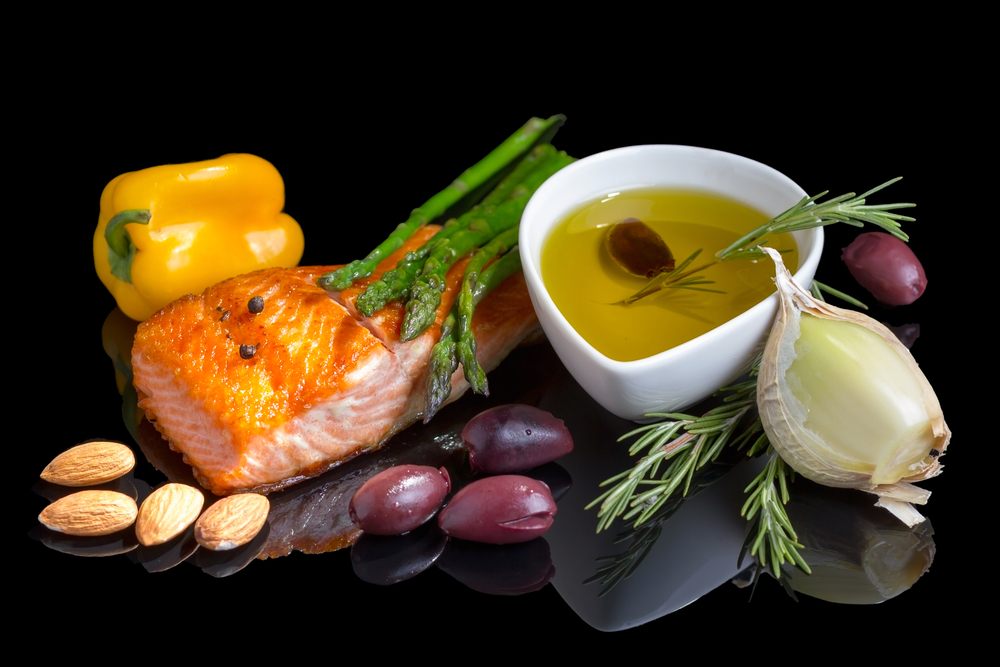
The Mediterranean diet consists of on vegetables and legumes, cereals, olive oil, and moderate consumption of fish, meat, and red wine. The diet is largely plant-based, requiring fewer natural resources than animal production, so it’s relatively light on environmental impact. In 2010, UNESCO recognized it as Intangible Heritage of Humanity.
But the report warns that tourism, urbanization, and a loss of traditional knowledge are contributing to a rapid diminishing of genetic diversity in crops and animal breeds across the Mediterranean, altering menus for the worse. Add a regional uptick in consumed processed “convenience” food, meat and dairy products, and hear the death knell for this way of eating long linked to healthy living. Food products are increasingly sourced from outside the region, monoculture production is replacing local farms (producing a variety of crops). The study estimates that just 10 percent of traditional local crop varieties are still being cultivated across the region, the rest replaced by a limited number of improved non-native crops. How do you spell Big Food?
Southern Mediterranean countries continue to struggle with under-nutrition and “stunting” – low height for age – among children under five years of age, but other countries across the region increasingly struggle with obesity and overweight and the region is seeing a rise in chronic diet-based diseases that lead to disability and death. Paradoxically, in several MENA countries malnutrition and obesity coexist as equally weighted health problems.
So what can be done?
On an personal level, vote with your fork. Buy seasonal, local, and ideally organic food products.
On a political level, FAO and CIHEAM are working to increase international understanding of how to make Mediterranean diets more sustainable. The collaboration aims to develop local case studies on ways to increase production sustainably, support local producers and promote adherence to traditional diet patterns.
Policy makers, researchers and the food industry need to increase collaboration to better understand food systems and trends, the report says. More attention needs to be paid to increasing food consumption and production in ways that protect local resources and knowledge. Awareness campaigns could drive up consumer demand for traditional Mediterranean products, with an eye on better integrating current food trends and consumer habits with the use of local products across the region.
The report also calls for a three-year pilot project in CIHEAM countries – 13 nations cooperating in agriculture, food, fisheries and rural territories in the Mediterranean – to be developed together with FAO, along with specific guidelines for improving regional diets.
“The Mediterranean diet is nutritious, integrated in local cultures, environmentally sustainable and it supports local economies,” said Alexandre Meybeck, Coordinator of FAO’s Sustainable Food Systems Program, said in a statement on the FAO website. “This is why it’s essential that we continue to promote and support it.”
Image of Mediterranean foodstuffs from Shutterstock




Comments are closed.