The Urban Death Project will turn your dead body into beetroot

urban-death-projectFinding greener ways to bury our dead is nothing new. In both Judaism and Islam, people are buried in the most simple and green manner.

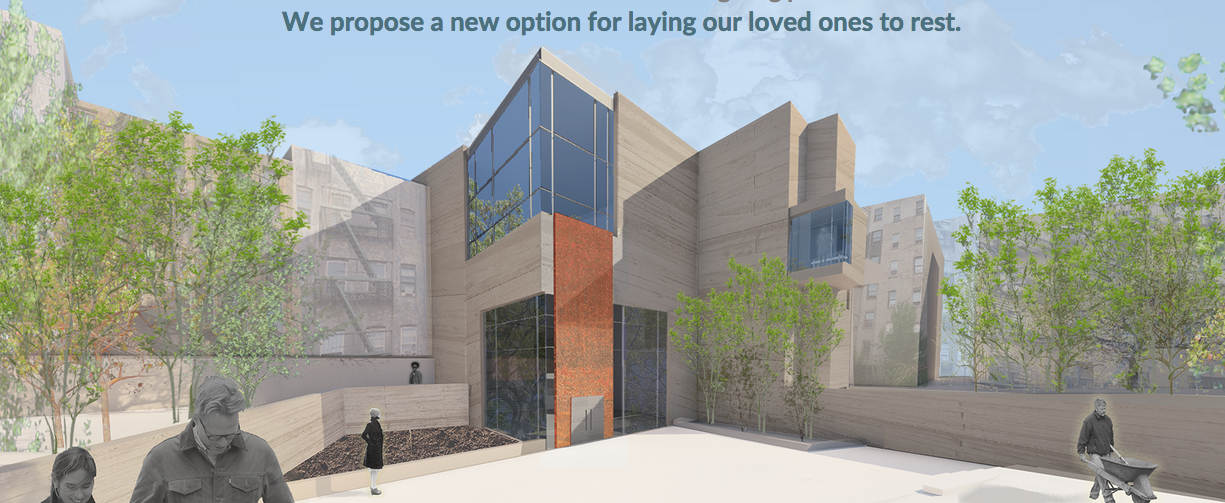
Along with these “basic”  burial rites, a variety of eco-funerals are now available to let your death be ever-green. Perhaps, the most novel, and really earth friendly way of disposing of human remains is being proposed by an organization called the Urban Death Project, in which a person’s body will be turned into natural compost to be used for fertilizing gardens and food crops.

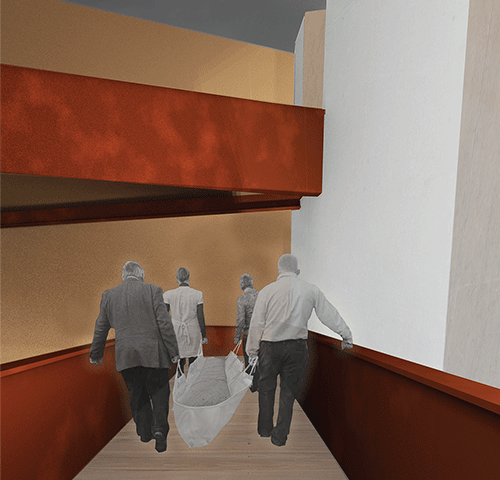
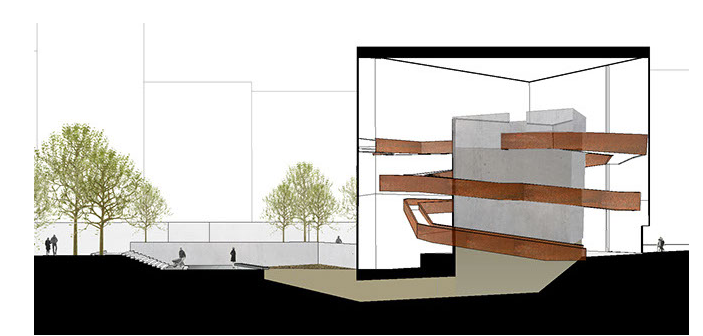
Headed by Seattle based Katrina Spade, who also heads an environmental NGO, the Echo Green Organization, the Urban Death Project involves “interning” human remains into a large three story “core”, within which bodies and high-carbon  materials are placed.

katrina-spade-urban-death-project we-carry-our-dead--trans-crop-u4607 urban-death-project-katrina-spade

Over the span of a few months, with the help of aerobic decomposition and microbial activity, the bodies decompose fully, leaving a rich compost that can be used to fertilize crops and gardens.

While many people may object to this method of burial, from a natural and green standpoint, the actual burial process is not that much different than the coffin-less burials practiced by the Muslim and Jewish religious groups.

The burial and composting facility will  have a section where a dignified religious funeral can take place, including interning the shroud wrapped body into a bed filled with wood shavings and other organic material.

This entire process excludes the need for using poisonous embalming fluids and non environmental friendly caskets.
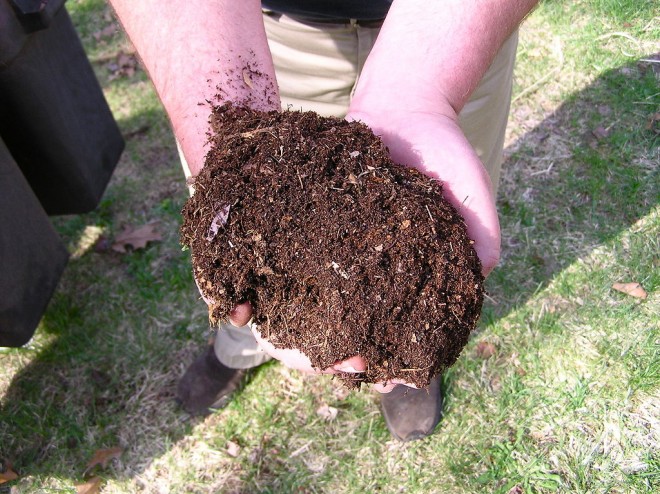
1024px-Compost-dirt

The Urban Death Project is being presented as a non-profit organization in which people will be asked to give donations towards a more ecological manner in which to bury human remains.

Regarding the creation of compost materials, human and animal waste products from raw sewage and farms is already being practised to create compost material.

An example of turning human “crap” into valuable compost is currently being done outside of Dubai. Taking this in mind, if human excrement can be turned into compost material, why not human remains themselves?

It’s simply taking the natural “composting process” one step further by finding a more green solution to the disposal of our mortal remains after death.

Maurice Picow
Maurice Picowhttps://www.greenprophet.com/
Maurice Picow grew up in Oklahoma City, U.S.A., where he received a B.S. Degree in Business Administration. Following graduation, Maurice embarked on a career as a real estate broker before making the decision to move to Israel. After arriving in Israel, he came involved in the insurance agency business and later in the moving and international relocation fields. Maurice became interested in writing news and commentary articles in the late 1990’s, and now writes feature articles for the The Jerusalem Post as well as being a regular contributor to Green Prophet. He has also written a non-fiction study on Islam, a two volume adventure novel, and is completing a romance novel about a forbidden love affair. Writing topics of particular interest for Green Prophet are those dealing with global warming and climate change, as well as clean technology - particularly electric cars.
1 COMMENT

Comments are closed.

TRENDING

Capsula Mundi burial pods grow live trees from dead people

As with other green burials such as Bios Urna (shrub pots pre-planted with soil, seeds, and human remains) and Poetree Burial Planter (human ashes in a biodegradable cork pot, planted with a boxwood sapling and ringed with the deceased’s inscription in ceramic), families and friends could visit the future flora, care for it and rest in its shade.

Vertical Cemeteries are a Modern Catacomb in Jerusalem

Jerusalem's new subterranean cemetery is providing a solution to the problem of where to bury people nowadays.

Capture your loved ones in custom glass planets?

An artist in northern California (need we add, "where...

10 ways to let your death be ever-green

Chaucer said, "Time and tide wait for no man."...

Agrolan agtech company goes to the worms

Those of you who grew up in countries blessed...

Should You Invest in the Private Market?

startustartup Unlike public stock exchanges, which offer daily trading, strict...

How to build a 100-year-company

Kongō Gumi is a Japanese construction company, purportedly founded in 578 A.D., making it the world's oldest documented company. What can we learn about building sustainable businesses from them?

From Pilot Plant to Global Stage: How Aduro Clean Technologies’ 2026 Expansion Signals a Turning Point for Chemical Recycling Investors Like Yazan Al Homsi

The company's Next Generation Process (NGP) Pilot Plant in London, Ontario, has officially moved into initial operating campaigns, generating the kind of structured, repeatable data that separates laboratory promise from commercial viability.

How AI Helps SaaS Companies Reduce Repetitive Customer Support Work

SaaS products are designed for large numbers of users with different levels of experience, and also in renewable energy.

Pulling Water from the Air

Faced with water shortage in Amman, Laurie digs up...

Turning Your Energy Consultancy into an LLC: 4 Legal Steps for Founders in Texas

If you are starting a renewable energy business in Texas, learn how to start an LLC by the books.

Tracking the Impacts of a Hydroelectric Dam Along the Tigris River

For the next two months, I'll be taking a break from my usual Green Prophet posts to report on a transnational environmental issue: the Ilısu Dam currently under construction in Turkey, and the ways it will transform life along the Tigris River.

6 Payment Processors With the Fastest Onboarding for SMBs

Get your SMB up and running fast with these 6 payment processors. Compare the quickest onboarding options to start accepting customer payments without delay.

Related Articles

Popular Categories