

5 ways to increase your self-branding as an eco-entrepeneur

personal-branding-sign

Being an eco-entrepreneur allows you an opportunity to wear many hats. This can be both a blessing and a curse. Being in complete control of your work life means taking it by the reins and really going for it. One important element of being self-employed is to make sure you are capitalizing on every branding opportunity.

There are ways to accomplish self-branding without overwhelming your audience or making them feel like they’re always being sold on something, even if you are pushing a green agenda. Sales is different than branding and should be approached separately as well.

When you brand yourself, it’s a way to educate an audience about who you are and what you’re about without the direct pressure of purchasing anything. Self-branding is a long-term goal and solution that will pay off with both business and personal rewards, if it’s done well. When it comes to self-branding: Learn it. Live it. Love it.

Tip #1: Make social media your best friend. Social media is essentially free promotion. Yes, different versions and ad campaigns cost money, but building up a social media network organically can help in terms of your long-term reach and impact on your target audience. Schedule a social media posting calendar and utilize tools such as Buffer or Hootsuite to schedule content to be posted on your channels throughout the whole day, every day.

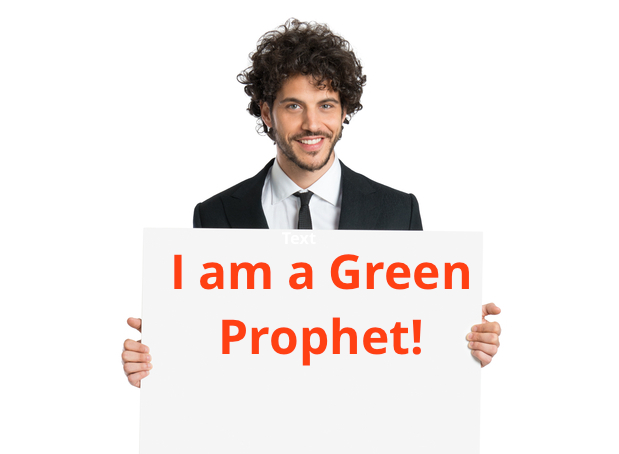
Tip #2: Create marketing materials. Arm yourself with the right tools to help potential clients or customer get in touch with you and learn more about your business. Have professional business cards with you at all times and take extras to any networking or conference events you attend. Think about designing simple brochures or marketing one-sheets (on recyclable paper!) to promote your services or products. You can also create your own sign for self-branding either to have when you’re asked to speak at an event, in your office space, or even on your car. These materials can be easily ordered through companies like eSigns.com which tailors to each person’s specifications and marketing needs.

Tip #3: Update your LinkedIn. This online business network has increased in popularity over the past few years and is an essential tool to increase your brand recognition. It not only connects you to people that you already know, but to anyone on LinkedIn that might be of value in your industry. Make sure your profile is updated with your most current work history and upload a professional headshot for your profile picture. Be active by commenting on peoples’ posts, sharing updates, and requesting to connect with others.

#4: Network. Attend as many relevant networking events you can and know your elevator pitch. Be ready for people to ask what you do and why you do it over and over again. Stand behind your service or product. When you deliver your message with confidence, people are more likely to buy into it than if you’re unsure of yourself. The more you network, the easier it becomes and you can create valuable business relationships for years to come.

#5: Send emails. Emails or e-newsletters are a good way to keep connected with people and let them know what current specials you’re offering. You can also share business tips, news, and events. Want to take it one step further? Invite a person in your field to lunch to discuss your different positions and how you might help each other. Or, host a workshop where you offer a preview of your services.

The life of an eco entrepreneur means being able to adapt to change and rise to the challenges set before you. Self-branding makes you step up and put your best foot forward.
Hot this week

How Renewable Energy is Revolutionizing the Way We Power Our World

Solar has become the star of the transition thanks to modular hardware and straightforward installation. It fits dense cities and remote towns alike. Many companies are turning to rooftop arrays and carport systems - and exploring commercial solar installation as a practical way to lock in future savings.

How does one start prepping?

Faced with an extreme winter storm this year, Americans wonder how to be prepared for catastrophe. Miriam has lived through wars in the Middle East - so she's prepared on giving you a guide to prepping.

Fishermen sue tire manufacturers on behalf of the salmon

A federal trial in San Francisco has brought US tire manufacturers, fishing groups, and environmental scientists into court over a chemical most drivers have never heard of — but which scientists say may be silently reshaping aquatic ecosystems.

Listening to Water: Tarek Atoui’s Next Work for Tate Modern

Born in Beirut, Lebanon in 1980 and now living in Paris, Atoui has spent years building instruments that don’t sit comfortably in concert halls. Many of them involve water, glass, and ceramics — materials that react to sound instead of simply producing it.

Leading Through a Dual-Energy Transition: Balancing Decarbonisation with Energy Security

Experience in one area of the energy industry isn't enough to guarantee readiness across all the others. That's where a structured program like an MBA in energy can come in. Today's advanced curricula explore energy economics, finance, policy, and strategic management alongside the technical subjects. And when pursuing an energy MBA online, professionals can skill up and retrain without having to step out of the labor market -- an important perk at a time when skilled professionals are already in short supply.

Topics

How Renewable Energy is Revolutionizing the Way We Power Our World

Solar has become the star of the transition thanks to modular hardware and straightforward installation. It fits dense cities and remote towns alike. Many companies are turning to rooftop arrays and carport systems - and exploring commercial solar installation as a practical way to lock in future savings.

How does one start prepping?

Faced with an extreme winter storm this year, Americans wonder how to be prepared for catastrophe. Miriam has lived through wars in the Middle East - so she's prepared on giving you a guide to prepping.

Fishermen sue tire manufacturers on behalf of the salmon

A federal trial in San Francisco has brought US tire manufacturers, fishing groups, and environmental scientists into court over a chemical most drivers have never heard of — but which scientists say may be silently reshaping aquatic ecosystems.

Listening to Water: Tarek Atoui’s Next Work for Tate Modern

Born in Beirut, Lebanon in 1980 and now living in Paris, Atoui has spent years building instruments that don’t sit comfortably in concert halls. Many of them involve water, glass, and ceramics — materials that react to sound instead of simply producing it.

Leading Through a Dual-Energy Transition: Balancing Decarbonisation with Energy Security

Experience in one area of the energy industry isn't enough to guarantee readiness across all the others. That's where a structured program like an MBA in energy can come in. Today's advanced curricula explore energy economics, finance, policy, and strategic management alongside the technical subjects. And when pursuing an energy MBA online, professionals can skill up and retrain without having to step out of the labor market -- an important perk at a time when skilled professionals are already in short supply.

From Green Energy to Healthy Societies: Why old systems thinking is becoming relevant again

Across the Middle East and North Africa, large investments are being made in green hydrogen, renewable energy, water infrastructure and sustainability. Most of these efforts are discussed in the context of climate change, decarbonization and economic diversification. That framing is important, but it may not capture their full value.

We saw peace – an interreligious encounter deep in our eyes

They came from Israel, Palestine, Jordan, Iraq, Yemen, Morocco, Tunisia, Lebanon, Egypt… There are Sunni Muslims, Shiite Muslims, Jews (Orthodox and Reform), Orthodox Christians, Coptic Christians, Protestant Christians, Druze, Baha'is, a Scientologist.

Can biochar reduce ‘Forever Chemicals’ in food if it’s used in farms?

Biochar is produced by heating organic material in a low-oxygen environment so it does not burn. This process, known as pyrolysis, transforms plant matter into a stable, carbon-rich material.

Related Articles

Popular Categories