

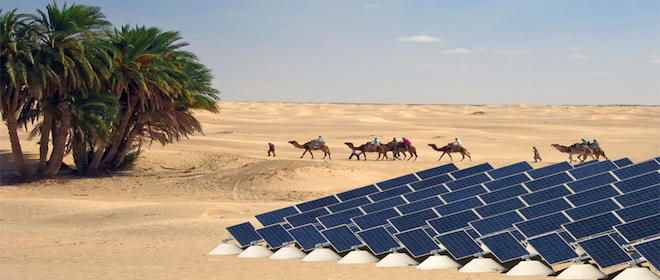
If you have been looking for ways to cut down on your energy spending while contributing to salvaging the environment, the government has offered you an opportunity with its Feed-In tariffs (FIT) scheme.
Subscribers of this scheme can be paid for the electricity they generate and the surplus that gets exported back to the National Grid.
The Feed-In Tariffs scheme is administered in countries like the UK by Ofgem as a means of speeding up investments in renewable energy across the UK. FITs payments however are made by your electricity supplier. Before we see the benefits of the FITs scheme, here is a look at why you should embrace renewable energy.
Advantages of renewable energy
No global warming emissions
It is common knowledge that electricity production accounts for a huge chunk of global warming emissions around the world. Natural gas-fired power plants, coal-fired power plants etc. are beneficial to end users but the effects are long lasting on the ecosystem.
Using renewable energy sources means you are contributing your quota to ensure a reduction in these global warming emissions.
Improved environmental quality and public health
The generation of electricity from renewable energy instead of fossil fuels brings some significant public health benefits. This is because breathing problems, neurological damage, heart attacks, cancer etc. have been linked to air and water pollution emitted by coal and natural gas plants. Replacing fossil fuels with renewable energy has been found to reduce premature mortality as well as lost work days. It equally reduces the overall cost of health care.
Inexhaustible energy supply
All around the UK, sunny skies, strong winds, under-soil heat and fast-moving water abound. These can provide a constantly replenished source of energy. The technical potential of these sources of renewable energy is such that you don’t have to worry about depletion as it can serve the entire nation comfortably.
Stable pricing
Renewable energy is gaining popularity across the nation now due to the stable prices. The costs of renewable energy have also continued to decline steadily and have been projected to drop even further. A look at the price of Solar Panels between 2010 and today buttresses this point. The stable pricing is also as a result of the fact that the cost of running and maintaining a renewable energy system is typically lower than what it costs to maintain fossil fuel energy. Most renewable energy equipment does not need changing for a decade or more.
More reliable
Barring localised equipment damage, wind and solar energy systems are far-less prone to large-scale failure since they are distributed. As distributed systems, they are spread out across a wide geographical area and thus severe weather in one location does not affect energy supply in an entire region.
Why subscribe to the FIT scheme?
You can reduce your electricity bills
By subscribing to the FIT scheme, you will be able to generate your own clean and sustainable electricity. This should be enough to take care of your lighting needs and also power a good majority of your home appliances meaning you will purchase less electricity from your supplier. This is bound to reduce the electricity bill most of the time.
You can earn money for exporting electricity
Surplus electricity that you can generate but don’t need can be exported back to the national grid. If your eligibility is proven, you can earn 4.77p/kWh for electricity you export back to your supplier.
Interestingly, the generation and export tariff rates offered index-linked. This means that they can increase and decrease in line with the inflation numbers. The tariff rates are adjusted every year by the percentage increase or decrease in the RPI over a 12 month period culminating on 31st December of the former year.
What should you expect with Feed-In Tariffs?
The money you can earn via the Feed-In Tariffs scheme is dependent on the kind of renewable energy technology you install. However, on average a 4kWp Solar PV System that was registered before the 1st of April 2014 can generate an income of £874 in one year with the Feed-in Tariff scheme and also save the owner £250 on the annual electricity bill.
In summary, the Feed-In tariff scheme offers a three-pronged advantage that cannot be turned down. You get to contribute to saving the environment, save money on your existing bills and bring in income by exporting excess energy back to the authorities



How do we sign up for this? Do we go to the electric company and fill out a form? Is this only for the Businesses or are the people of Egypt entitled to start saving and earning?
Extremely interesting and useful.
Dr.A.Jagadeesh Nellore(AP),India