

“Middle Eastern food” is a catch-phrase that embraces the cuisines of so many countries, and ethnic streams inside those countries, that a list of 60 essential ingredients can’t cover everything. But if you love the flavors of the Middle East…be it cumin-scented, crunchy falafel or the fragrance of rose-water in pastries like ma’amoul, it’s worth organizing space in your kitchen for the ingredients listed below.
You probably already have many of the suggested items in this post. We have also posted recipes for some exotic things, like pomegranate molasses, that you can make yourself. Some items, like sheep’s tail fat, are available only in Middle Eastern butcher shops and supermarkets. Olive oil or smen (clarified butter) are fine substitutes for sheep’s tail fat.
In most cases, you can omit or substitute ingredients. Some are unique, though, like the unmistakable taste of saffron (the world’s most expensive aphrodisiac). Much as we appreciate turmeric and indeed often cook with it, it will never smell or taste the same as saffron. For the cook experienced with Middle Eastern fare, this post may look like a shopping list, useful for reminding which items to replace. For those eager to learn more about cooking Middle Easter delicacies at home, it’s a good start.
 Dry Spices
To bring out spices’ best flavors, buy them whole, in small quantities, and grind them yourself. A traditional mortar and pestle takes little space in the kitchen and does the job quickly.
- Allspice berries
- Anise seeds
- Bay leaves
- Black pepper
- Cardamom, both ground and whole seeds
- Chilies, dried
- Cinnamon, both ground and in sticks
- Cloves, both ground and whole
- Coriander seed, both ground and whole (for grinding fresh)
- Cumin
- Fennel seeds
- Fenugreek seeds
- Ginger, ground, or fresh root in season (can be frozen)
- Mint, dried
- Nigella seeds (black cumin)
- Nutmeg
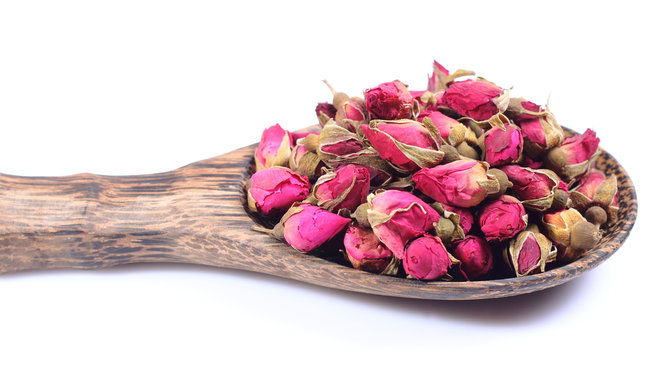
- Rose petals, dried
- Saffron
- Sesame seeds
- Sumac, whole berries or powdered (Rhus syriaca)
- Turmeric, ground or fresh root in season (can be frozen)
- Za’atar leaves, dried
 Fresh Herbs In Season
Place your leafy green herbs in a jar of water where they can get some indirect light, and they will keep for at least a week. Some, like mint and basil, might actually grow roots. Those, you can transplant to dirt and put outside to snip bits off whenever you need some.
- Basil
- Chives
- Coriander leaves (cilantro)
- Fenugreek
- Garlic
- Ginger root (may be frozen, whole)
- Hot peppers of all sizes and varieties and degrees of heat
- Mint
- Onions
- Parsley
- Rosemary
- Scallions
- Thyme and lemon thyme
- Turmeric root (may be frozen, whole)
- Za’atar
 Varied Seasonings
If you’re not familiar with an ingredient – say, dried limes – buy only a little at first, then find a recipe using it. Once you’re comfortable with the ingredient, decide if you want to invest in a little more.
- Anba, pickled mango relish (to dribble on falafel, shwarma and grilled anything)
- Date honey (silan) – try our sweet potatoes roasted in date honey, here.
- Honey, local
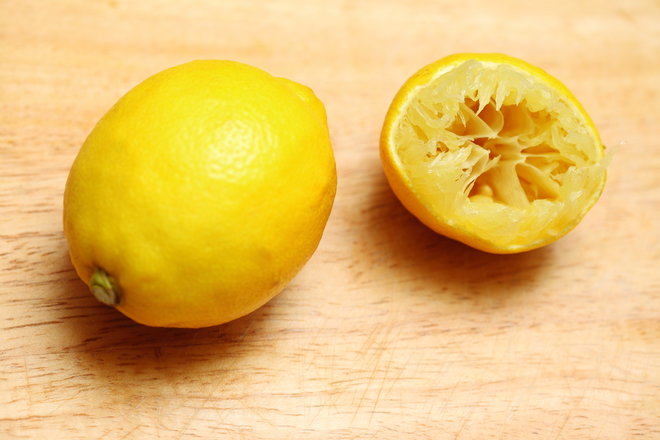
- Lemon juice
- Lemons and limes, dried
- Orange-blossom water
- Pomegranate molasses
- Rosewater
- Tahini paste to dilute and season
- Tamarind paste or syrup
Fats
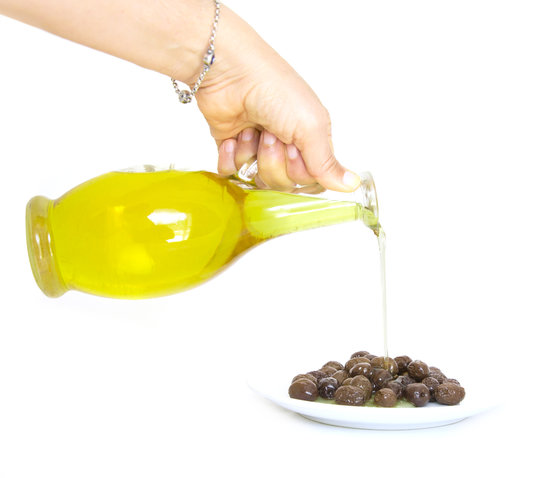
- Olive oil
- Smen (clarified butter, recipe here)
- Sheep’s tail fat
 Sheer Necessities
Some items listed below, like walnuts and raisins, are not exclusively Middle Eastern, but are there because every Middle Eastern cook has some on hand, all the time.
- Almonds, whole or blanched
- Arak
- Beans, navy and fava (broad beans), dried or canned
- Burgul (cracked wheat), medium ground
- Chickpeas, dried or canned
- Couscous, instant
- Dates
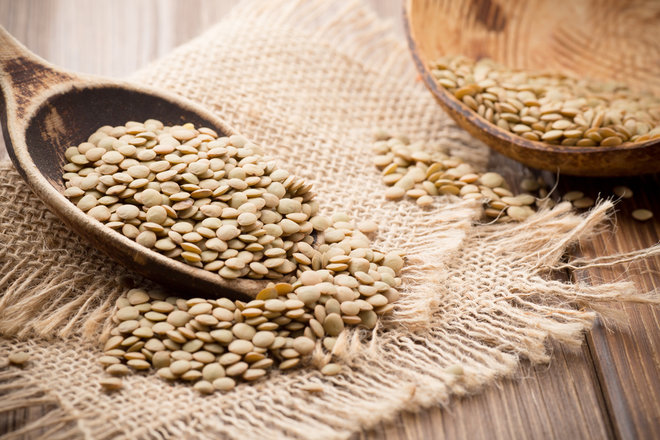
- Lentils (see our delicious majadra, lentil and rice recipe here)
- Pine nuts
- Raisins, black and golden
- Rice, long-grained Persian or Basmati varieties
- Semolina
- Walnuts

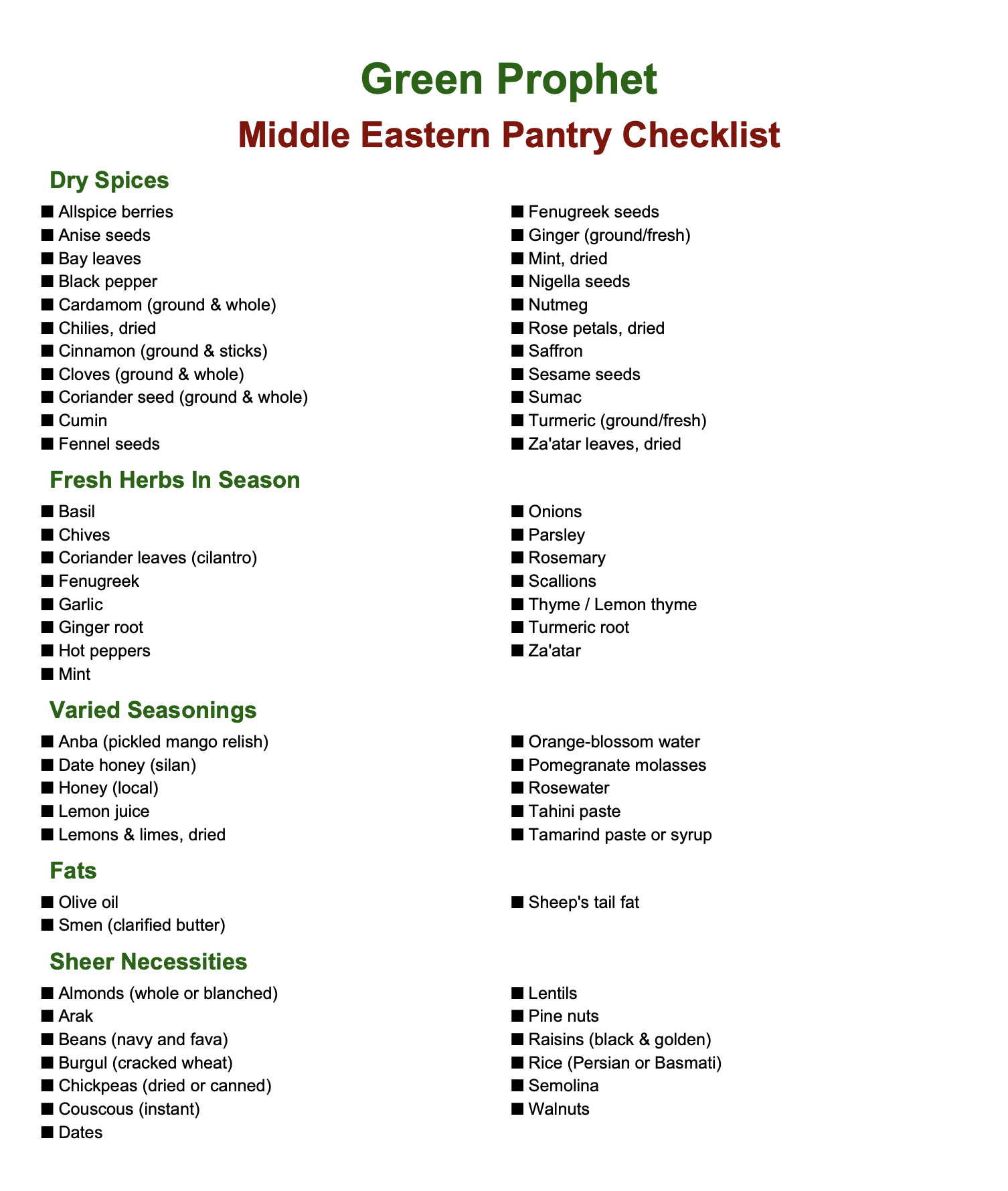
Middle Eastern Pantry Checklist
Dry Spices
Allspice berries
Anise seeds
Bay leaves
Black pepper
Cardamom (ground and whole seeds)
Chilies, dried
Cinnamon (ground and sticks)
Cloves (ground and whole)
Coriander seed (ground and whole)
Cumin
Fennel seeds
Fenugreek seeds
Ginger (ground or fresh root)
Mint, dried
Nigella seeds
Nutmeg
Rose petals, dried
Saffron
Sesame seeds
Sumac
Turmeric (ground or fresh root)
Za’atar leaves, dried
Fresh Herbs In Season
Basil
Chives
Coriander leaves (cilantro)
Fenugreek
Garlic
Ginger root
Hot peppers (varieties)
Mint
Onions
Parsley
Rosemary
Scallions
Thyme / Lemon thyme
Turmeric root
Za’atar
Varied Seasonings
Anba (pickled mango relish)
Date honey (silan)
Honey (local)
Lemon juice
Lemons and limes, dried
Orange-blossom water
Pomegranate molasses
Rosewater
Tahini paste
Tamarind paste or syrup
Fats
Olive oil
Smen (clarified butter)
Sheep’s tail fat
Sheer Necessities
Almonds (whole or blanched)
Arak
Beans (navy and fava)
Burgul (cracked wheat)
Chickpeas (dried or canned)
Couscous (instant)
Dates
Lentils
Pine nuts
Raisins (black and golden)
Rice (Persian or Basmati)
Semolina
Walnuts