

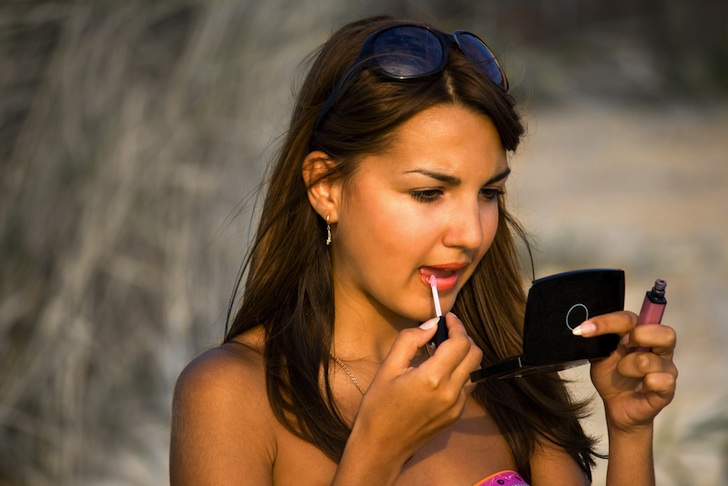
 Beauty ads make a plethora of cosmetics virtually irresistible: this lipstick will accentuate your luscious lips and this moisturizer will keep you eternally young and attractive, but there are all kinds of hidden dangers associated with these cosmetics that are very poorly understood – particularly in the Middle East and North Africa region, where regulations are slightly less robust than elsewhere.
The David Suzuki foundation has published a list of the “dirty dozen” chemicals present in cosmetics that are known carcinogens or hormone disruptors, pesticides or reproductive toxins. We’ve adapted our list from there in order to spread the all-important message that women especially need to read labels to ensure that the products they use contain no invisible dangers. Or use sustainable cosmetics made by people like this Bedouin woman in Israel.
1. BHA and BHT
Typically used as a preservative in lipstick and moisturizer, and BHT(butylated hydroxytoluene) is toxic to mice and rats when they are exposed to large doses for extended periods of time. It has been proven to cause liver, thyroid, and kidney problems, and to prevent proper blood coagulation. BHA (butylated hydroxyanisole) is toxic to aquatic organisms, according to the Convention for the Protection of the Marine Environment of the Northeast Atlantic.
2. Coal tar dyes: p-phenylenediamine and colors listed as “CI” in front of a five digit number
“Coal tar-derived colours are used extensively in cosmetics, generally identified by a five-digit Colour Index (C.I.) number,” according to the David Suzuki Foundation. These products are typically derived from petroleum and have the potential to cause cancer. They may also be toxic to the brain since they often contain aluminum compounds and other heavy metals.
3. DEA and related products
DEA (diethanolamine) and similar products are responsible for the creamy consistency of certain facial cleansers, soaps and shampoos, but research reveals that we pay a steep price for that luxurious soapy feeling since “high doses can cause liver cancers and precancerous changes in skin and thyroid,” the David Suzuki Foundation reports. And if that doesn’t freak you out, maybe this will: DEA is used in oil refineries to remove hydrogen sulphide from process gas emissions.
4. Dibutyl phthalate
Dibutyl phthalate or DBP is usually used to keep nail polish fluid and in some fragrances. The same stuff that makes polyvinyl chloride plastic (PVC) so malleable, DBP, an endocrine disruptor according to the European Union, is absorbed through the skin and is known to “cause developmental defects, changes in the testes and prostate, and reduced sperm counts.” It is also profoundly toxic to aquamarine organisms.
5. Formaldehyde-releasing preservatives
It’s hard to believe that our sweet-smelling cosmetics could contain something as toxic to humans as formaldehyde, but they frequently do. DMDM hydantoin, diazolidinyl urea, imidazolidinyl urea, methenamine, quaternium-15, and sodium hydroxymethylglycinate are all used as preservatives in various cosmetics and all slowly release formaldehyde – an indisputable human carcinogen. Most of the danger comes with inadvertently inhaling off-gases.
6. Parabens
Up to 90 percent of all cosmetics contain a small amount of parabens, but manufacturers are not required to disclose the presence of fragrance since that is considered to be proprietary information. Which means most people are using a known hormone disruptor that is easily absorbed by skin without realizing it. “The European Commission on Endocrine Disruption has listed parabens as Category 1 priority substances, based on evidence that they interfere with hormone function,” the David Suzuki Foundation reports. They also mimic estrogen and have been found in breast cancer tissue and may also contribute to reproductive problems in males.
7. Parfum / Fragrance
If you are like so many women in the Middle East who use far too much parfum, this detail might interest you. Parfum or fragrance is comprised of over 3,000 chemicals that combined can be toxic to human brains. That sweet or musky is actually designed to trick our brain by masking foul odors. Also used in laundry detergents, fragrance can cause allergic reactions, exacerbate and sometimes even cause asthma in children. Luckily there are plenty of non-toxic essences present in nature so it really isn’t necessary to expose yourself or your children to these poisons.
8. Cancer-causing PEG compounds
Petroleum-based PEGs (polyethylene glycols) are used as solvents, thickeners, softeners and moisture carriers and may cause cancer. “The International Agency for Research on Cancer classifies ethylene oxide as a known human carcinogen and 1,4-dioxane as a possible human carcinogen,” and both of these compounds are often found in PEGs – though this depends on how the product is made. Moreover, these products degrade slowly and are therefore toxic to the environment.
9. Petrolatum
If you haven’t already thrown away every bottle of moisturizer and hand cleaner in your bathroom cabinet, read on, because there are an additional four chemicals that you ought to keep away from your skin, or in this case, your hair. Often used to create that perfect shiny hair depicted on glossy magazines, petrolatum is a petroleum-based product also found in some lip balms. Often contaminated with polycyclic aromatic hydrocarbons, it too is a known human carcinogen when used over an extended period.
10. Siloxanes
The David Suzuki Foundation recommends that all consumers watch out for ingredients that end in the words “-siloxane” or “-methicone,” which are used to “smooth, soften or moisten” skin. Probably both an endocrine disruptor and reproductive toxicant, siloxanes are also harmful to fish and wildlife when released into water and soil.
11. Sodium laureth sulfate
If it ends in “eth,” it probably isn’t good for you. Used to make cleansers foamy, sodium laureth sulfate containing 1,4-dioxane may cause cancer. Others containing ethylene oxide is also worthy of attention since “Ethylene oxide can also harm the nervous system iiand the California Environmental Protection Agency has classified it as a possible developmental toxicant based on evidence that it may interfere with human development,” according to the David Suzuki Foundation. Ditch the foamy stuff and opt for herbal soaps that left the “eth” behind.
12. Triclosan
What is perhaps so disturbing about this list is the sheer ubiquity of toxic chemicals in all of our daily products, even in our toothpaste and – most sinister of all – antibacterial soaps billed as being “good” for keeping germs away. Used as an antibacterial agent in a variety of products, Triclosan may actually create antibiotic resistance. It is also a possible endocrine disruptor that is absorbed into the skin. “U.S. Centers for Disease Control and Prevention scientists detected triclosan in the urine of nearly 75 per cent of those tested (2,517 people ages six years and older),” according to the David Suzuki Foundation. Try tea tree oil and other natural bacterial and fungus agents instead or consult your doctor.
Visit the David Suzuki Foundation for a more exhaustive summary of the dangers present in all of these chemicals.
Image of brunette woman applying makeup, Shutterstock




People respond to advertising for products that make them sick, which makes both manufacturers and hospitals rich.
I wonder sometimes why the government hasnt banned all these deadly chemicals yet? Oh ya, because they’re all in cahoots together.