

 It seems silly to perpetuate apocalyptic hype that NASA debunked eons ago, but as 2013 approaches, we are sensitive to a shift in global consciousness – something that spiritual leaders have long advocated as the necessary means to our survival. As the conversation about climate change and other environmental issues gains traction, it’s a good time for concerned citizens to get serious about taking meaningful action. Here are seven of the most pressing issues facing the Middle East in 2013 and organizations that are working to resolve them.
1. Global Warming and Climate Change
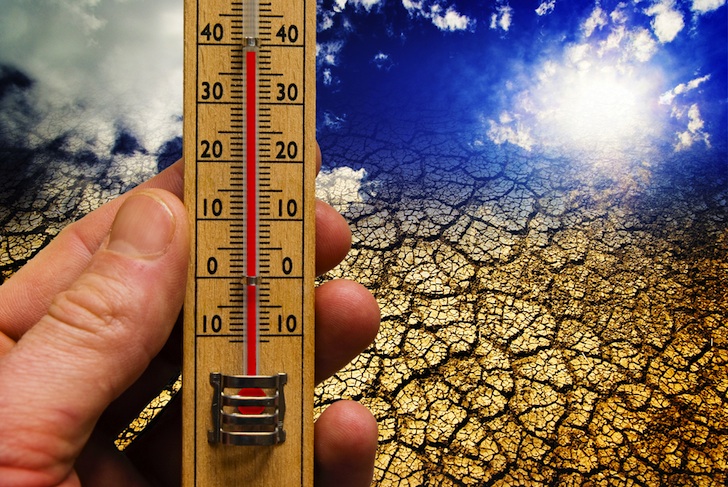
Five years ago, it was virtually impossible to get any major newspaper to cover the subject of global warming and its effect on the earth’s climate. Compared to murderers and thieving bankers, it’s not a sexy, headline grabbing subject, but it does seem to have attracted the globe’s attention recently. The discourse began to change course after Hurricane Katrina and then more prominently after Hurricane Sandy – even though many scientists are reluctant to draw direct correlations between global warming and hurricane events. Even though it’s likely that we have already passed the point of no return on track as we are to four degrees warming, it is important to go down with a fight. Join organizations like 350.org to let your leaders know that you and your community supports caps on carbon and renewable energy generation.
2. Water Scarcity
Global warming is the grandaddy of so many other ills that we haven’t even begun to understand. Yet water scarcity threatens more people in the Middle East than any other issue because let’s face it: without water, we die. Abu Dhabi, Jordan and Saudi Arabia are perilously close to depleting their groundwater supplies, which aren’t easily replenished given the lack of rain in the region, and Yemen fares even worse. Because of this it is essential that we preserve the water that we do have. Friends of the Earth Middle East has been working on trans-boundary water issues in the Levant for some time, and Environment Agency Abu Dhabi is the leading proponent of water conservation in the United Arab Emirates. If you’re in the Gulf region in mid January, visit us at the International Water Summit, which is part of Abu Dhabi Sustainability Week hosted by Masdar.
 3. The Sixth Extinction
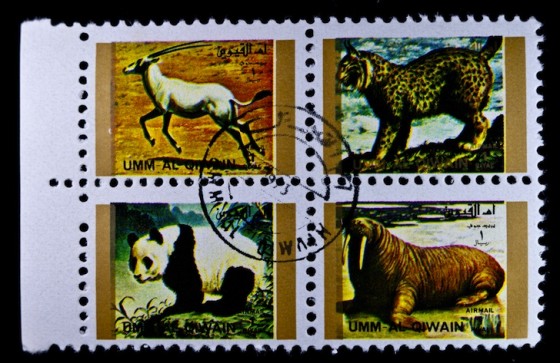
Edward O. Wilson warned in 1993 that we were losing 30,000 of the earth’s animal and plant species every year. That was then! Some of those losses are documented by the International Union for the Conservation of Nature (IUCN) but a great majority are not, which means we don’t really know the full extent of our loss at present. Caused by man through habitat destruction, poaching, pollution and climate change, the sixth major extinction poses grave danger to ecosystems across the globe. Since all life is interconnected, each step on the food chain relies on the successful operation of the pre and proceeding links. The World Wildlife Fund, IUCN, Shark Quest Arabia, Nature Conservation Egypt (NCE), HEPCA and the Society for the Protection of Nature (SPNI) in the Middle East region are just a few worthy organizations striving to protect the voiceless.
4. Agriculture
Each issue seems to lead into to the next. It’s a bit difficult to grow food without water, which means that the Middle East is in big trouble. The UN’s Food and Agriculture Organization released a report earlier this month advising increased investment in small farmers, who are responsible for the bulk of food in developing countries. Meanwhile, there are a host of groups and individuals who are taking different approaches to agriculture. We’ve seen a growing interest in small urban gardens throughout the MENA region – be it on rooftops or in Cairo slums – in addition to alternative technological developments such as the Sahara Forest project in Qatar, which just raised their first crops using seawater. Land grabs are not a sustainable option, though they are certainly on the rise.
5. The Rise of Superbugs
Rising temperatures have led to a bevy of unexpected consequences, including the rise of pests and other “superbugs.” Warmer temperatures are more favorable for certain pests, which are also becoming resistant to the antibiotics we have developed to wipe them out. For example, Lebanon’s iconic cedar forests are vulnerable to Cephalcia tannourinensis that proliferate in warm temperatures and eventually kill their hosts. The Association for Forests, Development and Conservation (AFDC) and Lebanon’s Ministries of Agriculture and Environment are working to restore Lebanon’s forest cover, but we have a long way to go to protecting our resources and ourselves against this somewhat silent problem.
 6. Pollution
Our rivers and oceans, our parks, our gardens, our streets, our skies and even space is awash in litter. It’s truly unfathomable how much waste we have and continue to generate. The World Bank warned earlier this year that heaping piles of urban trash may be costlier and more complicated to address than climate change! This is one of the problems that individuals can directly influence by changing their personal habits. Ditch the plastic, carry reusable totes and reusable water bottles, recycle, and compost food waste. And if these facilities are not available in your communities, press your local representatives to do something about it.
7. Population
Albeit one of the biggest challenges we face, population is one of the least talked-about eco issues. Last year we surpassed seven billion people on the planet competing for compromised resources. Right now we do have the capacity to feed everybody, though political and systemic problems prevent equal distribution of food and water, but by 2050, there may be as many as 11 billion people on the planet and that is not sustainable. The trouble is, nobody wants to talk about population. Nobody wants to tell anybody they should make fewer babies and we definitely don’t want to adopt draconian measures such as China’s one child policy. We do know however that women who are educated are far less likely to pop out more than just two or three children, so the least we can do is empower those in developing countries. Egypt’s Kenana NGO For Women And Youth Development is among several organizations that have signed onto the Women’s Rio+20 petition urging the U.N. to link women’s health and equality to sustainable development efforts. That’s a good start.
As serious as these discussions are, one of the best things any of us can do for the future of our planet is to get out and enjoy it. Go hiking, ride a bike. Take a walk with family and let the dog run wild. Climb mountains, swim in lakes and raft down rivers. Challenge yourself to learn about the plants that we have so foolishly taken for granted and if you see one, hug a tree damnit. Happy 2013 from all of us at Green Prophet.
Image of thermometer in dry conditions, UAE animal stamp, and pollution with skull and crossbones via Shutterstock

If the people understood their pollution is threatening ecocide and extinction they would demand safe recycling of 100% of their human-generated waste materials and family planning education to reduce their overpopulation. But they’re addicted to the power of money and economic growth, so they just wait for government bureacracy to solve the problem while those agencies just go along with the flow of economic growth, like almost everyone else. But planet Earth is slowly shrinking with each volcano, earthquake and ton of minerals dug and pumped up out of the ground, so the growing economy has no future. Yet, our technology can help us to live in peace and balance for several thousand years.
That’s really a matter of audience JTR… trust me, if I had 10 minutes with a handful of government representatives from MENA countries, they’d have a lot to answer for.
You keep asking the mass of citizens to do what is obviously necessary to save the biosphere, but not the various national and local institutions that have control over the daily functioning of public facilities like garbage collection and family planning education. So, they all go right on dumping and overpopulating, which makes ecocide and extinction inevitable.