

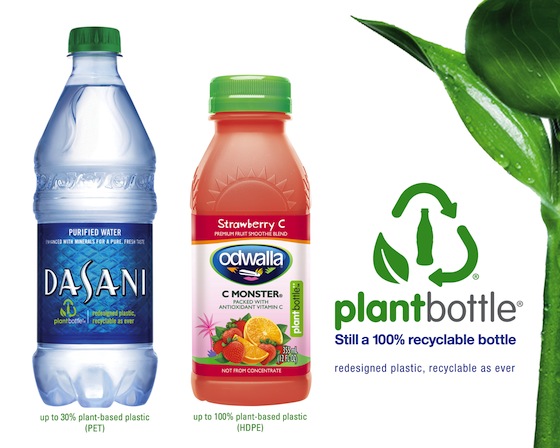
 Daniella Dimitrova Russo from the Plastic Pollution Coalition warns that bioplastics will not solve plastic pollution.
Plastic pollution is one of the major issues facing our planet today. Plastic bags festoon trees in Ras Al Khaimah in the United Arab Emirates, and along the streets of New York, USA. Plastic washes up on the beaches of American Samoa, Hawaii and the Galapagos Islands. Disposable plastic items like lighters, bottle caps, and straws are found in the stomachs of albatrosses from the Midway atoll, and in the bodies of animals around the world. Plastic particles float in the five oceanic gyres. Simply put, plastic pollution is all around us.
There is a seemingly endless supply of cheap, lightweight plastic products that we are being convinced we cannot live without. To make us feel better, we are now told these items can be made of “bioplastic,” a marvelous new material with magical properties. What is the truth about bioplastics? Bioplastics are plastics made from plants. But bioplastics may or may not be biodegradable, may or may not be toxic. Bioplastics are not a panacea to the plastic pollution problem; in fact, they create a whole new set of problems. Bioplastics are surrounded by myth and wrong expectations.
Myth 1: Bioplastics are organic, and thus good for the planet
Plastic is the result of a complex process called polymerization. The building blocks for this process are atoms of carbon and hydrogen, which can be found readily in nature. Polymerization creates bonds that are strong, yet flexible—hence, plastic is flexible and indestructible. Polymer bonds can be created from oil, gas or plant materials. The use of plant materials does not imply that the resulting polymer will be organic or more environmentally friendly. You could make non-biodegradable and toxic plastic out of organic corn!
Myth 2: Bioplastics are biodegradable It is true that bioplastics are made from natural materials, but the process by which they are turned into plastic makes it difficult (if not impossible) for the materials to naturally break down. There are no independent standards for what even constitutes “biodegradable plastic.” Bioplastics do not universally biodegrade in normal conditions. There are many different types of bioplastics, and some of them require special, rare conditions to decompose, such as high heat composting facilities. Others may simply take decades or longer to break down again, mitigating the supposed benefits of using so-called compostable plastics material.
Myth 3: Bioplastics are recyclable
Some bioplastics are recyclable, but like the issues with bioplastic composting, the process of recycling bioplastics is cumbersome and expensive. Bioplastics present a real problem for recyclers because they cannot be handled using conventional processes. Special equipment and facilities are needed in many cases. Moreover, if bioplastics commingle with traditional plastics, they contaminate all of the other plastics, which forces waste management companies to reject batches of otherwise recyclable materials.
Myth 4: Bioplastics are non-toxicThe same toxic plasticizing chemicals that are added to conventional plastics—Bisphenol A (BPA) and endocrine disruptors such as phthalates—are also added to bioplastics. These toxic chemicals have been linked to numerous health problems, from cancers to diabetes and obesity. If properly designed, biodegradable plastics have the potential to become a much-preferred alternative to conventional plastics. At a minimum, these bioplastics must be:
- Derived from non-food, non-GMO source materials
- Truly compostable and biodegradable
- Free of toxic chemicals during the manufacturing and recycling process
- Manufactured in a sustainable way (water, land and chemical use are considerations)
- Recyclable in a cradle-to-cradle cycle
Still, even with the advent of a new generation of bioplastics, manufacturing single-use disposable objects such as plastic bottles and plastic bags will ultimately not be a sustainable solution. With almost 7 billion people in the planet, a throwaway culture addicted to disposable plastics is likely to continue harming our environment, whether these are made out of oil or plants.
We must change our uses of plastic, just as we must change the material itself.
This Op Ed was contributed to Green Prophet by Daniella Dimitrova Russo, Co-founder and Executive Director, Plastic Pollution Coalition.
image via European Bioplastics
More on Plastic Pollution in the Middle East:
Half of UAE’s Falaj Mualla Camels Choked on Plastic
Inspired by Oman Caves, Take Green Prophet’s Plastic Challenge
The UAE’s Plastic Bag Story Isn’t Eco-Happy Yet



Now, plastic pollution become major issue in the UAE and globally.
Consumption of disposable plastics-bags, bottles, straws and so forth-has spiraled out of control. These items are used for seconds, hours or days, but their remains last forever.
In addition, plastic creates toxic pollution at every stage of its existence: manufacture, use and disposal. Plastic is material that the Earth cannot digest. Every bit of plastic that has ever been created still exists, including the small amount that has been incinerated and has become toxin particulate matter.
We can adapt to change, but keeping in mind plastic pollution to be minimize avoid more damage to ourselves and the environment.
The Green Sheikh
Thank you so much for your comments, and for the work that you do to make our planet a better place. Plastic really is one of the worst things we ever created. I sincerely hope we can find a way to get rid of it. – Tafline