
Yemeni Communities Working Together To Save Water

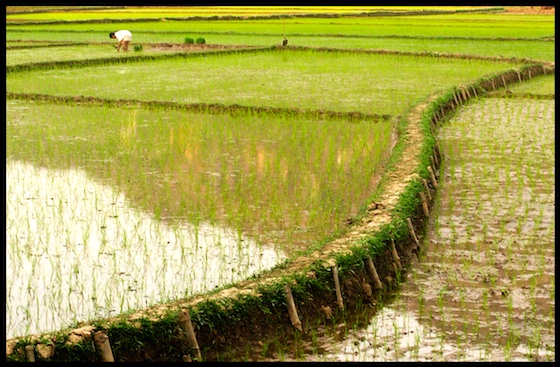
Yemen may be water poor but the country has a rich heritage of managing scare water resources effectively through community co-operation

The arid and water scarce environment of Yemen makes life very difficult for the average Yemeni. Malnutrition and poverty are real problems which are only exacerbated by a widespread addiction to the narcotic, qat, which requires a lot of water to grow. Sana’a, the capital city of the country has even been tipped to be the first waterless capital in the world. However, not all hope is lost. A new series of videos released at The Water Channel highlight the fact that although many Yemeni communities struggle due to water scarcity, these communities are also resilient and have centuries of experiences conserving water.

The former Yemeni minister for water and the environment, Abdulrahman F. Al-Eryani explains that Yemen has a long history of water scarcity and so have they been forced to work on its sustainable management for many years. “Without sustainable management, Yemenis would not have survived the climate and geography of Yemen,” he adds. However, a growth in the population has meant a rise in the number of drilled wells, which has put real pressure on the groundwater supplies

A recent study by the Water and Environmental centre in Yemen found that the use of groundwater for agriculture shot up from 37,000 ha in 1970 to 400,000 ha in 2005. Another more encouraging find was that many farmers are already working together to regulate groundwater use. A

cross Yemen, there are various water users associations and co-operatives which monitor the use of water and restrict well drilling to help groundwater resources recharge.

In places such as Kharabat, the Al-Sinah valley in Taiz, as well as the Qarada valley, local people are working together to manage their limited water supplies more effectively and also avoid water conflict (which often breaks out into violence) in Yemen. In some instances, the informal networks have been so successful at conserving water effectively that there is a strong case to build them into the formal policy processes.

As Al-Eryani states, “A combination of new, adaptive laws and regulations that build on ancient traditions, that have proven to be successful for thousands of years, is the solution for Yemen.”

To see the short videos looking at these communities and others go to the The Water Channel. MeteMeta have worked with Levert Communications & Culture, Water and Environment, Yemen to produce the video series which are available in English and Arabic.

For more on water issues in Yemen see:

Yemen May Be First Country To Run Out Of Water

Yemen’s Water Crisis Could Worsen Security

Yemen’s Economic and Environmental Problems Linked To Chewing Gat (Qat)
Arwa Aburawa
Arwa Aburawahttp://www.greenprophet.com
Arwa is a Muslim freelance writer who is interested in everything climate change related and how Islam can inspire more people to care for their planet and take active steps to save it while we can. She is endlessly suspicious of all politicians and their ceaseless meetings, especially as they make normal people believe that they are not part of the solution when they are the ONLY solution. Her Indian auntie is her model eco-warrier, and when Arwa is not busy helping out in the neighborhood alleyway garden, swap shopping or attempting fusion vegetarian dishes- with mixed success, she’d like to add- she can be found sipping on foraged nettle tea.

LEAVE A REPLY

Please enter your comment!
Please enter your name here

TRENDING

Astro uses AI to help procure land for renewable energy

For oil-rich, environmentally vigilant Gulf states, Astro isn’t just another startup story. It is a blueprint for accelerating an energy transition that is now existential, not optional.

How does one start prepping?

Faced with an extreme winter storm this year, Americans wonder how to be prepared for catastrophe. Miriam has lived through wars in the Middle East - so she's prepared on giving you a guide to prepping.

Sink holes from over-watering farmers’ fields

Sinkholes are rapidly appearing in Turkey’s central Anatolian farming region, particularly around Konya and Karapınar. These giant gaping holes in the ground in areas of farmland, known locally as obruk, are not random geological events. They are linked to prolonged drought, climate-driven heat stress, and heavy groundwater extraction for agriculture in one of the country’s most important breadbaskets.

Oil pollution in Basrah’s soil is 1,200% higher than it should be

Soil pollution levels in parts of Basra are 1,200% to 3,300% higher than those typically measured in cities like Toronto or New York, according to new comparative soil data. It's getting into water.

Peace hospital opens between Jordan and Israel

The proposed medical centre, described by Emek HaMaayanot Regional Council head Itamar Matiash as “a centre for cancer treatment, so that people from Jordan or further away could come and receive treatment,” would become the flagship of a wider cluster of medical, academic and innovation-based services planned for the Israeli half of the zone.

Qatar’s climate hypocrisy rides the London Underground

Qatar remains a master of doublethink—burning gas by the megaton while selling “sustainability” to a world desperate for clean air. Wake up from your slumber people.

How Quality of Hire Shapes Modern Recruitment

A 2024 survey by Deloitte found that 76% of talent leaders now consider long-term retention and workforce contribution among their most important hiring success metrics—far surpassing time-to-fill or cost-per-hire. As the expectations for new hires deepen, companies must also confront the inherent challenges in redefining and accurately measuring hiring quality.

8 Team-Building Exercises to Start the Week Off 

Team building to change the world! The best renewable energy companies are ones that function.

Thank you, LinkedIn — and what your Jobs on the Rise report means for sustainable careers

While “green jobs” aren’t always labeled as such, many of the fastest-growing roles are directly enabling the energy transition, climate resilience, and lower-carbon systems: Number one on their list is Artificial Intelligence engineers. But what does that mean? Vibe coding Claude? 

Somali pirates steal oil tankers

The pirates often stage their heists out of Somalia, a lawless country, with a weak central government that is grappling with a violent Islamist insurgency. Using speedboats that swarm the targets, the machine-gun-toting pirates take control of merchant ships and then hold the vessels, crew and cargo for ransom.

Leopoldo Alejandro Betancourt López Turned Ocean Plastic Into Profitable Sunglasses

Few fashion accessories carry the environmental burden of sunglasses. Most frames are constructed from petroleum-based plastics and acrylic polymers that linger in landfills for centuries, shedding microplastics into soil and waterways long after they've been discarded. Leopoldo Alejandro Betancourt López, president of the Spanish eyewear brand Hawkers, saw this problem differently than most industry executives.

Why Dr. Tony Jacob Sees Texas Business Egos as Warning Signs

Everything's bigger in Texas. Except business egos.  Dr. Tony Jacob figured...

Israel and America Sign Renewable Energy Cooperation Deal

Other announcements made at the conference include the Timna Renewable Energy Park, which will be a center for R&D, and the AORA Solar Thermal Module at Kibbutz Samar, the world's first commercial hybrid solar gas-turbine power plant that is already nearing completion. Solel Solar Systems announced it was beginning construction of a 50 MW solar field in Lebrija, Spain, and Brightsource Energy made a pre-conference announcement that it had inked the world's largest solar deal to date with Southern California Edison (SCE).

Related Articles

Popular Categories