

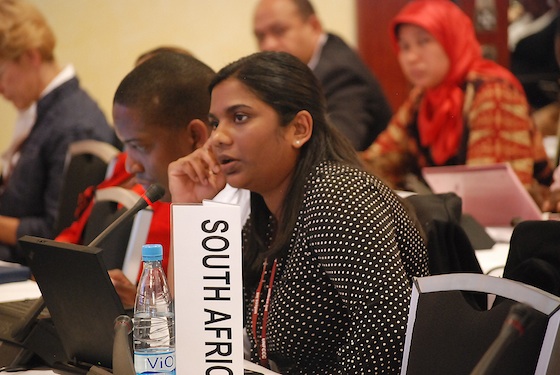
 CDM funding for renewable energy in emerging nations is endangered in Durban, South Africa
With the increasingly likely non-renewal of the Kyoto Accord after 2012 at this week’s international climate talks at the seventeenth Conference of the Parties (COP17) to the UN Convention on Climate Change in Durban, South Africa, renewable energy project funding throughout the developing world is threatened, impacting renewables in the emerging economies in the MENA region.
“It is possible that the CDM could be held to ransom,” Henry Derwent, the head of the International Emissions Trading Association told Climate Spectator in Australia.
“There is a huge amount of mistrust, and the chilling effect that it will exercise over Durban could be extremely damaging,” he told Carbon Expo, noting there were players in the negotiations who believed that trading was nothing more than “the buying of papal indulgences for sins that should simply be stopped.”
Like many others, Derwent holds out little hope about the state of international talks on renewing Kyoto, and its potential impact on carbon markets and the CDM. He predicted that the CDM will be caught in the crossfire of geopolitical gamesmanship with the impasse over extending the Kyoto Protocol.
The Kyoto Accord resulted in Europe creating the first cap and trade system for cutting greenhouse gases, the European Trading Scheme (ETS) that put a price on carbon. Polluting companies in Europe had to cut their emissions, or offset them with investment in the developing world, in projects that reduced the world’s total carbon emissions, using the Clean Development Mechanism (CDM). See: World Bank to Fund Massive Grid Expansion To Link Desertec
This has funded renewable energy projects in Egypt and Morocco and other MENA region countries, and boosted Egypt to the Top 22 Nations for Renewable Investment Potential in the process.
The success of the CDM in funding renewable energy in emerging economies is the major reason that this year developing nations now lead the world in implementing renewable energy, with the most staggering of these successes in the MENA region, as I wrote about in: Could Morocco be First in the World to be 42% Solar?
Two billion people in the poorest countries have no access to electricity at all. If these nations take the path of dirty energy that now threaten the future of the planet, it would be game over for all of us.
The CDM provides the carrot and stick of good policy that is needed to ensure that this new electricity being put on the grid is clean from the start. It would be a huge shame if the CDM was lost. It has been a win-win for all sides, one of the most successful climate policies anywhere.
The advantages to the CDM have been fourfold:
1. European companies that were required to offset their carbon emissions also reap a business benefit from funding low carbon development in emerging economies.
2. Communities in emerging economies are able to sell their carbon credits to earn revenue to fund further development.
3. MENA region economies are strengthened by being powered by fuel-free energy at a time when fossil energy supplies are getting harder to scrape up out of the ground, giving them an economic leg up in the carbon constrained world of the future.
4. All of us reap the benefit of a safe climate future because if implemented fully the CDM gets lots of clean power on the grid.
Without the CDM, rare examples of altruism are not enough to prompt the same action in funding renewable energy development in other countries, and developing nations themselves would have limited funds to buy renewable energy.
Related stories:




the compensation that the under develop country is getting from this KYOTO ACCORD should be transparently converted into projects that would directly benefit the people no the politicians who’s making a meal out of the above mentioned policy…