Radioactive Church in Tokyo Dangerous as Chernobyl Dead Zone

japan churchPraying in a Tokyo church could expose you to radiation levels higher than Chernobyl dead zones.

In the same manner that Japanese authorities failed to prevent the Japanese nuclear disaster earlier this year, the authorities are dealing with radiation fallout –– in Tokyo. They are not telling the whole story. Locals armed with their own dosimeters are clocking levels higher than at the exclusion zone of Chernobyl. What one resident found at his 11-year-old kid’s baseball field is radiation levels that can make you sick. Another test found the highest radiation dose, in an undisclosed area of a church. Some 20 hotspots have since been identified.

Church officials, reports the New York Times, do not want to announce the name of the church or the location of the radiation hotspot to avoid widespread panic.

In the locally-created Radiation Defense survey, the group says that the church is in the Sugamo district and it measured 2 million becquerels of cesium 137 in a square meter, well above the 1.5 in Chernobyl that forced residents to locate.

One physicist Edwin Lyman from Washington said the difference in Japan is that in Tokyo the radiation is occurring in hotspots. It is not widely dispersed. Given that, it is still advised to do a clean up because over time communities of people may be exposed to well over the recommended yearly dose of radiation.

Meanwhile watch out for nuclear wasabi from Japan. It could be contaminated as local farmers around the radiation hotspots near Tokyo had no idea that their land was contaminated.

Just after the disaster Tafline interviewed nuclear activist and scientist Dr. Helen Caldicott on the Japanese nuclear crisis, which affects not only the Japanese but the health of our planet.

Despite the writing on the wall, countries with unstable political futures like Saudi Arabia and Jordan are dead set on going nuclear. We feel ashamed that humanity doesn’t stop this destructive form of energy immediately.

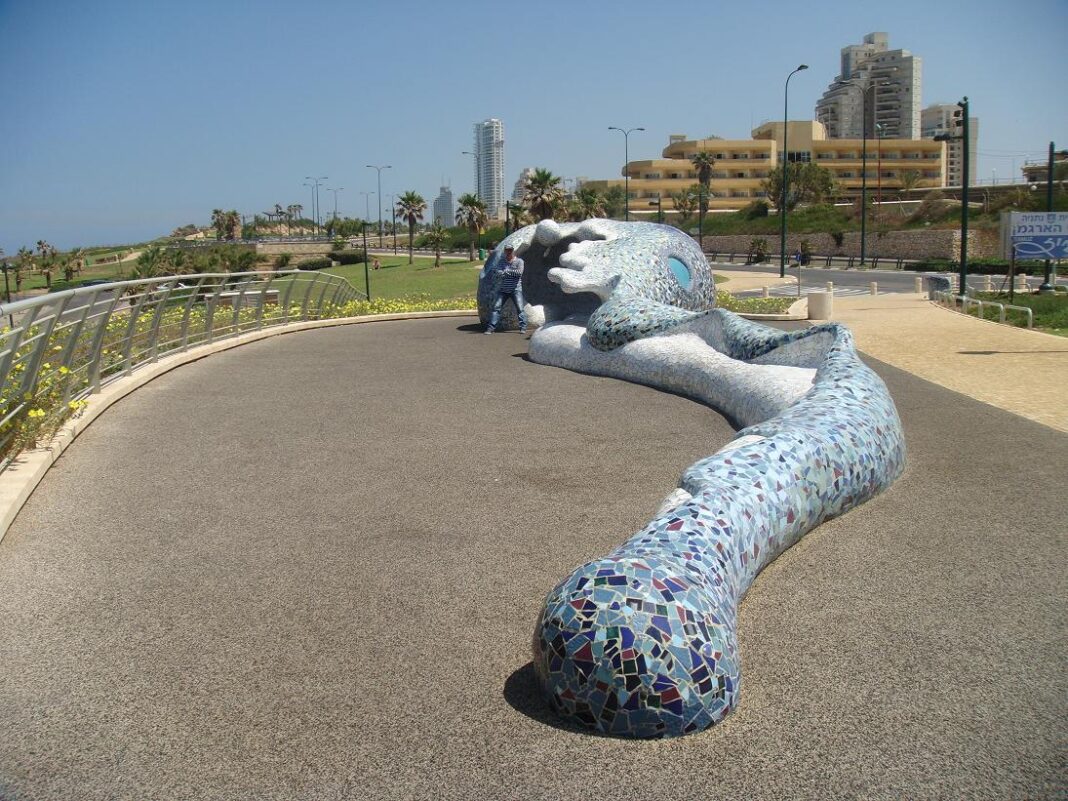
Update: Monday, Oct. 17 – the image above is not the church mentioned in the story, as a reader points out. It is for illustration purposes only.

::New York Times

Image of Japanese church via mujitra
Karin Kloosterman
Karin Kloostermanhttp://www.greenprophet.com
Karin Kloosterman is an award-winning journalist, innovation strategist, and founder of Green Prophet, one of the Middle East’s pioneering sustainability platforms. She has ranked in the Top 10 of Verizon innovation competitions, participated in NASA-linked challenges, and spoken worldwide on climate, food security, and future resilience. With an IoT technology patent, features in Canada’s National Post, and leadership inside teams building next-generation agricultural and planetary systems — including Mars-farming concepts — Karin operates at the intersection of storytelling, science, and systems change. She doesn’t report on the future – she helps design it. Reach out directly to [email protected]
7 COMMENTS
  1. “If you have a connection to the Pope, please drop him a line.”

    We are going out for a couple of beers next Friday. I’ll mention it to him.

  2. Thank you for adding that note about the church.

    And sorry for my nitpicking. I thought the article was excellent, by the way. It was news in the true sense of the word — important information that we’ve never seen elsewhere. Please keep up the good work.

    “Clearly now is the time for the Pope to step in and stop nuclear energy plants for this planet’s sake. Agreed?”

    Agreed.

    Thanks again.

  3. @Adding it up: I think the Japanese Government let a lot of accountability issues fall to the waste side. I think what the NY Times reports is in line with what we’ve been hearing from Japan.

    @Factcheck: the image was used for illustration purposes as it’s mentioned that the location of the church has not been disclosed. I updated the story at the bottom so that worshipers at this Sapporo church will not be afraid. Clearly now is the time for the Pope to step in and stop nuclear energy plants for this planet’s sake. Agreed?

    Do you live in Japan?

  4. The church pictured is 500 miles from Tokyo and 380 miles from Fukushima.

    And Adding-it-up has a good point too. Seems irresponsible.

    The Catholic Church in Japan seems to be firmly on the anti-nuke side (not sure if this is the policy of the Vatican or the preference of politically active local parishioners). I don’t think they would hide it.

  5. So this locally-created group discovered what they claim is a significant public health threat in a major city and announce that it exists, but will not release the details to the public because church officials don’t want them to? That doesn’t really add up.

  6. The church you show is located in Sapporo, hundreds of miles away from Tokyo and far removed from Fukushima as well. You should mention that it has absolutely nothing to do with the article.

LEAVE A REPLY

Please enter your comment!
Please enter your name here

TRENDING

Earth building with Dead Sea salt bricks

Researchers develop a brick made largely from recycled Dead Sea salt—offering a potential alternative to carbon-intensive cement.

Play spogomi the garbage picking sport and win a World Cup

If the future of environmental action looks less like a lecture and more like a pickup game, that might not be a bad thing at all.

Seaweed fashion brands can source from Saudi Arabian sea

From Red Sea seaweed to runway-ready fabric, Saudi Arabia is quietly reshaping fashion’s material future. KAUST scientists, designers, and textile innovators are proving that sustainability can begin in local ecosystems. As seaweed becomes wearable, fashion is learning to grow not from fields — but from tides.

The Line’s 15 minute city failure and the limits of green futurism

The failure of The Line is not a failure of imagination. It is a failure of restraint by western architects and planners who go along with the charade. Who is holding these firms accountable? This is actually a reasonable kind of project for the UN to take on and challenge. 

Peace hospital opens between Jordan and Israel

The proposed medical centre, described by Emek HaMaayanot Regional Council head Itamar Matiash as “a centre for cancer treatment, so that people from Jordan or further away could come and receive treatment,” would become the flagship of a wider cluster of medical, academic and innovation-based services planned for the Israeli half of the zone.

Qatar’s climate hypocrisy rides the London Underground

Qatar remains a master of doublethink—burning gas by the megaton while selling “sustainability” to a world desperate for clean air. Wake up from your slumber people.

How Quality of Hire Shapes Modern Recruitment

A 2024 survey by Deloitte found that 76% of talent leaders now consider long-term retention and workforce contribution among their most important hiring success metrics—far surpassing time-to-fill or cost-per-hire. As the expectations for new hires deepen, companies must also confront the inherent challenges in redefining and accurately measuring hiring quality.

8 Team-Building Exercises to Start the Week Off 

Team building to change the world! The best renewable energy companies are ones that function.

Thank you, LinkedIn — and what your Jobs on the Rise report means for sustainable careers

While “green jobs” aren’t always labeled as such, many of the fastest-growing roles are directly enabling the energy transition, climate resilience, and lower-carbon systems: Number one on their list is Artificial Intelligence engineers. But what does that mean? Vibe coding Claude? 

Somali pirates steal oil tankers

The pirates often stage their heists out of Somalia, a lawless country, with a weak central government that is grappling with a violent Islamist insurgency. Using speedboats that swarm the targets, the machine-gun-toting pirates take control of merchant ships and then hold the vessels, crew and cargo for ransom.

Leopoldo Alejandro Betancourt López Turned Ocean Plastic Into Profitable Sunglasses

Few fashion accessories carry the environmental burden of sunglasses. Most frames are constructed from petroleum-based plastics and acrylic polymers that linger in landfills for centuries, shedding microplastics into soil and waterways long after they've been discarded. Leopoldo Alejandro Betancourt López, president of the Spanish eyewear brand Hawkers, saw this problem differently than most industry executives.

Why Dr. Tony Jacob Sees Texas Business Egos as Warning Signs

Everything's bigger in Texas. Except business egos.  Dr. Tony Jacob figured...

Israel and America Sign Renewable Energy Cooperation Deal

Other announcements made at the conference include the Timna Renewable Energy Park, which will be a center for R&D, and the AORA Solar Thermal Module at Kibbutz Samar, the world's first commercial hybrid solar gas-turbine power plant that is already nearing completion. Solel Solar Systems announced it was beginning construction of a 50 MW solar field in Lebrija, Spain, and Brightsource Energy made a pre-conference announcement that it had inked the world's largest solar deal to date with Southern California Edison (SCE).

Related Articles

Popular Categories