
Tehran Residents Complain About Air Pollution and Water Quality

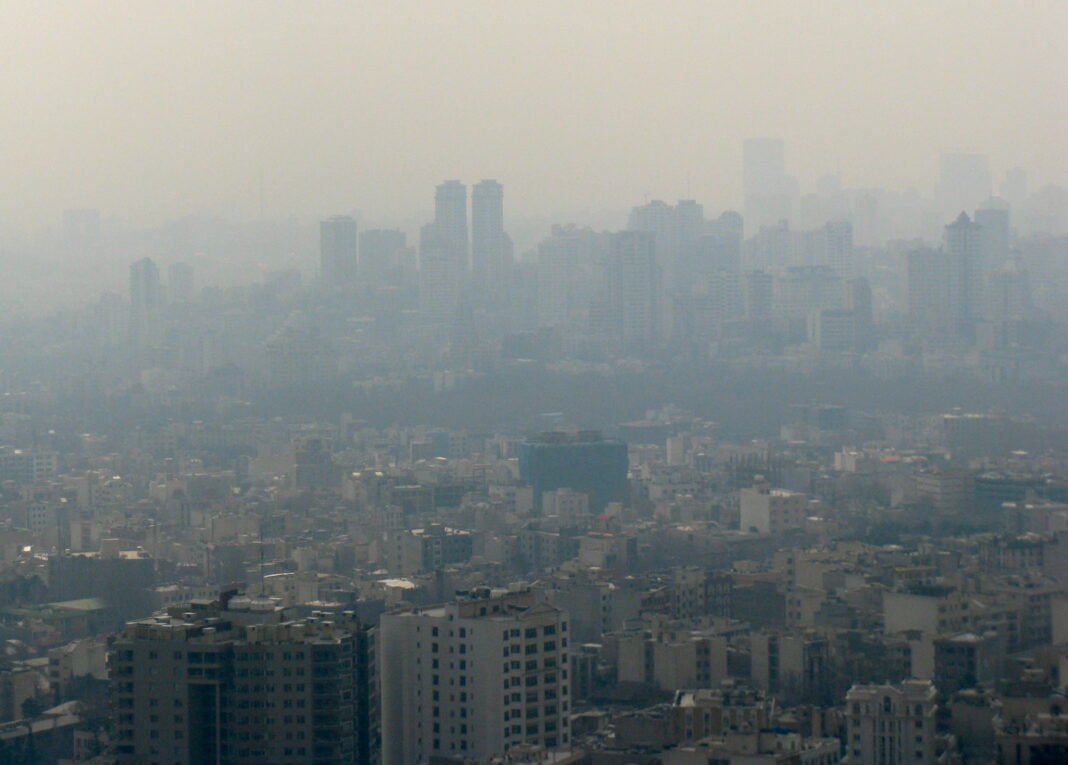
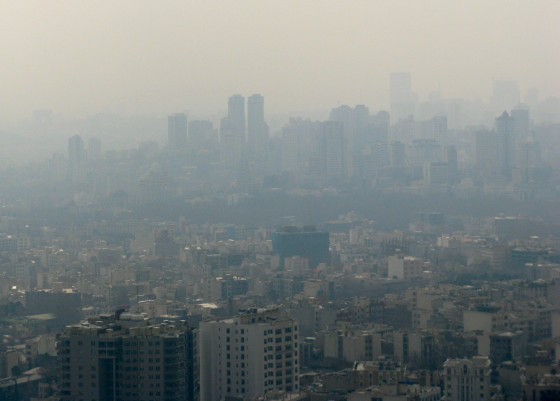
The biggest environmental concerns of the residents of Tehran are air pollution and water quality.

The public awareness of environmental problems is of great importance in today’s societies. It is somehow more important than the governmental privileges. In Iranian society, this awareness is in shadow of political, economic and social issues, which look more substantial to people. In a World Bank report, which were given out in 2007, the environmental awareness of the residents of Tehran were analyzed.

This report was provided three years ago but still can show the reality of the Iranian urban culture. It, as can be predicted, confirms that the first things that are important for people are the issues that directly affects on their lives. Politics is the main one. Also social and culture problems are important but the main factor that adjusts every thing is still politics.

According to the report, environment is not the priority of most of the people. Thirty percent of the respondents of the questionnaires (34 percent men and 29 percent women) think that the political problems are important or very important. This can be compared with the low percentage that was obtained from the same question about economic development, inflation, and environment.
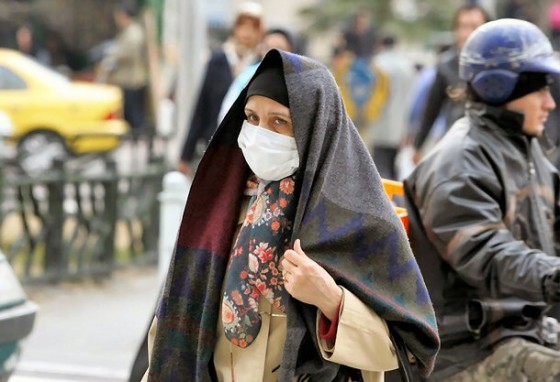
air pollution tehran, iran
Wearing a facemask against pollution (not Covid) in Tehran

Six percent think that economic development is important or very important (6.4 percent men and 5.3 percent women). Inflation is rated by 6.4 percent (5.8 percent of men and 6.5 percent of women). It seems that the respondents have rated the environmental issues as the least important problem. Only 4 percent have chosen important or very important for the environment (4.4 percent men and 3.3 percent women).

The worst part of the findings is that one third of the respondents (34 percent) believe that the environmental problems are not important at all and 53 percent do not have any opinion.

When the people are questioned more clearly about the problems, it becomes clear that they have some concerns about the environment. Air pollution and water quality are the biggest concerns of them. Some 62.3 percent of men and 61.3 percent of women believe that the water quality is worrying. Also 59.8 percent of men and 60.1 percent of women are worried about the air pollution produced by cars. Similarly the percentages for industrial pollutions are 41.5 for men and 47.1 for women. In the same way, 39.5 percent of men and 41.8 percent of women have declared great worry about the sound pollution.

Similar percentages are obtained from the survey about continuous reduction of green areas, disposal of industrial waste, and household garbage.

Other answers show that people are disappointed of the present situation of the urban environment. For example, just 8.7 percent of men and 10.5 of women strongly agree that “the environmental situation will be better in the future,” while 31.3 percent of men and 26.8 percent of women disagree.

The main bodies in the country that have the ability to improve the People’s responsibility about the environment are the public media, be it governmental or private. The present situation of the effects of the media like newspapers, TV, radio, books, internet, magazines, etc. are analyzed.

By the recent issues like the problems of Orumieh Lake in north-west Iran or the Iranian leopard, people have heard more of such news and have shown to be more conscious of the similar problems.

<!–[if !mso]> <! st1\:*{behavior:url(#ieooui) } –>

Public awareness of environmental problems is of great importance in today’s societies. It is somehow more important than the governmental privileges. In Iranian society, this awareness is in shadow of political, economic and social issues, which look more substantial to people.

In a World Bank report, which were given out in 2007 the environmental awareness of the residents of Tehran were analyzed. This report was provided three years ago but still can show the reality of the Iranian urban culture. It, as can be predicted, confirms that the first things that are important for people are the issues that directly affects on their lives. Politics is the main one. Also social and culture problems are important but the main factor that adjusts every thing is still politics.

According to the report, environment is not the priority of most of the people. 31 percent of the respondents of the questionnaires (34 percent men and 29 percent women) think that the political problems are important or very important. This can be compared with the low percentage that was obtained from the same question about economic development, inflation, and environment. 6 percent think that Economic development is important or very important (6.4 percent men and 5.3 percent women). Inflation is rated by 6.4 percent (5.8 percent of men and 6.5 percent of women). It seems that the respondents have rated the environmental issues as the least important problem. Only 4 percent have chosen important or very important for the environment (4.4 percent men and 3.3 percent women).

The worst part of the findings is that one third of the respondents (34 percent) believe that the environmental problems are not important at all and 53 percent do not have any opinion.

When the people are questioned more clearly about the problems, it becomes clear that they have some concerns about the environment. Air pollution and water quality are the biggest concerns of them. 62.3 percent of men and 61.3 percent of women believe that the water quality is worrying. Also 59.8 percent of men and 60.1 percent of women are worried about the air pollution produced by cars. Similarly the percentages for industrial pollutions are 41.5 for men and 47.1 for women. In the same way, 39.5 percent of men and 41.8 percent of women have declared great worry about the sound pollution.

Similar percentages are obtained from the survey about continuous reduction of green areas, disposal of industrial waste, and household garbage.

Other answers show that people are disappointed of the present situation of the urban environment. For example, just 8.7 percent of men and 10.5 of women strongly agree that “the environmental situation will be better in the future,” while 31.3 percent of men and 26.8 percent of women disagree.

The main bodies in the country that have the ability to improve the People’s responsibility about the environment are the public media, be it governmental or private. The present situation of the effects of the media like newspapers, TV, radio, books, internet, magazines, etc. are analyzed.

By the recent issues like the problems of Orumieh Lake in north-west Iran or the Iranian leopard, people have heard more of such news and have shown to be more conscious of the similar problems.

Mehrdad Parsipour
Mehrdad Parsipourhttp://www.greenprophet.com
Mehrdad Parsipour is an urban researcher who is based in Germany. He is originally from Iran and is interested in the traditional urbanism and architecture of Iran and Middle East. Mehrdad’s other research interests are western traditional urban development trends, Islamic cities, and sustainable urban forms, and finally the environment. Since 1997 he has been working in the field of civil engineering, and also urban and regional planning.

Hot this week

The Fitness App Revolution: Building the Future of Wellness Through Strategic Development

In an era where smartphones are ubiquitous and health consciousness is at an all-time high, the fitness industry has undergone a radical digital transformation. Fitness applications have moved far beyond simple pedometers, evolving into comprehensive wellness platforms that serve as personal trainers, nutritionists, and community hubs right in our pockets.

A Brief History of Basil From India to Italy

Beloved, fortunate, sweet, and royal; an herb with a long and storied history in Asia and across the world. Called by many names, basil has featured in previous Green Prophet articles, so enjoy another serving, a brief history of basil.

How Renewable Energy is Revolutionizing the Way We Power Our World

Solar has become the star of the transition thanks to modular hardware and straightforward installation. It fits dense cities and remote towns alike. Many companies are turning to rooftop arrays and carport systems - and exploring commercial solar installation as a practical way to lock in future savings.

How does one start prepping?

Faced with an extreme winter storm this year, Americans wonder how to be prepared for catastrophe. Miriam has lived through wars in the Middle East - so she's prepared on giving you a guide to prepping.

Fishermen sue tire manufacturers on behalf of the salmon

A federal trial in San Francisco has brought US tire manufacturers, fishing groups, and environmental scientists into court over a chemical most drivers have never heard of — but which scientists say may be silently reshaping aquatic ecosystems.

Topics

The Fitness App Revolution: Building the Future of Wellness Through Strategic Development

In an era where smartphones are ubiquitous and health consciousness is at an all-time high, the fitness industry has undergone a radical digital transformation. Fitness applications have moved far beyond simple pedometers, evolving into comprehensive wellness platforms that serve as personal trainers, nutritionists, and community hubs right in our pockets.

A Brief History of Basil From India to Italy

Beloved, fortunate, sweet, and royal; an herb with a long and storied history in Asia and across the world. Called by many names, basil has featured in previous Green Prophet articles, so enjoy another serving, a brief history of basil.

How Renewable Energy is Revolutionizing the Way We Power Our World

Solar has become the star of the transition thanks to modular hardware and straightforward installation. It fits dense cities and remote towns alike. Many companies are turning to rooftop arrays and carport systems - and exploring commercial solar installation as a practical way to lock in future savings.

How does one start prepping?

Faced with an extreme winter storm this year, Americans wonder how to be prepared for catastrophe. Miriam has lived through wars in the Middle East - so she's prepared on giving you a guide to prepping.

Fishermen sue tire manufacturers on behalf of the salmon

A federal trial in San Francisco has brought US tire manufacturers, fishing groups, and environmental scientists into court over a chemical most drivers have never heard of — but which scientists say may be silently reshaping aquatic ecosystems.

Listening to Water: Tarek Atoui’s Next Work for Tate Modern

Born in Beirut, Lebanon in 1980 and now living in Paris, Atoui has spent years building instruments that don’t sit comfortably in concert halls. Many of them involve water, glass, and ceramics — materials that react to sound instead of simply producing it.

Leading Through a Dual-Energy Transition: Balancing Decarbonisation with Energy Security

Experience in one area of the energy industry isn't enough to guarantee readiness across all the others. That's where a structured program like an MBA in energy can come in. Today's advanced curricula explore energy economics, finance, policy, and strategic management alongside the technical subjects. And when pursuing an energy MBA online, professionals can skill up and retrain without having to step out of the labor market -- an important perk at a time when skilled professionals are already in short supply.

From Green Energy to Healthy Societies: Why old systems thinking is becoming relevant again

Across the Middle East and North Africa, large investments are being made in green hydrogen, renewable energy, water infrastructure and sustainability. Most of these efforts are discussed in the context of climate change, decarbonization and economic diversification. That framing is important, but it may not capture their full value.

Related Articles

Popular Categories