


Ten miles from Mexico, nestled in a humid valley in Arizona we arrive in Canelo for a straw bale building workshop. This is a place where 11-year olds drive, breakfast with songstress Linda Ronstadt is not uncommon, and people from all walks of life share a common ground.
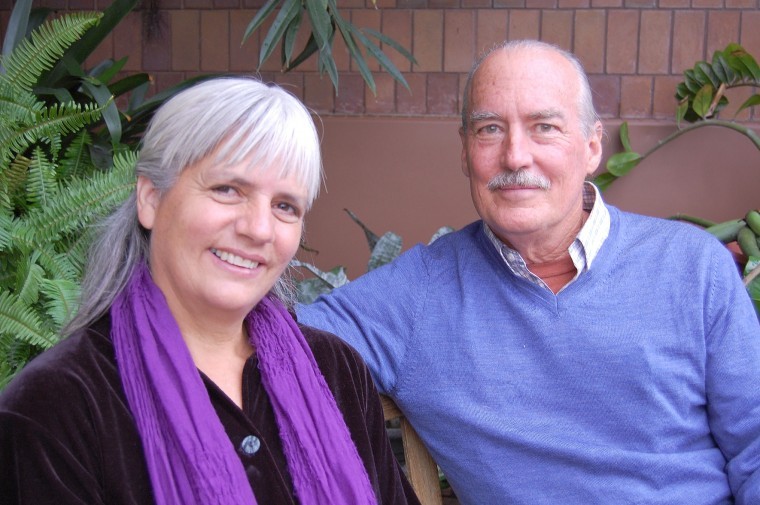
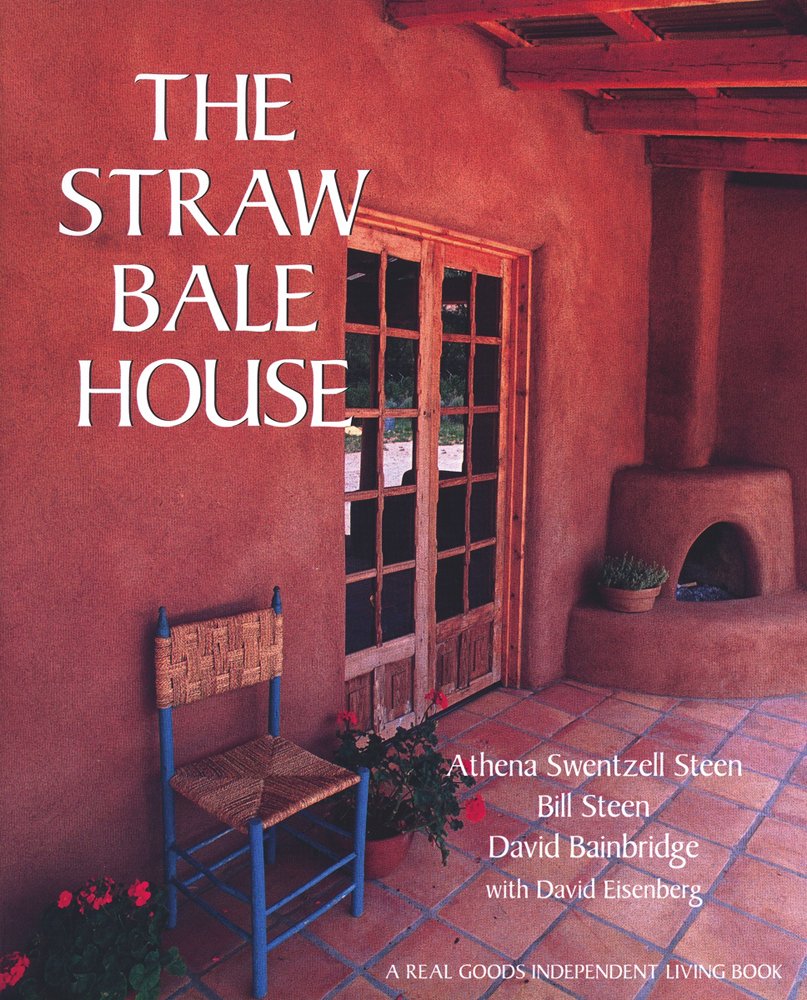
The workshop hosts, Bill and Athena Steen are natural building gurus who call their non-profit organization The Canelo Project. They have helped thousands of people locally and around the world build sustainable homes from a low-cost, readily available material: straw bales.

Athena was raised in a New Mexico Pueblo Indian family and witnessed her family building their home from adobe. Bill has been photographing and writing books on alternative buildings for many years. With his small, pantless son Kalin balancing off his hip, Bill tosses me a delicious quesadilla and talks about how peaceful his homestead is:
“Here, [in Canelo] there are several small buildings in various stages that allow you to see, touch and experience many of the materials and techniques that we teach. You will leave inspired – empowered with new possibilities and skills.”
Throughout the week we learned about the advantages of straw bale for the outside environment and the human body.
Strawbale houses hurricane resilient
Contrary to the ‘Little Pigs’ fairytale, buildings made with straw bales are unusually strong and sturdy. Bill says that when a hurricane ravished a barrio in Sonoro, Mexico the only buildings left standing were the ones made of bales.
Straw Bale homes are perfect for places with hot summers and cold winters. The thickness of the walls and the large overhang of a typical straw bale home make the interior cool in the hottest days of summer and warm in the coolest days of winter.
When heating the home, many families attest that a small wood stove is enough for heating the entire home, even in cooler climates, like Canada. So, energy savings by building with straw bale can save heaps of cash in the long run.
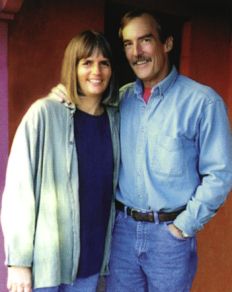 “We explore ways of living that connect us to others and the natural world,” says Bill. “Athena and I seek to balance the wisdom and skills of the past with those things which have value today. We combine our efforts with others to create simple, comfortable shelter using local and natural materials with handcrafted care.”
Straw bale homes breathe. Contrary to modern homes built with, bricks, stone and drywall, the straw bale home is alive. Air can pass through the earthen plaster, through the straw, through another layer of earthen plaster to you. As the materials you build with are usually natural and best if local, i.e. no artificial additives to the paints, sealers, insulation, you and your family can breathe toxin-free air.
You can also do it yourself. With basic knowledge on building, gathered from a workshop, books, and the Internet you and yours can put a straw bale home together in no time. You can create niches and rooms that softly embrace you.
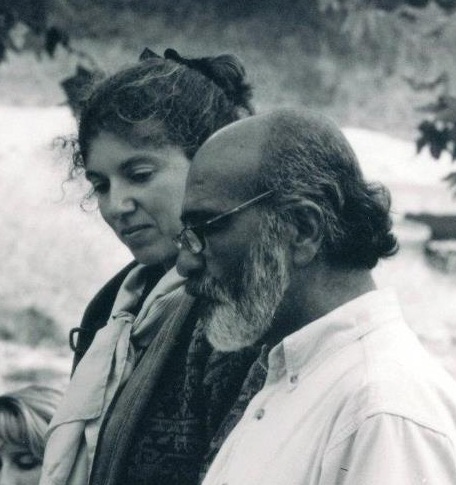
The late alternative builder Nader Khalili from California via Iran calls his sleeping enclaves ‘bedwombs.’ Made to nurture the human psyche, the caverns are soft and organic (like people), without modern sharp, square edges.
Straw bale buildings are beautiful. Living inside these spaces can dramatically affect your quality of life. Imagine the difference between living in a home with natural walls that breathe as opposed to being surrounded by cement.
Straw bale homes are low cost
Straw bale homes can be built with less than half the money of traditional homes. There are even those who manage with a few thousand dollars. See testimonials in Bill and Athena’s book “The Beauty of Straw Bale Homes.” Because straw bale building is a ‘new’ concept, homebuilders can host onsite wall raisings where participants will pay to learn more from the hosts.
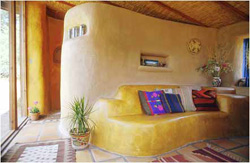 “Many facets of designing and building a straw bale home are similar to that of building a conventional house,” comments Athena.
“Developing small and efficient straw bale buildings that are well matched to their climate and context and maintain a level of comfort through passive conditioning is a strong focus of our workshop. As are simple and sensible methods and skills that allow for the artistic creation of a uniquely personal and handcrafted home.”
Sounds good. So what are the drawbacks?
Building that suits space and the desert
Straw bale walls are thick. The homeowner can lose considerable floor space or property. For this reason, it is more practical to build in the countryside than in the city, especially in Israel where urban land is scarce.
Another issue to consider is moisture retention. If not properly sealed and maintained, the straw bale home can rot. It is important to maintain the walls and ensure roof overhangs are large enough to prevent moisture buildup. Even in places like Amsterdam and Montreal, healthy happy straw bale homes and institutes are housing people during persistent rain and extreme temperatures and snow. So, it can be done.
In Canelo, we wake every morning to a serene desert landscape, sparse shrub brush and cottonwoods dancing across the meadows.
At an elevation of 1500 meters, altitude and plenty of trees and grasses buffer the usual Arizona heat and dryness. There is a disproportionately large population of frolicking deer. The home-schooled children meld with the landscape and the barefoot boys are by far the best-adjusted and mature kids I’ve ever met. Each day I take a walk with the eldest son, Benito. We discuss philosophy and colors.
The participants come from all walks of life – there were two Christian missionaries working in non-profit organizations, a talent agent from Hollywood, a real estate agent who wanted to sell homes she felt good about, a potter, a carpenter, an ex-advertising agent, a Mennonite parson…all of them had a common dream – to build homes they feel good about.
For more information about building with natural materials, check out the Steen’s website at www.caneloproject.com
More sustainable architecture:
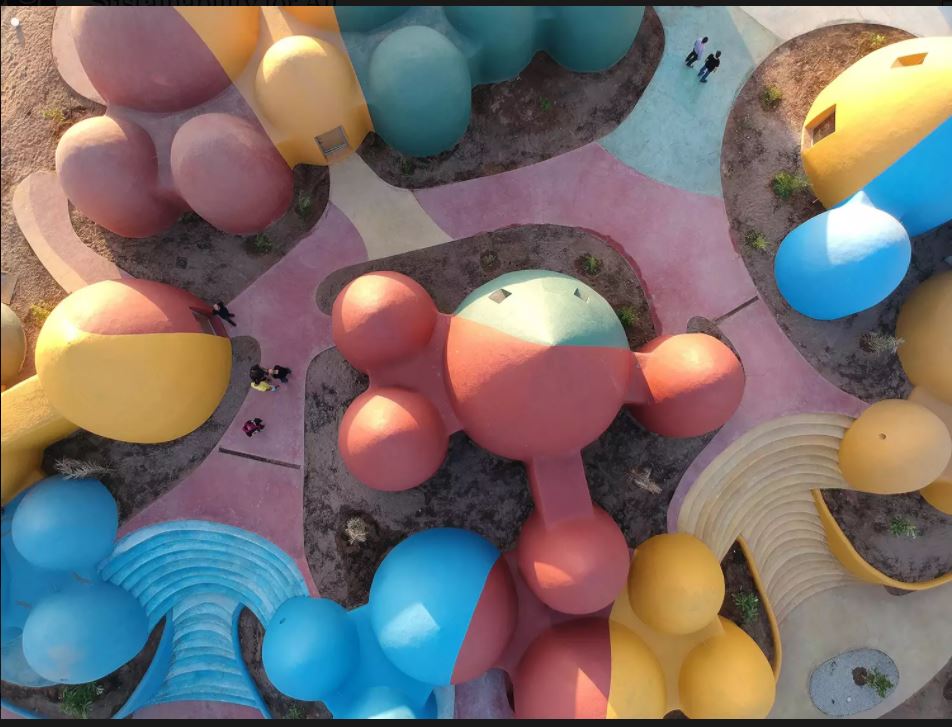
Nader Khalili’s superadobe homes fit for space



[…] we are the murderers. Once the lesson was imparted, that this pristine planet is now polluted, the natural has become artificial and that life itself has become unbearable… I made this my predominant message. I called it […]
[…] 2006, PAKSBAB has trained fifty people and constructed twenty-six straw bale buildings in Pakistan’s Khyber Pakhtunkha province. Construction expertise is passed forward as […]
[…] we are the murderers. Once the lesson was imparted, that this pristine planet is now polluted, the natural has become artificial and that life itself has become unbearable… I made this my predominant message. I called it […]