
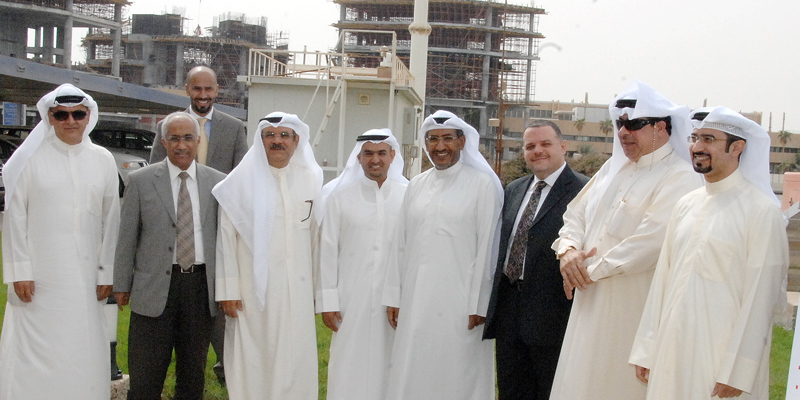
 While the United Arab Emirates, Qatar and Saudi Arabia have been outspoken about their shift to renewable energy to shore up for when oil supplies start to wane, Kuwait has largely remained in the shadows. Kuwait has the best solar irradiation along the Arabian Peninsula, which means they are well poised to bring solar energy on board.
Kuwait Prepares for the End of Oil
Tangram 2022 World Cup Stadium Cools Itself Like a Lizard
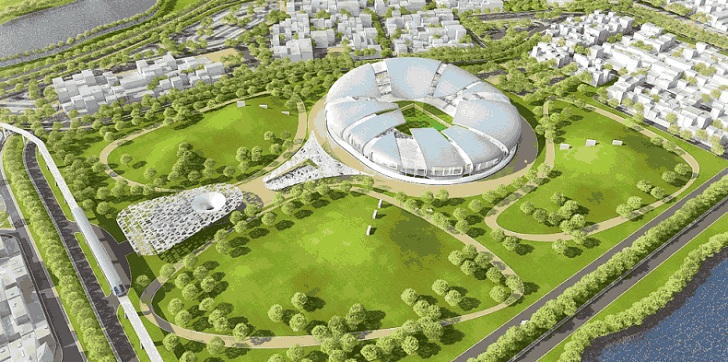
Tangram Gulf recently unveiled a naturally-cooled FIFA stadium design for the 2022 World Cup in Doha, Qatar.
Turkey’s Largest Wind Plant to Power 170,000 Homes
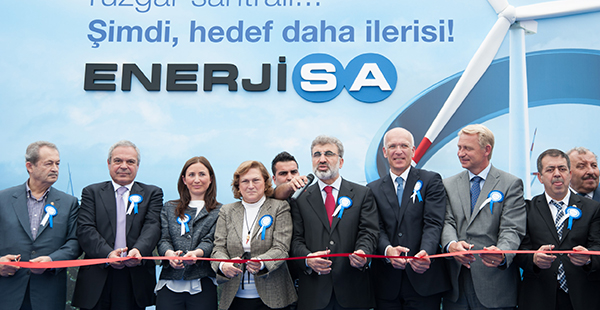
Turkey’s largest wind power plant has broken ground and is expected to generate enough clean energy to electrify up to 170,000 homes.
Jumpstarting Solar Power in the MENA Region
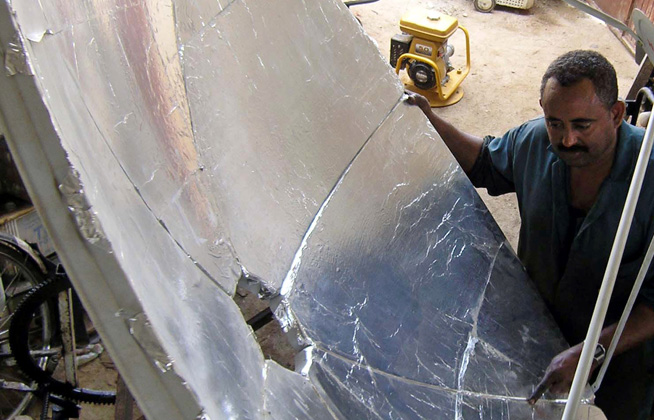
The Middle East and North Africa have faced a number of hurdles in getting what experts believe could be the greatest solar power grid in the world off the ground. From Morocco to Egypt to the United Arab Emirates (UAE), obstacles have continued to stand in the way of creating a grand solar project. Until now.
Landfill: Where Dubai’s Building Rubble Piles Up
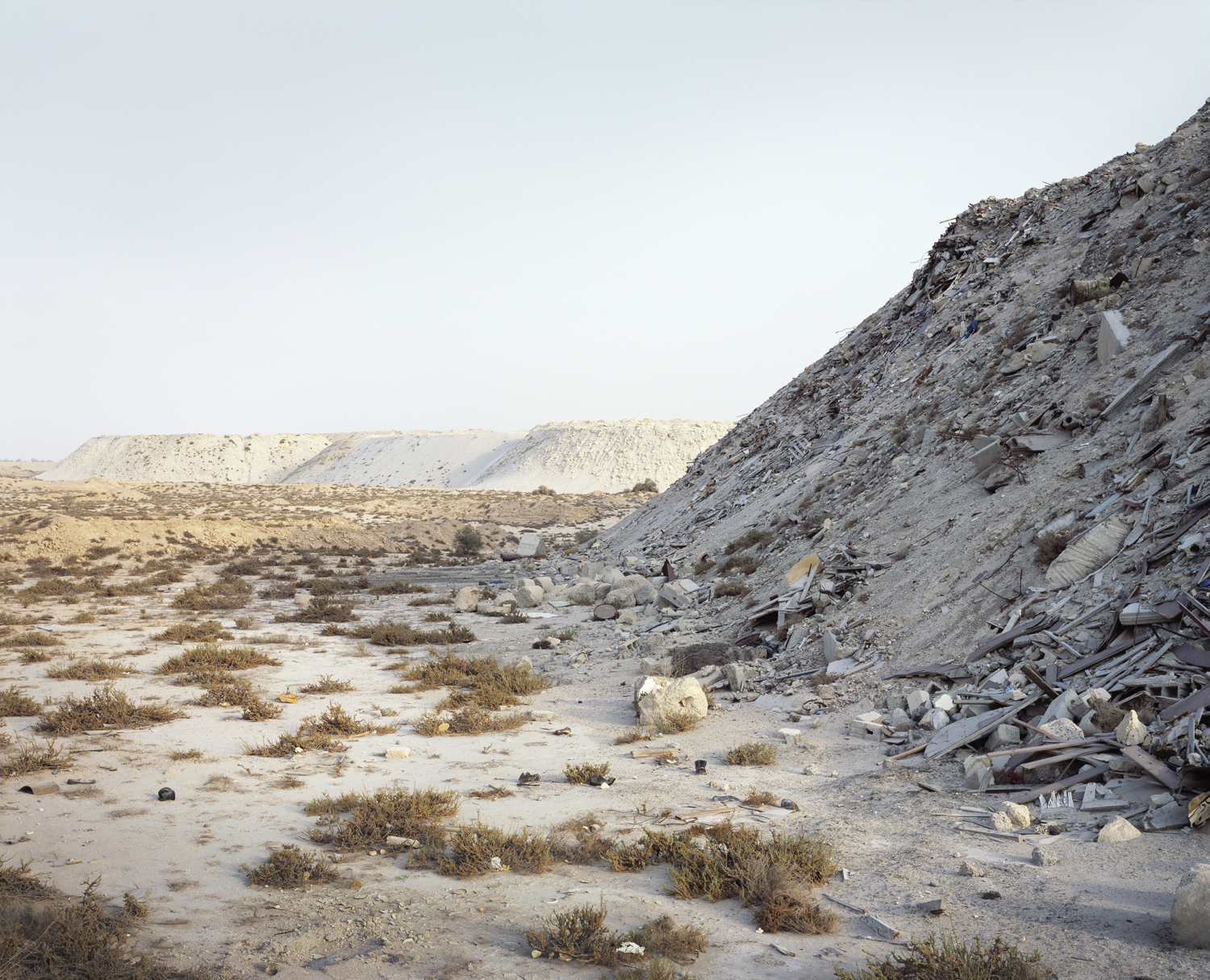 My last photo blog on Green Prophet featured one of the many sites in the Hajar Mountains from which construction aggregate is extracted. This time I’m showing a different kind of mountain on the outskirts of Dubai. This is a landfill for building rubble.
Ancient Moroccan Granaries Revived as Thriving Civic Centers

Salima Naji has been recognized by the Aga Khan Development Network for her efforts to revive a series of earth buildings in the lesser Atlas Mountains, Morocco.
Oman’s Sustainable GU Tech Campus Scoops Coveted Construction Prize
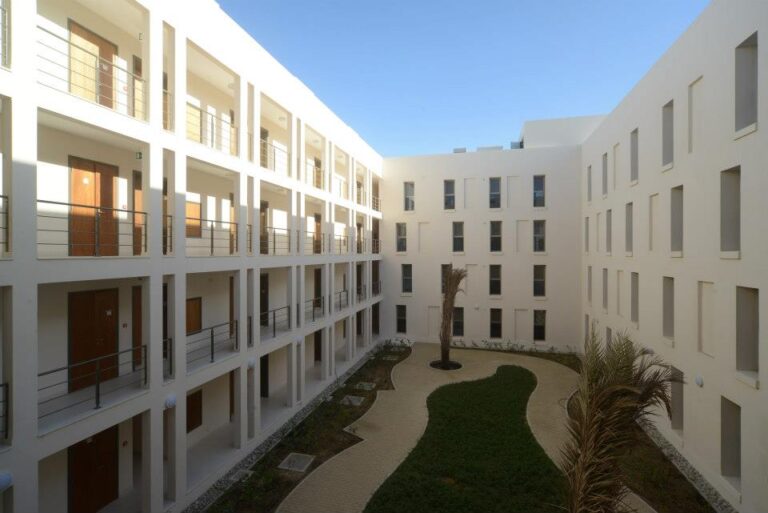
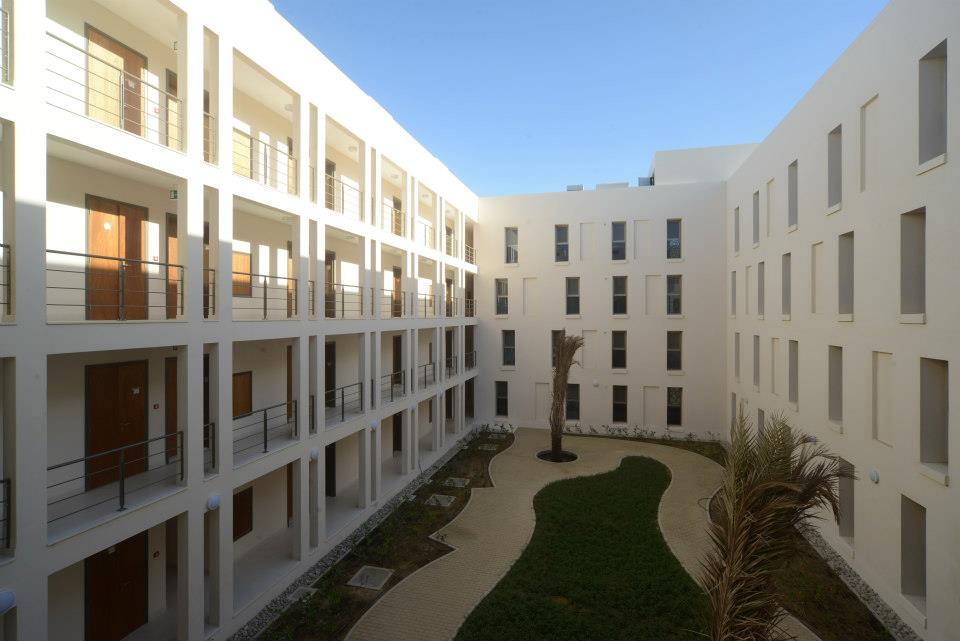 Oman is a small nation bordering Abu Dhabi on the Arabian peninsula; it has a long coastline and one of the largest populations of endangered Loggerhead turtles on earth. It also subsidizes energy and water, essentially arresting any kind of sustainable development. There’s no incentive to conserve something that comes for free – until now.
There’s a new architectural firm in town and they are laying the groundwork for a more responsible future and it starts now with the new GU Tech in Halban. The first German university on the peninsula, the new campus recently scooped Commercial Construction Project of the Year at Oman’s 2013 Construction Week Awards.
Ernst Hoehler and Muhammad Al Salmy are the progressive brains behind Hoehler & Partner LLC in Oman’s capital Muscat. A team of committed architects, planners and engineers, the firm came to being in 2008 largely as a result of winning the award to design the GU Tech Campus.
Although Oman is not really equipped to incorporate renewable energy into the national grid and has focused very little attention on ecological urban planning, the US and German-educated team are deeply concerned about the nation’s future. After all, one day fossil fuel resources will run out, and future generations will be left to deal with it.
It hasn’t always been this way. As Al Salmy explains to The Times of Oman, Omanis were well versed in sustainable design about 600-700 years ago – as evidenced in various villages carefully constructed to make optimum use of prevailing winds and water resources.

GU Tech comprises the best of ancient Islamic design and contemporary materials to deliver an attractive, energy-efficient space with a decent amount of green space.
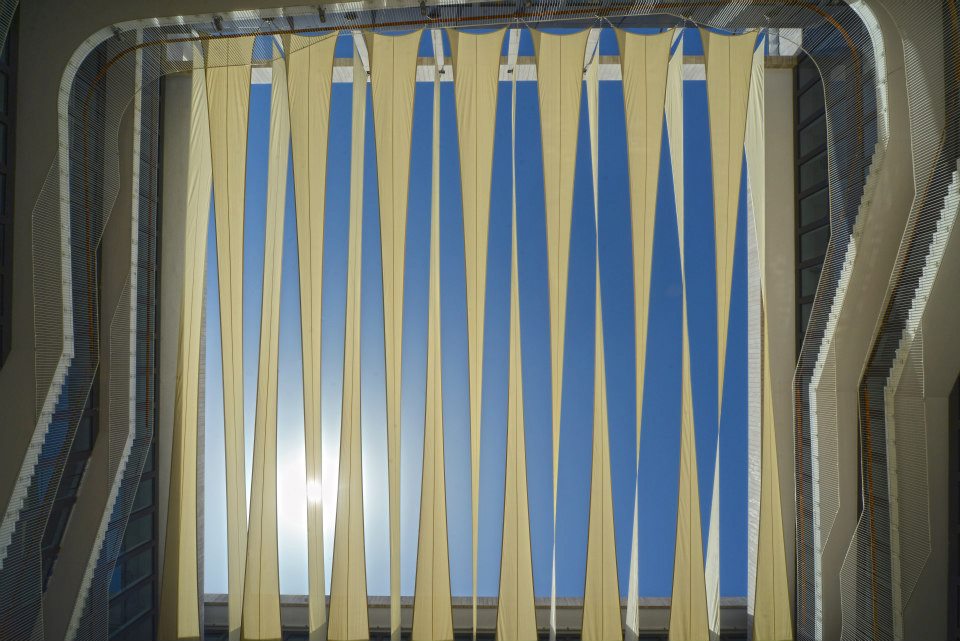
A state of the art air-conditioning system redirects cool air to an inner courtyard area, which is chilled a further five degrees by a curious system of sails – perhaps inspired by dhows, and grey water is purified and then used to irrigate the vegetation.
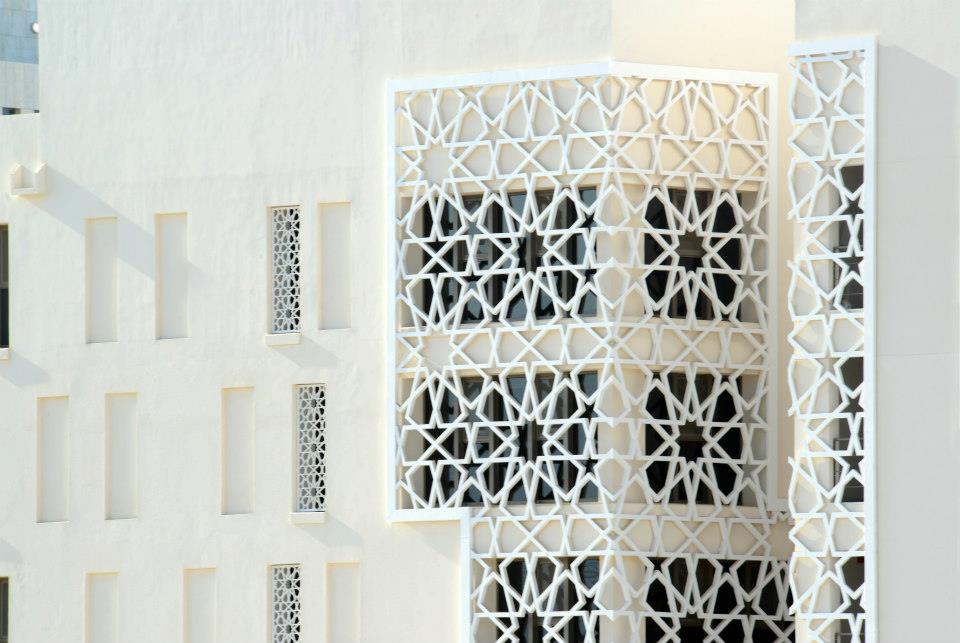
The facade resembles a mashrabiya screen which further mitigates solar gain, and energy efficient lighting conserves energy as well.
In all of their projects Al Salmy Hoehler & Partner LLC strives to make buildings “solar-ready” so that when Oman does implement a national grid that can handle renewable energy generation, these projects can simply plug and go without requiring a major retrofit.
“The nine jurors emphasized in particular the pioneering role of the project in the Sultanate in terms of overtopping the usual local standards with a modern, sustainable and state-of-the-art equipment and design,” according to the German Emirati Joint Council for Industry & Commerce (AHK).
“They highlighted as well the exemplary implementation of a modern architecture in a design which conveys successfully between traditional Omani architecture and a modern, clear and functional architecture.”
A fine design indeed. More please.
Images via Hoehler & Partner Facebook Page
Danielle Trofe’s Shifting Sands Use Kinetic Power for LED Lights
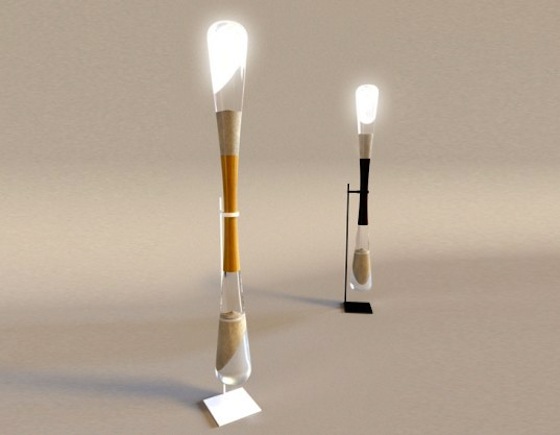
The only thing more abundant than sun in the Middle East and North Africa is sand. Used in the production of Markus Kayser’s 3D printer and to make Algerian building bricks, sand is useful for a host of applications – including lighting.
Climate Investment Funds for Super Solar North Africa
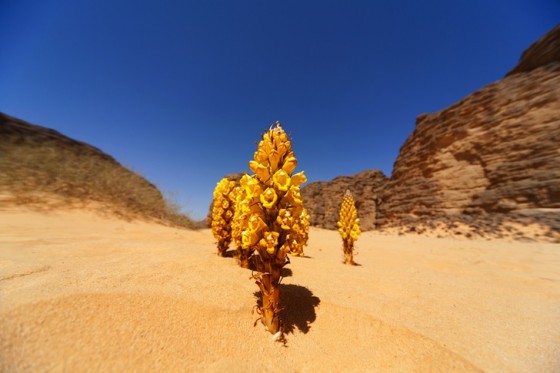
Hotter than heck and bone dry, the Middle East and North Africa have an abundance of sun, and leaders across the region are striving to make the most of it.
Five North African countries and the Hashemite Kingdom of Jordan will receive a total of $660 million from the $7.6 billion Climate Investment Fund (CIF) under a newly revised plan to construct solar plants and provide assistance that will facilitate easier uptake of further renewable generation in the future.
How ertex Integrates Solar cells into Middle East Buildings
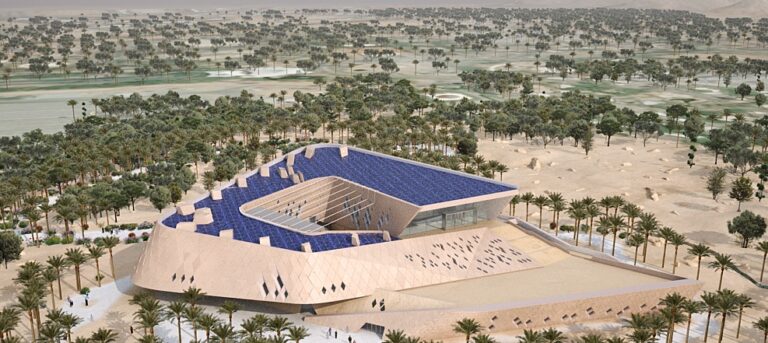
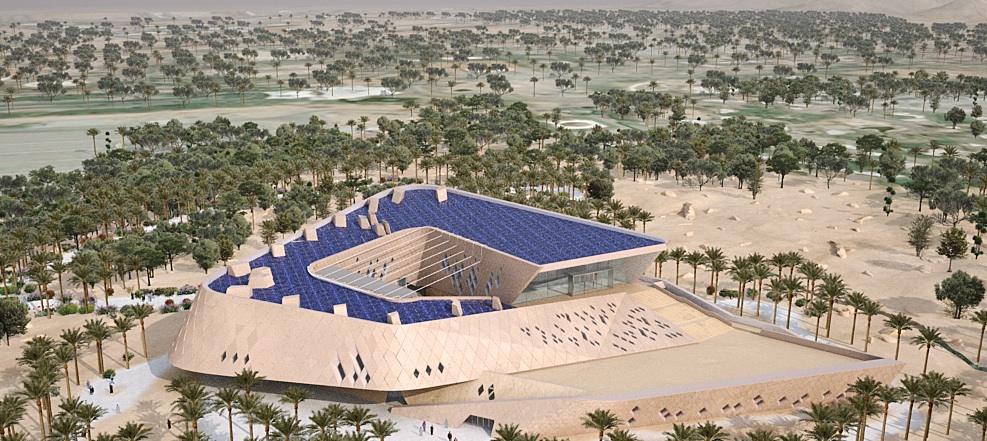 Green Prophet interviews Dieter Moor, the CEO of ertex – a building integrated photovoltaic company which recently completed a roof-based system for the the Sheik Zayad Learning Center at the Al Ain Zoo.
Stuffed Mulberry Leaves With Chicken Recipe
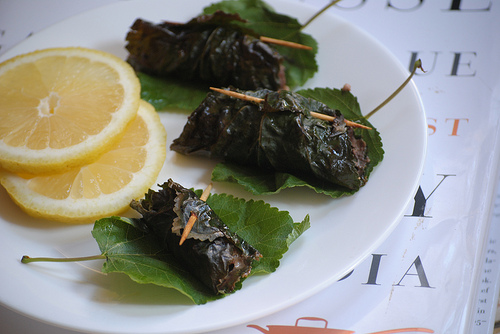
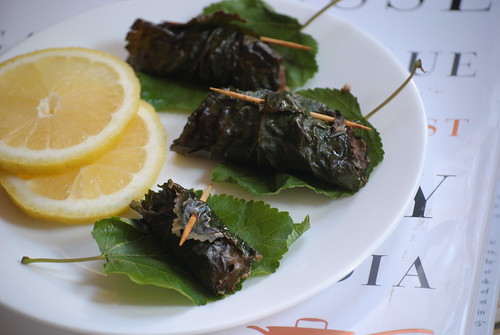
Green Prophet’s editor Karin plucks mulberry leaves from her backyard and serves them to her family.
Long ago, mulberry trees were planted all over the Middle East to feed silkworms. The cottage silk industries have died out, but many ancient mulberry trees remain. Strolling with Karin in her garden recently in Jaffa, I remarked that the big mulberry tree there was so loaded with leaves, it was a pity not to eat them.
Karin asked for the recipe, and made stuffed mulberry leaves the same night. She reports that the dish was a hit with her family.
Old people, those who keep the tradition alive, may be seen picking the new leaves early in the morning. Dried, the leaves make a pleasant-tasting medicinal tea. Another way is to stuff them with ground meat while they’re still young and tender.
In Israel, the it’s the Iraqi community that still knows to eat mulberry leaves. As they know to eat sour green plums.
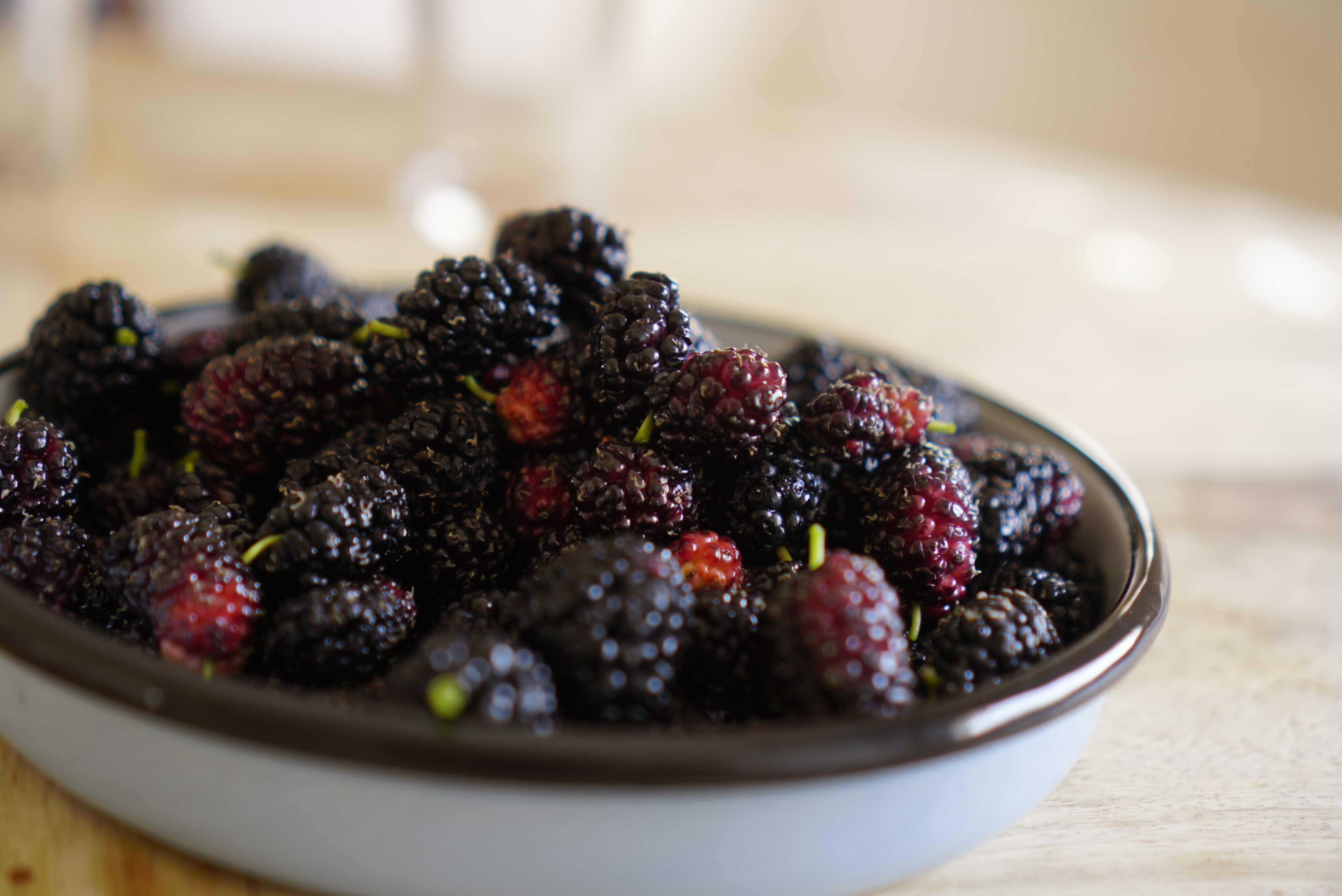
At this time of year, the mulberry’s fuzzy, light-green berries are just turning rosy red. Wait a few weeks for them to ripen and you’ll be able to eat them right off the tree, or cook them down into jam or chutney.
In traditional Chinese medicine, leaves from the white mulberry are regarded with respect as a medicine. It’s said that the dried, powdered leaves, infused as tea or taken in capsules, lower high blood sugar and high blood pressure.
Being full of antioxidants, they also decrease irritation at the cellular level, thus lowering cancer risk. If a mulberry tree lives near you, it might be a wise thing to pick several handfuls of the young leaves and dry them for tea.
Or, as Karin did, stuff them with ground chicken and roll them up like grape leaves. Traditionally, the leaves are stuffed with ground lamb, but any firm meat will do. Yum.
Stuffed Mulberry Leaves
Serves 4 for dinner, or makes 35 appetizers
Pick 40 tender, medium-sized leaves. Rinse the dust off them and check for insects. Dry gently.
Ingredients:
1 kg. ground chicken, lamb or other firm meat
1 egg, beaten
1 medium onion, chopped fine
2 cloves garlic, smashed and minced
1 tablespoon fresh basil, chopped fine
1 teaspoon fresh oregano or za’atar, chopped fine
1 teaspoon fresh thyme leaves
1- 1/2 teaspoon salt
1/2 teaspoon ground black pepper
juice of 1 large lemon
2 tablespoons olive oil
More sliced lemon for serving
Method:
Preheat the oven to 350° F, 190° C.
Mix all ingredients except lemon juice and olive oil. Knead the seasoned meat with your hands to mix everything very well.
Line a baking tray with parchment. Place a leaf shiny side down. Take a tablespoon of meat and roll it into a patty in your palms. Place it on the wide end of the leaf. Add a little more meat if it looks skimpy; pull some out if it looks like too much for the leaf to cover.
Roll it up.The patty will become slightly elongated in rolling. Secure the pointed top with a toothpick if needed.
Mix the lemon juice and olive oil in a little bowl. Drizzle it generously all over the tops of the stuffed leaves.
Bake for 15 minutes if you want them juicy. There will be a certain amount of natural drippings in the pan – pour it into a bowl when you’ve removed the stuffed leaves, and pour it over them.
If you want a crisp wrapping and somewhat drier filling (good for handing around at a party or for a snack), bake 20 minutes.
Serve with sliced lemon for squeezing over the hot or cold leaves.Couscous is nice with these savory little packages. Beer or a chilled white wine are too.
More seasonal food recipes:
World Nomads Festival: Tunisian Crafts Make Big City Debut in NYC
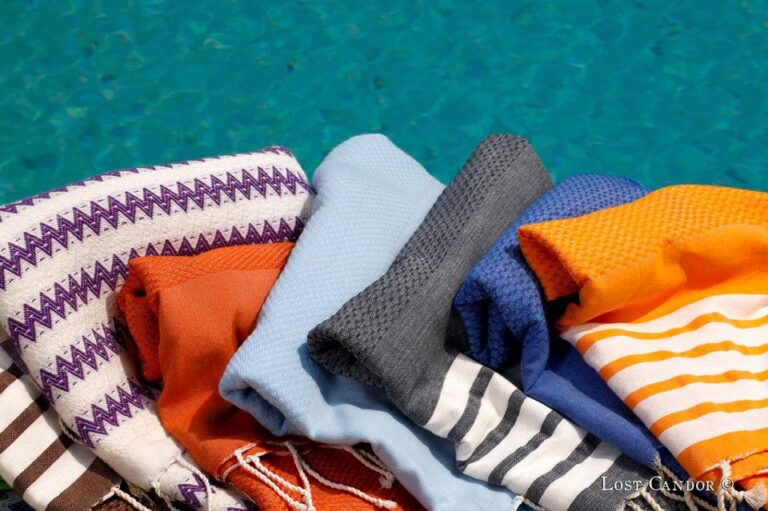
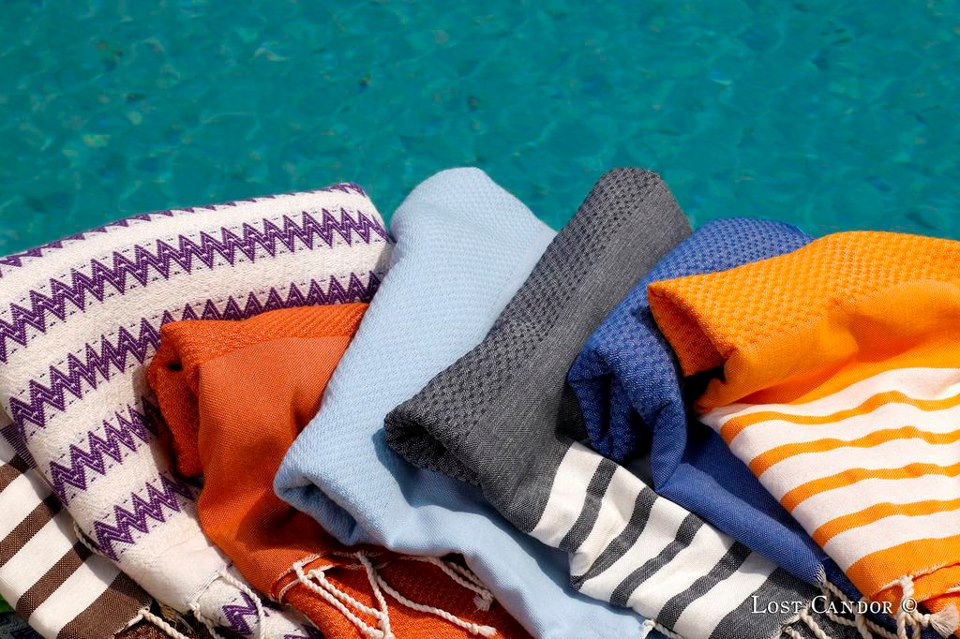
For the entire month of May, the French Institute Alliance Francaise (FIAF) is celebrating Tunisia in the aftermath of the Arab Spring and this weekend it’s souk time – in NYC’s upper east side. From May 8-10, a host of Tunisian crafts and food items will make their big city debut at the Tinker auditorium on E 59th street.
Part of the month-long biennial World Nomads Festival, the event is designed to promote awareness of 21st century transculturalism in the Francophone world.
Spring Festival is in Egyptian Air Marked by Petrified, Stinky, Toxic Fish
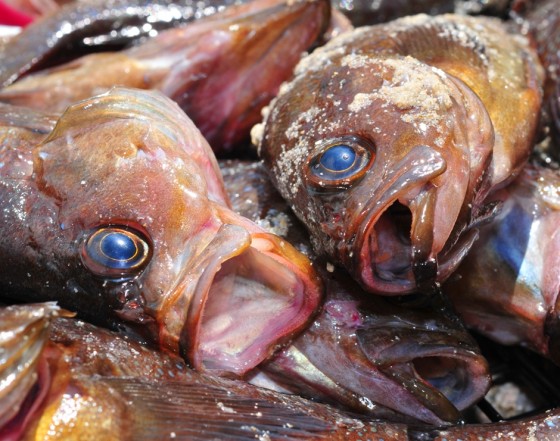
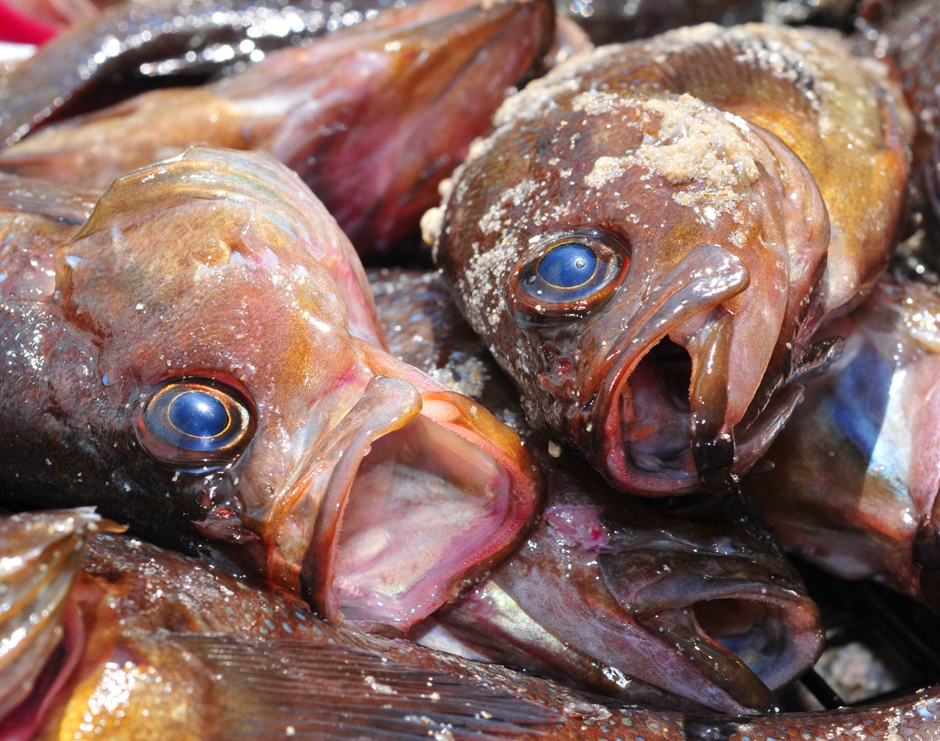 Sporadic street violence, economic distress and political polarization were mostly put on ice this past Sunday as Egyptians of all classes and religions held picnics, took boat rides on the Nile and celebrated Sham el-Nessim, a holiday whose roots most believe date back to this land’s ancient inhabitants. The event features a stinky fish.
Dubai Set to Grow World’s Largest Vertical Garden
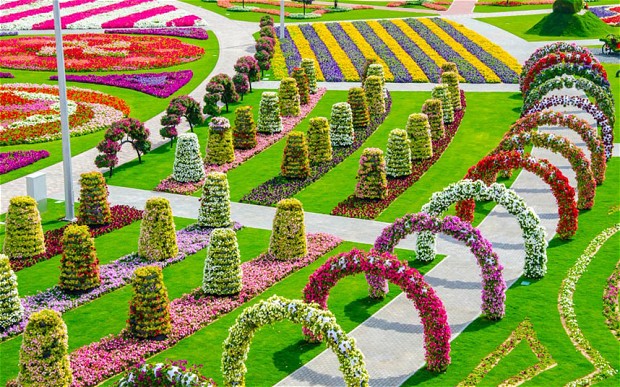
Dubai may not seem like the most likely place for a “miracle garden” but the first phase of the 721,000 square foot flowerfest was unveiled at Dubailand earlier this year.
Green Investment Bank and Masdar Ink Agreement to Link Mideast to Britain
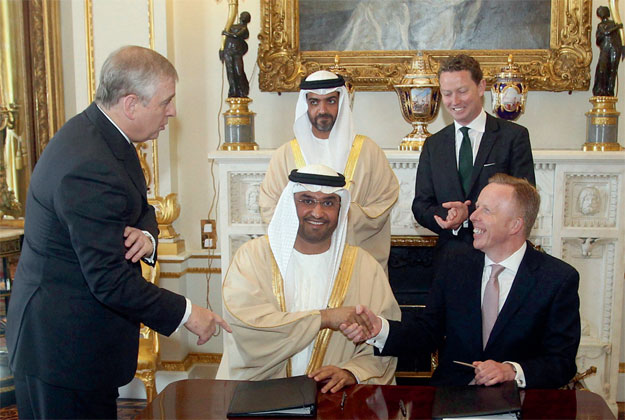
The UK Green Investment Bank and the United Arab Emirates Masdar have inked a new agreement that will see the UAE-based company work toward new investment opportunities in the United Kingdom, taking their expertise in renewable energy to Britain.