BioXplore Discovers Healing Plants In Israel

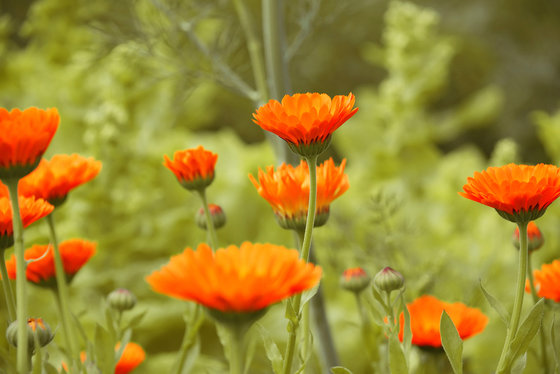
wild marigolds israelWild marigold, sage and Palestine Oak? An international team sends researchers to Israel to forage medicinal plants native and special to this part of the Levant.

Old grandmothers, herbalists and nature lovers of all ages have long known that green medicine grows everywhere, as we’ve posted about here on how to grow 7 healing herbs at home. And to be inspired here is a list of 11 essential oils every medicine cabinet needs.  And Our Green Guide To Natural Home Cleaning Products talks more about using essential oils in the home.

Even many decorative garden plants like aloe vera have valuable healing properties.

But the Bioxplore project, funded by the European Union to the tune of Euros 2 million, has a goal with these plants that reaches much farther than home remedies.

The plants’ active ingredients are isolated and tested in laboratories against pests like bacteria, fungi and worms.  The ultimate aim is to develop new drugs, health supplements and cosmetics, exploiting the wild herbs’ medicinal properties. BioXplore hopes to develop local job opportunities and stimulate scientific, business and cultural exchanges between partner countries, based on these natural medicines and cosmetics.

The partners are are Israel’s Hadassah College, the Biodiversity and Environmental Research Center in the Palestinian Authority, the Leitat Technology Center in Spain and the Hellenic Regional Development Center in Greece. Rutgers University and North Carolina University are associates in the project as well.

Field researchers in Israel, Greece, and Spain have been actively gathering plant specimens since November 2011. In Israel, eighteen students from Hadassah College’s Biotechnology Department conduct regular hikes on plant-collecting trips. They have walked the ground  from the northern Negev to the Judean Hills, the Hula Valley and Mount Hermon – and many points in between.

President of the Israeli Herbalists Association, Dr. Mina Faran, wryly says, “The researchers need strong legs.”

The plan is to collect between 700 to 800 samples of native Israeli species.

Dr. Faran makes a number of skin creams based on medicinal plants (and indeed, this writer learned to make several kinds of creams in courses Dr. Faran teaches). She gives an example of a cream for atopic dermatitis based on purslane. Other products on their way to development and marketing might treat other major illnesses.

Among antibacterial herbs under research are:

1. The Palestine Oak
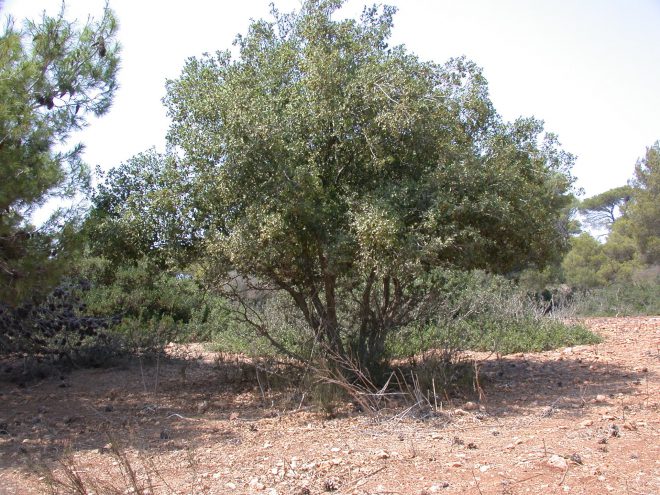
Palestine Oak

2. The Terebinth. Pistacia terebinthus, known commonly as terebinth and turpentine tree, is a species of Pistacia, native to Iran, and the Mediterranean region from the western regions of Morocco, and Portugal to Greece, western and southeast Turkey.

3. The Mediterranean Stinkbush, toxic and medicinal.
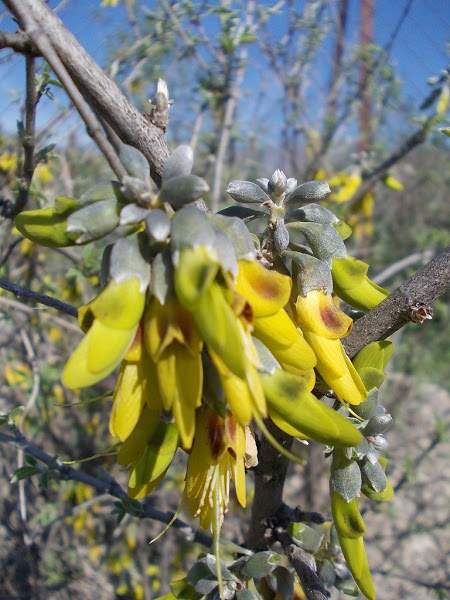
Mediterranean stinkbush
Mediterranean stinkbush photo via Project Noah 

4. Chamomile, which grows wild everywhere in the spring
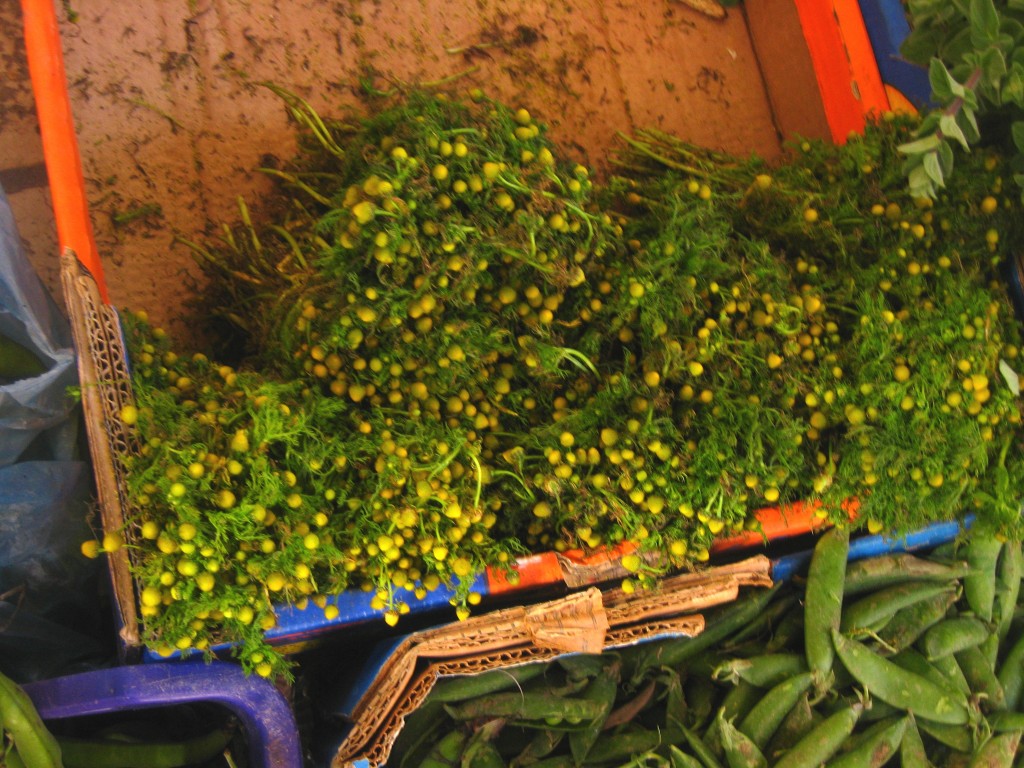
wild chamomile in a crate
Wild chamomile in a crate

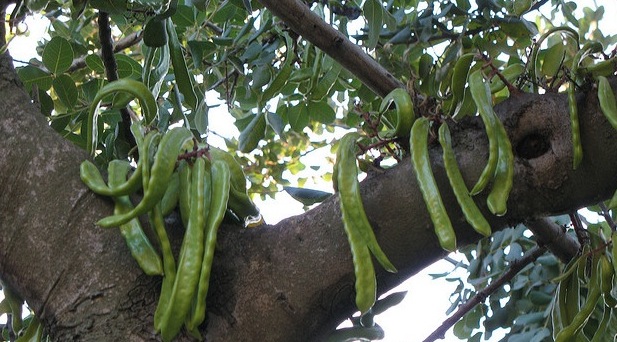
5. Carobs

carob beans unripe
Carob beans on a tree. Unripe and still green.

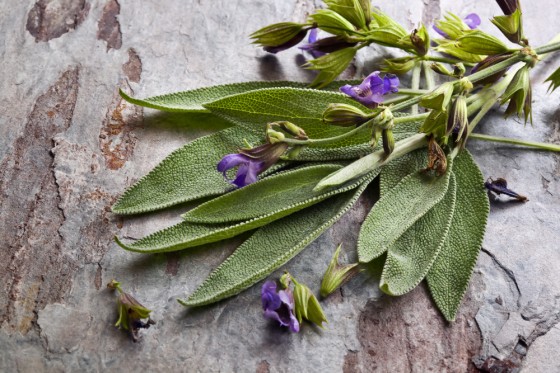
6. Sage

sage tea israel flowers healing medicine
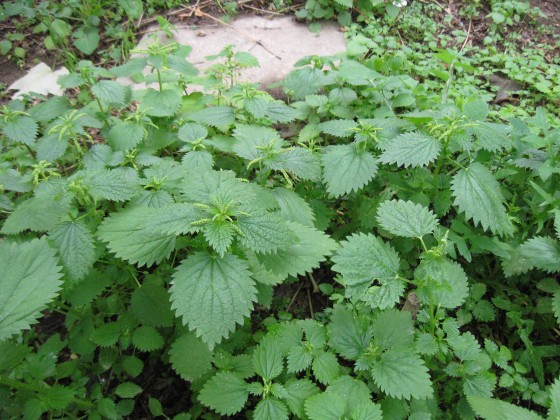
7. Nettles

image-nettles
Nettles in a backyard in Jaffa, Israel

8 Marigolds

All these plants have been known for centuries as wild edibles and medicine. Some destroy bacteria, others  work against fungus, others are anti-inflammatory and soothing, and yet others boost the immune system. New plants are added often to BioXplore’s list.

It seems that Israel’s climate encourages medicinal plants to produce strong medicine: “The aridity of Israel’s climate allows the essential oils to develop inside the plants,” Faran explains.
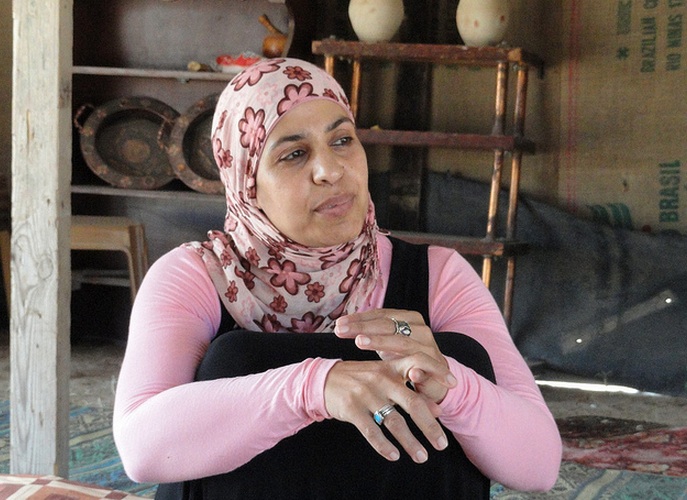
Miriam Aborkeek, Bedouin beauty expert from Israel
Miriam Aborkeek makes Bedouin beauty products and medicine the way her grandmother taught her. From local foraged weeds and plants.

Essential oils are the most medicinal part of any herb. And look to the local Bedouin, traditionally nomadic people of the Levant for beauty tips and health hacks. Try this fascinating story on the Bedouin of Jordan; And this desert daughter Bedouin who makes medicine is Israel, as her grandmother taught her.

The medicine in plants is based on the mysterious interaction of its own chemicals. Isolating a few of a plant’s properties may exploit some of its healing potential, but to draw out the best, the all of plants’ medicinal parts should be used. Hopefully, when it comes to manufacturing natural medicines, Bioxplore’s researchers will remember this.

More from Green Prophet on green medicine:
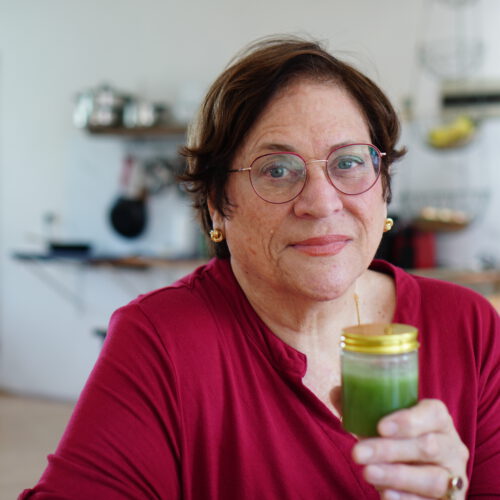
Miriam Kresh
Miriam Kreshhttps://www.greenprophet.com/
Miriam Kresh is an American ex-pat living in Israel. Her love of Middle Eastern food evolved from close friendships with enthusiastic Moroccan, Tunisian and Turkish home cooks. She owns too many cookbooks and is always planning the next meal. Miriam can be reached at miriam (at) greenprophet (dot) com.
1 COMMENT
  1. Dr Sir or Madam

    My name is Dr. Thomas Thomidis and I work as Plant Pathologist in ATEI Thessaloniki, Department of Agricultural Technology. I am in collaboration with private companies working on the cultivation of medicinal plants and the production of essential oils. I have worked on the possibly uses of essential oils and their components to control pest and diseases of plants. We try to develop specific products for commercial uses. There is announcement of binational research project between Greek and Israili companies and I really interest to see the possiblity to submit a project together ( http://www.matimop.org.il/article.aspx?id=28716). I and my research team really interest to collaborate and submit a proposal together. I will include one of the Greek companies of which I collaborate as a second partner in Greek side, I really appreciate if you accept my invitations

    Yours SIncerely
    Dr. Thomas Thomidis

Comments are closed.

Hot this week

How Renewable Energy is Revolutionizing the Way We Power Our World

Solar has become the star of the transition thanks to modular hardware and straightforward installation. It fits dense cities and remote towns alike. Many companies are turning to rooftop arrays and carport systems - and exploring commercial solar installation as a practical way to lock in future savings.

How does one start prepping?

Faced with an extreme winter storm this year, Americans wonder how to be prepared for catastrophe. Miriam has lived through wars in the Middle East - so she's prepared on giving you a guide to prepping.

Fishermen sue tire manufacturers on behalf of the salmon

A federal trial in San Francisco has brought US tire manufacturers, fishing groups, and environmental scientists into court over a chemical most drivers have never heard of — but which scientists say may be silently reshaping aquatic ecosystems.

Listening to Water: Tarek Atoui’s Next Work for Tate Modern

Born in Beirut, Lebanon in 1980 and now living in Paris, Atoui has spent years building instruments that don’t sit comfortably in concert halls. Many of them involve water, glass, and ceramics — materials that react to sound instead of simply producing it.

Leading Through a Dual-Energy Transition: Balancing Decarbonisation with Energy Security

Experience in one area of the energy industry isn't enough to guarantee readiness across all the others. That's where a structured program like an MBA in energy can come in. Today's advanced curricula explore energy economics, finance, policy, and strategic management alongside the technical subjects. And when pursuing an energy MBA online, professionals can skill up and retrain without having to step out of the labor market -- an important perk at a time when skilled professionals are already in short supply.

Topics

How Renewable Energy is Revolutionizing the Way We Power Our World

Solar has become the star of the transition thanks to modular hardware and straightforward installation. It fits dense cities and remote towns alike. Many companies are turning to rooftop arrays and carport systems - and exploring commercial solar installation as a practical way to lock in future savings.

How does one start prepping?

Faced with an extreme winter storm this year, Americans wonder how to be prepared for catastrophe. Miriam has lived through wars in the Middle East - so she's prepared on giving you a guide to prepping.

Fishermen sue tire manufacturers on behalf of the salmon

A federal trial in San Francisco has brought US tire manufacturers, fishing groups, and environmental scientists into court over a chemical most drivers have never heard of — but which scientists say may be silently reshaping aquatic ecosystems.

Listening to Water: Tarek Atoui’s Next Work for Tate Modern

Born in Beirut, Lebanon in 1980 and now living in Paris, Atoui has spent years building instruments that don’t sit comfortably in concert halls. Many of them involve water, glass, and ceramics — materials that react to sound instead of simply producing it.

Leading Through a Dual-Energy Transition: Balancing Decarbonisation with Energy Security

Experience in one area of the energy industry isn't enough to guarantee readiness across all the others. That's where a structured program like an MBA in energy can come in. Today's advanced curricula explore energy economics, finance, policy, and strategic management alongside the technical subjects. And when pursuing an energy MBA online, professionals can skill up and retrain without having to step out of the labor market -- an important perk at a time when skilled professionals are already in short supply.

From Green Energy to Healthy Societies: Why old systems thinking is becoming relevant again

Across the Middle East and North Africa, large investments are being made in green hydrogen, renewable energy, water infrastructure and sustainability. Most of these efforts are discussed in the context of climate change, decarbonization and economic diversification. That framing is important, but it may not capture their full value.

We saw peace – an interreligious encounter deep in our eyes

They came from Israel, Palestine, Jordan, Iraq, Yemen, Morocco, Tunisia, Lebanon, Egypt… There are Sunni Muslims, Shiite Muslims, Jews (Orthodox and Reform), Orthodox Christians, Coptic Christians, Protestant Christians, Druze, Baha'is, a Scientologist.

Can biochar reduce ‘Forever Chemicals’ in food if it’s used in farms?

Biochar is produced by heating organic material in a low-oxygen environment so it does not burn. This process, known as pyrolysis, transforms plant matter into a stable, carbon-rich material.

Related Articles

Popular Categories