


Reliable light matters in more places than ever. It matters on a back road after sunset, in a cabin with limited power, and at home during a storm outage. Research across sustainability guidance, preparedness resources, and off-grid living coverage points to one clear takeaway: people want lighting that works well, lasts longer, and creates less waste.
That shift helps explain why eco-friendly flashlights are getting more attention. They support two goals at once. They provide travelers and households with a reliable source of light and reduce the need for piles of disposable batteries. For people trying to live a little lighter or prepare a little better, that is a practical combination.
Why Off-Grid Travel Is Pushing Better Lighting Choices

Off-grid travel tends to expose weak gear fast. A flashlight that drains quickly, feels bulky, or depends on a constant stream of fresh batteries becomes a hassle. In that setting, simple design matters. So does efficiency.
That is why flashlights remain one of the most useful items in a travel kit. A good flashlight handles short tasks, longer nights, and unexpected situations without taking up much room. Green Prophet’s coverage of greener off-grid living has highlighted rechargeable lighting as part of a more thoughtful setup, especially for people who want dependable gear with a lighter footprint.
The eco-friendly case starts with power. Rechargeable flashlights cut down on battery waste and reduce the cycle of buying, storing, and tossing single-use cells. That makes travel easier in a practical sense, but it also supports a more responsible approach to gear. The U.S. Environmental Protection Agency notes that better battery management helps reduce waste, recover materials, and prevent pollution. For people who spend time outdoors, that is not a minor point. It connects a small buying choice to a larger environmental habit.
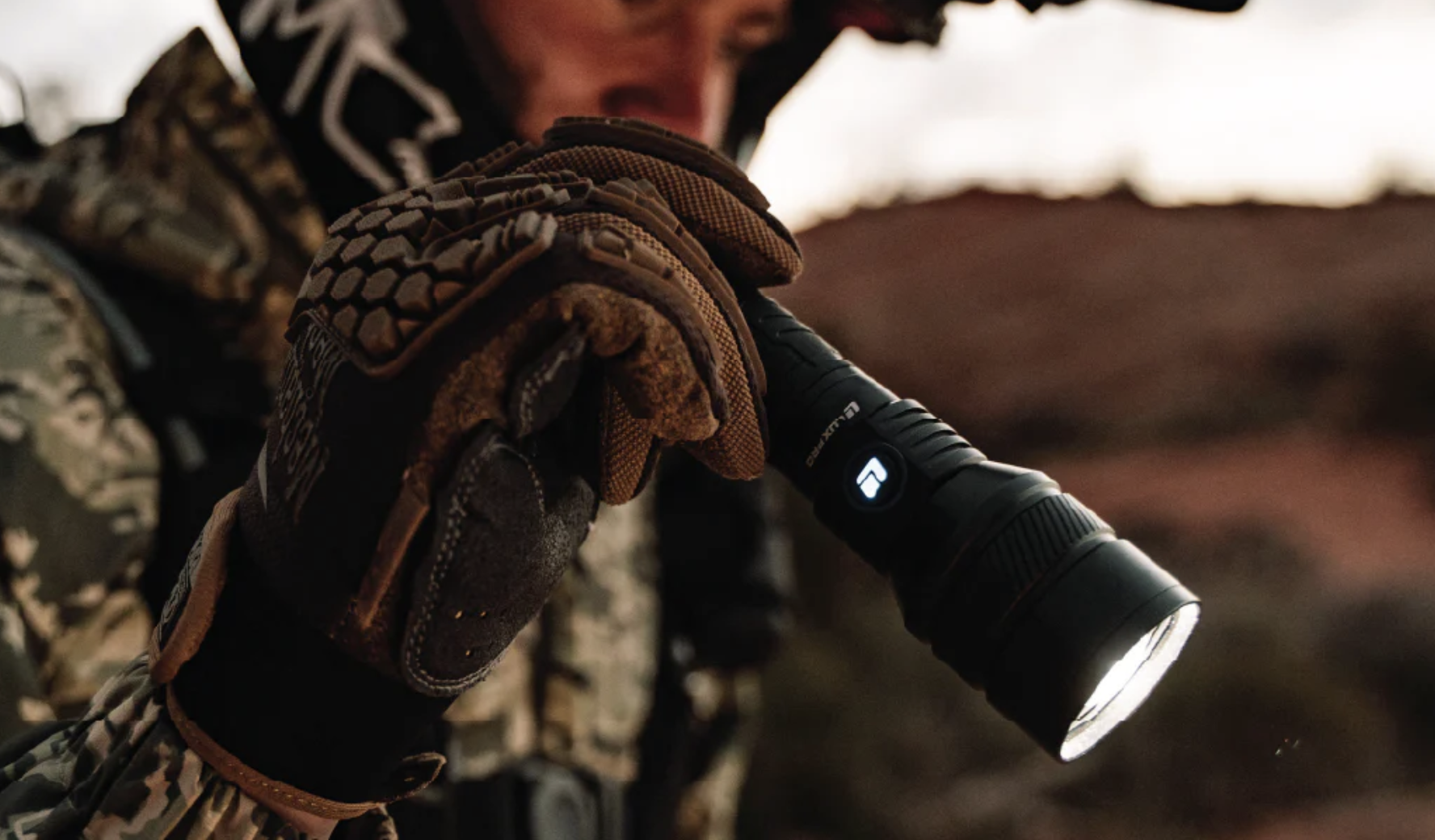
Efficiency also helps in the field. LED-based lighting uses far less energy than older lighting technology and tends to last much longer. With a flashlight, that can mean fewer charges, less strain on backup power, and more confidence when an outlet is nowhere in sight. A traveler using a small power bank, solar charger, or compact generator benefits from every bit of saved energy.
There is also a comfort factor that often gets overlooked. Off-grid travel already asks people to think about water, power, weather, and storage. Lighting should reduce stress, not add to it. A dependable flashlight that charges easily and performs consistently can make a campsite, cabin, or vehicle setup feel more manageable.
Why Home Preparedness and Sustainability Work Well Together

Preparedness has become less of a niche concern and more of a basic household habit. People do not need to live far from the grid to understand the value of backup light. Storms, outages, and other disruptions can happen almost anywhere, and they rarely arrive at a convenient time.
That is one reason flashlights still show up on official emergency supply lists. Ready.gov includes flashlights in its kit guidance, and Green Prophet’s own preparedness coverage points readers toward keeping one, or more than one, available. A dedicated flashlight is easier to rely on than a phone light during a longer outage. It keeps a phone battery free for calls, messages, alerts, and maps. It is also usually easier to aim, store, and hand to someone else in the house.
Eco-friendly models bring extra value here. A rechargeable flashlight is easier to keep in regular use, making it more likely to be ready when needed. It can live in a kitchen drawer, near the bed, in a closet, or in a car and be topped off as part of a simple routine. That is very different from the old pattern of finding a flashlight during an outage, only to discover the batteries are dead or missing.
There is a clutter benefit too. Households that rely on disposable batteries often end up managing extras, checking expiration dates, and throwing away old cells. Rechargeable options simplify that process. Fewer loose batteries, less waste, and a more predictable system all make preparedness easier to maintain.
This is where sustainability becomes practical, not abstract. Reducing battery waste is a meaningful goal, but it also makes daily life simpler. An item that supports both readiness and lower waste tends to earn a permanent spot in the home.
What to Look for in an Eco-Friendly Flashlight

Not every flashlight marketed as eco-friendly will be the right fit. The best choice depends on how it will actually be used. For off-grid travel, portability matters. For home preparedness, ease of access and ease of charging may matter more. In either case, a few features stand out.
Rechargeable power is the obvious one. It cuts battery waste and makes the flashlight easier to maintain over time. LED performance is another strong sign of efficiency. Durability matters too. A product that lasts longer is usually the better environmental choice than one that needs early replacement.
Battery life should also match real use, not just marketing language. Some people need a flashlight for quick household checks. Others need one for longer periods outdoors or during outages. Brightness matters, but so does control. A flashlight that offers practical light levels without draining too fast tends to be more useful than one built only around maximum output.
The larger trend is simple. People want gear that fits everyday life, supports preparedness, and does not create unnecessary waste. Eco-friendly flashlights fit that need well. They are small enough to keep close, useful enough to rely on, and efficient enough to support a lower-waste routine.
A Smarter Light for Uncertain Moments
A flashlight may seem like a small purchase, but it does a lot of work when conditions are less than ideal. It helps on dark trails, in quiet camp setups, during power failures, and in the everyday moments when dependable light matters most.
That is what makes eco-friendly flashlights stand out. They offer the steady usefulness people expect, while reducing battery waste and supporting a more efficient way to prepare. For anyone building a better home kit or packing for time off-grid, flashlights remain one of the simplest upgrades with the most lasting value.