
Souk El Tayeb in Beirut has always been more than a farmers’ market. It is a small miracle in the heart of Lebanon—a community place where farmers, cooks, refugees, artisans, and city dwellers gather around the simple idea that food can heal a country.
Founded in Beirut during a time of deep political strains, Souk El Tayeb became a meeting place where sect, class, and region dissolve into the shared pleasure of tasting ripe tomatoes, kneaded manousheh, or warm kebbeh made by someone whose village you may have only heard about.
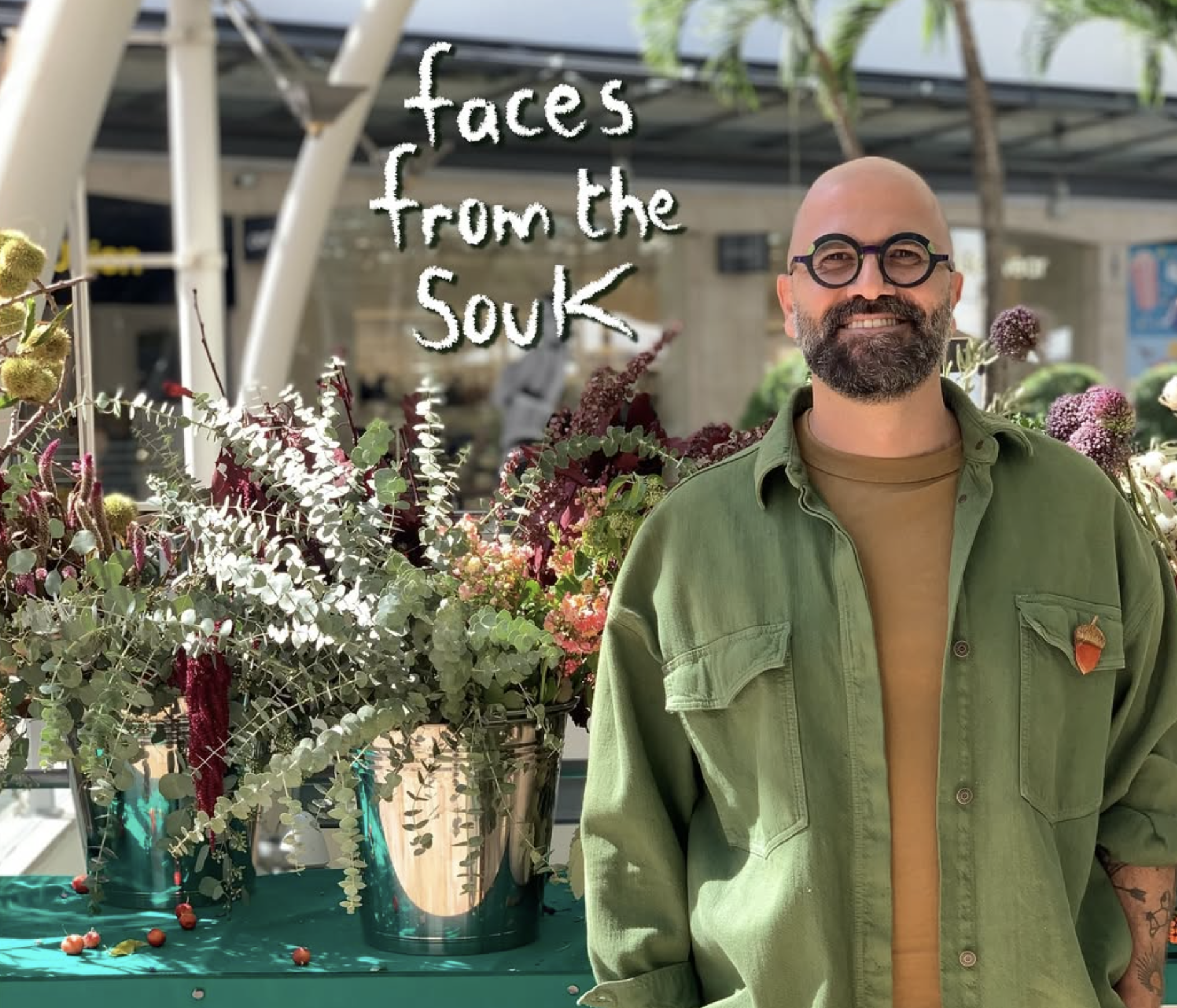
What makes Souk El Tayeb remarkable is not only its insistence on local, seasonal produce, but its belief that dignity and sustainability must go hand in hand. Farmers are paid fairly. Villages are uplifted. Traditional recipes are kept alive not as nostalgia but as knowledge systems: real food is carbon-light, waste-free, and is adapted to the land.
In a region where instability and terror threatens the smallest things, Souk El Tayeb remains defiantly hopeful, stitching Lebanon back together one shared meal at a time.(Related: The Pope was just visiting Lebanon uplifting the spirits even more).
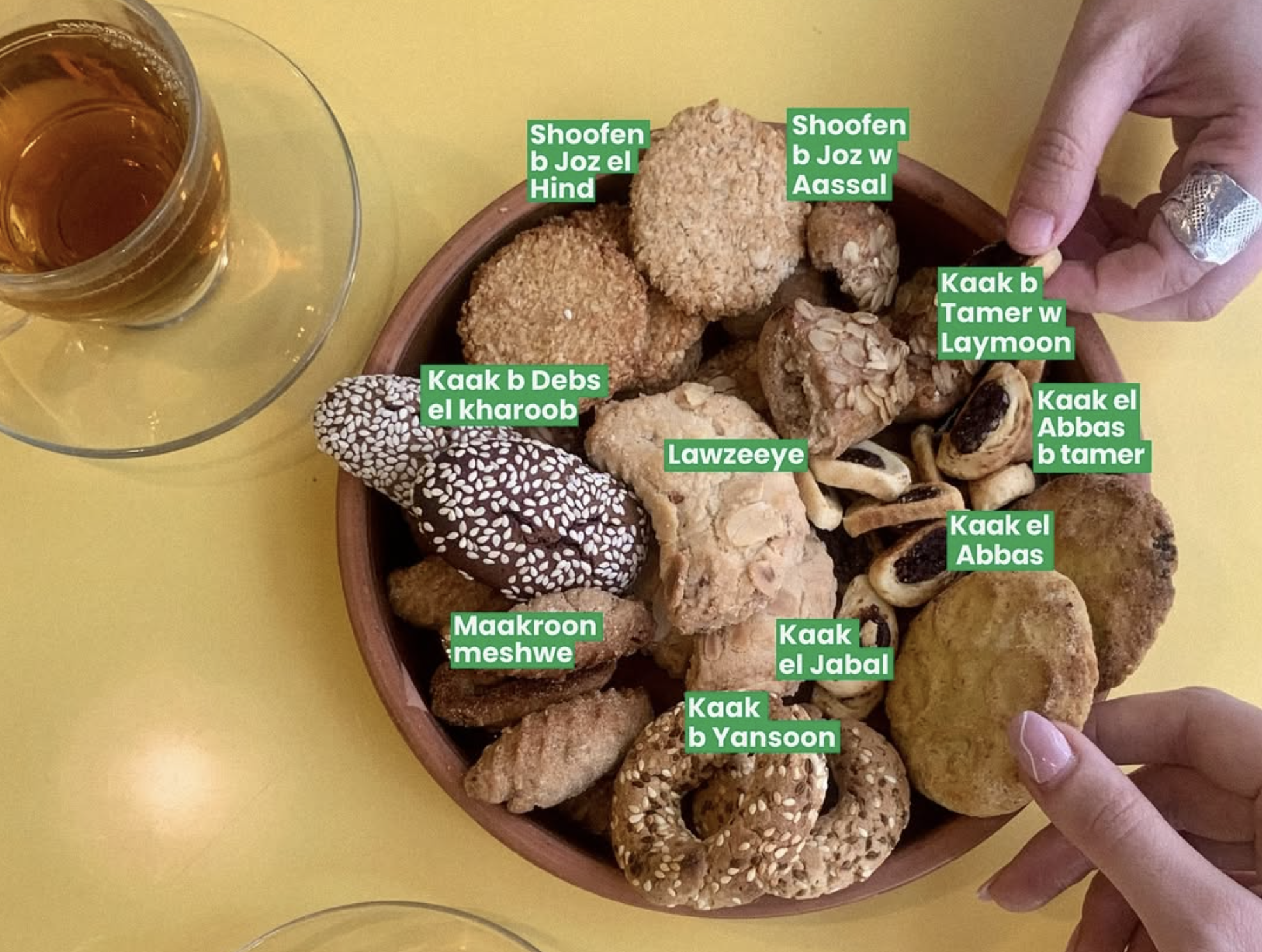
And now Lebanon prepared for Eid el-Barbara, a celebration as rooted in the soil as in faith, it’s like a kind of Halloween, but gentler. As Souk El Tayeb writers described it: “It tells the story of Barbara (Saint Barbara), a pious Christian in Roman times, whose father, the pagan ruler of Baalbek, wanted to kill her for her forbidden Christian beliefs. It’s celebrated December 5 in the Middle East, and December 17 in Europe.
“To escape him, she disguised herself (hello costumes!) and ran through bare fields that miraculously grew into tall wheat to hide her as she fled.”
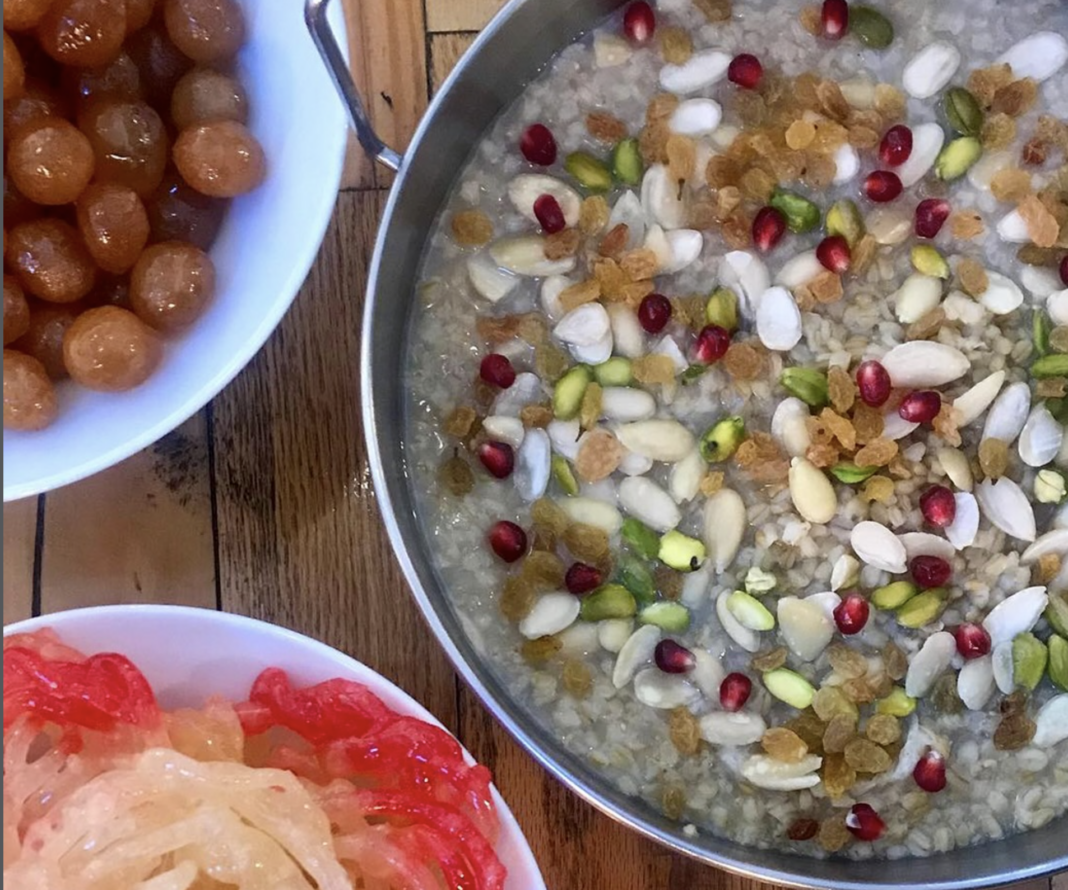
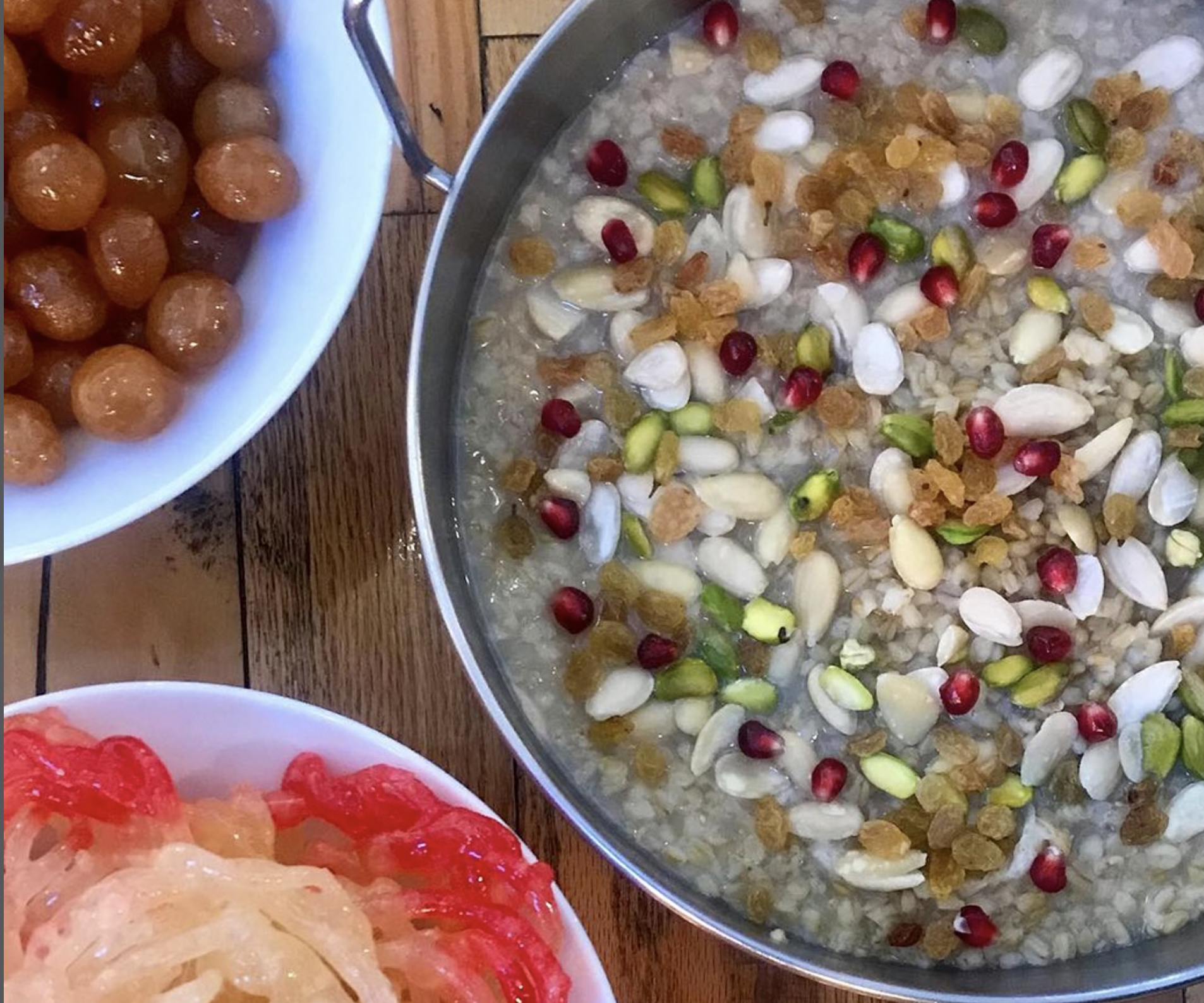
To remember the miracle of the wheat, families cook amhiyeh and atayef, and children plant soaked wheat, beans, or lentils on beds of cotton.
By Christmas, the sprouts become a soft green carpet for the nativity scene, the مغارة الميلاد.
This ritual also exists in Provence, where wheat is planted on Sainte-Barbe’s Day. Lebanon, France, and a shared tradition of sprouting hope in the darkest month of the year.
Another tradition is eating qatayef, a stuffed cookie, which is also eaten at Ramadan.
Eid il-Burbara or Saint Barbara’s Day, and also called the Feast of Saint Barbara, is a holiday annually celebrated on 17 December or 4 December amongst Middle Eastern Christians in Lebanon, Syria, Jordan, Palestine and Turkey. It is also celebrated as Barbaroba amongst Christians in Georgia.