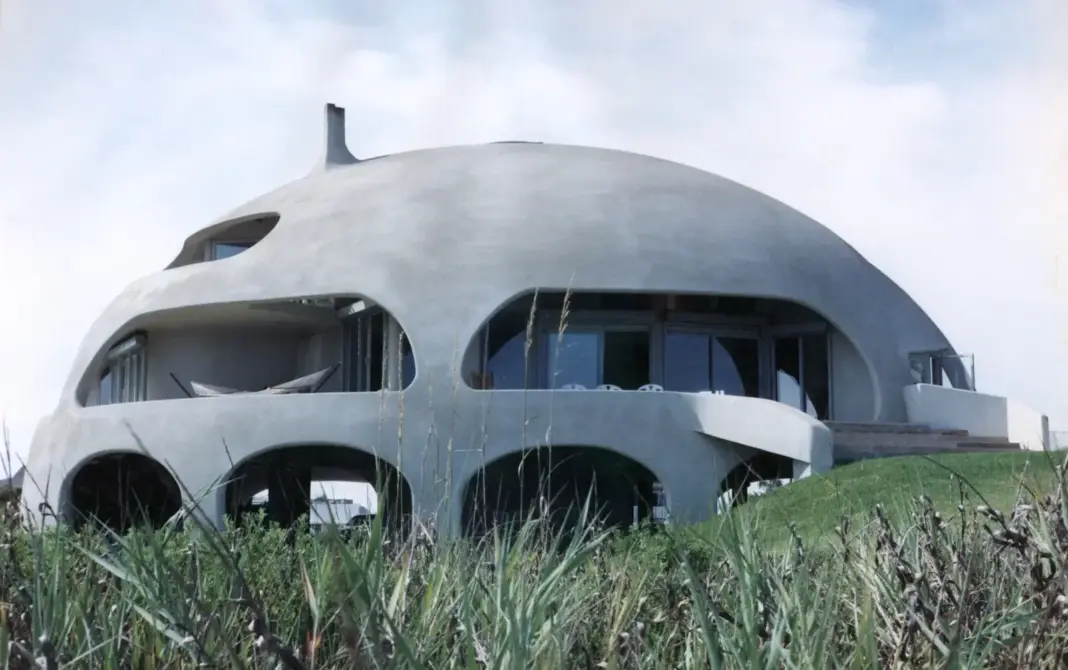


Circular homes are having a renaissance. From inflatable concrete shelters to earthen superadobe domes and traditional adobe roundhouses, curved structures promise strength, energy efficiency, and resilience in a hotter, stormier world. Their geometry sheds wind, holds heat, and uses fewer materials than boxy buildings. They also just feel better, as bed-“womb” builder Hassan Fathy always said.
But there’s one practical concern that consistently comes up when readers explore these climate-smart homes: How do you put flat windows into round walls?
Curved architecture may be ancient, but modern living still expects views, ventilation, and natural light. Fortunately, builders have developed elegant, low-tech solutions that work across materials and climates. Here’s a guide to the most effective ways to fit windows into round or dome-shaped homes.
Create a Flat “Window Buck” Inside the Curve
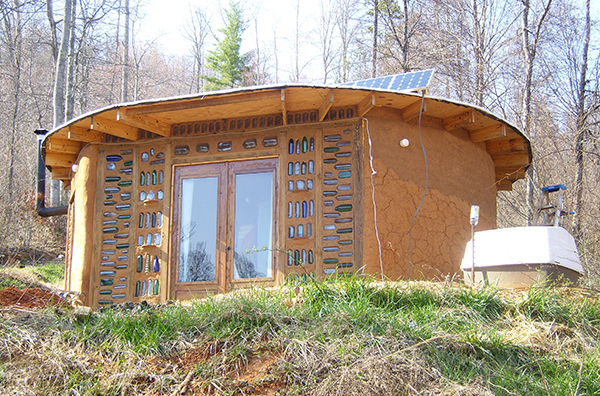
This is the most common method used in superadobe domes, monolithic domes, inflatable concrete houses, and even straw bale roundhouses. A window buck is a rigid, rectangular insert made from wood, steel, or composite. It’s placed into the wall while the dome or roundhouse is being built.
How it works: Construct a strong rectangular frame the size of your chosen window. Anchor it to rebar, mesh, or the foundation. Build your curved wall—earthbags, adobe, or sprayed concrete—snugly around the frame. Install a standard flat window once the wall cures.
Why builders use it: It interrupts the curve just enough to create a flat surface without weakening the dome. Standard windows fit perfectly, and the buck acts like a structural anchor.
Shape an Arched or Vaulted Opening (The Classic Adobe Method)

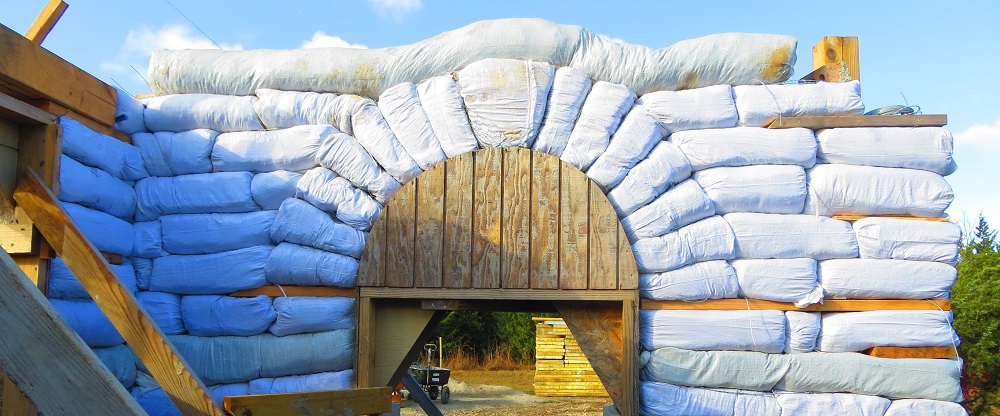
In traditional Middle Eastern and North African adobe buildings, window openings are shaped as arches carved into thick earthen walls. The windowpane stays flat, but the curved walls taper gracefully toward it.
Benefits: The arch distributes structural loads evenly. No lintels needed, reducing cracking. Creates deep, shaded window wells—excellent for cooling in desert climates. Ideal for passive solar design. This method is especially beautiful in hand-plastered homes and pairs well with natural finishes.
Add a Mini Flat Section or Buttress for the Window
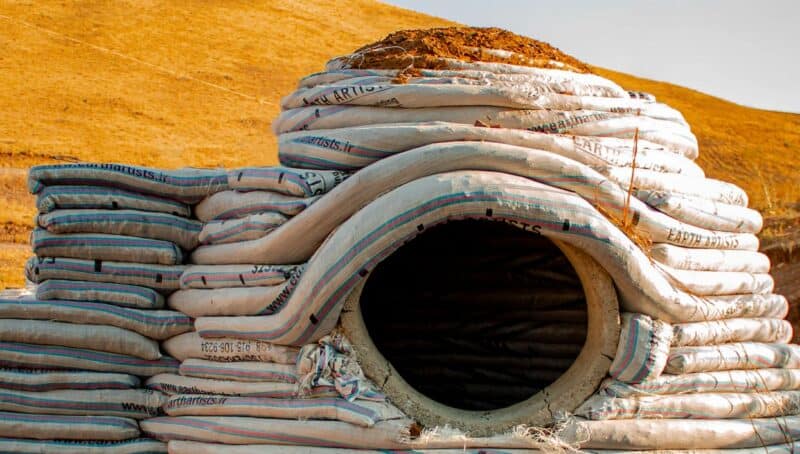
Curved homes don’t need to be perfectly round. Builders often create a subtle flat segment or “mini buttress” — just wide enough for a window. This technique is common in eco-resorts in Sinai, Jordan, and Portugal that want the sculptural look of domes but the convenience of standard glazing. Why it works: It’s simple, avoids complex carpentry or brick work, and creates a stable vertical plane for installation without disrupting the overall geometry.
Install Circular or Porthole-Style Windows

Some builders embrace the curve by choosing round or oval windows. These are custom-builds, and more expensive options generally. Plastic windows, with tints, may be found in home and dome kits for a reduced fee.
Where you’ll see them: Inflatable concrete bunkers, monolithic domes, tiny eco-homes, storm-resistant shelters and in barrel sauna. They eliminate the need for a flat insert and can withstand extreme wind. Repurposed marine portholes are surprisingly popular thanks to their durability and charm.
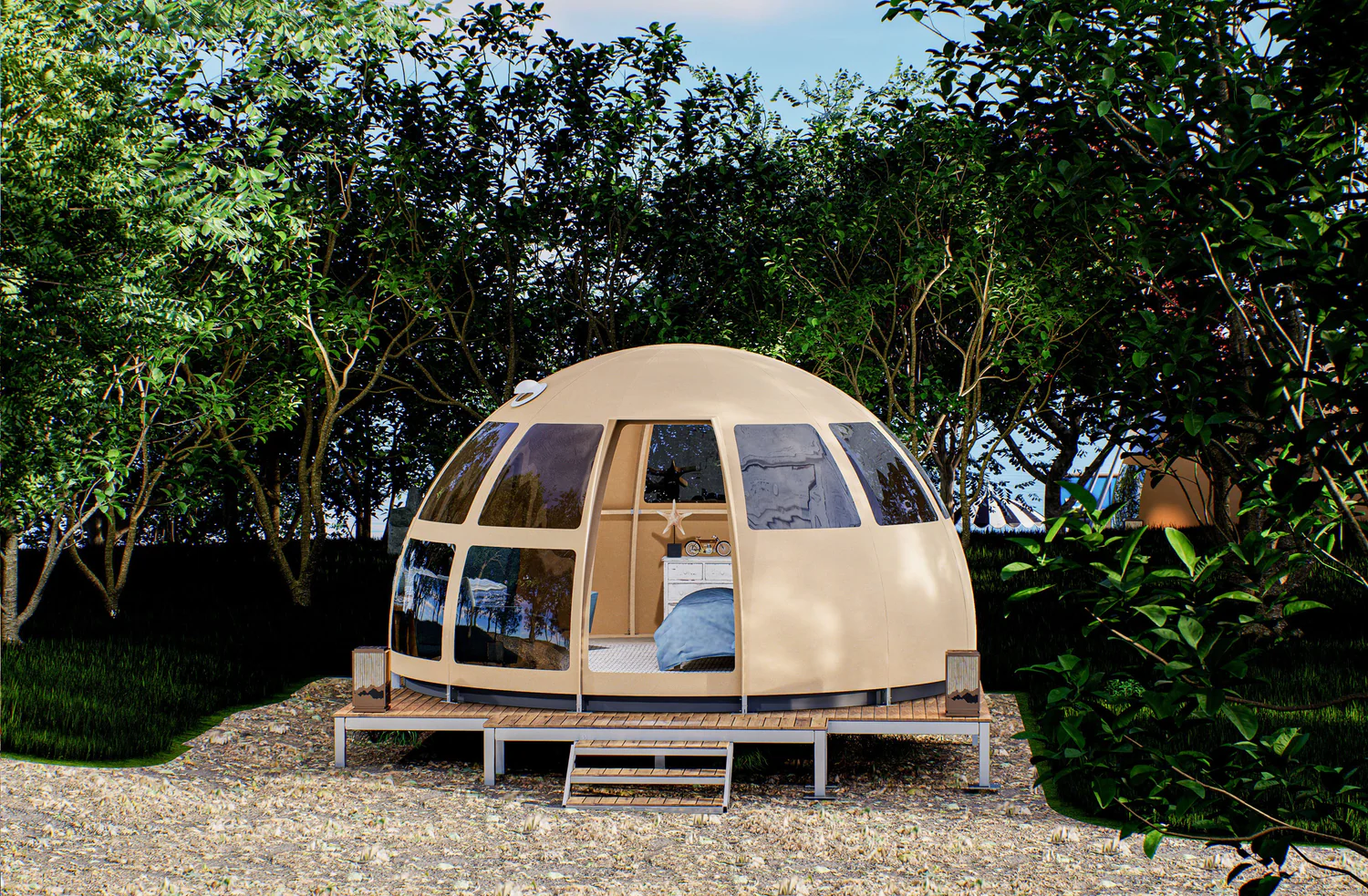
Round homes ask us to rethink building conventions. Their curves offer comfort, efficiency, and surprising strength—but they require intentional window design. Whether you’re building in the desert, forest, or city fringe, one of these solutions will fit your climate, materials, and aesthetic.