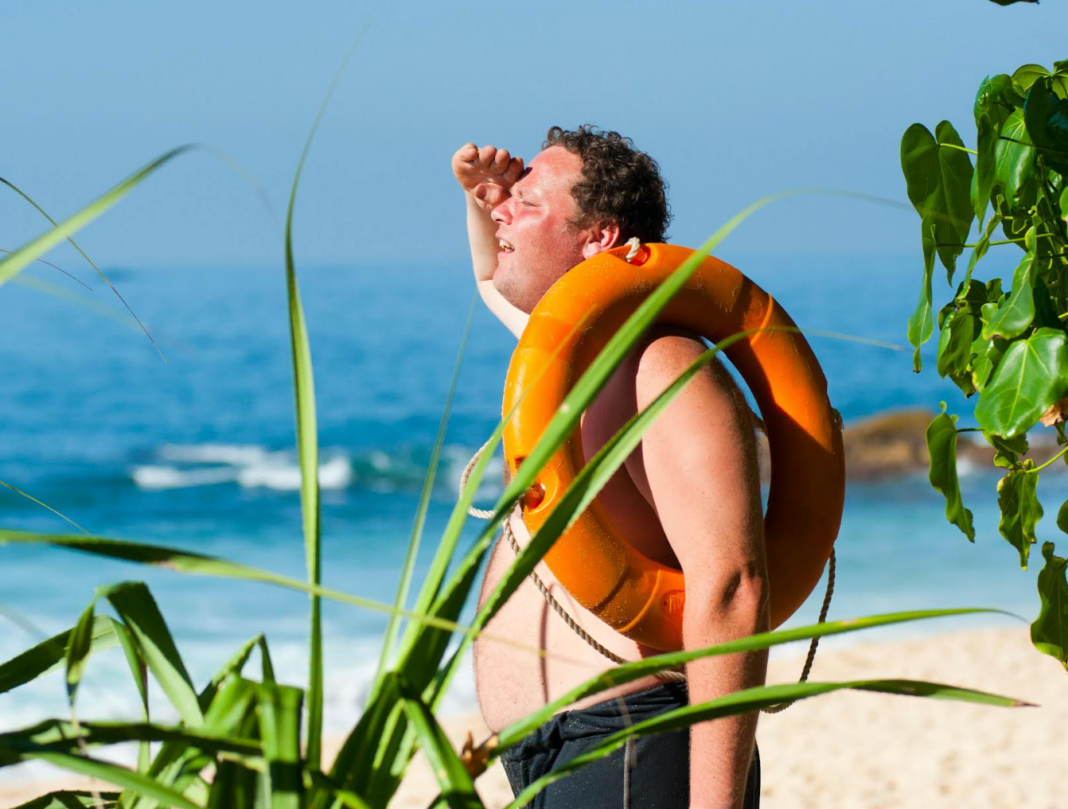


With flash floods, droughts, and record-breaking heatwaves, there is no doubt that climate change’s impact is becoming more significant. In Canada, experts warn that climate change is changing the country as we know it. For instance, backyard rinks may become a thing of the past, given how raging temperatures are making ice formation harder. Similarly, wildlife is also in danger as lack of water sources and increasing incidences of forest fires impact their habitats.
Climate change is also directly impacting human health. Studies have found that the eyes are especially vulnerable, with rising vision issues partly attributed to climate concerns.
All eyes on climate change
To date, a growing number of Canadians suffer from some degree of vision impairment. Numbers from Statistique Canada reveal that up to ¼ of all respondents experience ocular issues serious enough to require correction. As such, in just the fourth quarter of 2023, sales of medical devices, such as corrective eyeglasses, were almost $700 million nationwide.
Apart from genetic and medical reasons, like diabetes, eye problems can also be caused by exposure to harmful elements. With climate change, these elements are more prevalent, with intense sun rays, extreme weather events, and increased pollution being the most pressing. In line with this, the World Economic Forum even states that climate change is more harmful to eye health than other vision-impacting factors. As such, it’s important to implement eye-protective measures in our daily routines.
Daily habits that can protect the eyes from climate change
Wear sunglasses
Because of climate change, the ozone layer is severely damaged, causing sun rays to penetrate the surface of the Earth unfiltered. This has been directly connected to a rise in eye conditions like photokeratitis, and photoconjunctivitis. What’s more, up to 20% of all cataract cases today are believed to be the result of too much UV exposure. To prevent this from happening to you, make sure to wear protective sunglasses whenever you’re outside.
Available from retailers like Clearly and Warby Parker, shades offer 100% UV protection for the eyes. In the event that you already have refractive errors, opt for prescription sunglasses instead. Fashionable retailer Ray-Ban has models that are available in many trendy styles, including Aviators and Wayfarers in bio-based frames. While they may look like normal sunglasses, the lenses can be treated with your particular prescription. This eliminates the need to swap between eyewear or forego shades for the sake of your glasses.
Use eye drops
Another reason eye problems are more widespread with climate change is the more concentrated levels of impurities in the air. Note that traffic-related air pollution alone has been connected to the development of severe eye allergies and even diseases that cause vision loss, like glaucoma and age-related macular degeneration (AMD). With this in mind, it’s important to keep your eyes cleansed of impurities. Aside from your natural tears, artificial drops can help.
As seen on manufacturers like Bausch + Lomb, these products can gently lubricate the eyes and help flush out irritants. Just make sure that the eye drops you use are cleared by Health Canada. Since these products go right into the eye, it’s important that they’re not contaminated or lacking in preservatives that prevent microbial growth.
Wash your hands
Since climate change can cause ocular discomfort, you may be tempted to rub or scratch your eyes as a means to soothe them. However, this is dangerous as it can lead to corneal abrasions or the entry of bacteria. In worst-case scenarios, this can lead to trachoma. The World Health Organization (WHO) explains that trachoma is the leading infectious cause of blindness worldwide and is spread through personal contact, like if your hands touch your eyes.
So, while you really should make it a point not to touch your eyes unnecessarily, it’s still best practice to keep your hands clean just in case you forget. Washing with soap and water is best, but using a gentle sanitizer can also work. Hand sanitizer maker Fluid Energy states that sanitizers use up to 80% alcohol, meaning they can kill most bacteria and viruses on your hands.
Overall, climate change shows no signs of slowing down. Environmental reports estimate that fossil fuel production, carbon emissions, and surface heating will only increase. It’s time to take control of your wellness and protect your vision.