
Pinatex bio-materials files for bankruptcy

Ananas Anam made Pinatex from leather waste

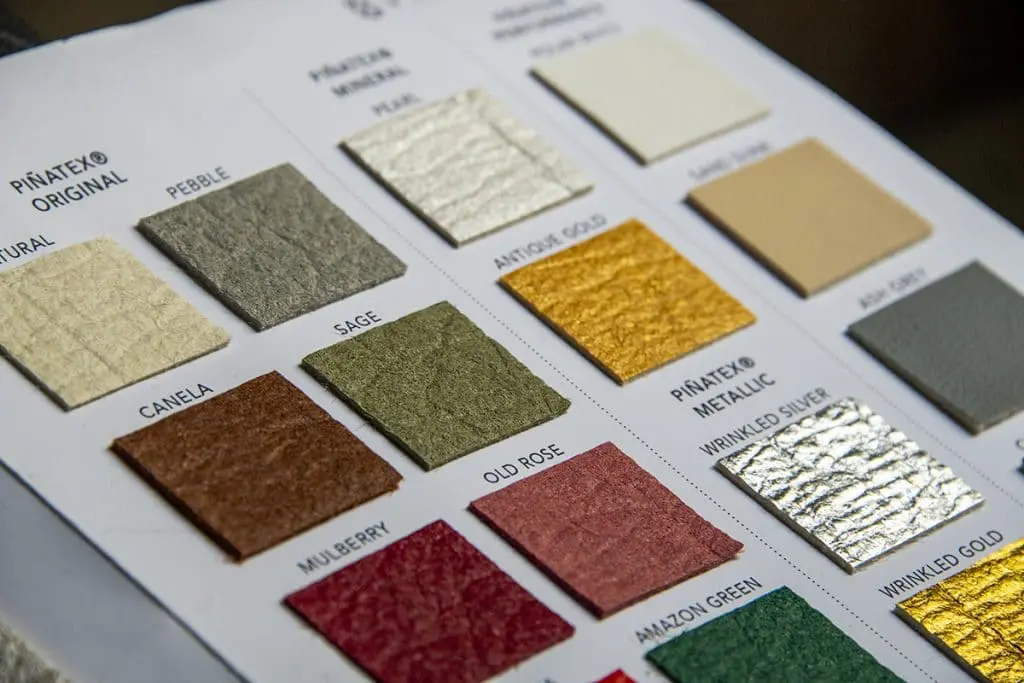
Ananas Anam, the UK-based company behind Piñatex, a plant-based leather alternative made from pineapple leaf fiber, has entered insolvency proceedings after more than a decade in operation. Are bio-materials where dreams go to die?

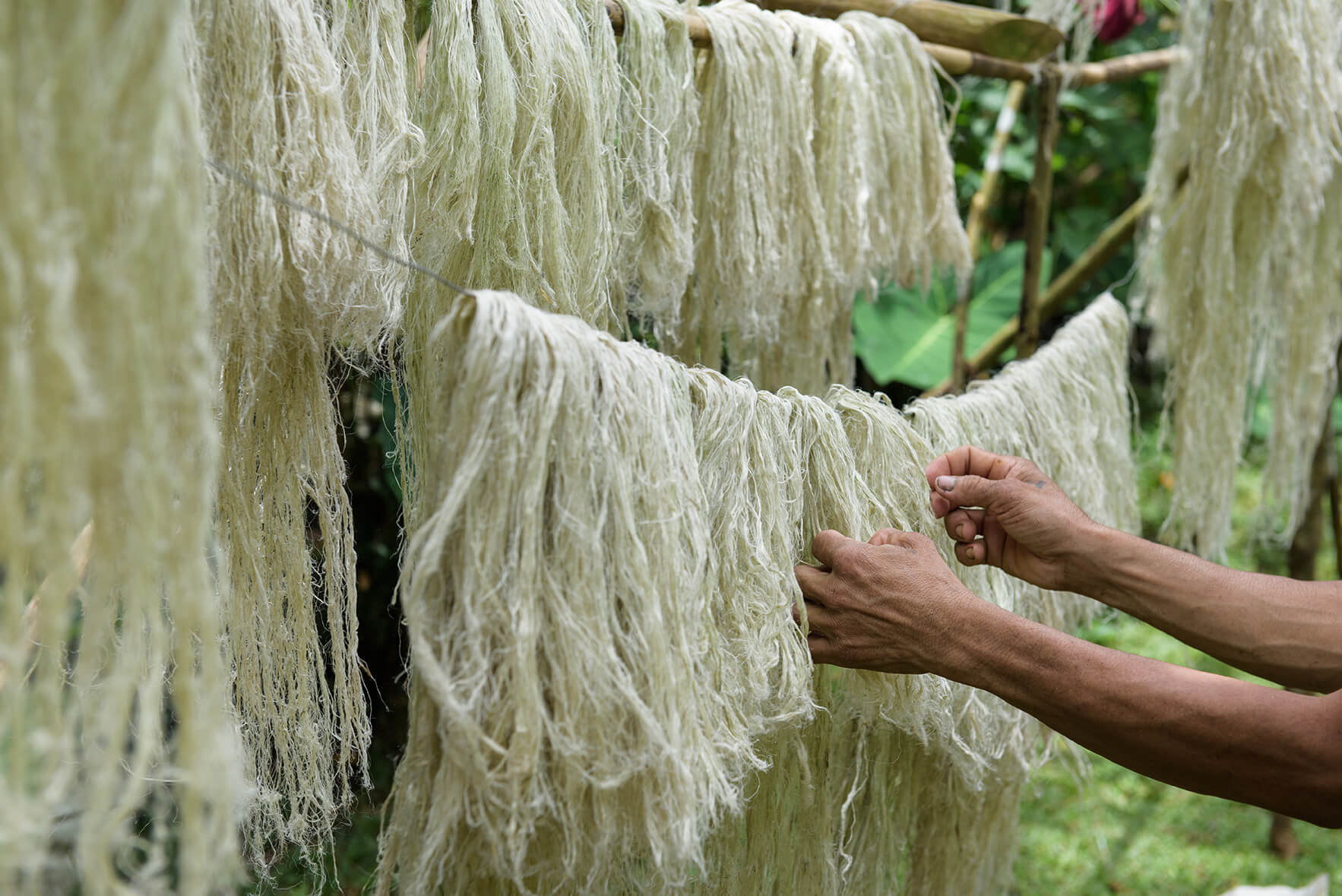
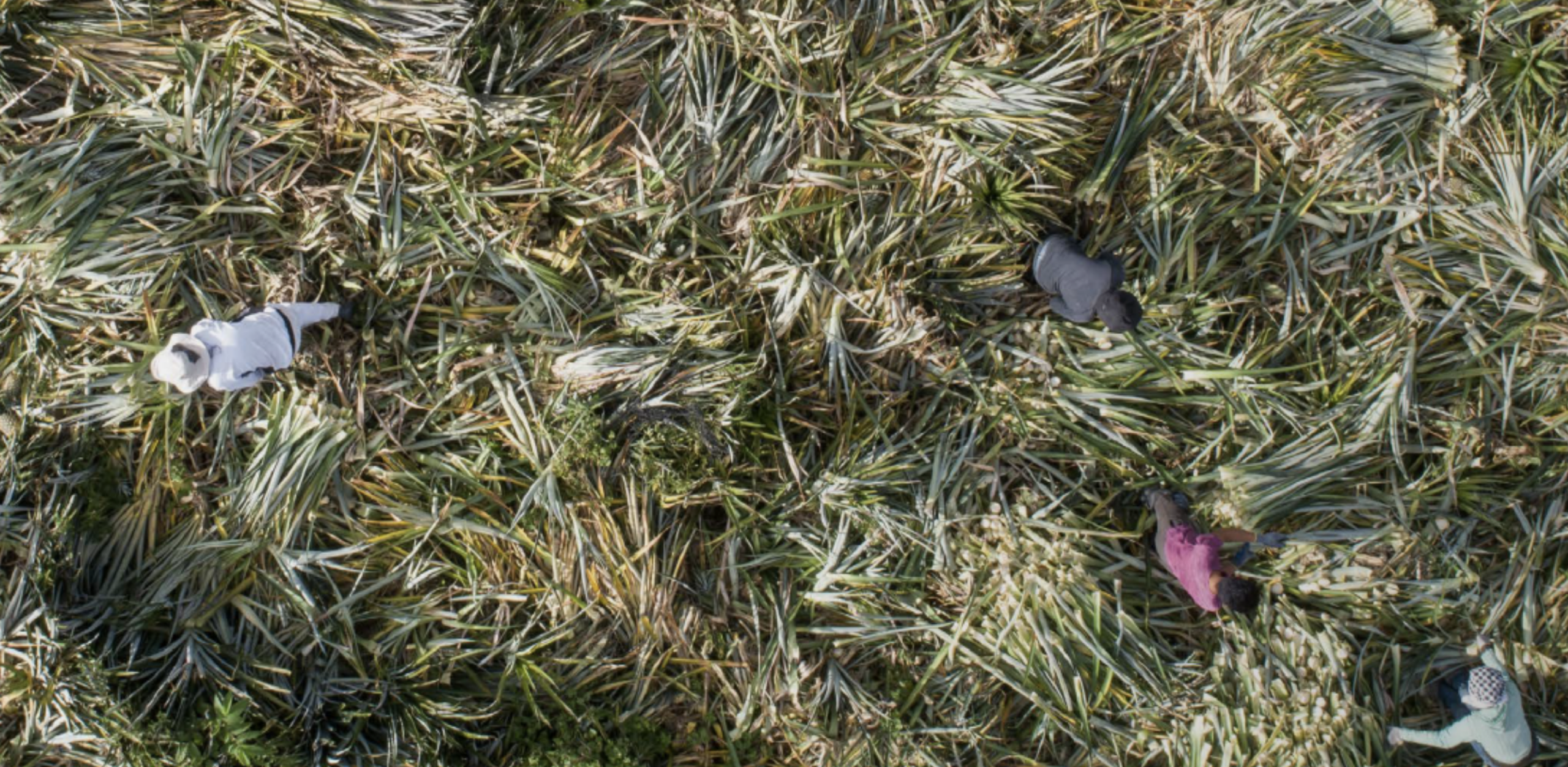
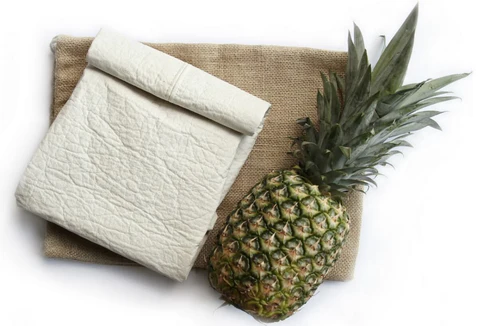
Founded in 2013 by Carmen Hijosa, the company was considered an early pioneer in the “next-generation” sustainable materials movement. Piñatex uses fibers extracted from pineapple leaves, an agricultural by-product typically discarded after harvest, to create a non-woven textile marketed as an alternative to animal leather. (Dead Sea cement bricks apply the same concept).
Piñatex, pineapple leather, plant-based leather, vegan leather alternative, sustainable fashion materials, bio-based textiles, agricultural waste fiber, pineapple leaf fiber, eco fashion innovation, leather alternative fabric, sustainable textiles, circular fashion, next generation materials, cruelty-free leather, fashion sustainability, Carmen Hijosa, Ananas Anam, sustainable material startup, green fashion industry, biodegradable textiles
Pinayarn raw material, from Ananas Anam

Over the years, Ananas Anam secured collaborations with global brands including Nike, H&M, Inditex and Ecoalf. However, according to UK insolvency filings, the company struggled to achieve sustained commercial scale. And Ananas Anam UK formally entered insolvency proceedings last year. This is a business lesson to hopefuls looking to create an impact business.

According to Companies House filings: 2023 turnover: £240,849 (down from £419,849 in 2022); 2023 loss: £1.14 million. The Spanish subsidiary reported €518,515 in revenue in 2023 (down 20.4% year-on-year) and losses of €1.03 million.

Stella McCartney supports the use of sustainable materials without the risk. A smart business model or a parasitic approach to sustainable fashion?

The same month that Ananas Anam was filing bankruptcy, Stella McCartney was advertising its materials in her latest collections.
Stella McCartney supports the use of sustainable materials without the risk. A smart business model or a parasitic approach to sustainable fashion?
Stella McCartney supports the use of sustainable materials such as Pinayarn, without the risk. A smart business model or a parasitic approach to sustainable fashion?

The filings state that the company required continued external investment and was unable to generate sufficient operational cash flow to sustain growth. Ananas Anam probably should have raised VC or investment capital to scale and grow its dream to make natural waste a viable bio-material that could work in the machinery of today’s textile operations.
Piñatex, pineapple leather, plant-based leather, vegan leather alternative, sustainable fashion materials, bio-based textiles, agricultural waste fiber, pineapple leaf fiber, eco fashion innovation, leather alternative fabric, sustainable textiles, circular fashion, next generation materials, cruelty-free leather, fashion sustainability, Carmen Hijosa, Ananas Anam, sustainable material startup, green fashion industry, biodegradable textiles
Pinatex leather

In late 2024, restructuring firm Leonard Curtis was engaged to assess the company’s financial position. Ananas Anam sought new investors, including discussions with produce company Del Monte, which provided interim funding totaling €300,000, followed by an additional €100,000 from existing investor Compagnie Fruitière. Negotiations for acquisition were ultimately unsuccessful. too bad Del Monte didn’t “buy” the idea for its CSR venture

Scaling Remains a Barrier in Next-Gen Materials

Industry observers note that many alternative material startups face similar commercialization hurdles. While leather from mushrooms sounds exciting along with shoes that decompose, brands often test these innovative materials in limited capsule collections, converting pilot projects into large-volume, long-term supply contracts has proven difficult across the sector. That’s what we see with Stella McCartney. She tests new materials on her collections but she doesn’t take an all-in risk approach.

Sustainable fashion by Stella McCartney
Sustainable fashion by Stella McCartney and fibers created by Ananas Anam. All the glory and business to the fashion industry?

Ananas Anam had attempted to shift its model from direct brand partnerships to collaborations with textile manufacturers, including Textil Santanderina, and explored outsourcing production while remaining focused on fiber supply.
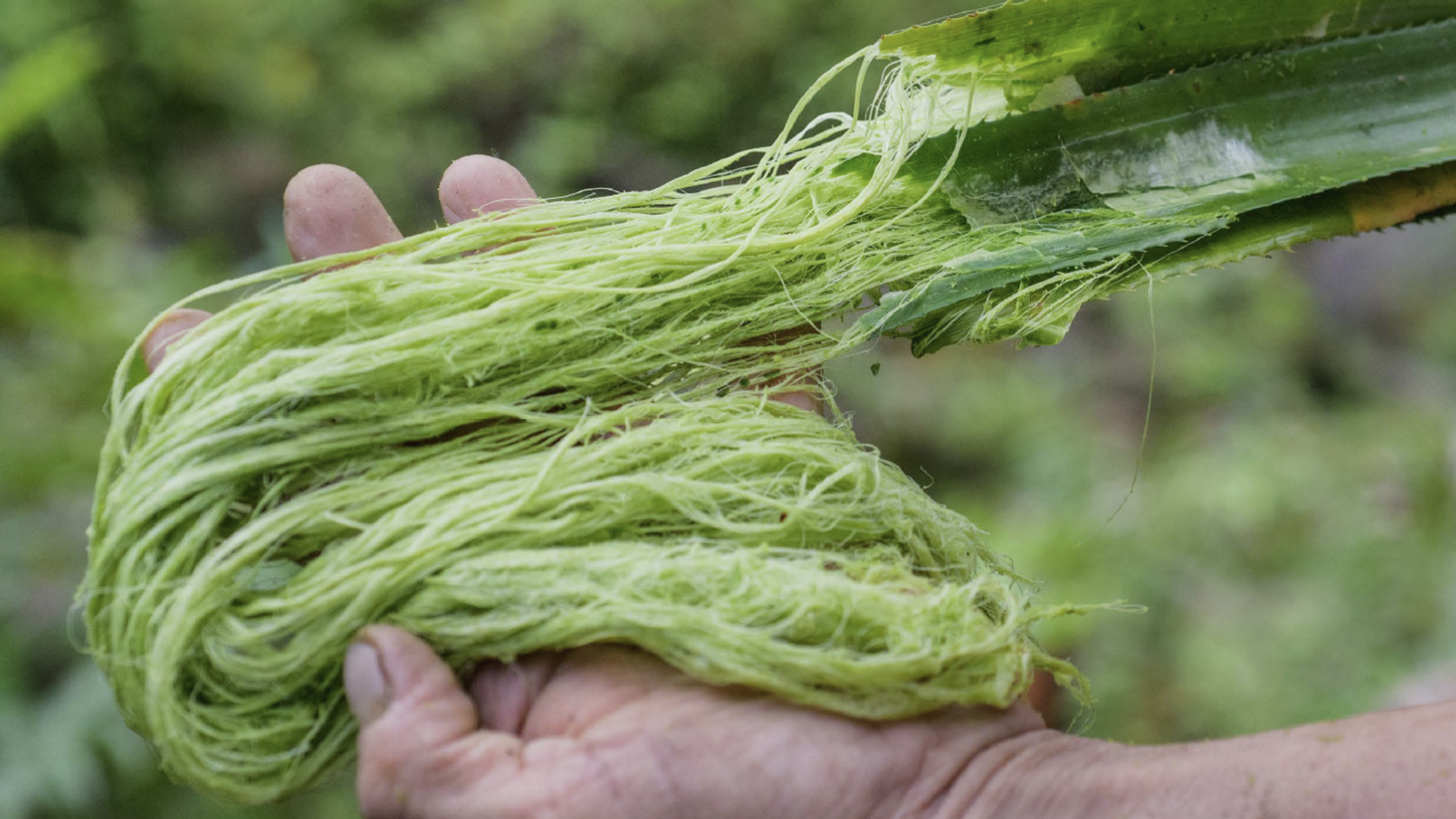
Pinatex raw material

The broader sustainable materials landscape has also shifted in recent years. Textile recycling technologies have accelerated in response to anticipated European Union eco-design regulations emphasizing recycled content. Some companies developing bio-based materials have found it challenging to compete for investment and manufacturing capacity in this evolving regulatory and commercial environment.

Sustainable fashion at a landfill runway, Stella McCartney

From Pioneer to Precedent

Piñatex was among the earliest widely publicized plant-based leather alternatives and played a significant role in raising awareness of agricultural waste valorization within fashion supply chains.

Balena Stella McCartney
A Stella McCartney decomposing shoe made with cinammon waste

Its insolvency highlights the persistent gap between innovation and industrial-scale deployment in sustainable materials.

This bra is edible
This bra in a co-production by Balena is made from a plastic that decomposes, but is it edible?

Learn from Balena

Vivobarefoot, 3D printed and knitted uppers.
Vivobarefoot, 3D printed and knitted uppers in collaboration with Balena

The next-generation materials sector continues to evolve, but the case of Ananas Anam underscores a recurring challenge: scaling production, securing stable demand, and achieving financial sustainability remain decisive factors in determining which innovations survive beyond the pilot phase. The company might have better taken the B2B approach, which is seen with Balena, a biomaterial company that provides materials for the shoe industry. They have collaborated with VivoBarefoot and Stella McCartney but never risked having to develop and cater to the consumer directly,


Karin Kloosterman
Karin Kloostermanhttp://www.greenprophet.com
Karin Kloosterman is an award-winning journalist, innovation strategist, and founder of Green Prophet, one of the Middle East’s pioneering sustainability platforms. She has ranked in the Top 10 of Verizon innovation competitions, participated in NASA-linked challenges, and spoken worldwide on climate, food security, and future resilience. With an IoT technology patent, features in Canada’s National Post, and leadership inside teams building next-generation agricultural and planetary systems — including Mars-farming concepts — Karin operates at the intersection of storytelling, science, and systems change. She doesn’t report on the future – she helps design it. Reach out directly to [email protected]

LEAVE A REPLY

Please enter your comment!
Please enter your name here

TRENDING

Luxury meets the textile waste stream with Coach – Bank & Vogue

A new collaboration between luxury brand Coach and textile reuse pioneer Bank & Vogue attempts to stitch those two worlds together: high fashion and the global textile waste stream.

Seaweed fashion brands can source from Saudi Arabian sea

From Red Sea seaweed to runway-ready fabric, Saudi Arabia is quietly reshaping fashion’s material future. KAUST scientists, designers, and textile innovators are proving that sustainability can begin in local ecosystems. As seaweed becomes wearable, fashion is learning to grow not from fields — but from tides.

Sea Moss: The New Superfood, Or Just A Trend?

Sea moss became the new super-food when Kim Kardashian...

Ecomondo vs. COP: Where the Climate Transition Actually Happens

In Rimini, the performance drops away. Nobody wins Ecomondo with a pledge or a photo op. You win if your system works, if your process scales, if a municipal department or multinational buyer signs a deal to decarbonize their operations.

What has more protein – spirulina or a steak?

While both spirulina and beef provide “complete” protein (i.e., containing all essential amino acids), the absorption and usability of that protein by the human body may differ. Animal-sourced proteins are often considered more easily digestible and more strongly tied to muscle repair and growth, though the exact difference can depend on numerous factors including cooking method, other dietary components and individual digestive efficiency.

Pulling Water from the Air

Faced with water shortage in Amman, Laurie digs up...

Turning Your Energy Consultancy into an LLC: 4 Legal Steps for Founders in Texas

If you are starting a renewable energy business in Texas, learn how to start an LLC by the books.

Tracking the Impacts of a Hydroelectric Dam Along the Tigris River

For the next two months, I'll be taking a break from my usual Green Prophet posts to report on a transnational environmental issue: the Ilısu Dam currently under construction in Turkey, and the ways it will transform life along the Tigris River.

6 Payment Processors With the Fastest Onboarding for SMBs

Get your SMB up and running fast with these 6 payment processors. Compare the quickest onboarding options to start accepting customer payments without delay.

Qatar’s climate hypocrisy rides the London Underground

Qatar remains a master of doublethink—burning gas by the megaton while selling “sustainability” to a world desperate for clean air. Wake up from your slumber people.

How Quality of Hire Shapes Modern Recruitment

A 2024 survey by Deloitte found that 76% of talent leaders now consider long-term retention and workforce contribution among their most important hiring success metrics—far surpassing time-to-fill or cost-per-hire. As the expectations for new hires deepen, companies must also confront the inherent challenges in redefining and accurately measuring hiring quality.

8 Team-Building Exercises to Start the Week Off 

Team building to change the world! The best renewable energy companies are ones that function.

Thank you, LinkedIn — and what your Jobs on the Rise report means for sustainable careers

While “green jobs” aren’t always labeled as such, many of the fastest-growing roles are directly enabling the energy transition, climate resilience, and lower-carbon systems: Number one on their list is Artificial Intelligence engineers. But what does that mean? Vibe coding Claude? 

Related Articles

Popular Categories