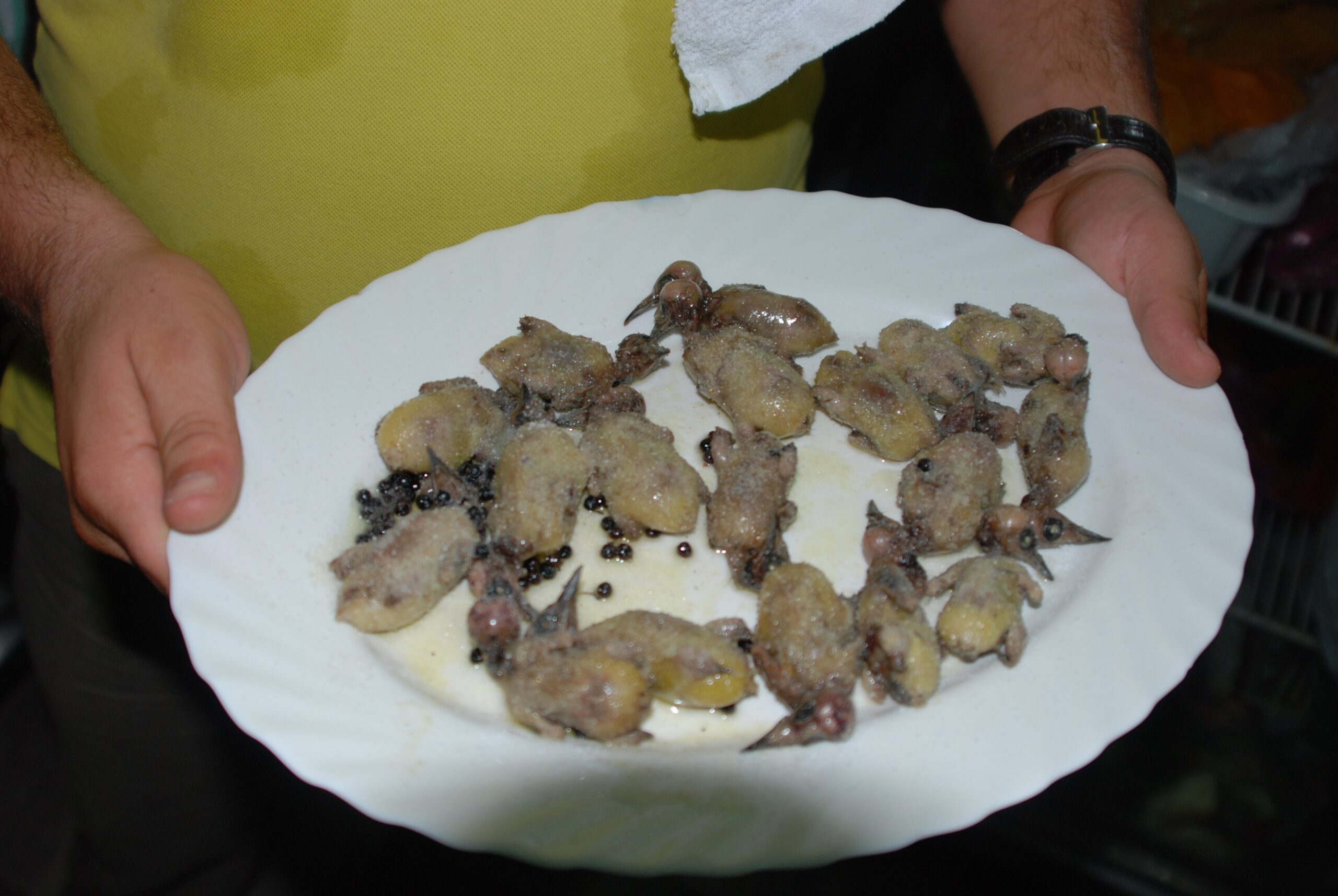
Every spring and autumn billions of animals cross borders without passports, navigating oceans, skies and continents along routes older than human civilization. Millions of birds fly from Africa to Europe along the Great Syrian Rift and risk getting shot by owl hunters in Jordan who see them as superstitious and negative omans. Or songbirds turn into a pickled dish Cyprus. Sea turtles, dolphins and sharks are getting eaten in Gaza. Can you blame them?
With larger, land-bound animals human encroachment and Middle East warns make it more troubling for the survival of migratory animals on land, air and at sea. A new United Nations report released this week warns that the situation is getting worse, not better. Some of the causes for concern are poisonings, illegal fishing, and wind turbines.
Over the years we have reported on a Kuwaiti posing with dead wolves, the massacre of 12 flamingoes as well as thousands of endangered fruit bats which were gunned down in Lebanon. Whats more, despite laws to ban the ownership of exotic animals in the Gulf, we wouldn’t be surprised to see more pet cheetahs being paraded around.
According to the interim update to the State of the World’s Migratory Species, prepared under the Convention on the Conservation of Migratory Species of Wild Animals (CMS), 49 percent of migratory species populations protected under the treaty are now declining, up from 44 percent only two years ago. At the same time, 24 percent of listed migratory species now face extinction risk, a two-percent increase since the last assessment.
The findings arrive just weeks before governments gather in Brazil for the 15th Conference of the Parties (COP15) to the treaty, where conservation policies for migratory wildlife will be debated. The numbers matter, say UN officials, because migratory animals do more than travel. They also swoop in and pollinate plants, transport nutrients between ecosystems, regulate pests which are local and seasonal, and help store carbon in forests and oceans.

“The first global report was a wake-up call,” said Amy Fraenkel, Executive Secretary of CMS. “This interim update shows that the alarm is still sounding. Some species are responding to concerted conservation action, but too many continue to face mounting pressures across their migratory routes.”
Twenty-six species protected under the treaty have moved into higher extinction risk categories since the previous report. Among them are 18 migratory shorebird species, which rely on fragile coastal habitats that are increasingly lost to development, climate change and pollution.
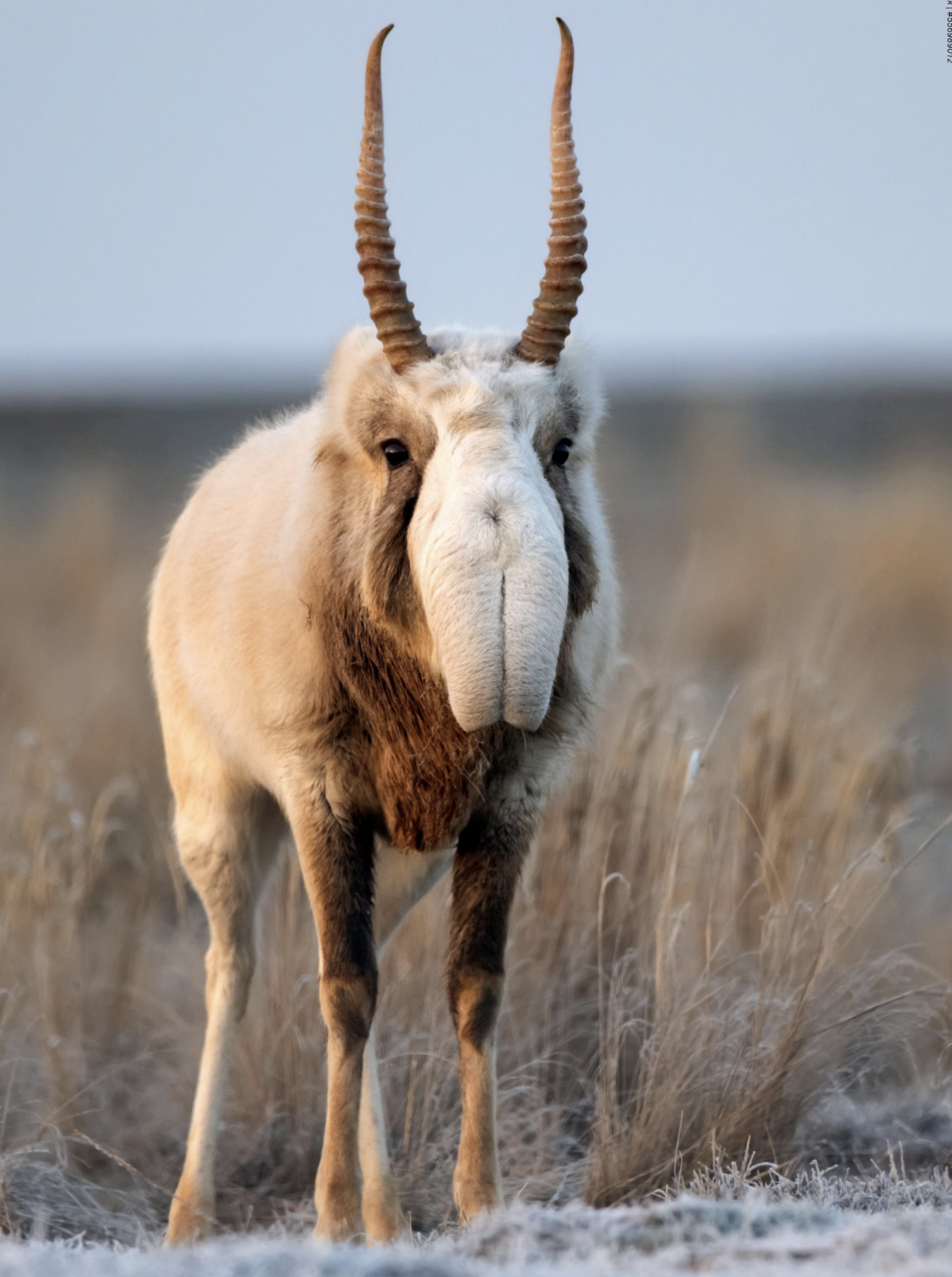
Is there hope? Seven CMS-listed species have improved in conservation status thanks to coordinated international protection efforts, including the saiga antelope, the scimitar-horned oryx, and the Mediterranean monk seal, a marine mammal that once hovered near extinction.
Scientists have also made progress mapping the invisible highways animals follow across the planet. And some countries like Canada and Israel have built land bridges over highways so migratory species such as deer and moose can cross dangerous roads. We crossed under such bridges last summer in Canada.
Initiatives such as the Global Initiative on Ungulate Migration, the Migratory Connectivity in the Ocean (MiCO) system, and BirdLife International’s work identifying six major marine bird flyways are helping conservation planners understand how species move across landscapes and oceans. The report can be found here.
Still, many of the places these animals depend on remain unprotected. Researchers identified 9,372 Key Biodiversity Areas important for migratory species, yet 47 percent of the area they cover lies outside protected or conserved zones.
Two threats dominate the global picture: overexploitation of wildlife and the loss or fragmentation of habitats, which disrupt migration routes that may span thousands of miles.
“If we intervene only at the point of crisis, we risk acting too late,” Fraenkel said. “By strengthening governance, monitoring, legislation and community engagement upstream, we can reduce pressure on these remarkable animals and put them on the path to lasting recovery.”
Mediterranean and Middle East waters are a hotspot for threatened sharks
The report confirms that extinction risk for sharks and rays has risen sharply in several regions including the Mediterranean Sea and the Northern Indian Ocean.
-
Populations of sharks and rays have declined by roughly 50% globally since 1970.
-
Overfishing and bycatch are the main causes.
-
Species such as the Oceanic Whitetip Shark (Carcharhinus longimanus) are now Critically Endangered.
-
The Angelshark (Squatina squatina), once widespread in the Mediterranean, is now fragmented due to overexploitation.
These trends matter for countries around the Mediterranean basin including Israel, Turkey, Egypt, Lebanon and Greece, where coastal habitat loss and fishing pressure are major issues.
Migratory birds in the Middle East
According to the report:
-
53% of raptor species monitored in the African-Eurasian region are declining.
-
Major threats include:
-
habitat loss
-
illegal hunting
-
poisoning
-
collisions with power lines and energy infrastructure.
-
The Steppe Eagle (Aquila nipalensis), which migrates through the Middle East from Central Asia to Africa, is now globally Endangered. The report notes that energy infrastructure — power lines and wind installations — is a significant cause of mortality for migratory raptors.
The upcoming COP15 meeting in Campo Grande, Brazil will test whether governments are ready to respond. Have the report ready to send to your local: “We have a baseline. We have better tools. And we have growing public awareness,” Fraenkel said. “The question before governments at COP15 is straightforward: will we match this knowledge with the political will and investment needed to secure the future of the world’s migratory species?”
For more on animal rights abuses in the Middle East see:
Kuwaiti Man Kills Wolf and Then Shows Off
Gulf Country Completely Bans Ownership of Wild Animals