

The livestock and pasture management sector is currently facing several challenges, including rising operational expenditures and labor shortages, compounded by the demand for sustainable, efficient food production. The pressures they face require a radical transformation driven by technological expansion. These combined factors strain traditional farming methods, making technological adoption a matter of survival.
Autonomous systems have emerged as a solution, changing the agricultural landscape through unprecedented precision and insight. From intelligent herd tracking to automated land care, the equipment is unlocking new possibilities in agriculture.
The New Era of Agricultural Automation
The adoption of agricultural automation marks a transition from strictly mechanical labor to data-driven farming, backed by artificial intelligence (AI), machine learning and the Internet of Things. It is not merely about the emergence of new gadgets but a necessary response to global pressures for food security and sustainability.
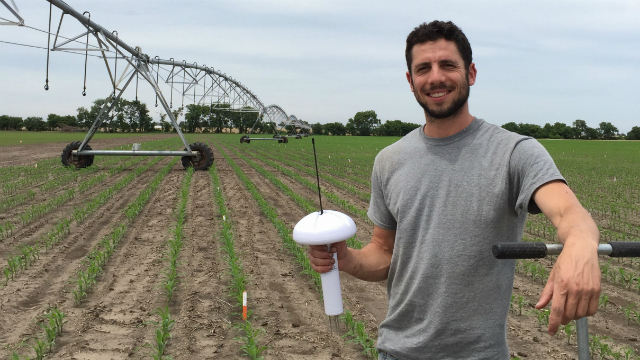
The approach utilizes a wave of technological innovation, including aerial drones, sophisticated robotics and analytics, to gather and interpret information with precision. For example, sensors and global positioning systems (GPS) collect data on animal health and land conditions.
The information undergoes processing by computer vision and AI algorithms before delivering actionable insights. Ranchers can then improve resource, husbandry and operational management before more critical issues arise.
Intelligent Monitoring for Superior Livestock Health

© MPI of Animal Behavior/ C. Ziegler
According to experts, the global livestock monitoring market is growing exponentially, with a compound annual growth rate of 12.82% from 2026 to 2033.
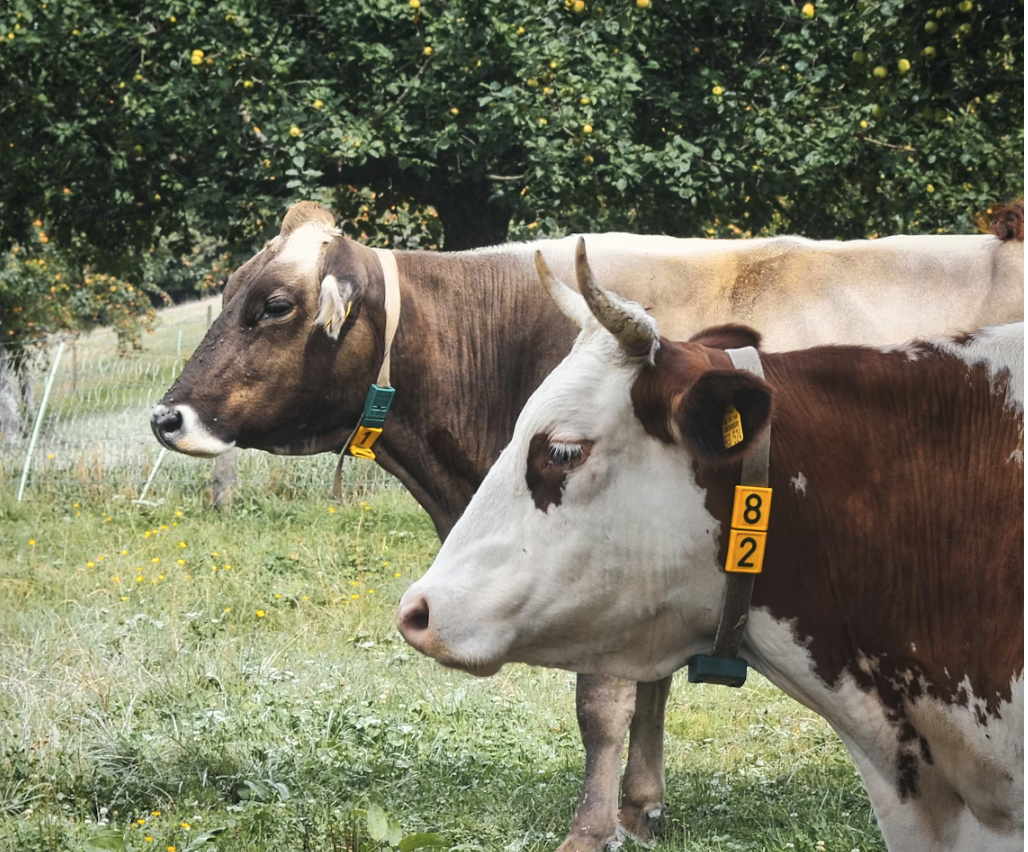
One company, Advantech Co. Ltd., developed a system that uses AI and infrared vision to measure cattle’s body temperature as part of daily health screenings. The Universitat Autònoma de Barcelona has also designed sensors to observe livestock behavior, productivity, environmental impacts, and physical and mental well-being.
The platforms process data from camera networks and sensors worn by the animals, including devices like GPS, thermometers and accelerometers. Ranchers can establish a baseline for each animal and monitor changes over time. For instance, the systems might send an alert if they detect abnormalities, such as illness or distress.
Receiving a warning about potential disease helps farmers intervene early on, providing rapid treatment that prevents the rest of the herd from falling ill. Overall, the proactive approach reduces economic losses from disease outbreaks and the high labor costs associated with manual assessments.
Optimizing Pastures with Autonomous Ground and Air Systems

On the ground, robotic mowers maintain pasture quality, mitigate invasive weeds and ensure optimal vegetation for grazing animals. Their operational performance typically covers 1 to 3 acres per hour, depending on the terrain. Implementing this technology can dramatically reduce labor costs and boost worker safety by eliminating the need for manual machine functions.
Complementing these efforts, autonomous drones enable more precise and effective field mapping and surveying, crop and animal monitoring, disease detection, and fertilizer and pesticide applications. Farmers who grow high-rise date palms and walnut trees might use drones for pollination, which is a labor-intensive task.
The multi-rotor unmanned aerial vehicles cover 4 to 20 hectares per hour or about 30 to 150 hectares a day. For spraying, they usually come equipped with liquid tanks holding 5 to 50 liters. The targeted application decreases chemical waste and environmental impacts.
Farmers also reap a financial benefit. With an initial investment of $40,000 to $50,000, drones help growers recoup costs in just four to six weeks, making it a profitable and validating system for modern pasture management.
Integrating Autonomous Systems for Long-Term ROI
Those interested in integrating autonomous systems must carefully consider the return on investment. Although up-front costs often present a financial barrier, the long-term economic and operational benefits usually outweigh the initial price tag.
Ranchers can reduce labor hours and input costs for feed and treatments by employing data-driven decision-making to improve animal welfare and land productivity. Still, initial investments in these technologies often make them out of reach for many professionals.
Purchasing a GPS tracker for every cow might be unaffordable and impractical, depending on the herd’s size. Fortunately, industry innovations are helping overcome the financial barriers as researchers develop less expensive solutions.
Researchers developed a method for fitting GPS collars to select animals and tagging the rest with low-cost Bluetooth devices. The collars, which connected to the Sigfox network, enabled cost-effective tracking while delivering essential information about the herd.
The decision to invest in autonomous systems hinges on the unique needs of individual operations. Fortunately, these solutions are often scalable, so farmers can target the areas where automation will benefit them most. This allows them to phase implementation in a manner they can afford and still attain significant long-term returns.
The Future of Farming is Autonomous
Autonomous developments have proven practical and accessible for modern livestock and pasture management operations, addressing some of the more pressing challenges today’s farmers face. Although the tools require an initial investment, professionals cannot deny the economic benefits of embracing the technology. As the equipment continues to evolve, it will become increasingly necessary for secure and sustainable farming.

, machine learning and the Internet of Things.)