

How do you feel about you afterlife being a part of Kim Kardashian’s butt?
It sounds like a sustainable choice, from a sustainablist’s nightmare. With the excessive and dramatic use of the weight-loss Ozempec, and the gaunt look of a flattened butt and hollow face, more people are looking to liposuction to give more volume where gauntness has created a hole. It can happen in the cheeks, the hips, the rear-end. But not everyone can go through with the painful procedure of liposuction, when there is no fat to harvest.
A new Hollywood secret sauce is called alloClae and Miriam has written about it here. It’s a new injectable filler made from processed human donor fat. Unlike traditional fat grafting, which requires harvesting fat from a patient’s own body, alloClae offers fat “on demand,” purified and ready for injection for about $100,000 a syringe.
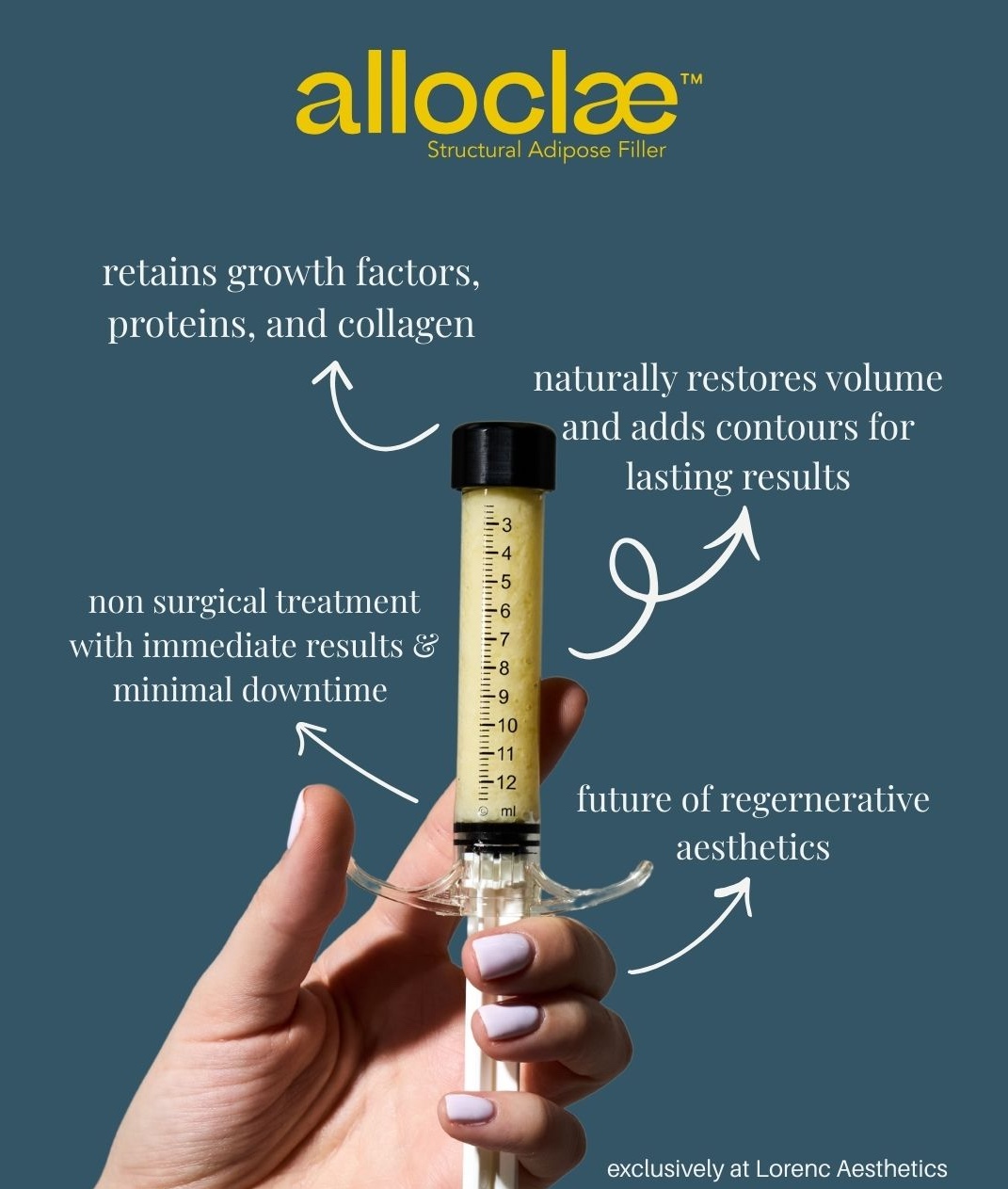
The fat is being positioned as a solution for patients who have lost so much weight that they no longer have enough fat for conventional contouring procedures.
Clinics in the US, and who knows where else, are increasingly using it to restore volume in the face, hips, and buttocks, areas most visibly affected by rapid weight loss. In effect, one intervention is being used to counterbalance another: pharmaceuticals to reduce fat, followed by biotech to replace it in more controlled ways.
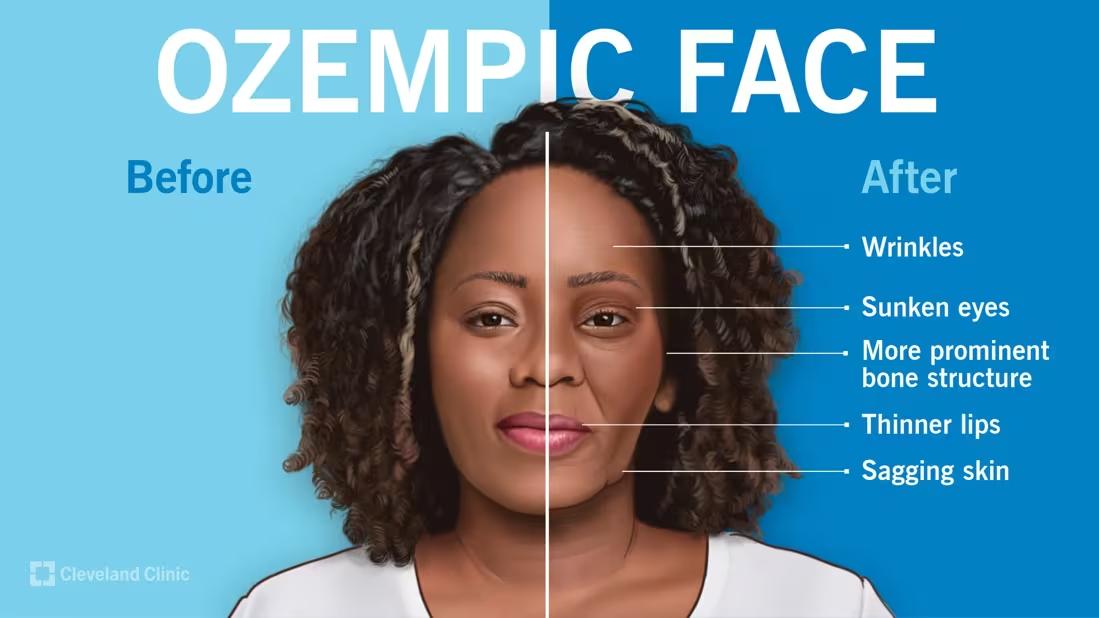
The global rush to weight-loss drugs like Ozempic is reshaping bodies at unprecedented speed, and not always in ways people expect. While semaglutide (the generic name for Ozempec) has helped millions lose significant weight, and this can be good for the heart and the joints, researchers and clinicians are now documenting a set of unintended physical effects tied to rapid fat loss. “Ozempic face” reflects accelerated volume loss in the cheeks and temples, producing a more aged appearance and literature describes this as “exaggerated volume loss… resulting in advanced facial aging.”

The impact is not limited to the face. Rapid weight loss has also been linked to reductions in lean mass, including muscle, raising concerns about long-term strength and metabolic health. At the same time, known side effects, ranging from nausea and gastrointestinal distress to more serious complications such as pancreatitis, continue to be studied as usage expands beyond diabetic populations.
According to Noor Saleem, approximately 15 million persons in the United States are currently taking GLP-1 drugs. Off-label use is becoming more common, which raises worries about potential health hazards and significant side effects such as non-arteritic anterior ischemic optic neuropathy (NAION), or vision problems.
Into this strange and dark landscape steps alloClae. From a macabre sustainability perspective, alloClae occupies an uneasy space. It can be framed as a form of biological reuse, drawing on donated tissue that might otherwise go unused.
Yet it also reflects a deeper shift toward the commodification of the human body (like facials made from baby parts), where fat becomes a standardized product moving through a supply chain. The pairing of Ozempic and alloClae signals something larger than a trend. I’d not want to donate my body for science, if there was a chance I could be a part of Kim Kardashian’s future butt. My friend Mike say otherwise: “F, yea. I’m in.”

Some other concerns, from Robert C, a literature professor in New York: “I hope it is possible to donate one’s body with stipulations that prevent some uses of it.”
Joy P, a business advisor says, “Horrific. A crucial reminder of the importance to place standards and controls alongside innovation; no matter how altruistic the intention, there seem always to be parasites waiting to profit from it.”
Liat C, a journalist in the US: “I think it is a disgusting desecration. I’m signed as an organ donor and I could even perceive of body fat being used for necessary plastic surgery for burn victims etc but not sold for someone’s cosmetic vanities and insanities.”
This all points to a future where bodies are increasingly engineered in stages, shaped by overlapping technologies that subtract, then add back, until the desired form is achieved.
I for one am staying natural. No botox, lasers or fillers for me. I will age, with grace or without. But some women build their self-esteem on their looks. For one user of alloclae, who didn’t show her face or give her real name in a recent article, she’s happy about it. She told the New York Post the alloClae treatment improves her self-esteem.
Karry R, a friend of mine from high-school, is concerned about the source of the cadaver fat. “Where is the honour in donating our bodies?” she tells me. “Our senior citizens think it’s for science.”