
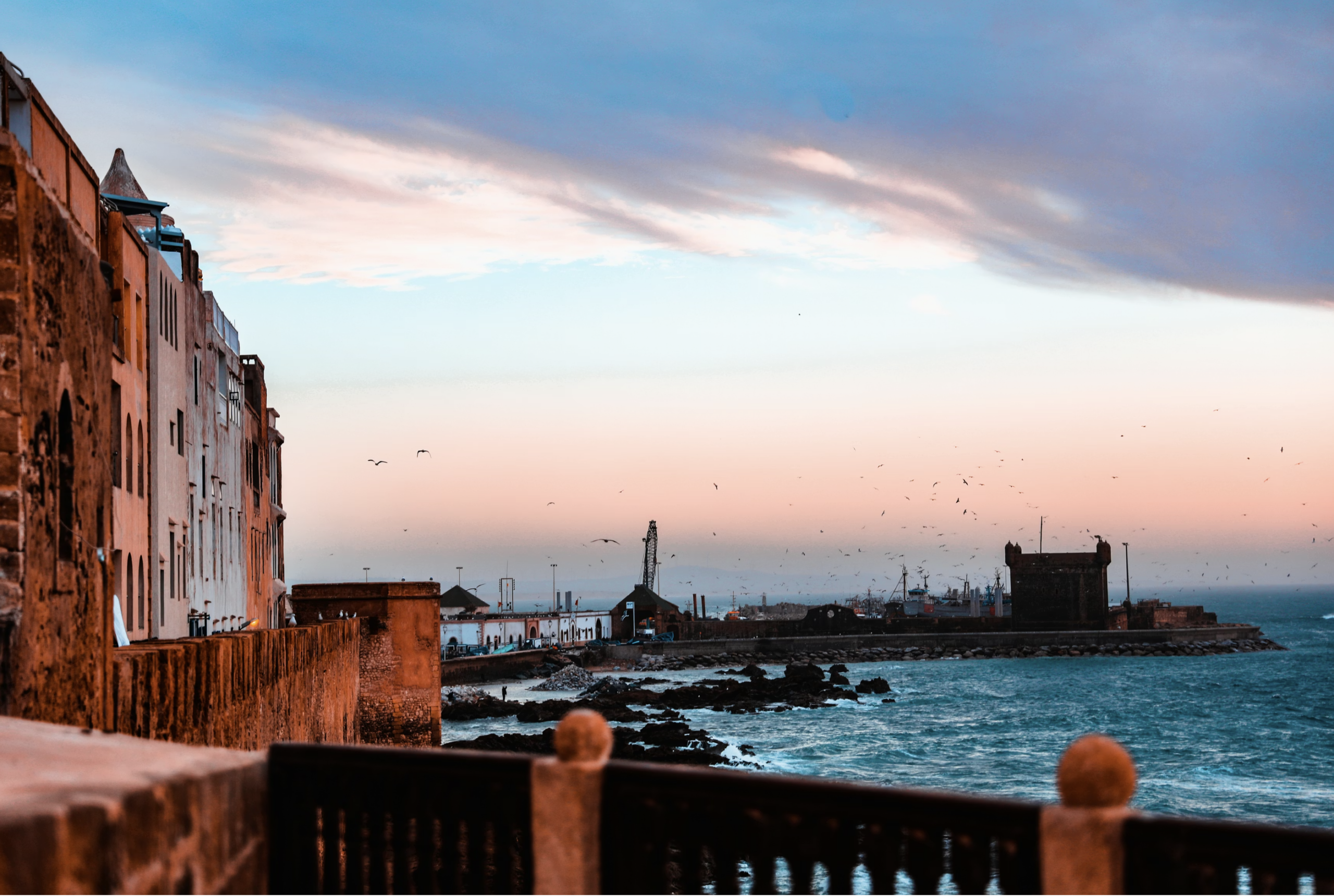
Morocco’s proposed 1,000 MW offshore wind project near Essaouira promises climate leadership and renewable energy for this Magreb country, but along this stretch of Atlantic coast, wind is more than energy. The coastline is culture, economy, and identity. Essaouira is a historic, windy port city on Morocco’s Atlantic coast known for its UNESCO-listed 18th-century Medina, white-and-blue architecture, and the backdrop used in Game of Thrones.
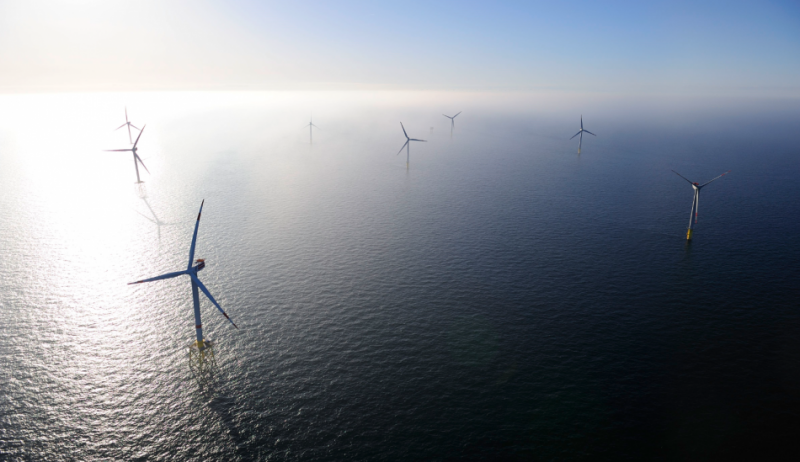
The Essaouira wind project represents a major step for renewable energy in Africa. Scheduled to begin construction in 2029, this project on the Atlantic coast leverages strong, consistent winds of roughly 11 m/s to support the country’s goal of over 52% renewable energy by 2030.
While specific financiers have not yet been fully announced, the project is expected to attract a blend of public and private capital, drawing on several common sources used for large-scale renewable infrastructure in North Africa and Europe.
Essaouira is Morocco’s wind capital. Surfers and kitesurfers rely on its steady trade winds; local schools, rentals, and guesthouses depend on them. Offshore turbines are typically placed several kilometers out at sea, beyond surf breaks, meaning wave formation itself is unlikely to be directly affected. However, construction phases from vessel traffic, cable laying, temporary exclusion zones, all these could disrupt access during key seasons.
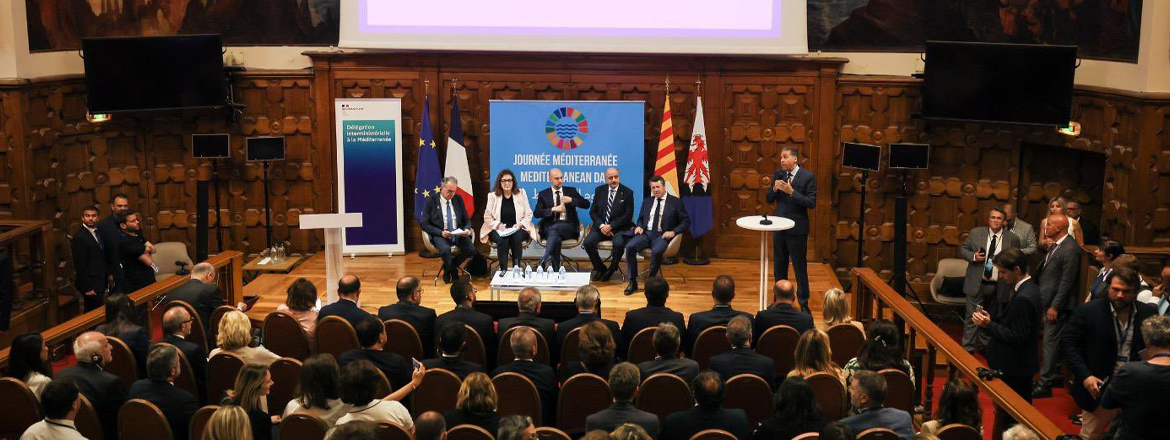
This was announced by the Union for the Mediterranean (UfM), which held a session on finance and innovation as sustainable blue economy accelerators during the Mediterranean Day at UNOC3.
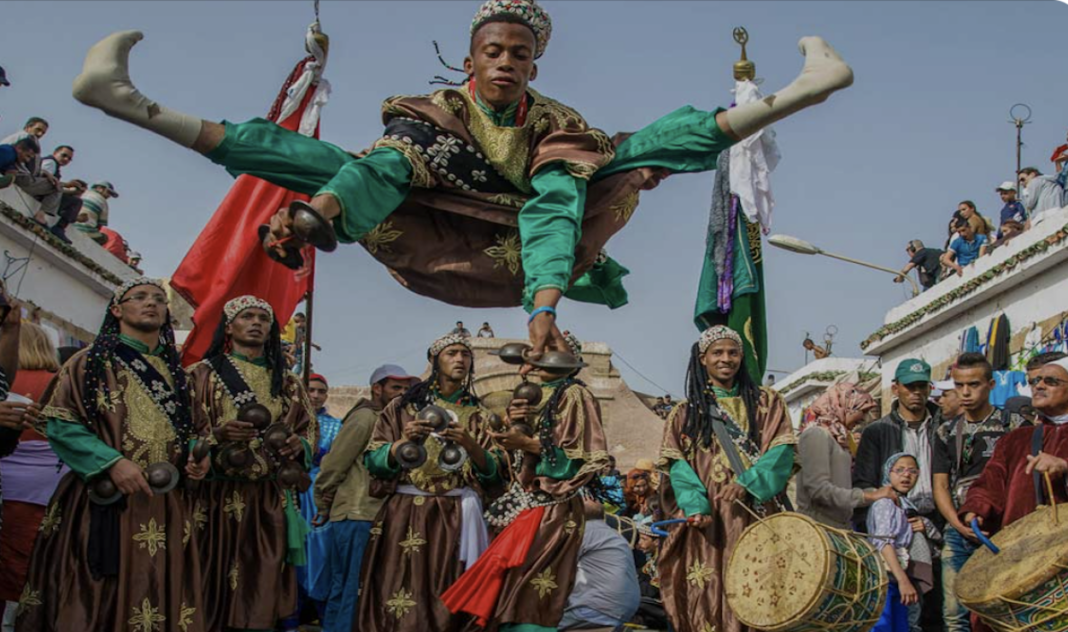
Then there is the view: Essaouira’s wide Atlantic horizon is part of its aesthetic appeal, especially during the internationally known Gnaoua World Music Festival, when thousands gather along the seafront. Studies from Europe suggest that visual impact can influence tourism perception, particularly in heritage or festival cities. Developers often mitigate this by pushing turbines farther offshore, reducing skyline dominance.
Coastal ecosystems present a more complex issue. Offshore wind foundations can alter seabed habitats but may also create artificial reef effects that increase marine biodiversity over time. The greater concern often involves bird migration and collision risks.
Scotland offers useful lessons. In projects such as Hywind Scotland, environmental monitoring has shown that careful siting by avoiding major migratory corridors does significantly reduces bird mortality. Developers there use radar tracking, seasonal curtailment (temporarily slowing turbines during peak migration), and pre-construction avian studies to protect seabirds and raptors.
Morocco sits along critical migratory flyways between Europe and West Africa. Baseline ornithological data will be essential before construction begins. Noise during pile-driving can also disturb marine mammals; mitigation measures used in the North Sea, such as bubble curtains to dampen underwater sound, could be adapted.
Related: travel with teens to the Kasbah in Morocco
The question is not whether offshore wind and coastal culture can coexist. In Scotland, Denmark, and Portugal, surfers now share horizons with turbines. The question is whether Morocco designs this project with local identity at the table. If done thoughtfully, Essaouira could become a symbol of how renewable energy integrates with living coastlines rather than erasing them.
International best practice increasingly requires community consultation and free, prior, and informed consent processes, particularly when projects affect cultural landscapes. While Morocco does not have the same legal frameworks as some countries with formally recognized Indigenous status regimes, global lenders and European partners often require social impact assessments that include cultural stakeholders.
If the offshore wind project proceeds, inclusive consultation will be critical:
-
Festival organizers and cultural leaders
-
Local fishermen’s cooperatives
-
Tourism operators and surf communities
-
Environmental NGOs and bird conservation groups
In Canada, energy projects also pay restitution to indigenous people. In Essaouira, the Amazigh (Berber), especially the Chiadma and Haha tribes, are the original inhabitants of the Essaouira region, with Tamazight language and traditions still rooted in the surrounding countryside.
The Gnaoua, descendants of West Africans brought through historic trans-Saharan trade, are not indigenous in origin but are a deeply embedded spiritual and cultural community whose music defines the city’s global identity. Essaouira also once hosted one of Morocco’s most significant Jewish communities, whose legacy remains visible in the historic Mellah despite large-scale emigration in the 20th century after they were persecuted.