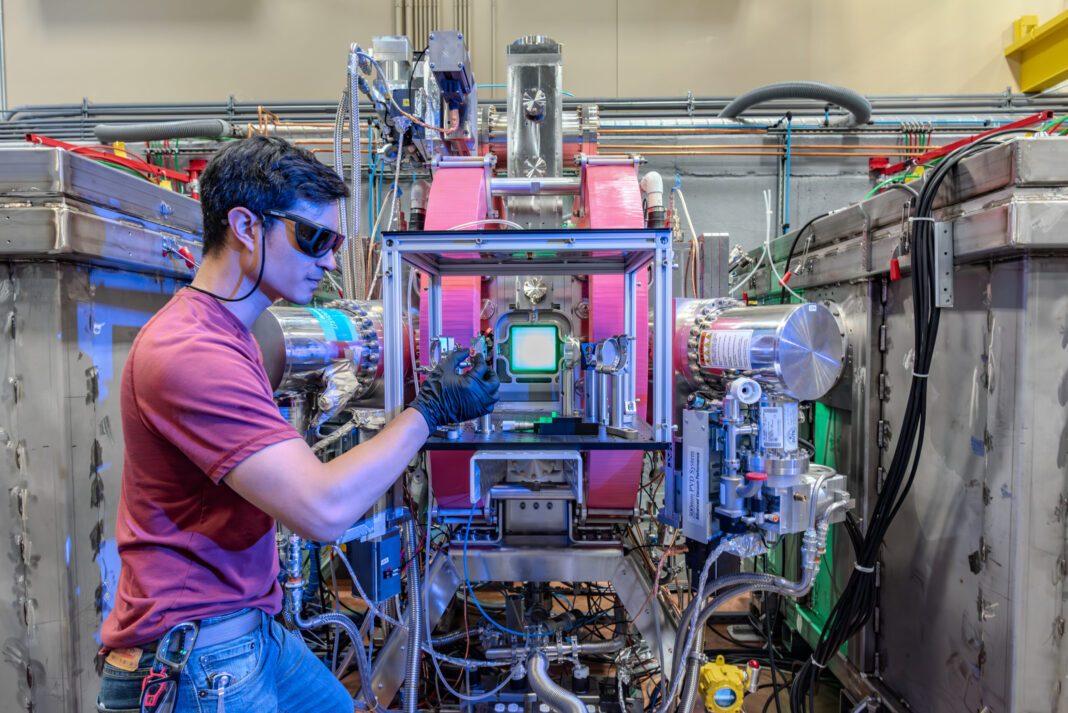


In a nondescript facility in Denver, a small team of physicist-engineers is attempting something that sounds like science fiction: igniting a miniature star on Earth. (See how China came close to making an artificial sun).
If they pull it off, the consequences would ripple across every corner of the global economy, and nowhere more dramatically than Saudi Arabia and the oil-rich kingdoms of the Middle East.
Xcimer Energy, founded in 2022 by Conner Galloway and Alexander Valys, is betting that powerful ultraviolet lasers can crack the fusion puzzle that have eluded scientists for 70 years. Green Prophet’s scientist Brian explains fusion and what makes it so hard here.
The premise behind Xcimer is simple even if the physics is anything but: fuse light atoms together the way the sun does, release enormous amounts of energy, and do it without carbon emissions, without meltdown risk, and without the mountains of radioactive waste that plague conventional nuclear power. Clean, dense, effectively limitless energy which is the holy grail of human civilization. With fusion we could run air conditioners all day and all night. We could live well on the equator or run our heaters in the arctic and enjoy limitless travels to space.
What makes Xcimer genuinely different from the fusion experiments that have come before is its choice of laser technology. Rather than the expensive solid-state systems used at the US National Ignition Facility, which achieved a landmark ignition milestone in 2022 but at staggering cost, Xcimer uses krypton-fluoride excimer lasers, borrowed from semiconductor manufacturing.
These deliver high-efficiency ultraviolet pulses at a fraction of the price, and in 2025 the company completed the first privately funded excimer fusion laser of its kind built in over two decades. That’s not a press release milestone. That’s real hardware.
“We’ve already begun using Xcimer’s LPK experimental testbed to validate laser models and inform the design of our future systems,” said Conner Galloway, CEO and Chief Science Officer of Xcimer. “This milestone also sends the strongest signal yet that the private sector can build on decades of public investment to turn transformative research into commercially viable systems. We’ve seen this transition before in industries like space—and we’re beginning to see it happen in fusion.”
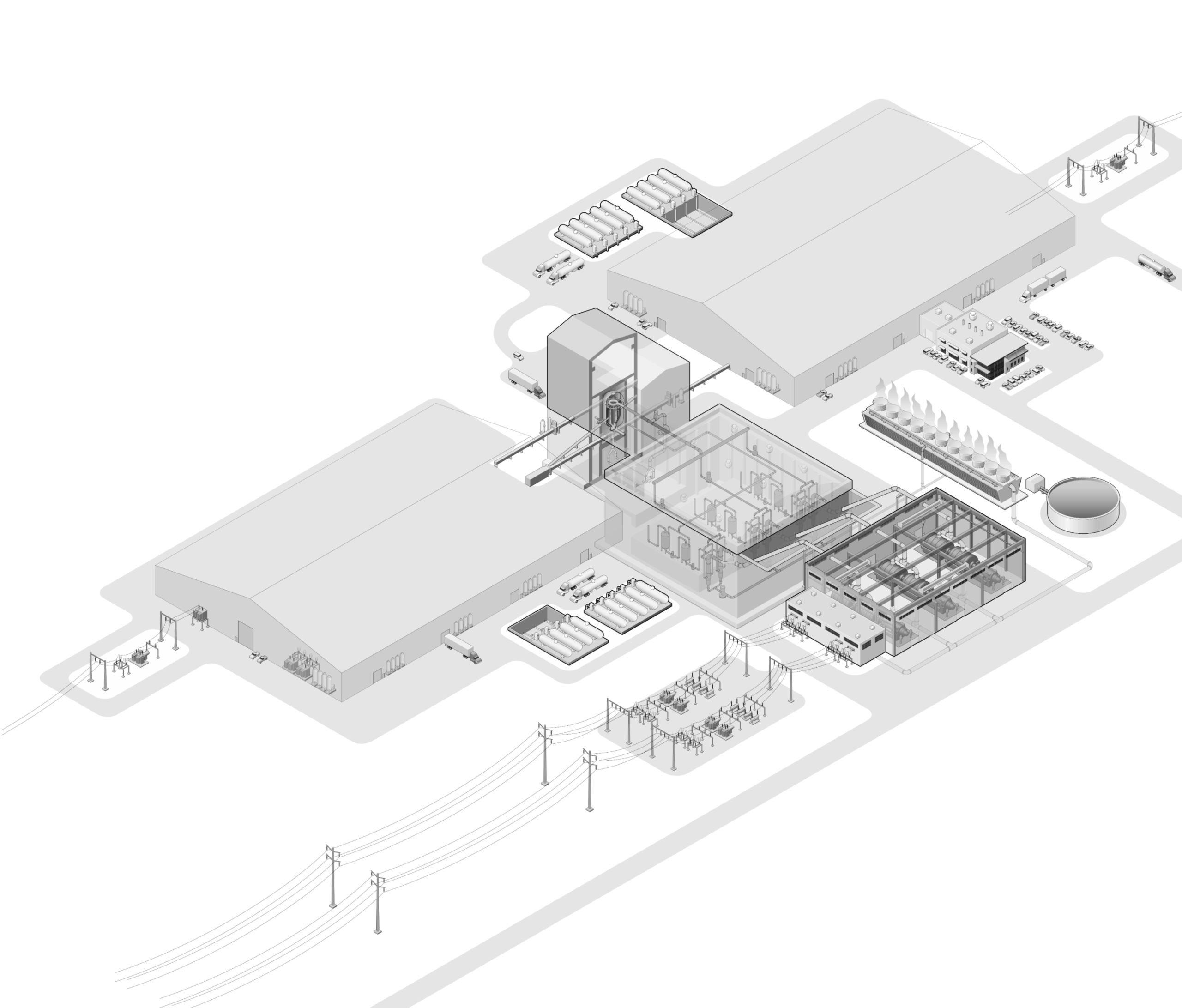
The roadmap is ambitious but structured. A Phoenix laser system in 2026 will validate the core physics. A Vulcan facility around 2030 aims to cross the holy grail of breakeven, which is producing more energy from fusion than was put in.
Xcimer is already taking proposals on prospective new sites nationwide to house Vulcan, which would directly employ hundreds of people in a large variety of jobs, including physicists, technicians, and support staff.
Vulcan’s location could pave the way for a future regional source of zero-carbon energy expertise, making the location attractive to more emerging businesses such as artificial intelligence and software companies, robotics manufacturers, and medical research facilities.
By the mid-2030s, Xcimer envisions a prototype power plant delivering electricity to the grid at roughly $40 per megawatt-hour, competitive with natural gas and cheaper than most new coal. That’s when things start to get fun. Just like in solar. Every year the cost for producing solar goes down.
The US Department of Energy has already selected Xcimer as one of eight companies in its fusion commercialization program, lending the venture both credibility and critical public-private backing.
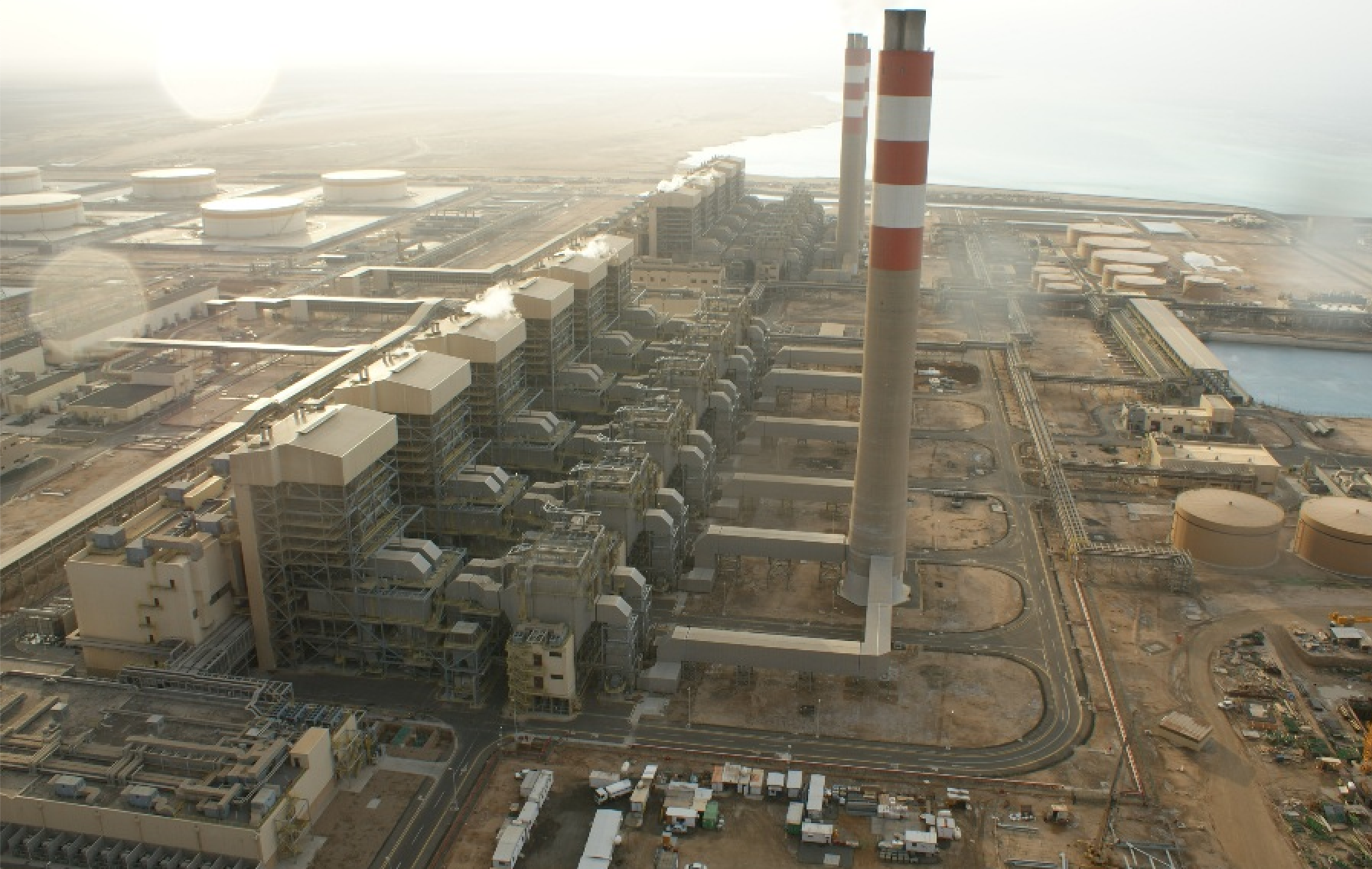
Now consider what this means for Saudi Arabia, and by extension the entire OPEC architecture that has shaped global geopolitics and which has supported a whole lot of evil and terrorism for half a century. The Muslim Brotherhood was born in Saudi Arabia and Iran-mullahs run on oil feeding terror operatives money in Lebanon, Gaza and Yemen. Unlike the UAE which has diversified, the Saudi economy runs on one thing: the world’s insatiable need for oil.
Renewable energy has already begun chipping at that foundation, and oil prices are dowb, but OPEC countries know that solar and wind have an Achilles heel because they are intermittent energy sources.
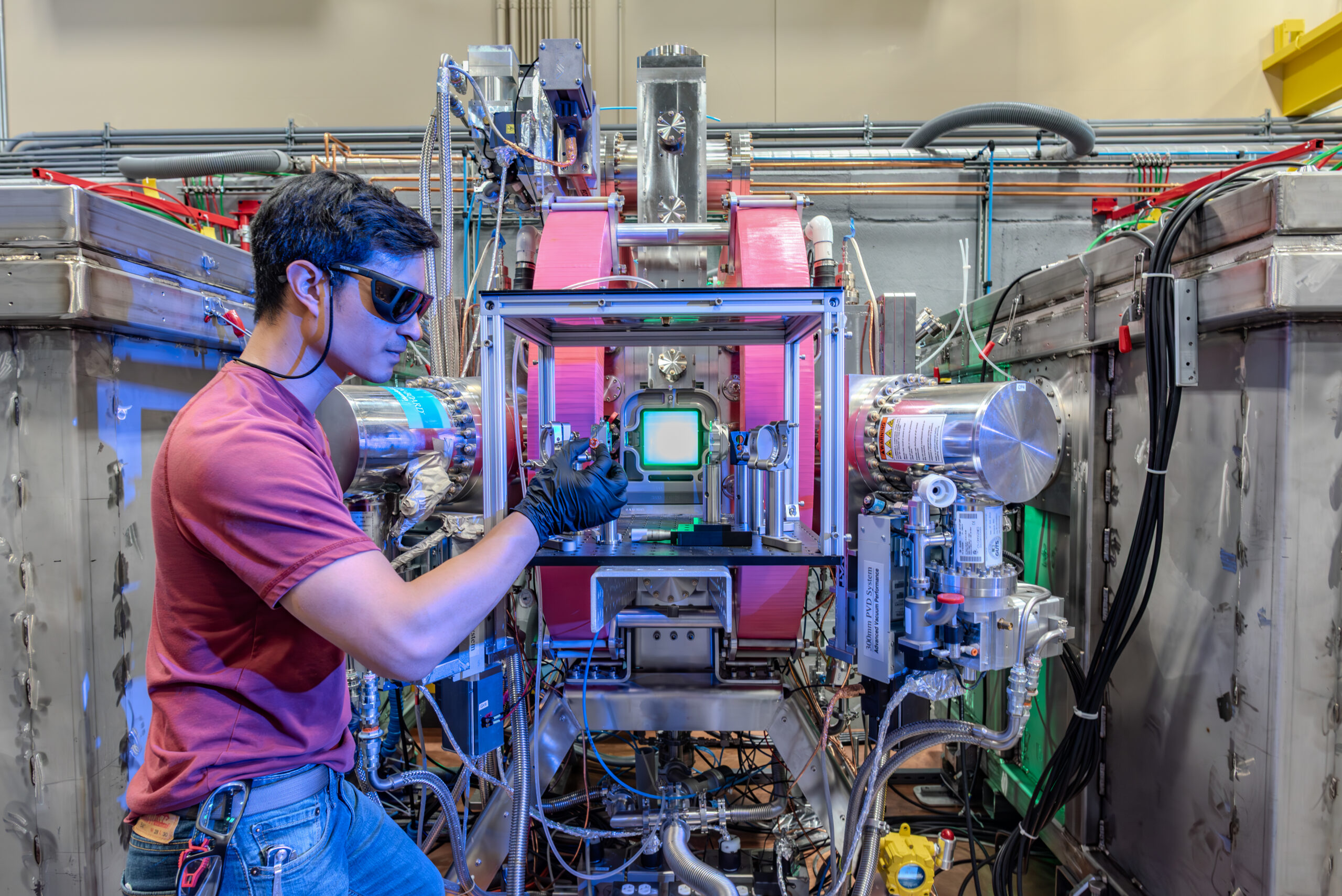
“We use the same approach as America’s National Ignition Facility – the only system in the world to demonstrate fusion ignition. We don’t need to spend time and money to demonstrate unproven plasma confinement physics; we combine NIF’s proven inertial confinement fusion approach with breakthrough laser technology. We’re driving down cost and complexity so we can deliver electricity on a pragmatic timeline and business model.”
Batteries help, but not enough. Fusion has no such weakness. It runs continuously, day and night, in any weather, in any country. A fusion-powered world wouldn’t just reduce demand for oil; it would collapse it entirely.
The leverage that petrostates have wielded for decades, over energy prices, over foreign policy, over global inflation, over terrorism, evaporates the moment civilization has access to a cheaper, cleaner, inexhaustible alternative.
Xcimer has raised just over $111 million from leading energy investors since its founding in 2022. It’s part of the DOE Milestone-Based Fusion Development Program, a highly competitive public-private partnership program designed to accelerate the development of fusion energy on the power grid. Xcimer was awarded $9 million, one of the most significant awards under the program’s first budget period.
Xcimer also collaborates with Los Alamos National Laboratory, Lawrence Livermore National Laboratory, Oak Ridge National Laboratory, Savannah River National Laboratory, Naval Research Laboratory, Laboratory for Laser Energetics, Massachusetts Institute of Technology, General Atomics and Westinghouse.
::Xcimer