


Fashion’s next material revolution may not come from a lab in Paris or Milan — but from the tides of the Red Sea. Along Saudi Arabia’s coastline, scientists, designers, and textile innovators are transforming Sargassum seaweed into a wearable fabric, turning a fast-growing marine biomass into a new generation of sustainable textile. The initiative, led by KAUST Beacon Development in collaboration with the Saudi Fashion Commission and PYRATEX, is part of a broader effort to rethink how fashion sources its raw materials.
The project was recently presented as the Red Sea Seaweed Textile, demonstrating how locally sourced algae can be converted into blended yarns and finished garments. Stella McCartney does it. So why not Saudis?
“This material represents a milestone in our mission to build a future-focused, sustainable fashion ecosystem in Saudi Arabia. It demonstrates how local resources, scientific excellence, and creative talent can come together to deliver solutions for the global fashion industry,” said Burak Çakmak, CEO of the Saudi Fashion Commission.
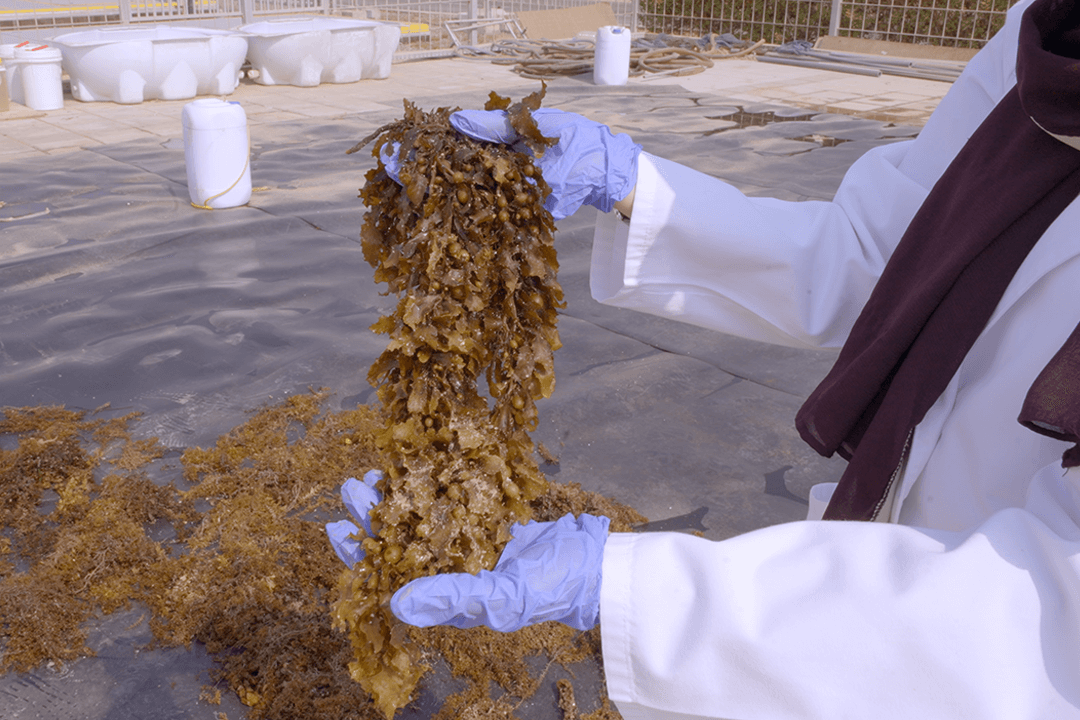
KAUST’s role has been central. Its marine scientists studied the biochemical structure of Red Sea seaweed and developed responsible harvesting methods that preserve both the ecosystem and the algae’s functional properties.
An abaya made from seaweed?
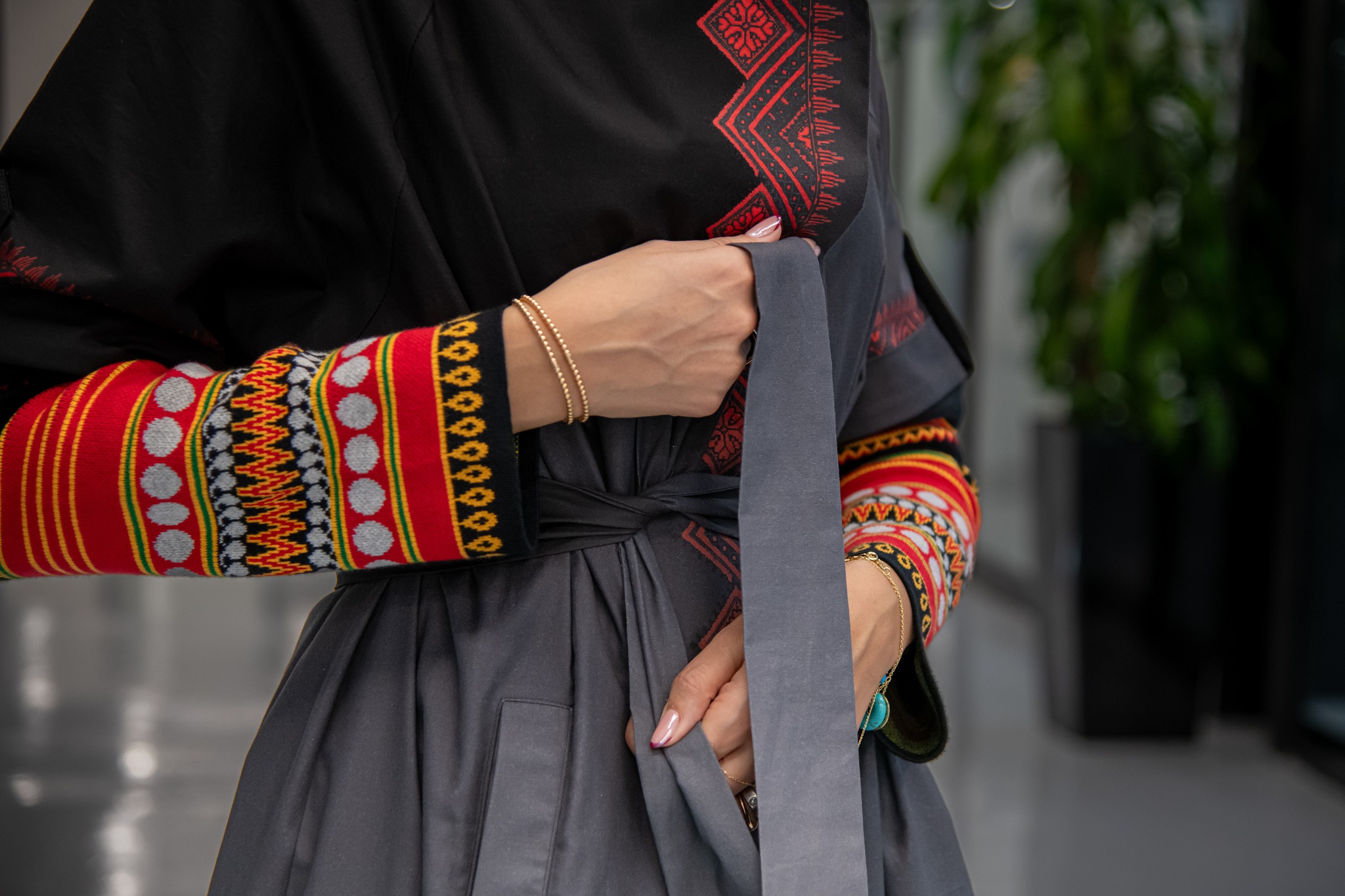
“By researching the biochemical properties of Red Sea seaweed, we were able to integrate local algae species into an innovative blended yarn,” said Fiona Symes, COO of KAUST Beacon Development.
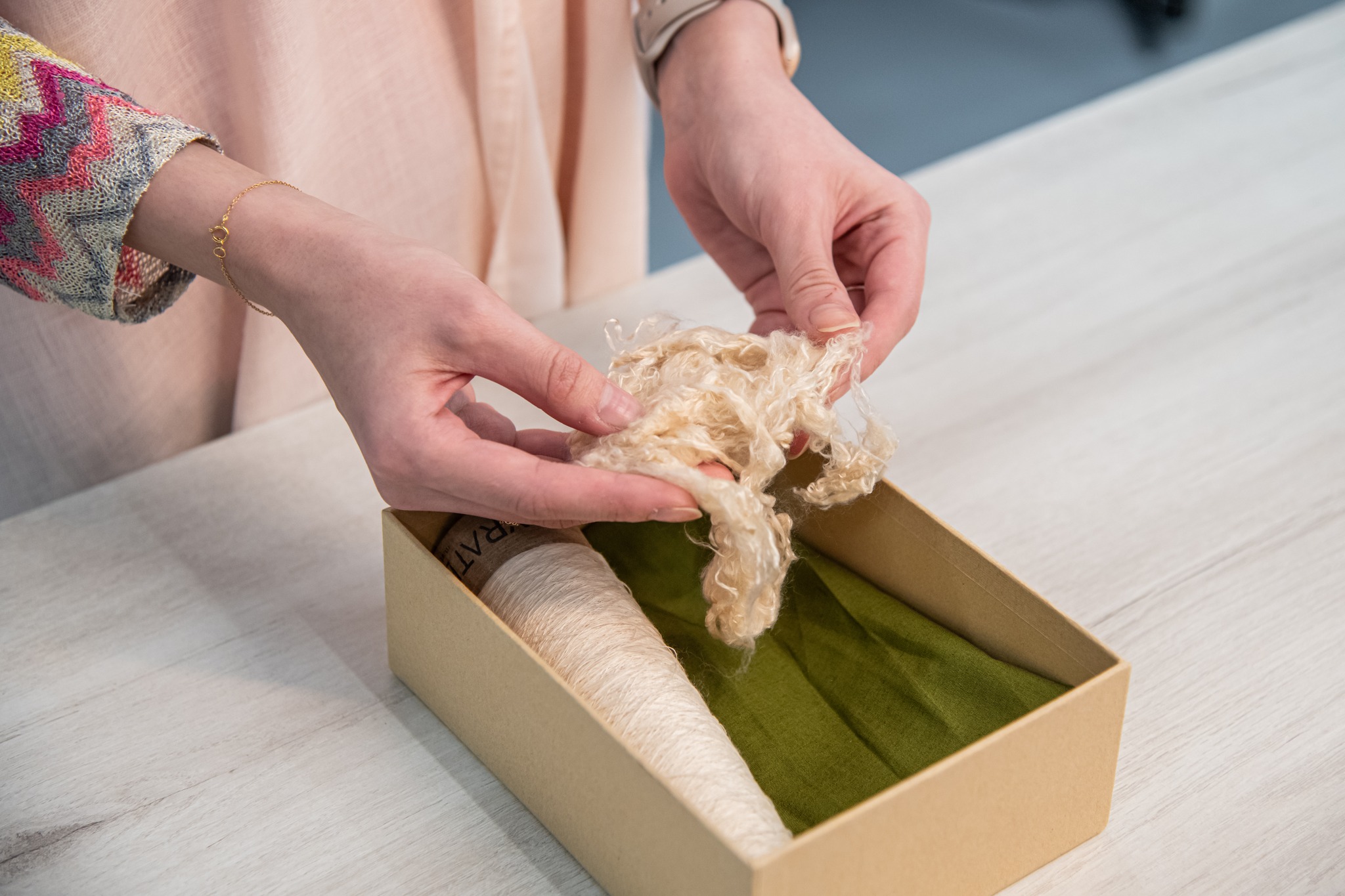
PYRATEX then translated that biomass into textile form, blending the algae with Lyocell and organic cotton to produce a fabric that is breathable, traceable, and suitable for garment production. The Saudi Fashion Commission’s development studio produced complete garments from the material — not as conceptual pieces, but as real clothing.
Saudi Arabia’s fashion scene has been showing dynamic evolution. Recent runway shows in the Kingdom featured bathing suits in a historically very modest country.

These shows reflect a larger shift in how fashion in the Middle East engages global trends while honoring local sensibilities — moving beyond traditional expectations to embrace broader stylistic expressions that include functional, climate-appropriate swimwear alongside couture and everyday wear.
The seaweed fabric project reflects a growing shift across the fashion world. Designers such as Stella McCartney have long argued that sustainability cannot rely only on recycled synthetics or reduced harm. McCartney has repeatedly called for materials that are regenerative, ethical, and transparent — fibers that restore ecosystems rather than merely slow damage.
Luxury and performance brands alike are now experimenting with algae, mycelium, pineapple fiber, cactus leather, and agricultural waste. But what makes the Red Sea initiative distinctive is its regional grounding: a local marine resource transformed locally, with scientific validation and design integration.
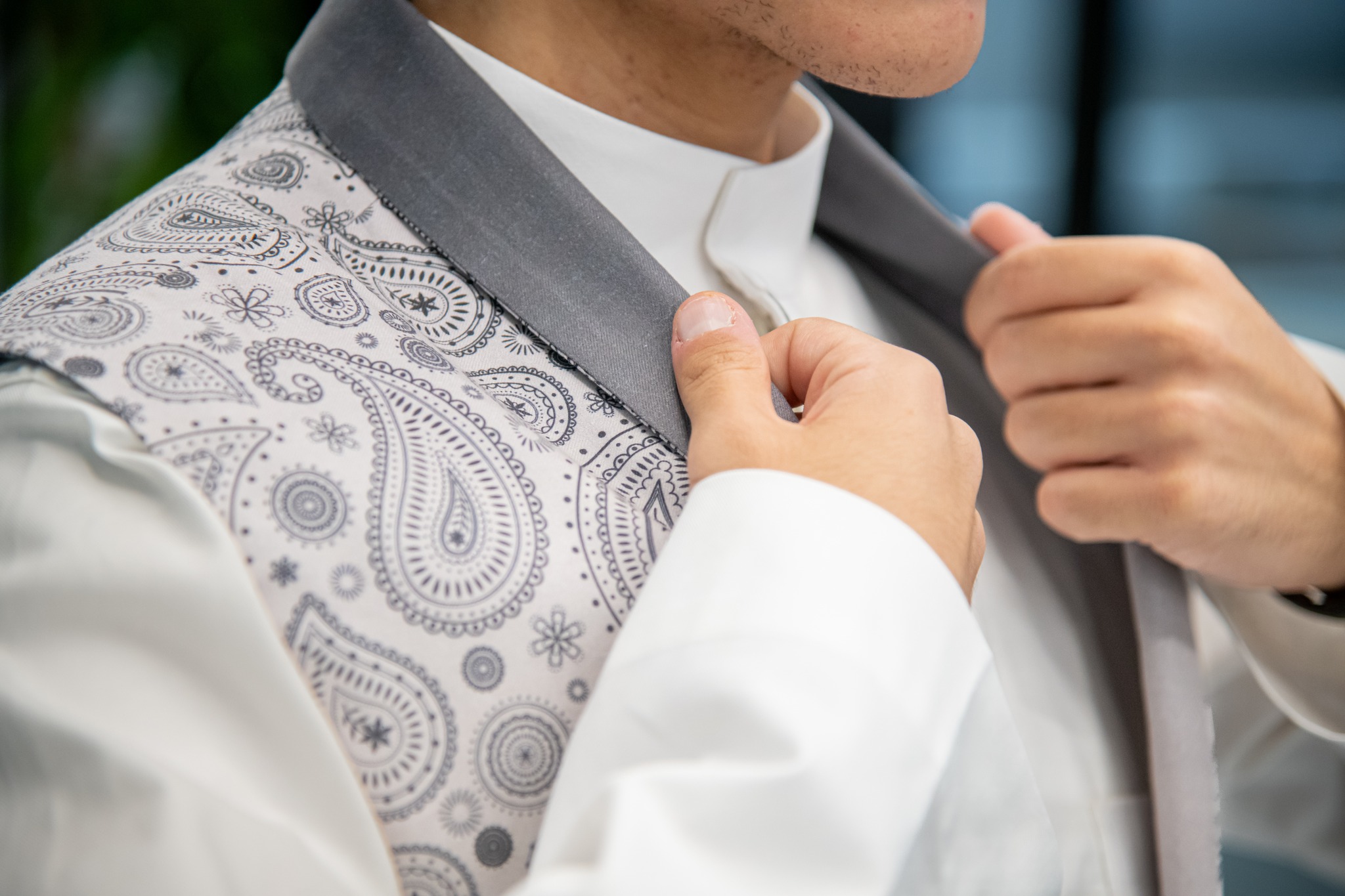

Fashion is one of the most environmentally demanding industries on Earth, responsible for heavy water use, chemical pollution, and carbon emissions. Changing fabrics may seem small, but materials determine supply chains, farming practices, and waste streams.
Seaweed offers a radically different model. It grows without freshwater irrigation, fertilizers, or farmland. It absorbs carbon and regenerates rapidly. It does not compete with food systems. And it invites coastal stewardship rather than land exploitation.
For Saudi Arabia, this project also signals a broader narrative shift. The Kingdom is increasingly positioning itself not only as an energy producer, but as a knowledge and innovation economy — where science, sustainability, and culture intersect.
For fashion, the message is equally clear: the future of luxury will not be defined only by design houses, but by material intelligence. Garments made from seaweed may not replace cotton or polyester tomorrow. But they challenge designers, investors, and consumers to imagine clothing that begins in ecosystems rather than factories.
As Stella McCartney and other sustainability leaders have shown, fashion does not change when trends shift. It changes when materials do.