


It seems like a no-brainer, but sometimes you need to give evidence to city councillors: A new multi-institutional study led by UC Davis Health suggests that not all green space is created equal. Living in urban neighborhoods with more visible trees is associated with a 4% lower incidence of cardiovascular disease, while areas dominated by grass or low shrubs may be linked to higher cardiovascular risk.
The research, published in Environmental Epidemiology, analyzed more than 350 million street-level images using machine learning to distinguish between trees, grass, and other types of vegetation. The findings challenge long-held assumptions that simply adding “green space” to cities is enough to improve public health.
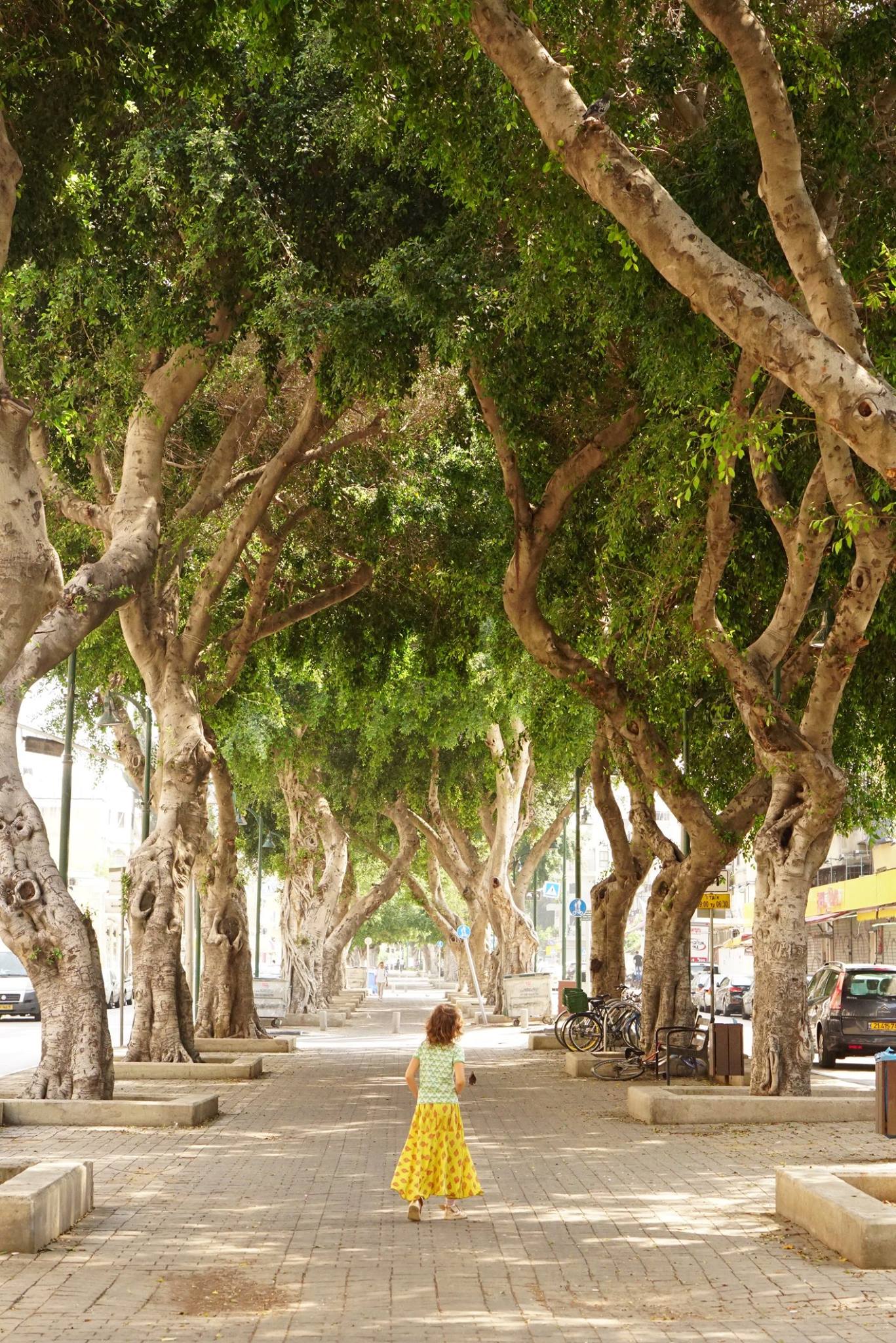
“Public health interventions should prioritize the preservation and planting of tree canopies,” said Peter James, associate professor in the UC Davis Department of Public Health Sciences and lead author of the study. “Urban forestry initiatives and policies that protect mature trees are likely to yield greater cardiovascular health benefits than investments in grass planting.”
Related: AI scientists from MIT get a map of a city’s trees

Why trees outperform lawns
Unlike satellite imagery, which often lumps all vegetation into one category, the researchers used street-level images—similar to what pedestrians see via platforms like Google Street View—to capture real neighborhood conditions. Deep-learning models identified trees, grass, sidewalks, cars, and other features, creating a granular picture of urban environments.
Those visual data were then linked to nearly 89,000 participants in the long-running Nurses’ Health Study, tracking 18 years of medical records and death certificates. The results were striking: More visible trees → 4% lower cardiovascular disease incidence
More grass → 6% higher incidence: Other green vegetation (shrubs, bushes) → 3% higher incidence
The protective effect of trees held steady even after accounting for air pollution, population density, regional differences, and neighborhood socioeconomic status.
Researchers suspect the negative associations with grass may be linked to pesticide use, emissions and dust from from mowing equipment, reduced cooling capacity, and weaker noise and air-pollution filtering compared to trees.
With cardiovascular disease responsible for over 900,000 deaths annually in the U.S.—nearly one in three deaths, according to the Centers for Disease Control and Prevention—even small shifts matter.
“This opens a promising avenue: improving heart health through community-level environmental change, not just individual behavior,” said Eric B. Rimm, professor at Harvard T.H. Chan School of Public Health.