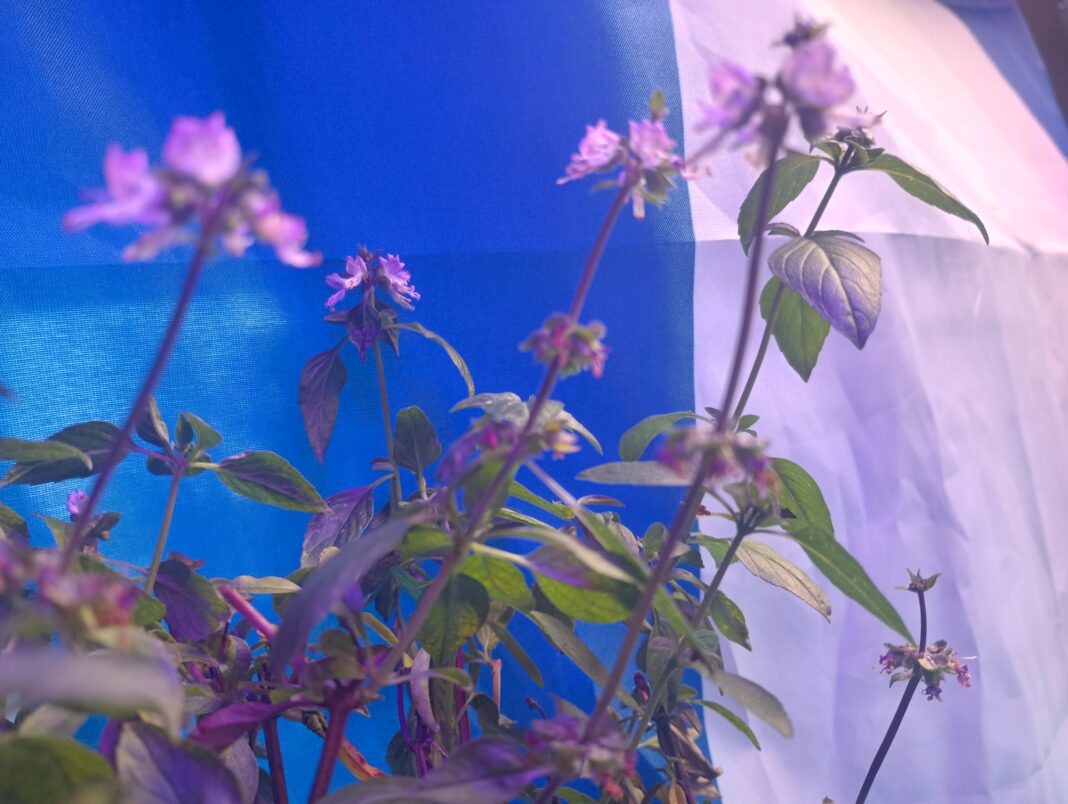

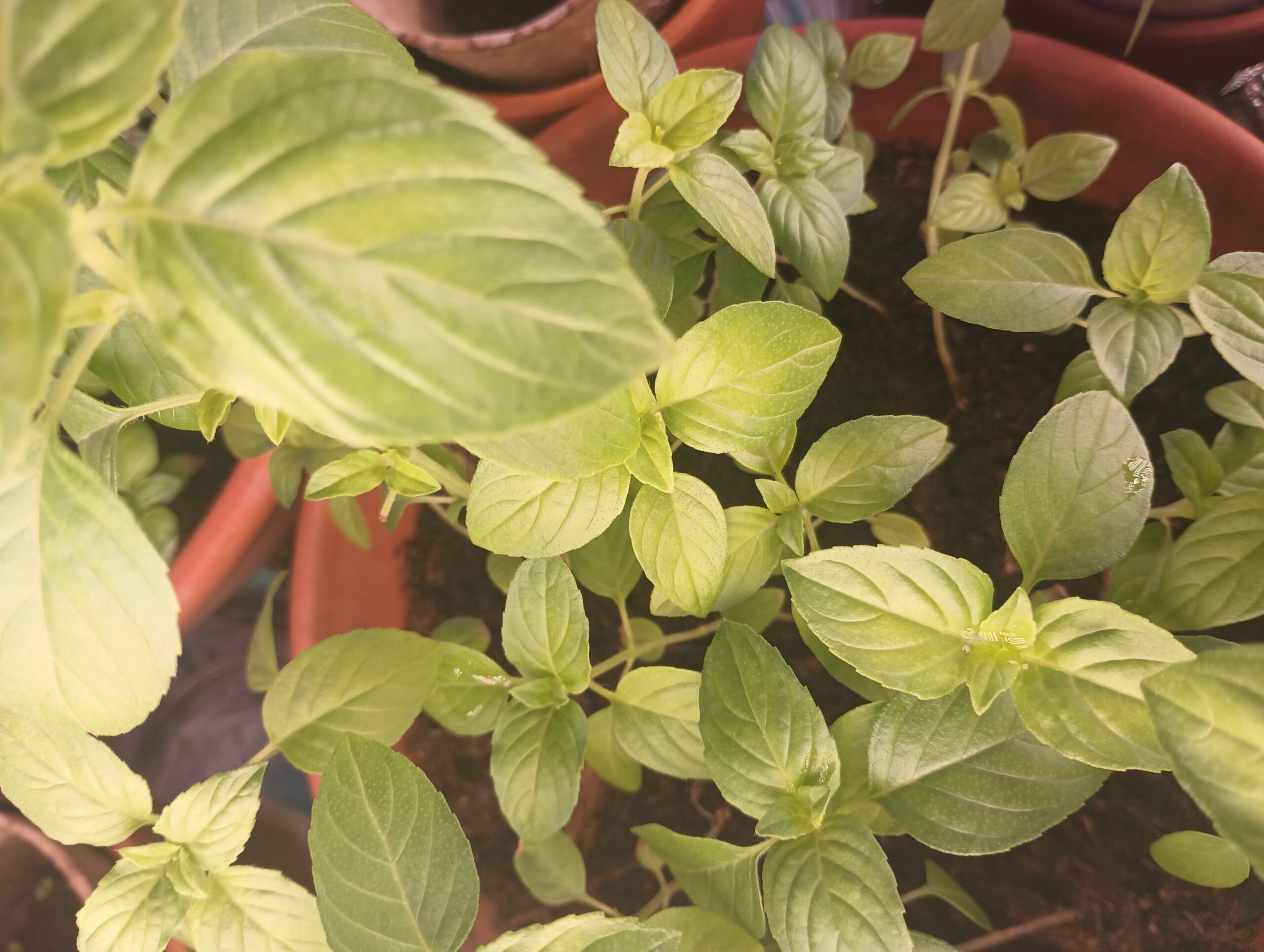
Beloved, fortunate, sweet, and royal; an herb with a long and storied history in Asia and across the world. Called by many names, basil has featured in previous Green Prophet articles, so enjoy another serving, a brief history of basil. Humble yet vigorous, after Greek basilikon phyton or in English “royal plant”. Or basilikon okimon, which is the root of the Latin scientific name Ocimum basilicum.
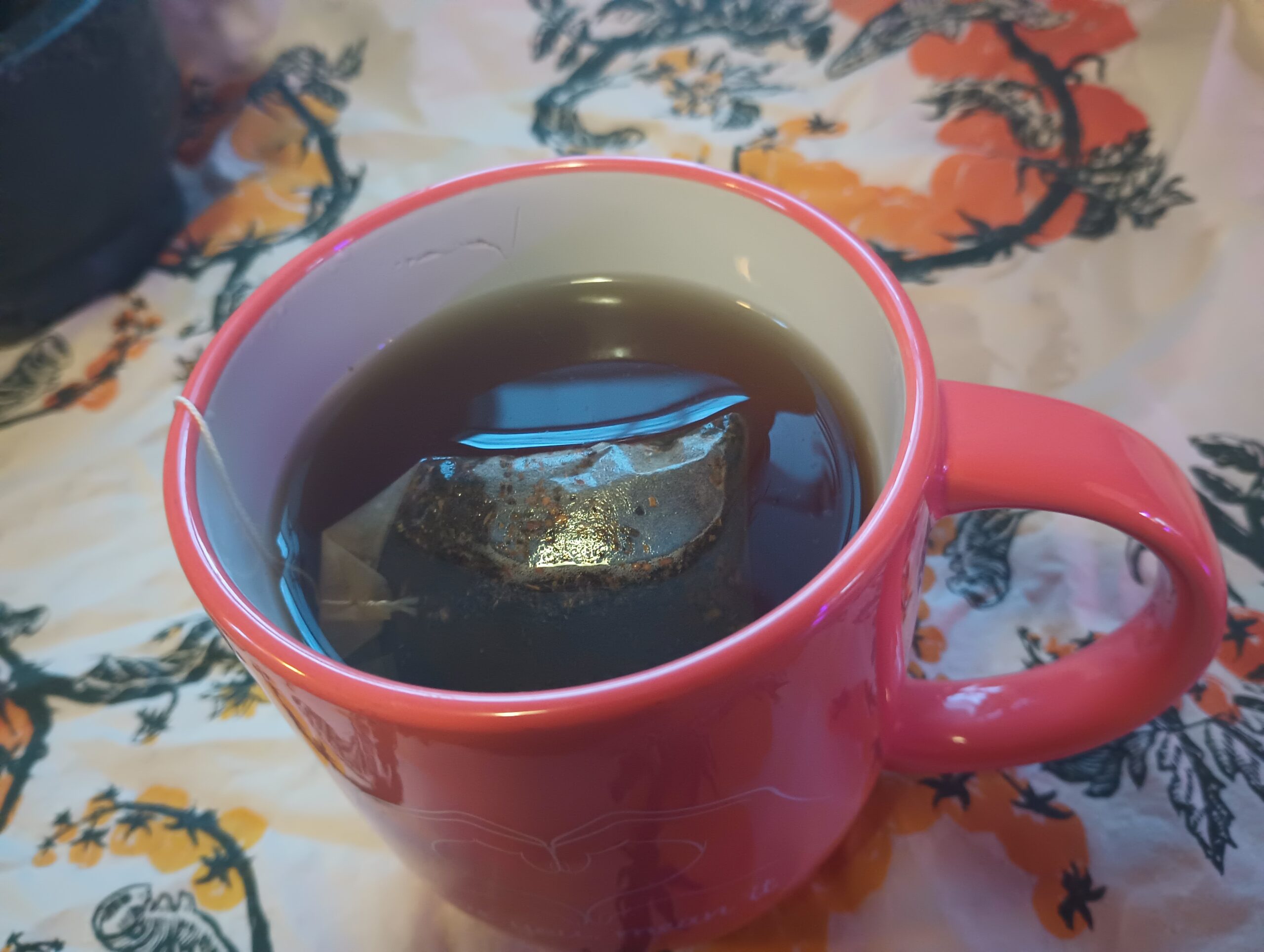
Tulsi: Revered in India, Embalmed in Egypt
Yet the historical origins of basil are literally “matchless” among plants, the Hindu goddess Tulasi’s name means just that. She’s the namesake for the plant tulsi or as many know her, “holy basil”. Ancient Indians cultivated the peerless plant intensely, seeing her as the goddess Tulasi. Then she spread her roots and legends in every direction out of India. Rooted in romance and royalty, Tulasi is the beloved of the deity Vishnu who Vaishnavites see as the Supreme Being. Just like humanity, basil herself has a deeper origin as plant medicine in the mother continent of Africa.
Various African cultures traditionally use basil for both magic and medicine by various cultures. Herodotus the Greek historian documented her as a component of the embalming process for Egyptian mummies. Despite the proximity to Northern Africa, Greeks basil isn’t from the Egyptians. Note that off the coast of Tanzania in Eastern Africa, basil is mrehani on the island of Zanzibar. Mrehani is a Swahili word, Swahili being an Arabic-flavored Bantu language.
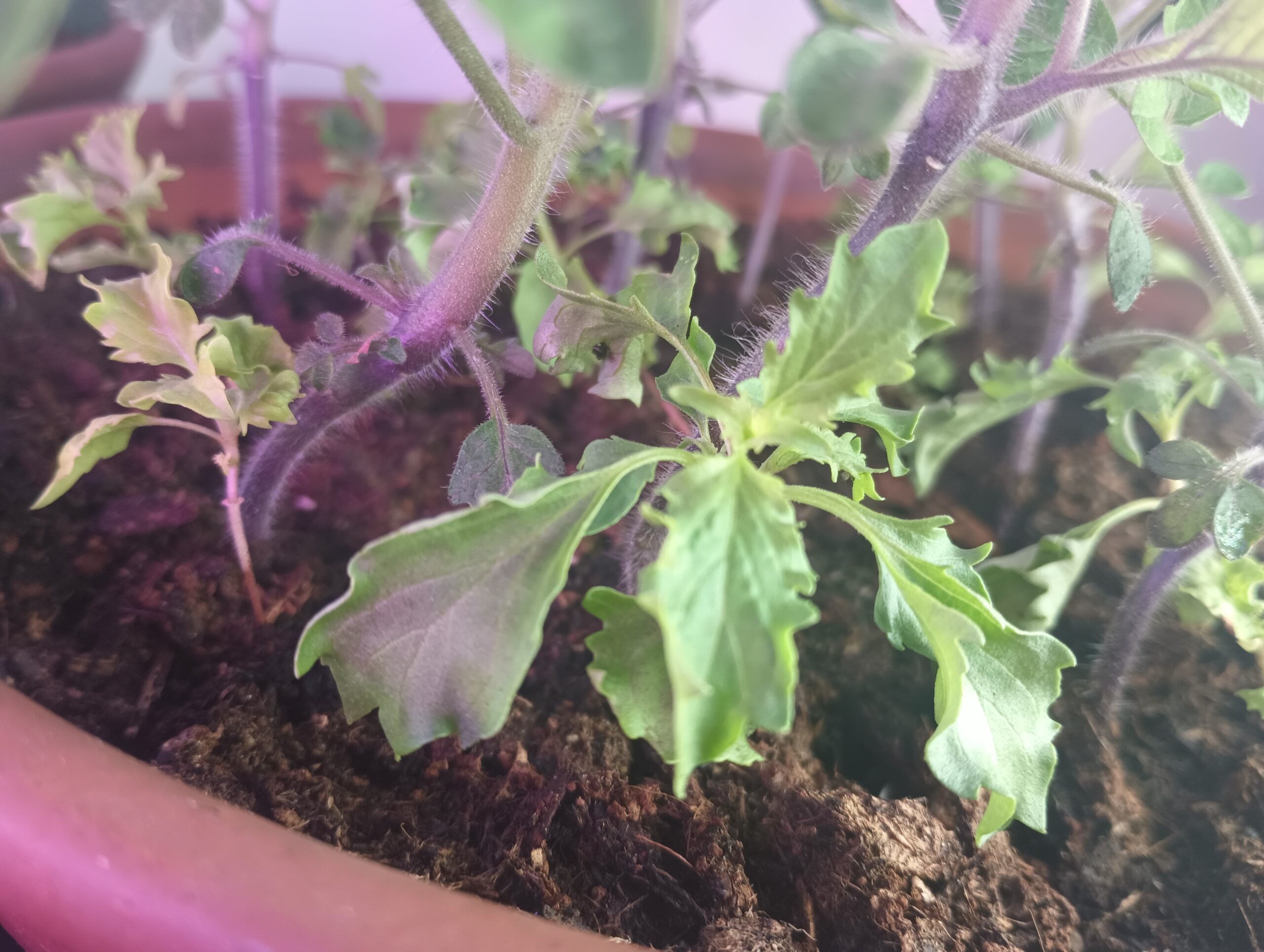
Pho Cups in Vietnam
Instead basil traveled east from India to Southeast Asia. This includes the common use of tulsi in Thai cuisine where it’s called krapow. Thailand also lends its brand to the strongly anise-flavored “Thai basil” called horapha. Horapha and related cultivars are used in Vietnam as well in the popular soup called pho. While tulsi is locally known as selasih in Indonesian, there is a lemon-flavored variety called kemangi. Both kemangi and selasih are common in Malaysian and Laotian cuisines as well.
Tokhm-e sharbati, a Cool Summer Drink
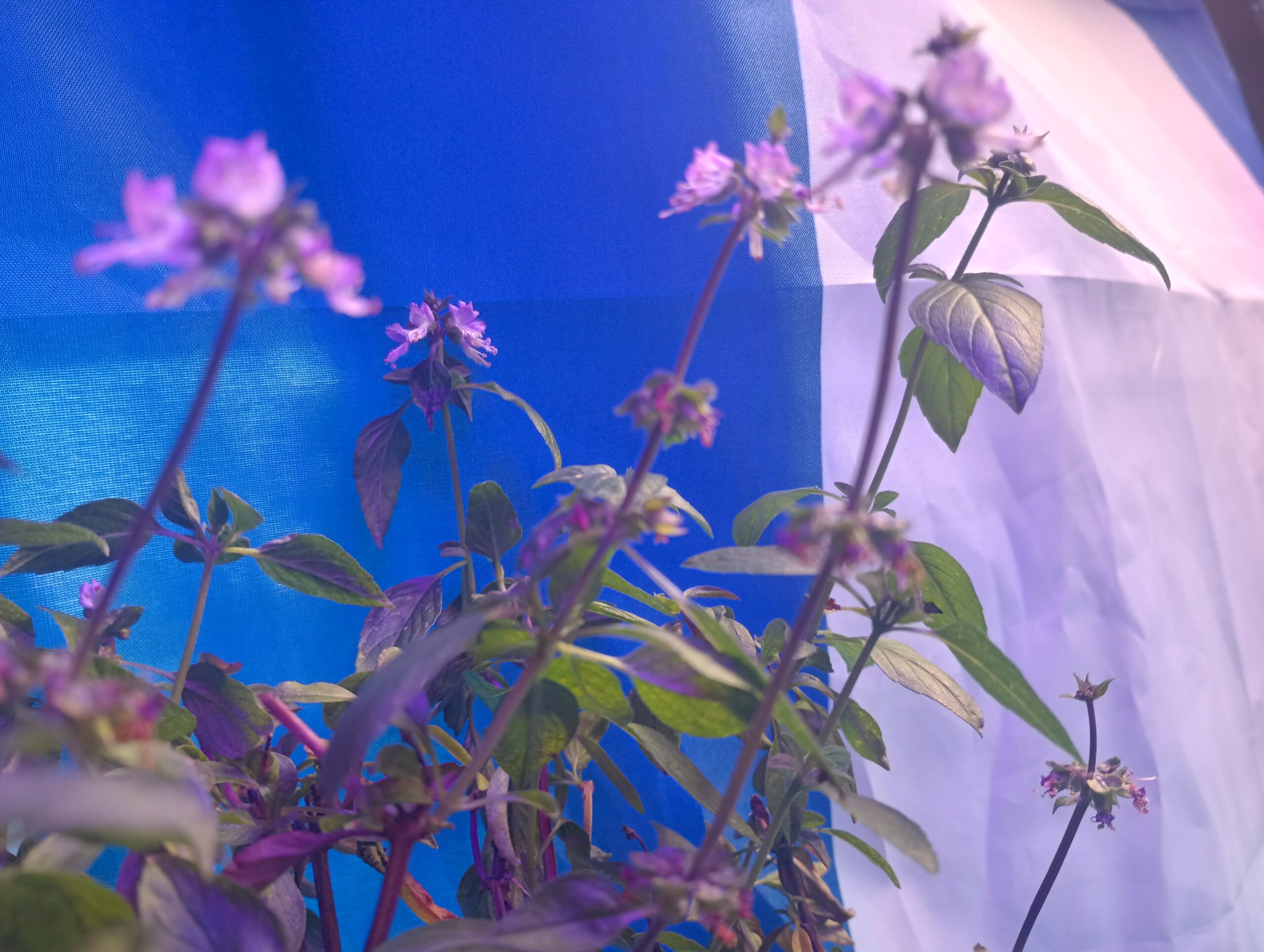
Traveling west through what’s now Pakistan, where sweet basil is niazboo in Urdu. Basil seeds are tukhmalanga soaked in water, creating a widely regionally-popular “cooling” beverage. Basil seeds as a beverage in Iran is tokhm-e sharbati, tokhm-e means “seeds” in Persian much like tukhmalanga in Urdu. Sharbati means a sweet drink like juice or syrup; this is a traditional and popular summer drink. Persia brought basil to West Asia, including the Levant.
In the Levant tulsi took on a new name from the Aramaic word ריחא or richa, meaning “smell” as in a scent. This became the basis for calling her rayḥān (Arabic), rayhān (Persian), and many other variants in Armenian, Azerbaijani, Georgian, Hebrew, Tajik, Turkish, and mrehani in Swahili as mentioned above.
You should not confuse rayhan with “Arabic basil” or habak, which is a mint plant from the mint genus Mentha. Both mints and basils are a part of Lamiaceae, somewhat confusingly called the mint family. Yet basils are from the genus Basilicum, the Latin for basilikon. Most of what we think of as mints are part of the Mentha genus. The wider Lamiaceae family contains many well-known herbs including rosemary, sage, oregano, hyssop/zaatar, thyme, lavender, perilla/shiso, catnip, bee balm, and many more.
From Moorish Romances to Pesto
From the Levant, rihan came to the beautiful volcanic island of Sicily where it became part of local magic, legend, and decor. Basil became basil there through Greek occupation as a calque the Greeks directly translated the Persian name meaning “kingly herb”.
Later on the Sicily, a custom rooted in old legends arose from the later Moorish occupation. Though often gruesome, the Moor’s Head is retold in many forms with both tragic and noble romances. In one such story a local girl falls in love with an invading Moor who turns out to have a family back home. She jealously beheads him, places his head in a decorative planter, then basil grows from it. In another story he’s still an invader but converts to the local religion and settles down to live happily ever after. There are other stories, some more tragic and others less so. Regardless of the story this is why you will find these oddly charming ceramic planters of a North African man and an Italian woman all over sunny Sicily.
And Pistare to Pistou
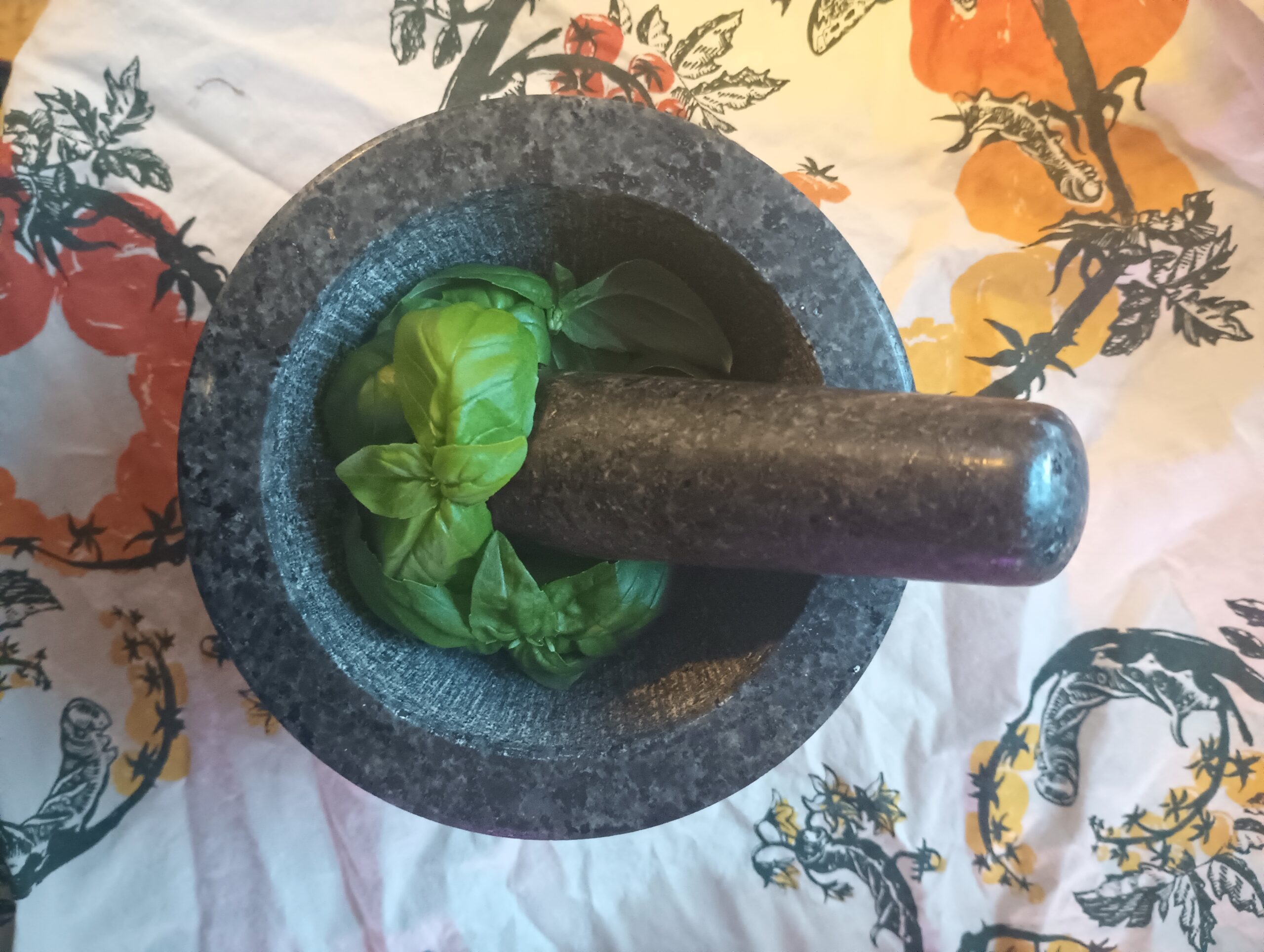
Emanuele Rossi concocted pesto alla Genovese in 1852 CE, just over 170 years ago, the first common pesto to use basil as an ingredient. In Italian pesto simply means “paste”, a sauce properly made with a mortar and pestle to bring out the full flavor, based on the ancient Roman herb and cheese spread known as moretum and a more recent Ligurian garlic and vinegar innovation called aggiada. Likewise this is where French pistou originates; whether in French, Italian, or Sicilian we can see the common Latin root pisto/pistare that means “I pound”/”to pound”.
Two More Servings to Come
Delightfully, basil keeps growing vigorously wherever we plant her seeds, even in our heads! In each land the way basil spices up recipes varies as much as basil cultivars themselves.