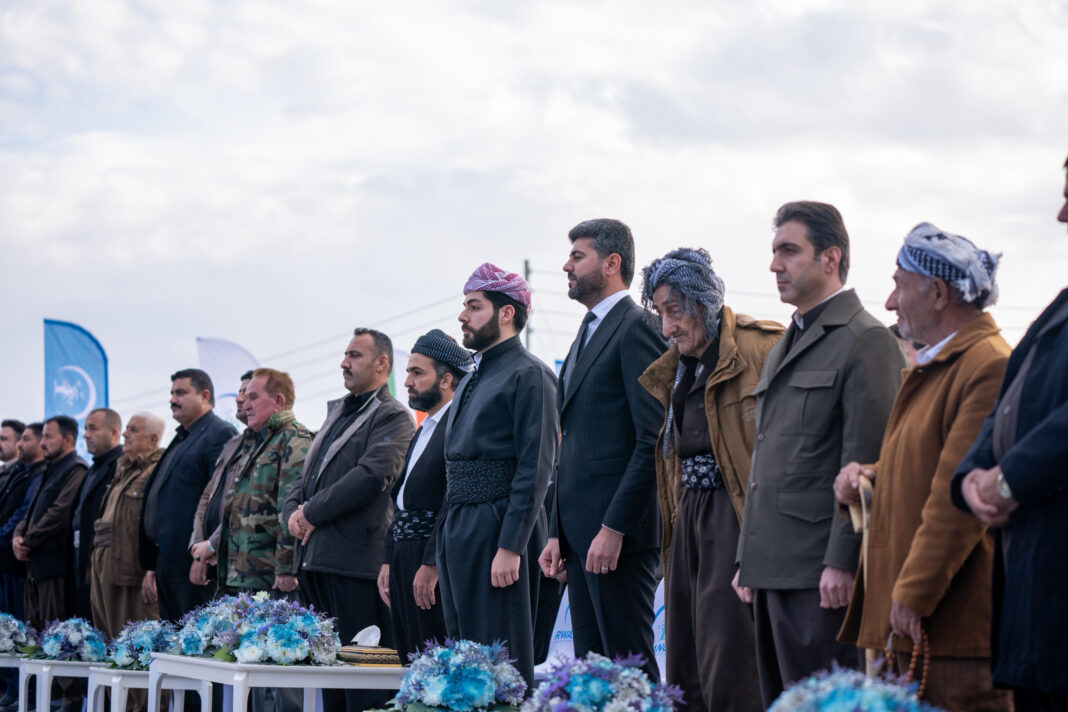

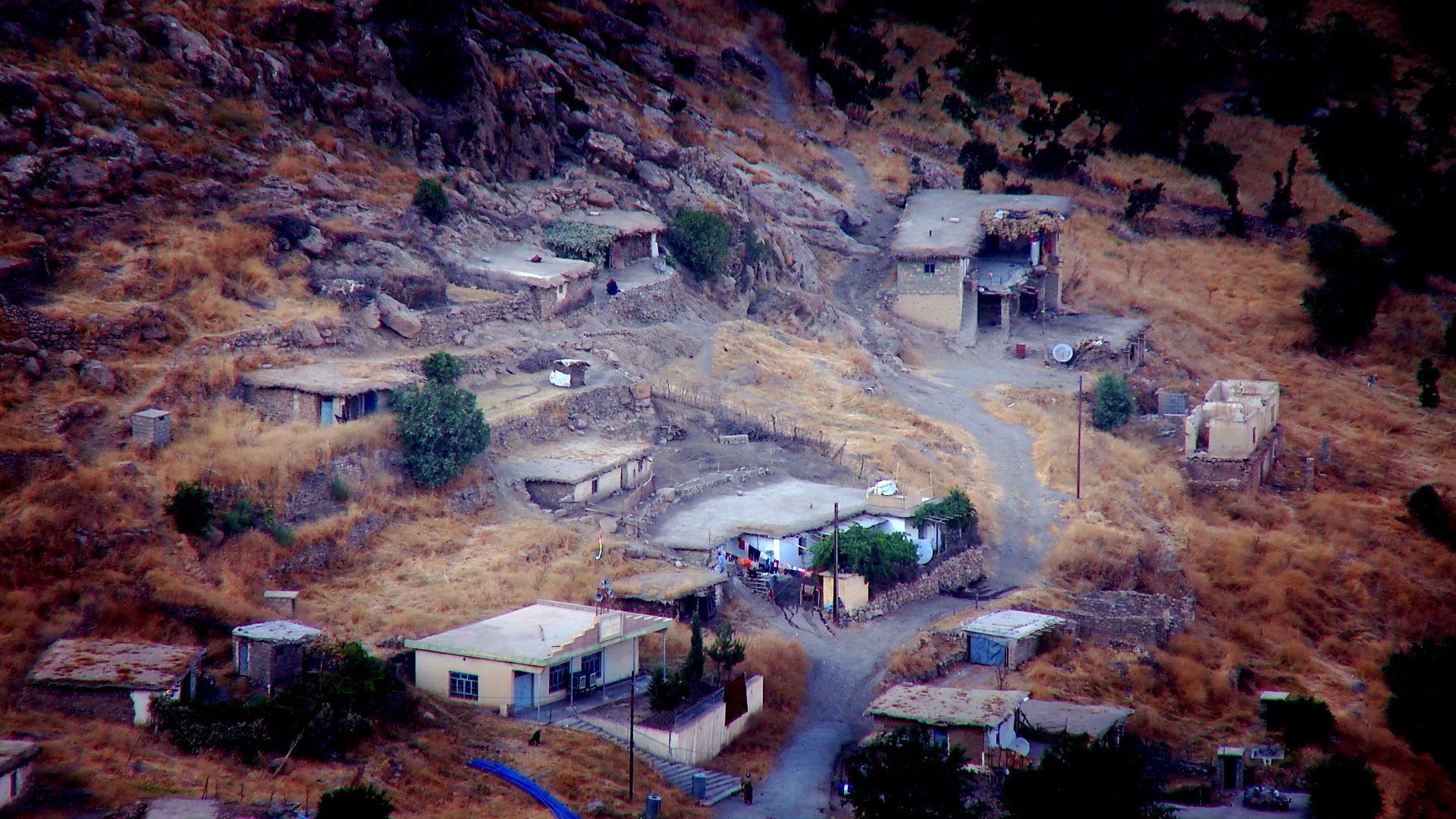
Thirty-eight years after Iraqi forces dropped chemical weapons on Sheikh Wasan village, killing 211 civilians – mostly women, children and elderly – the same streets are now lit by clean, off-grid solar energy.
The transformation is the work of the Rwanga Foundation and its founder, Idris Nechirvan Barzani, a young Kurdish businessman and philanthropist who has quietly become one of the region’s most active advocates for renewable energy in post-conflict communities.
On 16 August 1987, Iraqi aircraft and artillery bombarded the Balisan Valley with mustard gas and nerve agents in what is recognised as the first chemical attack against Kurdish civilians – a full eight months before the better-known Halabja massacre. Survivors were rounded up, families separated, and many children died in detention camps.
Today, 72 solar systems – 432 high-efficiency panels in total – power every home, the mosque, the school, the health centre and the Martyrs’ Hall in Sheikh Wasan. For the first time in decades, the village of 281 returned residents has reliable 24-hour electricity.

“These villages paid the heaviest price under the former regime,” Idris Nechirvan Barzani said. “Providing them with clean, sustainable energy is the least we can do – not as charity, but as restitution and an act of justice.”
Since 2013, Rwanga Foundation has focused on neglected rural communities, and transformed them into fully solar-powered communities, creating local jobs in installation, maintenance and small-scale agriculture that reliable power now makes possible. The Sheikh Wasan project is the latest in a string of initiatives to promote sustainable development in the Iraqi Kurdistan Region.
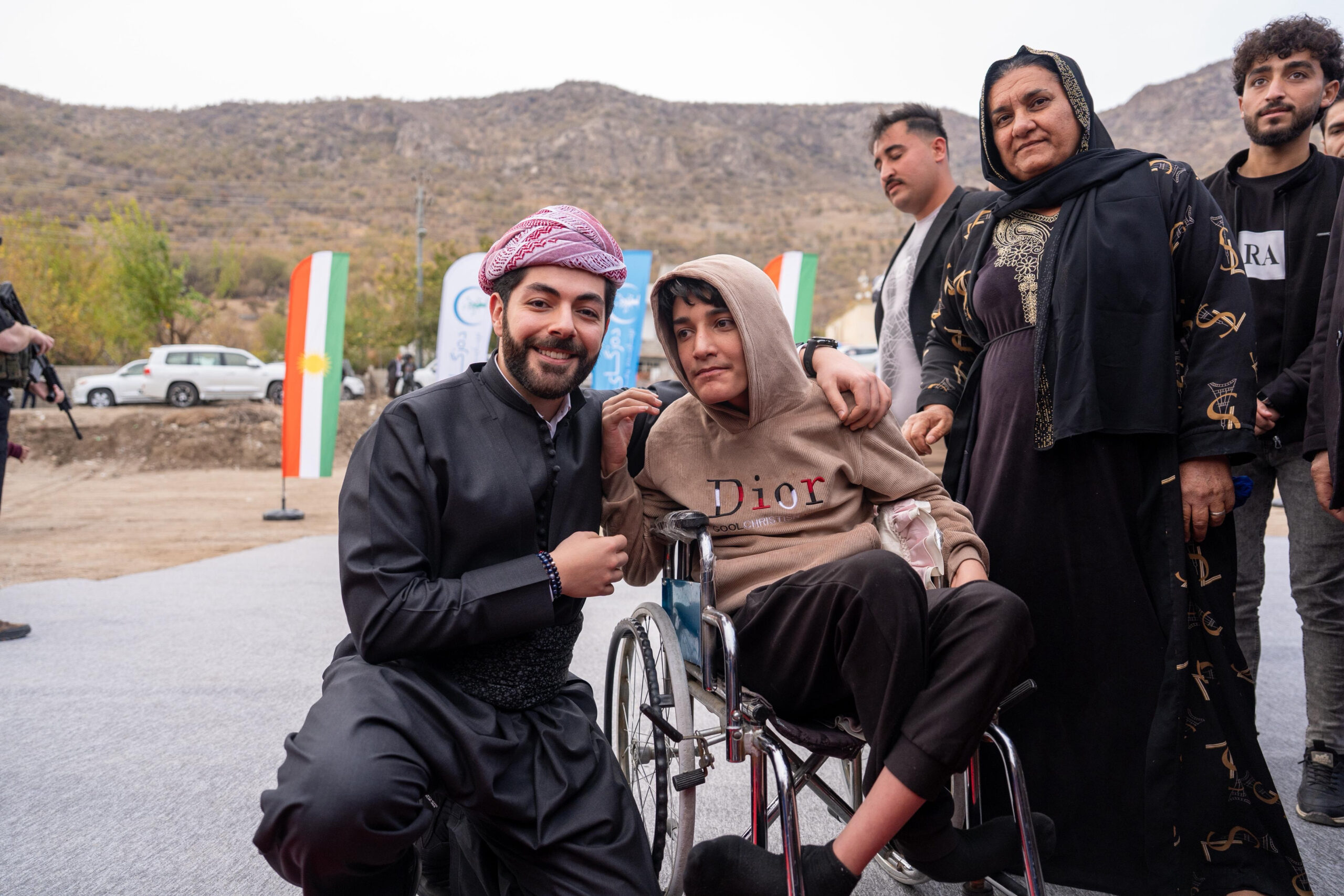
Survivors and their descendants welcomed the new panels as a tangible sign that their suffering has not been forgotten. “We lost entire families to the gas,” said one resident who asked not to be named. “Now our children study under electric light and we can store our produce all year round. This is justice in the form of sunlight.”
Human rights groups have long called for greater international support for Anfal survivors. The solar project, funded entirely through private Kurdish philanthropy, highlights how local initiative is filling the gap left by Baghdad and the international community.