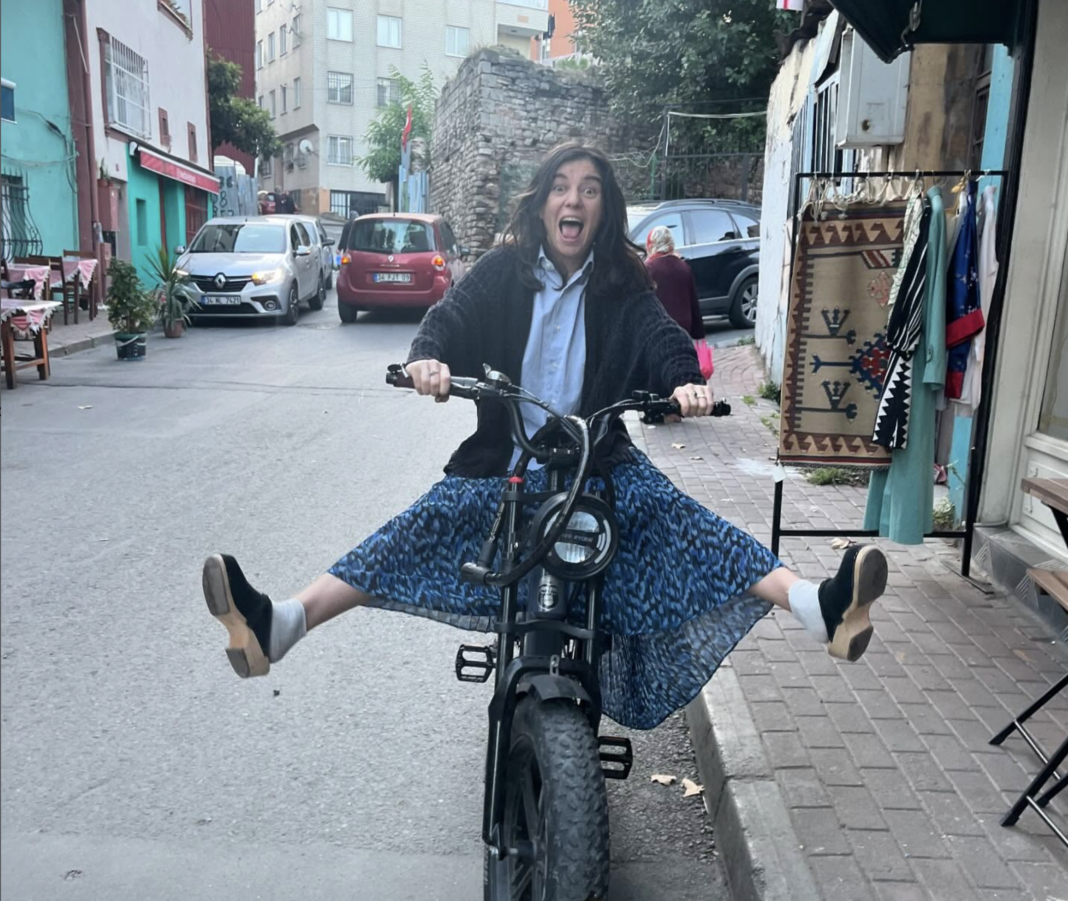

Balat is not a neighborhood you would visit on a standard tour to Istanbul—the kind that shuttles you between giant mosques like Hagia Sophia. If you want a real taste of the city and the people who live there, wander a smaller neighborhood. Balat is my favorite for its cobblestone lanes, record shops, cafés, second-hand clothing stores, colorful stairs, textiles and towel shops—and the cats. Cats rule Balat, and much of Istanbul.
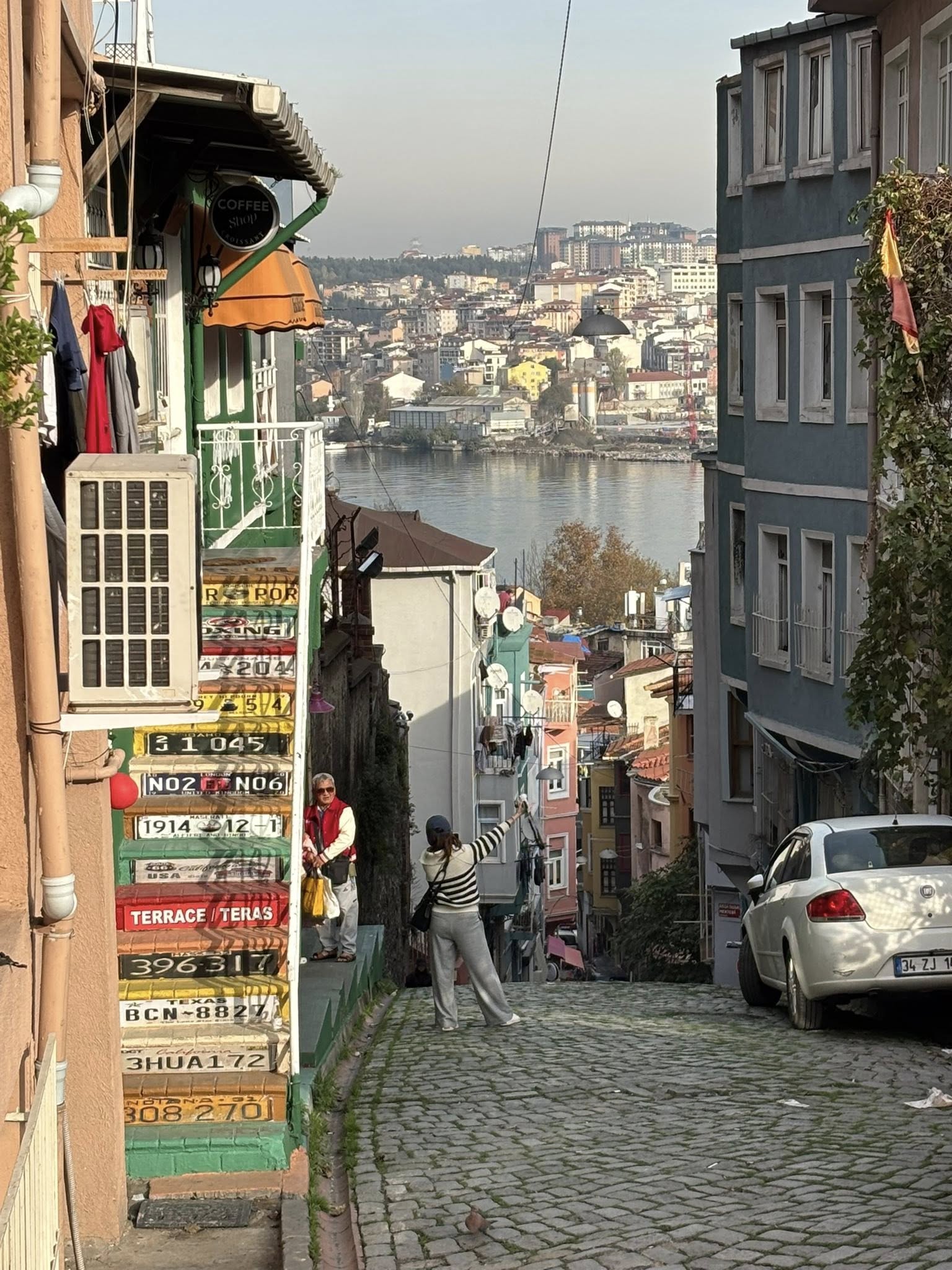
Be prepared to lose yourself wandering around this village-like part of the city. I’d spend half a day in Balat, much of it in wanderer mode. This is one of Istanbul’s most quietly enchanting quarters, where cultures overlap not as a museum piece, but as a living, breathing fact.
For centuries Balat has been home to Jews, Greeks, Armenians, and Muslims, and that mosaic still shapes the streets. You’ll pass the Ahrida Synagogue, Orthodox churches, and modest mosques within minutes of each other. Unlike grand Sultanahmet, Balat’s diversity feels intimate and domestic—it’s history at human scale you can still touch and feel. Homes and cafés are built among crumbling walls and old fortifications, and the vibe among the people is good. As my Uber driver said arriving in Balat, “In Istanbul we love our cats, and hate our mayor.”
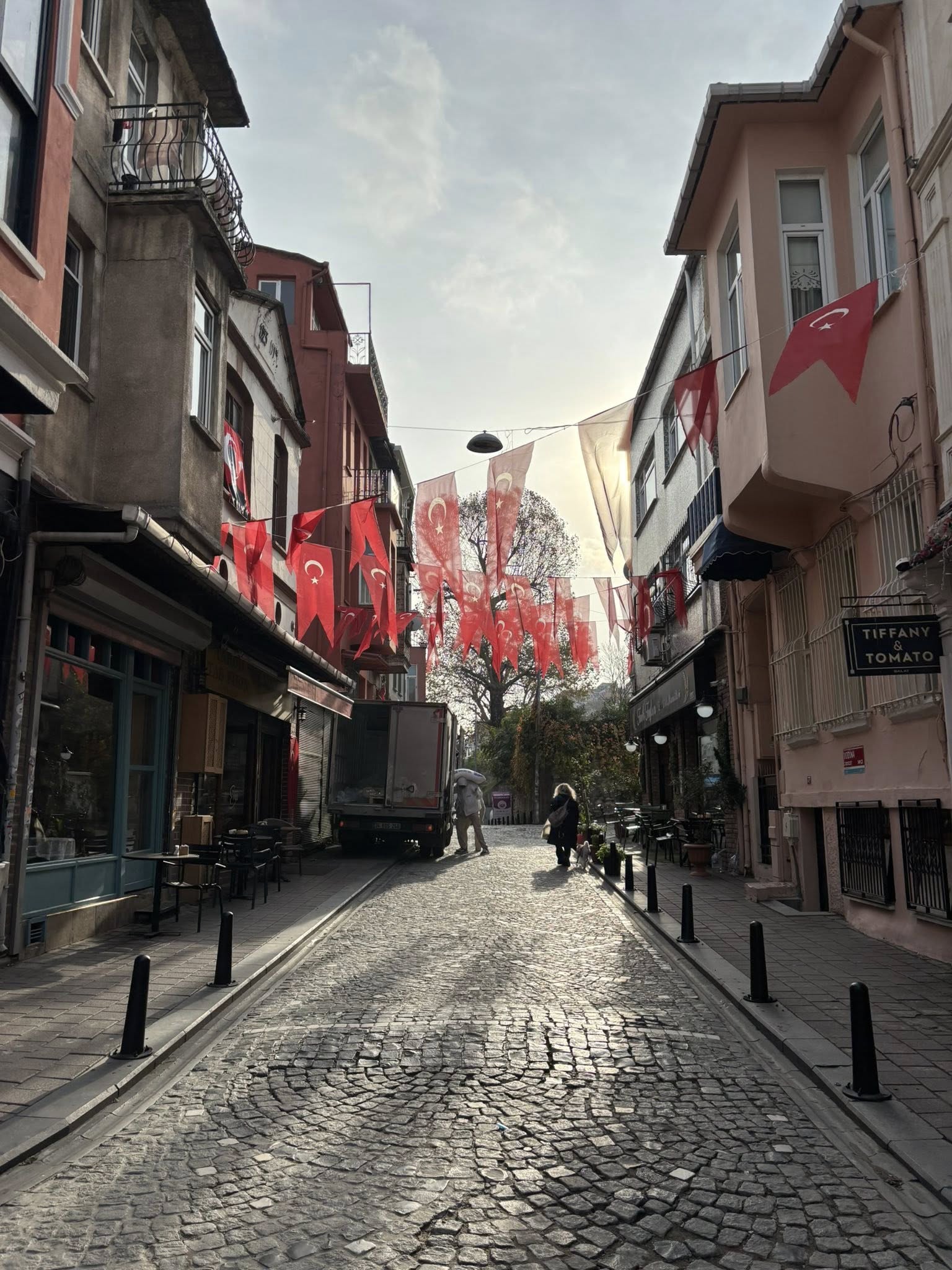
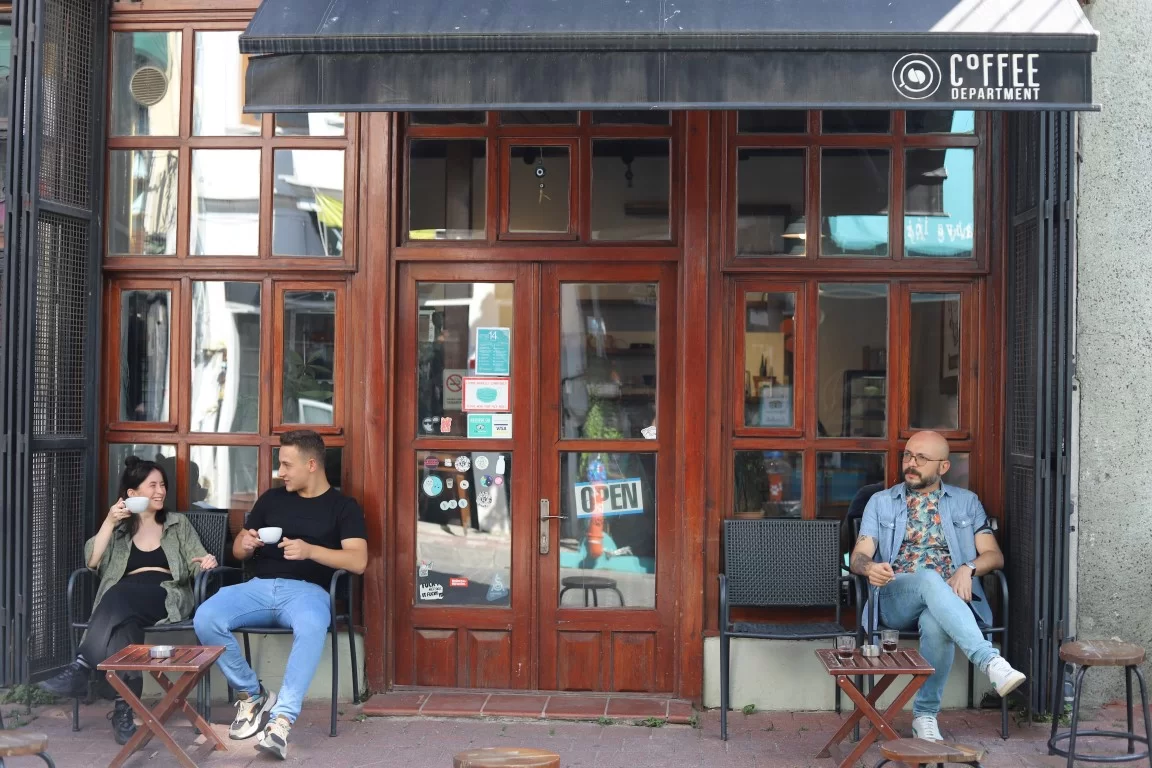
Balat has recently become a magnet for vintage lovers and collectors (some say it happened when Coffee Department opened in 2010), but it hasn’t lost its edge and grit.
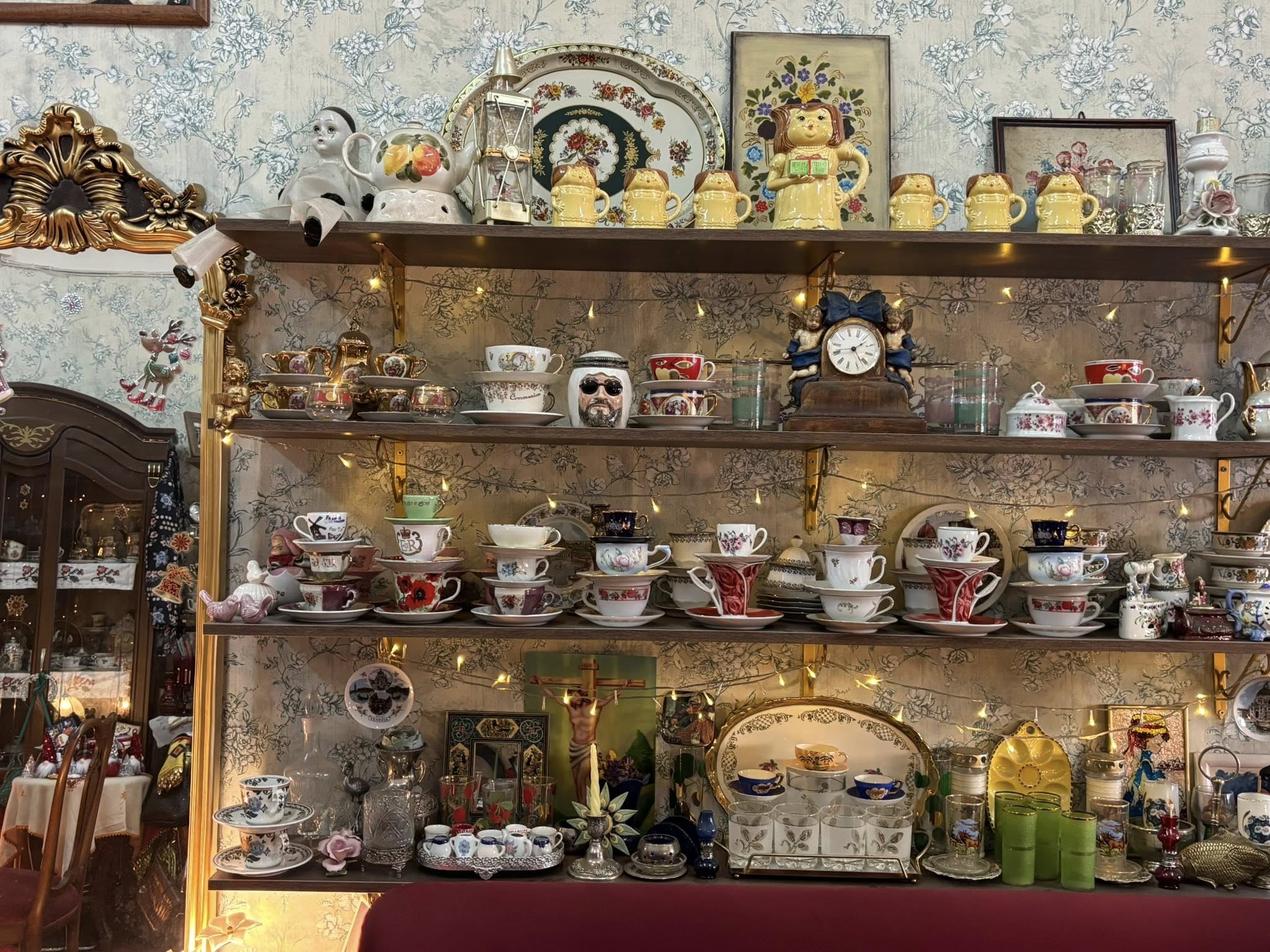
Find old record players spinning Turkish tunes, bent silverware, Anatolian rugs, colorful caftans, postcards, rusted tools, and ceramic cups poking out from tiny shops that are halfway between a flea market and a time capsule. We saw men dancing in the street and attractive local couples (lovers?) having intense coffee conversations in the late sunny morning—on a weekday.
The prices in the second-hand clothing shops are not what they once were (here is our old guide to second hand clothing shops in Istanbul around Istiklal street), but the items are well-curated. And the second-hand shops in Istanbul will still offer you eastern garb such as cloaks and overcoats, plus colorful wool sweaters. The stairs and buildings in Balat are colorful too.
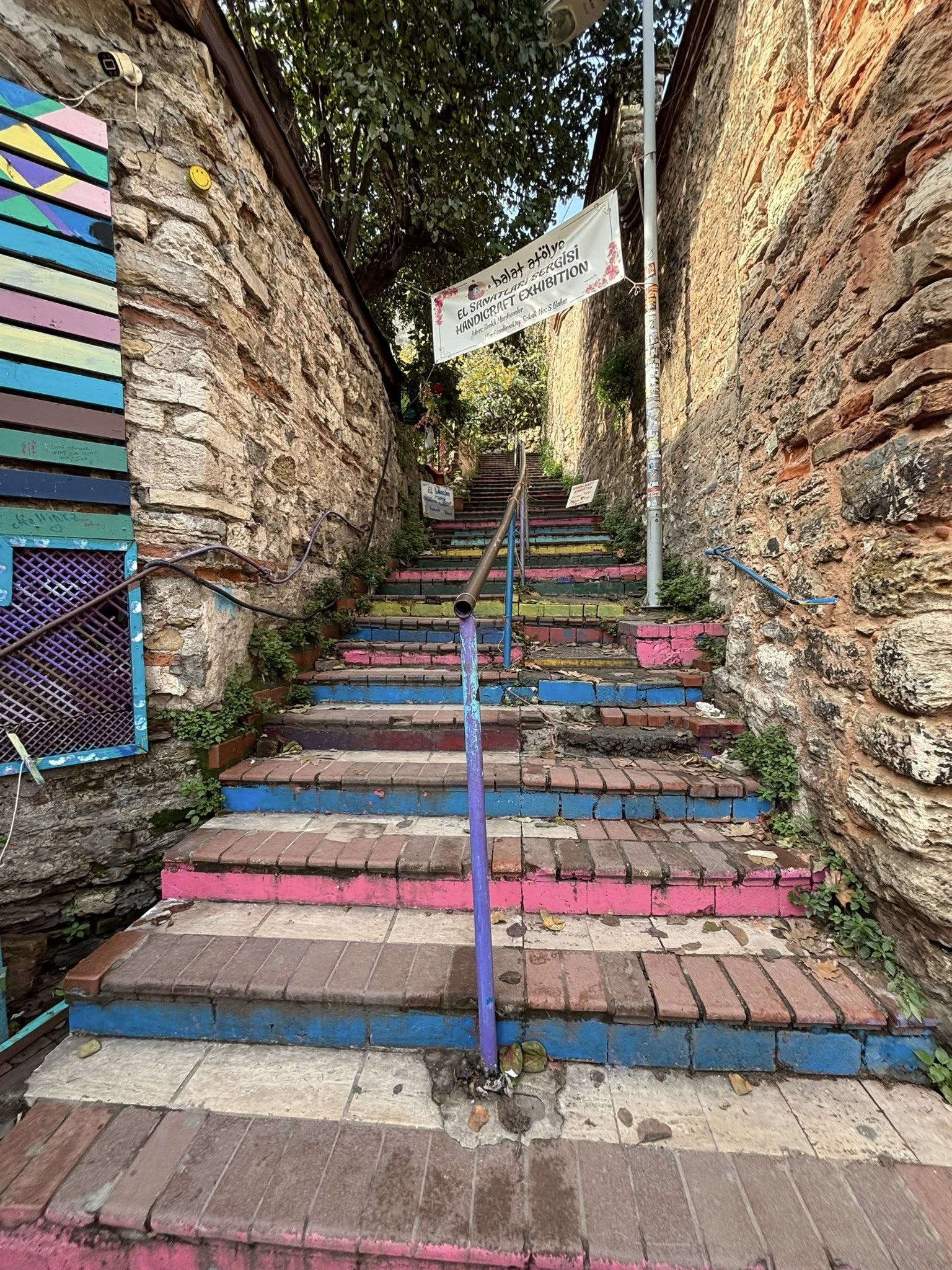
The joy of being in Balat—or in Istanbul in general—is not ticking off addresses and sites of interest. It’s letting curiosity pull you down side streets where eye contact can lead to a conversation.
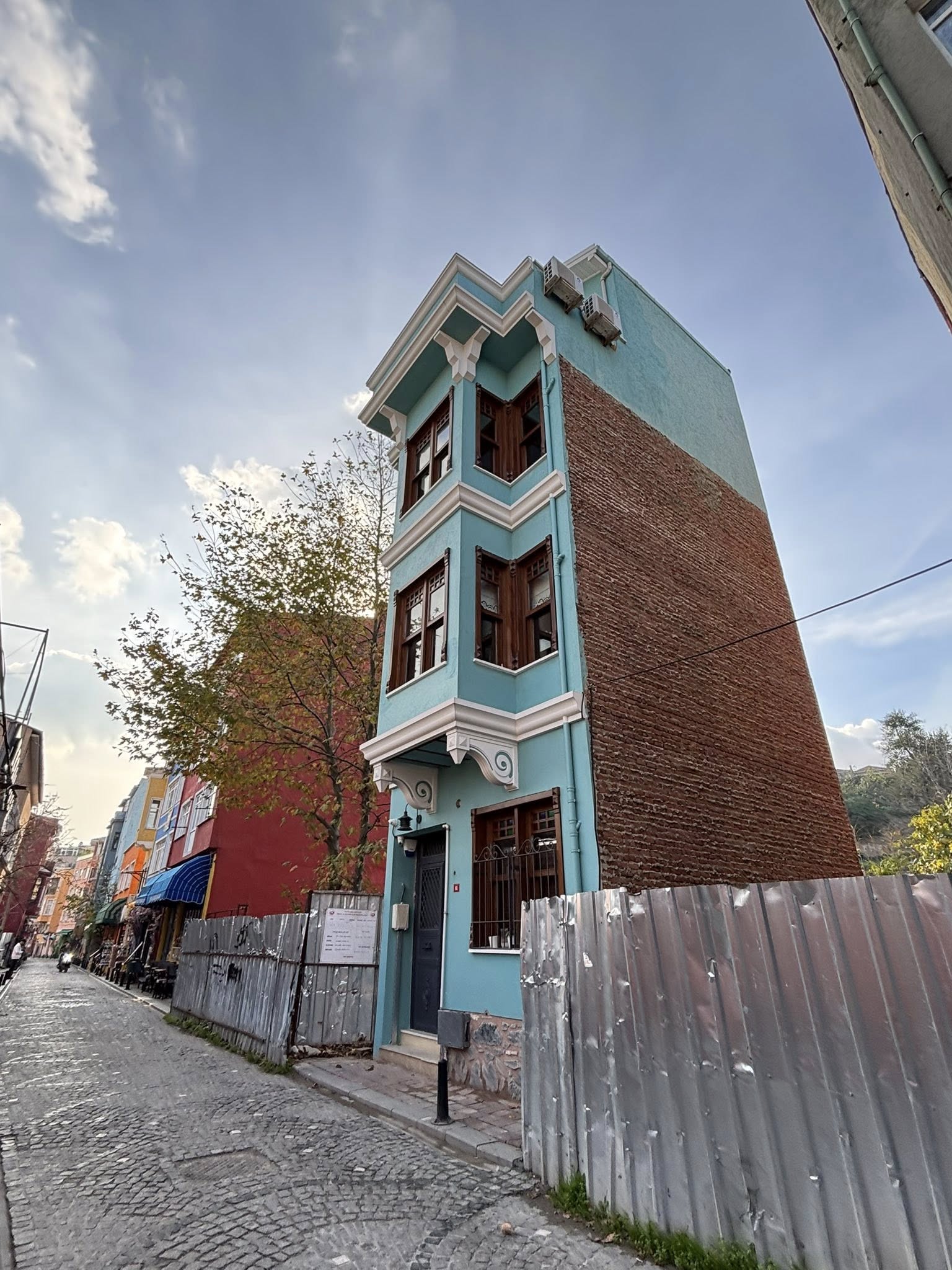
Three Cafes Worth Lingering In
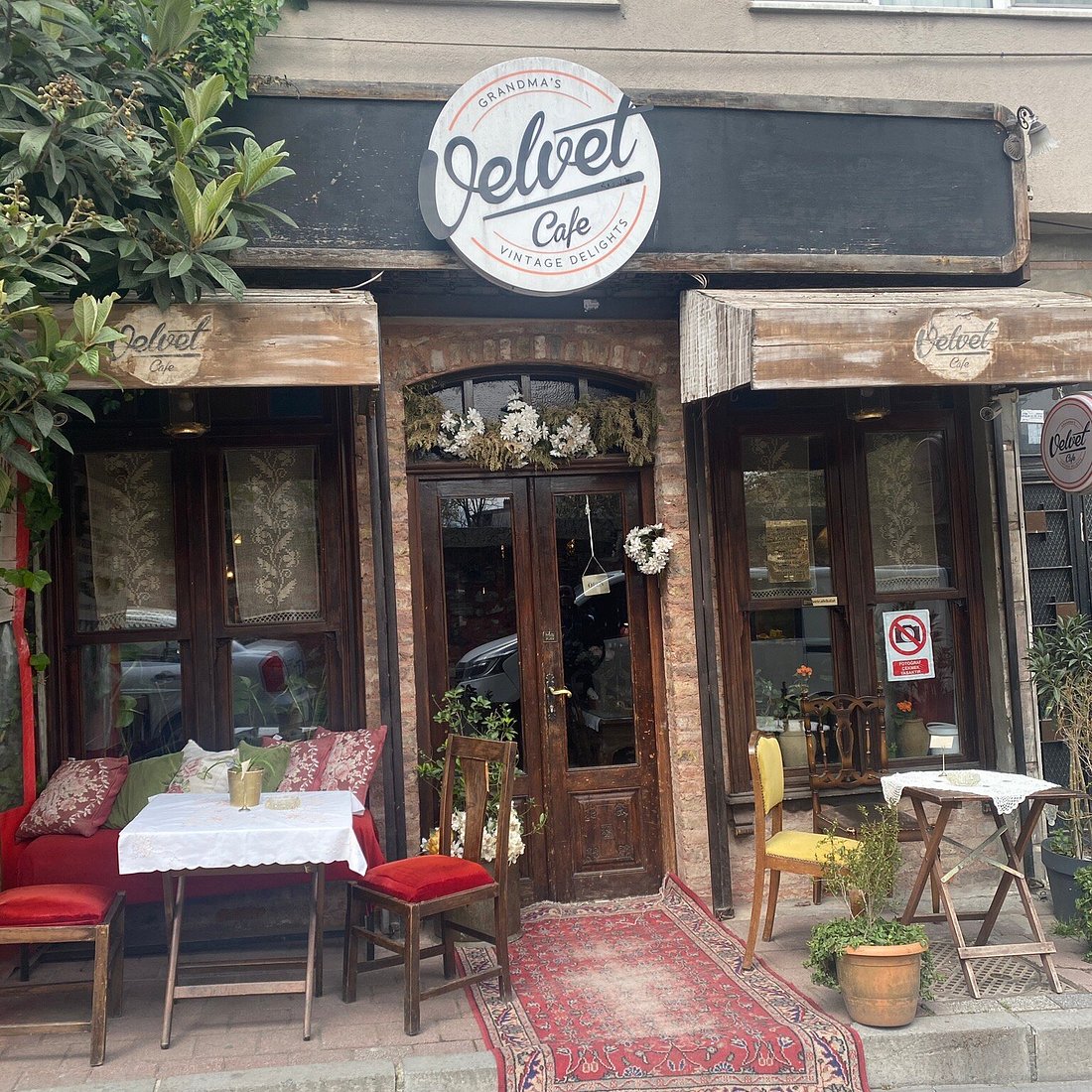
Velvet Cafe – A Balat institution. Mismatched furniture, plants everywhere, and the feeling that time has agreed to slow down. Looks like a place to join a revolution—or start one.
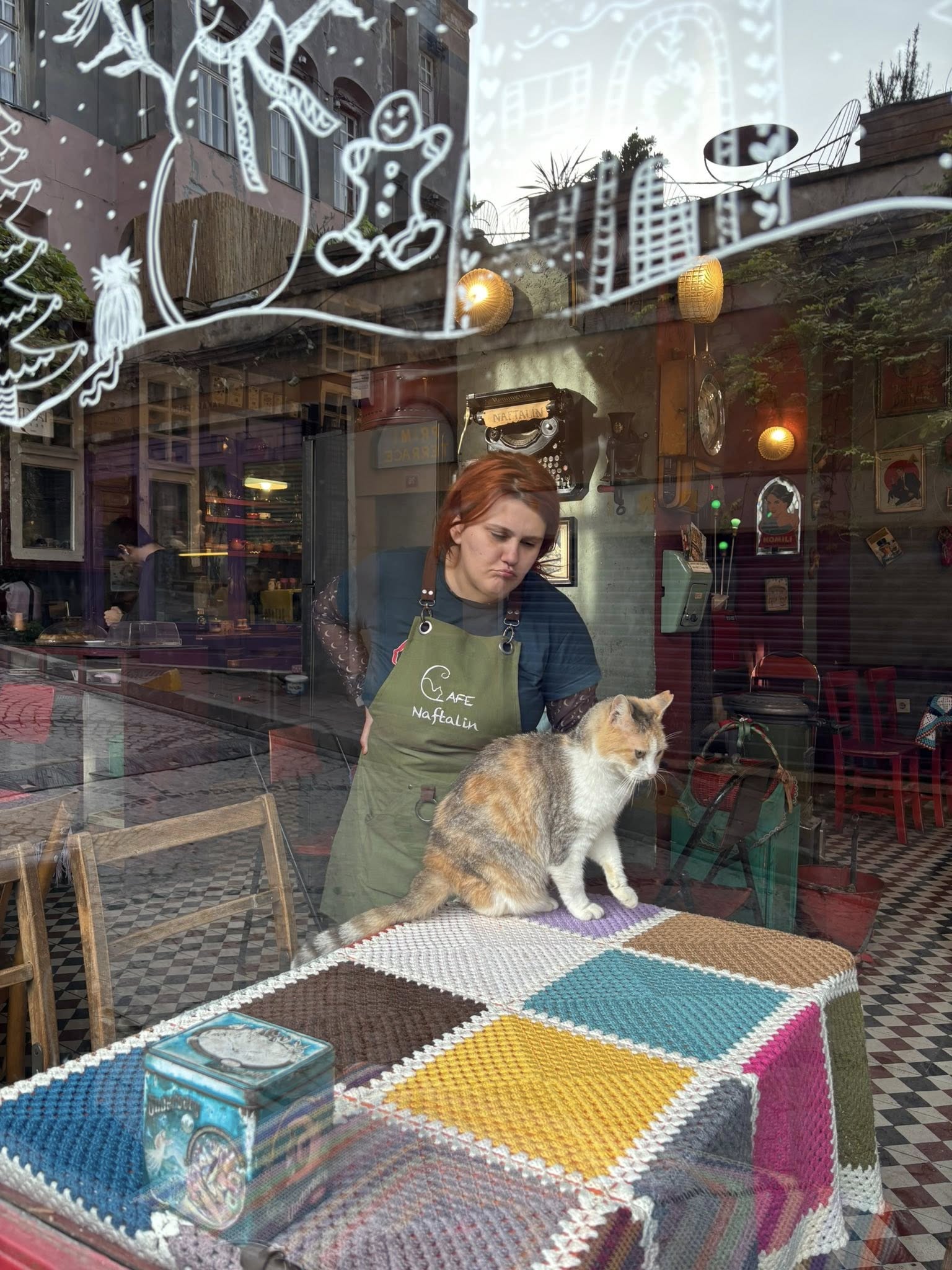
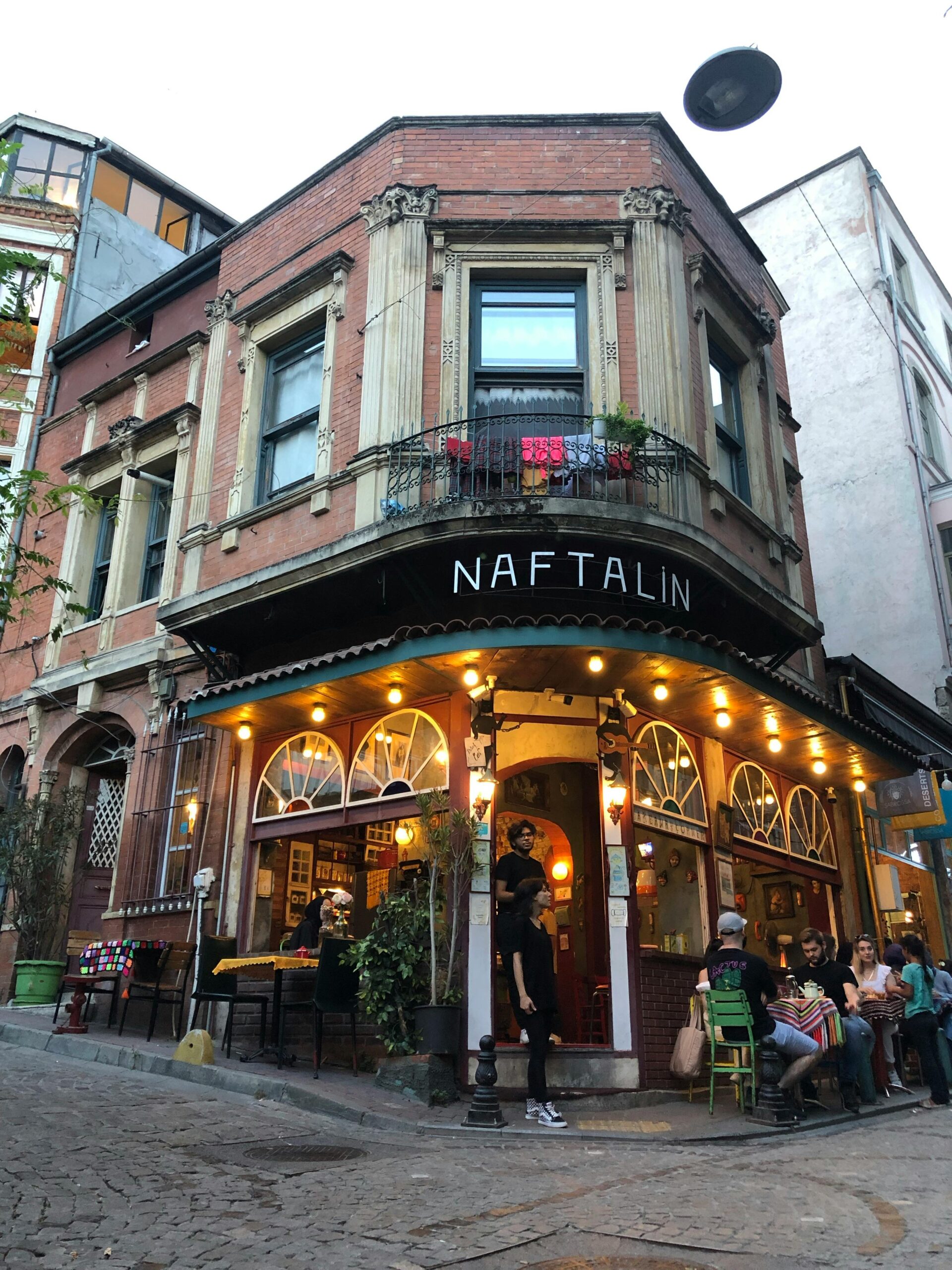
Naftalin Kafe – Nostalgia perfected: old family photos, radios, and Turkish coffee that tastes like it belongs to the room. Cats rule the café. Notice our top photo taken recently outside Naftalin on one of the main tourist streets, where the cat is telling the waitress who to serve next.
Coffee Department in Balat – A more modern stop with excellent coffee, popular with locals and creatives without breaking the spell of the neighborhood. Believed to be the café that opened Balat up to becoming a prime tourist destination.
This is cat country, and humans know it. Cats lounge on stoops, café chairs, shop counters, and car hoods with total confidence and airs of superiority. They do let you touch—on their terms. Bowls of food appear mysteriously. Some cats even drop down on a rope from the sky (or the top-floor apartment). People have built cat houses for their furry friends, and non-profits exist to help foreigners send a beloved Balat street-cat back home with quarantine and papers (see Paws of Hope if you are interested in the adoption process). This is far from the Erdoğan-style Turkey that has called for the culling of millions of Turkish street dogs.
In Balat, cats are not a feature. They are the management.
Explore your faith in interfaith
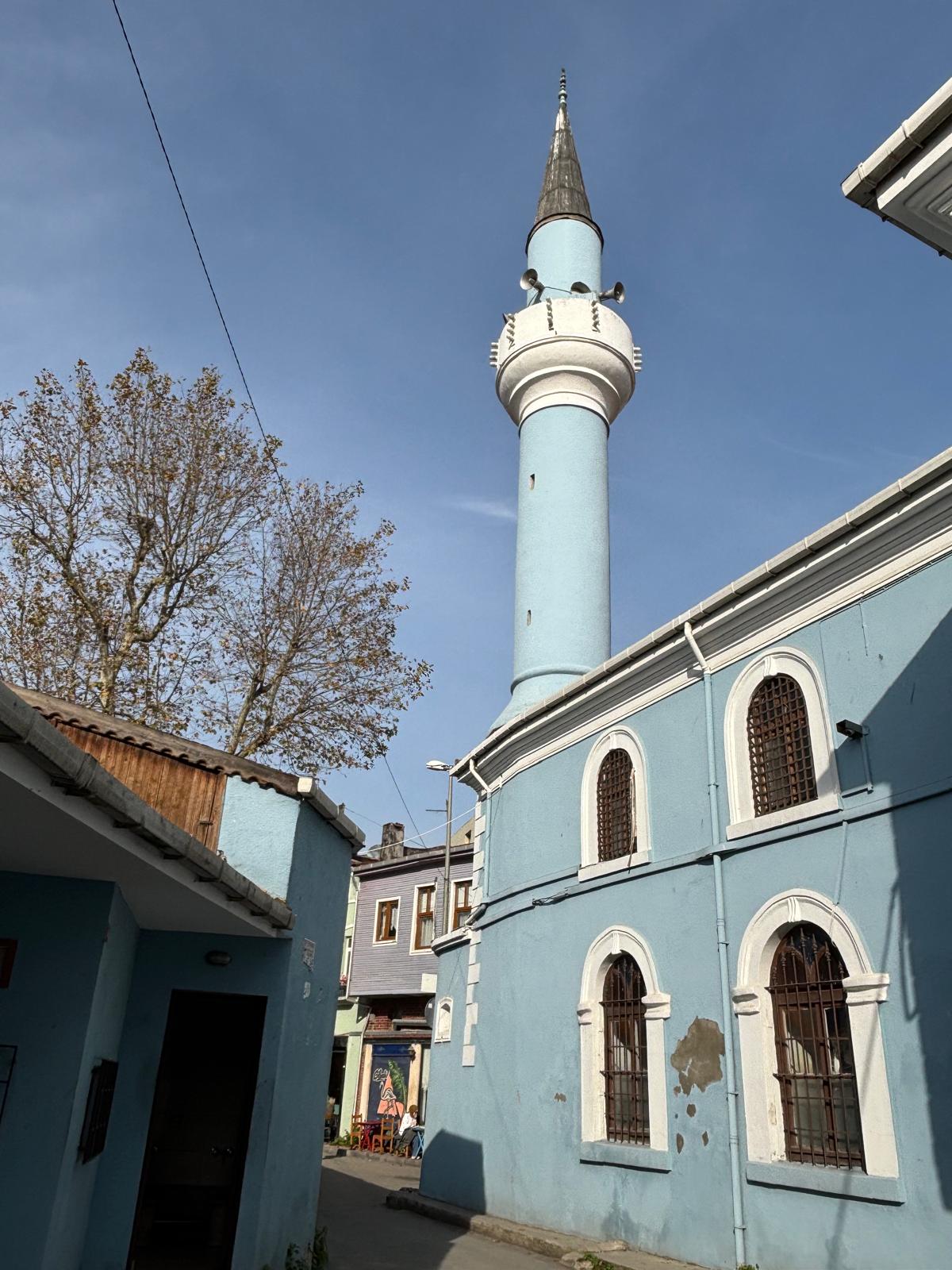
Balat wears its interfaith history casually. As you wander, the names surface naturally: the Ahrida Synagogue and Yanbol Synagogue, quiet and inward-looking, echo Balat’s once-thriving Jewish life. Then the call to prayer drifts from neighborhood mosques like Ferruh Kethüda, Tahta Minare, and Balat Çavuş; and church bells mark time at St. George (Aya Yorgi), St. Mary of the Mongols, and the iron-clad St. Stephen Church by the water. Holding time are the crumbling Byzantine walls—cracked, vine-covered, and indifferent to faith—reminding you that in Balat, coexistence was a daily habit.
Follow the slope down toward the historic Golden Horn and you’ll find fishermen casting lines for small fish, chatting here and there while watching the water—and making sure the crows and the cats don’t fish the tiny fish out of the buckets.
Second hand clothing and vintage shops in Balat, Istanbul
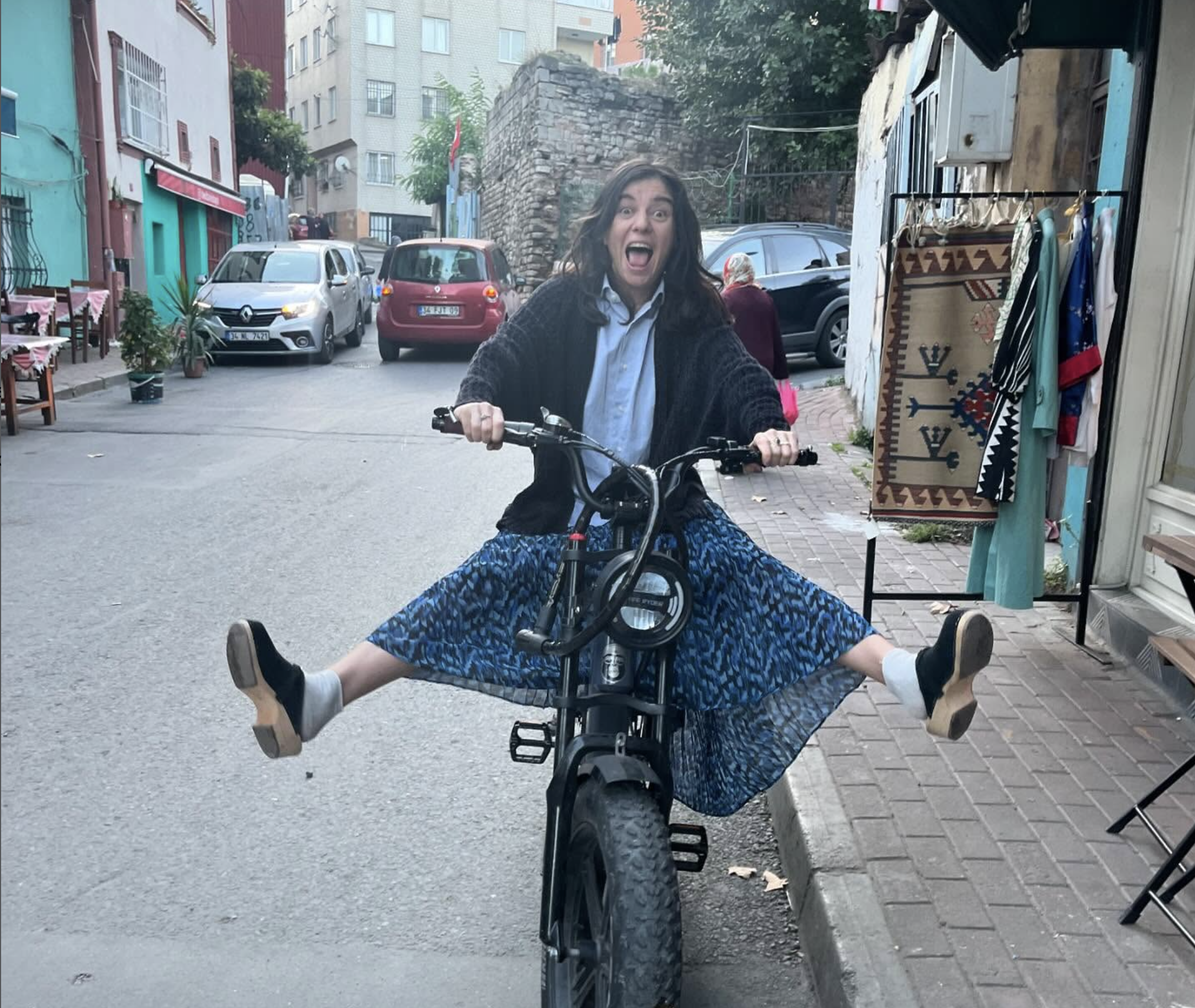
Istanbul is known for its curios and second-hand clothing shops. You will get a taste of it all in Balat as you wander the streets. We came across a few vintage and second-hand clothing shops. The prices were not cheap (a T-shirt was priced around 25 Euros), so if you are in the business of bargain-basement shopping, better shop elsewhere in America or Canada at church thrift shops.
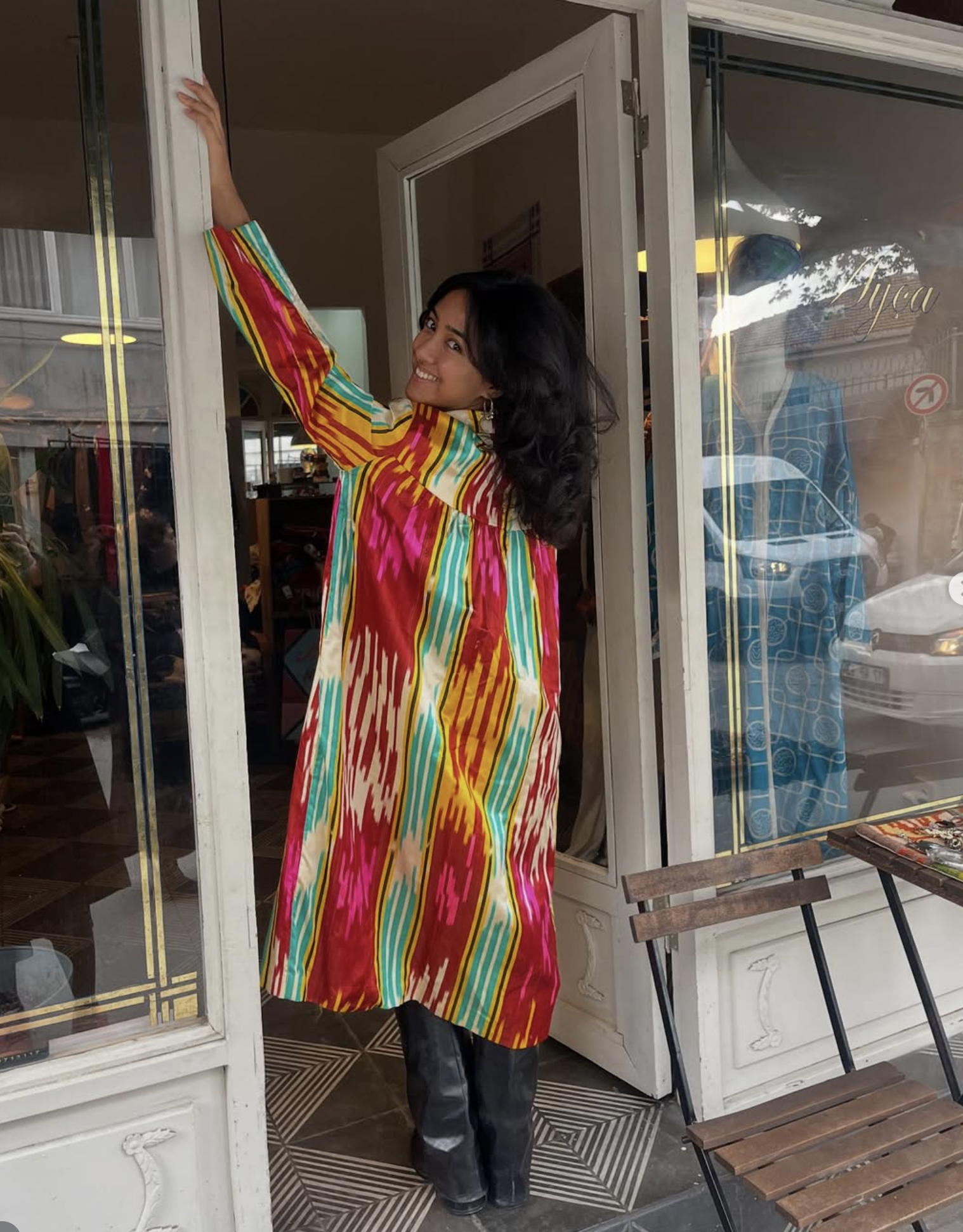
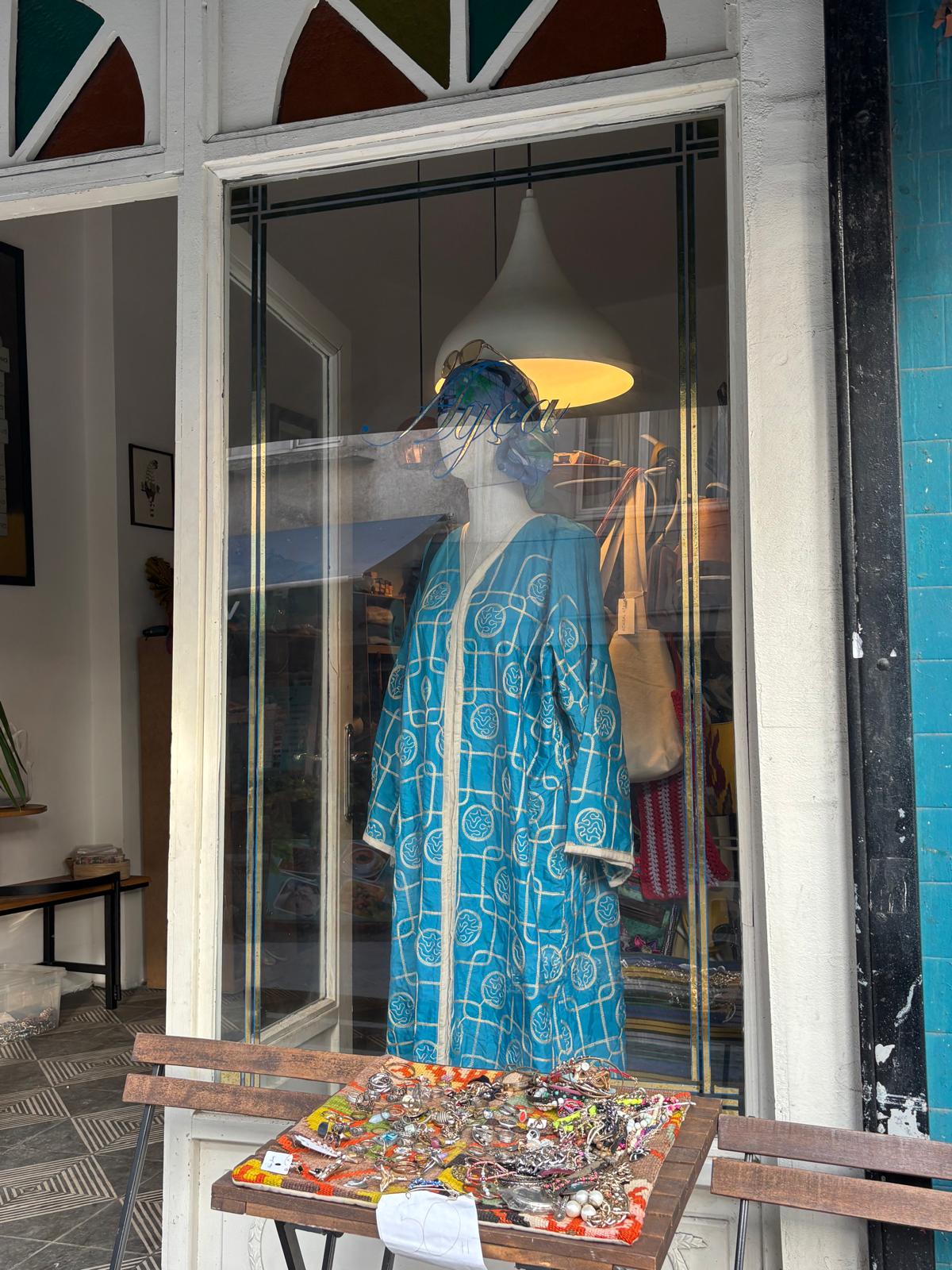
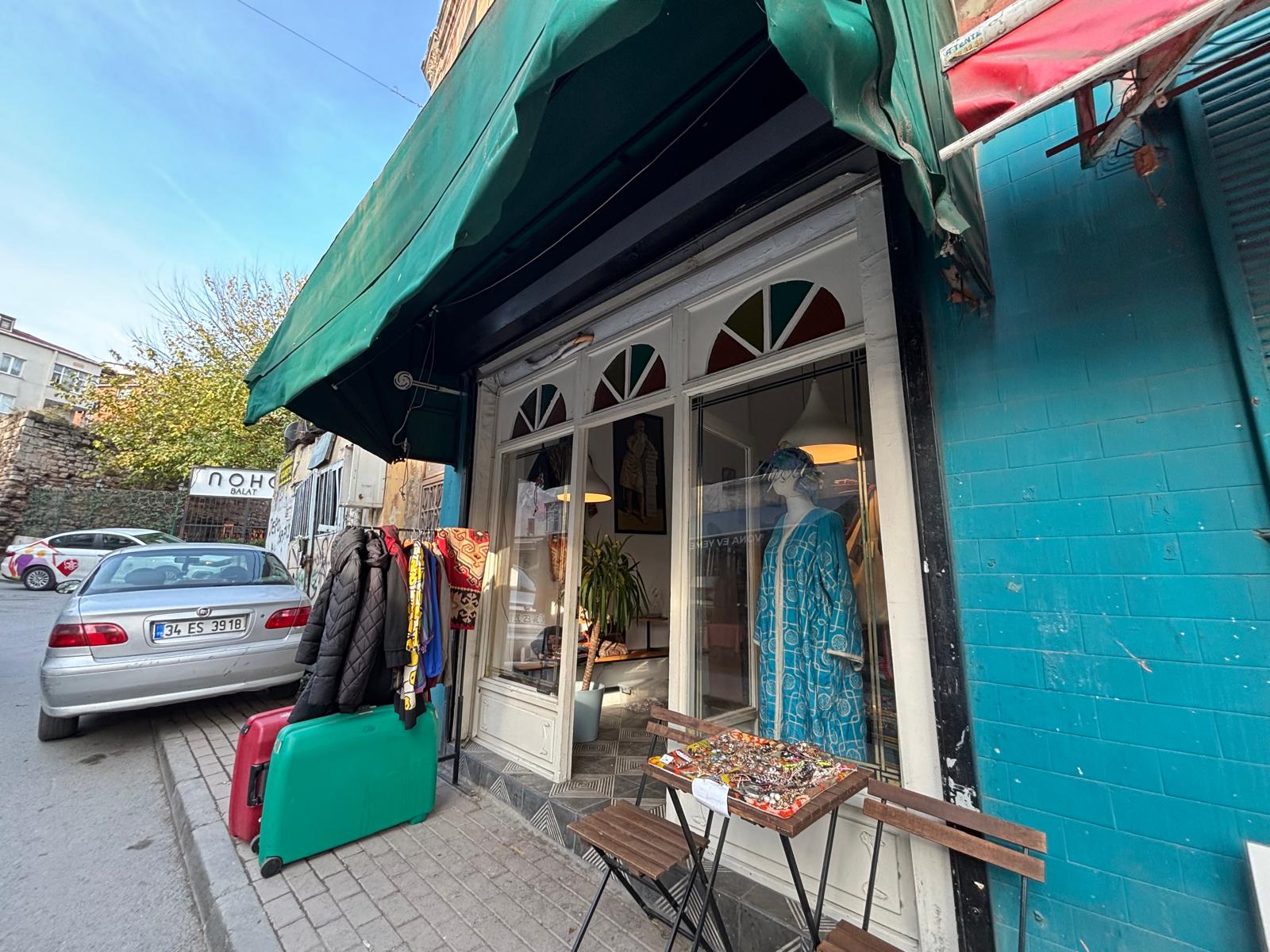
Ayca Vintage
Ayca vintage has a great vibe, with African drumming and song beckoning you to come in. We guessed it was the owner who peeked at us from under her hat—cat nearby—journaling. The shop is stocked with vintage caftans and colorful sweaters. She’s taken the selection job out of your day.
Ayvansaray mahallesi sultan çeşmesi cad. no:83A BALAT Fatih / istanbul
Twobavintage
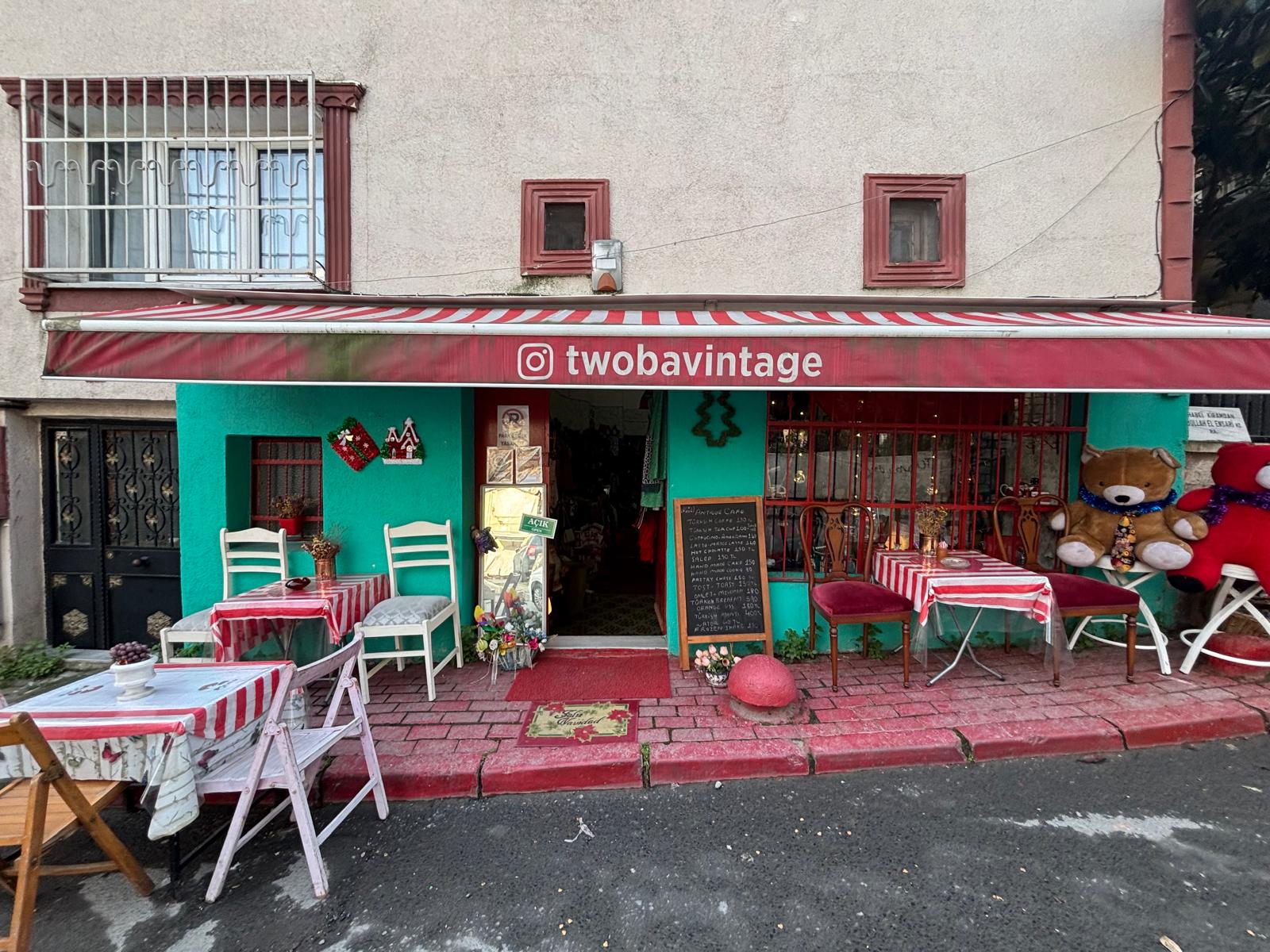
Around the same area is Twobavintage, which stocks mainly kitschy kitchen items and relics from another era. There is a small selection of clothes in the back.
Ayvansaray Mahallesi Sultan Çesmesi Sokak No 94 Balat
Kulis vintage
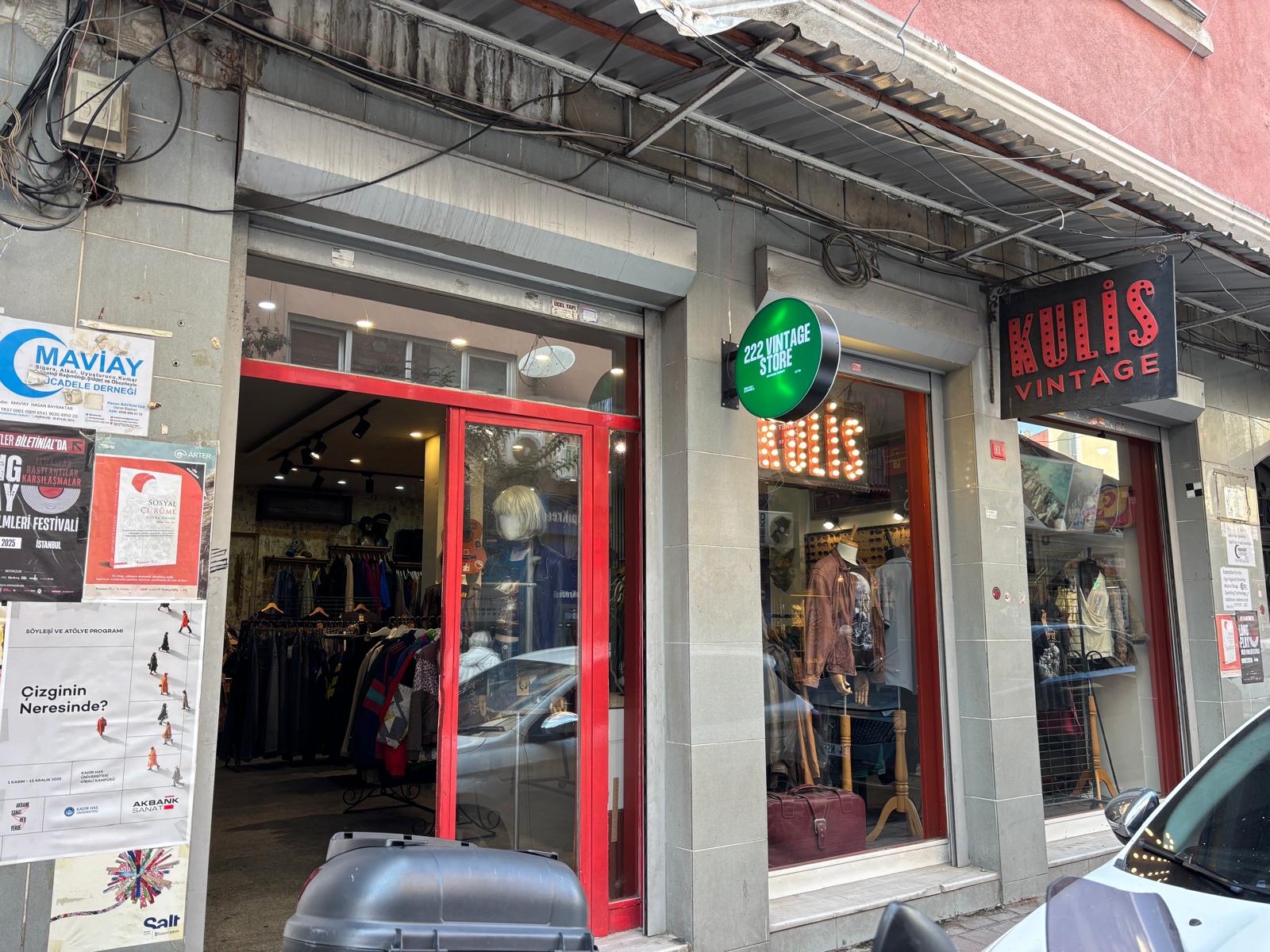
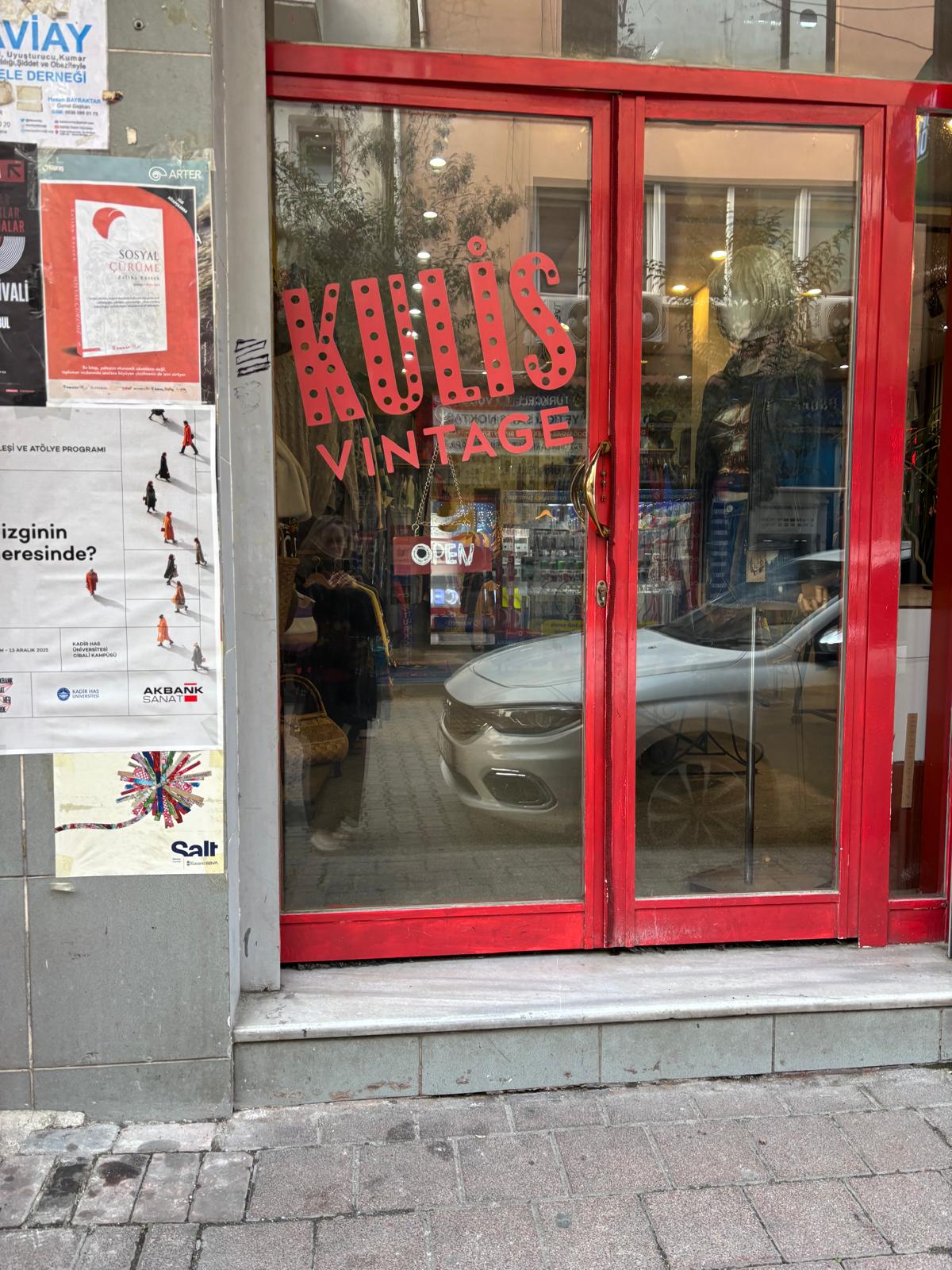
Expect to pay a pretty penny for thrifted T-shirts and second-hand, western style here at Kulis Vintage. We found the same in Berlin when we were there 2 months ago. Highly curated, high prices—which is the way of the world for curated vintage in cities. Kensington Market in Toronto has been like that for decades.
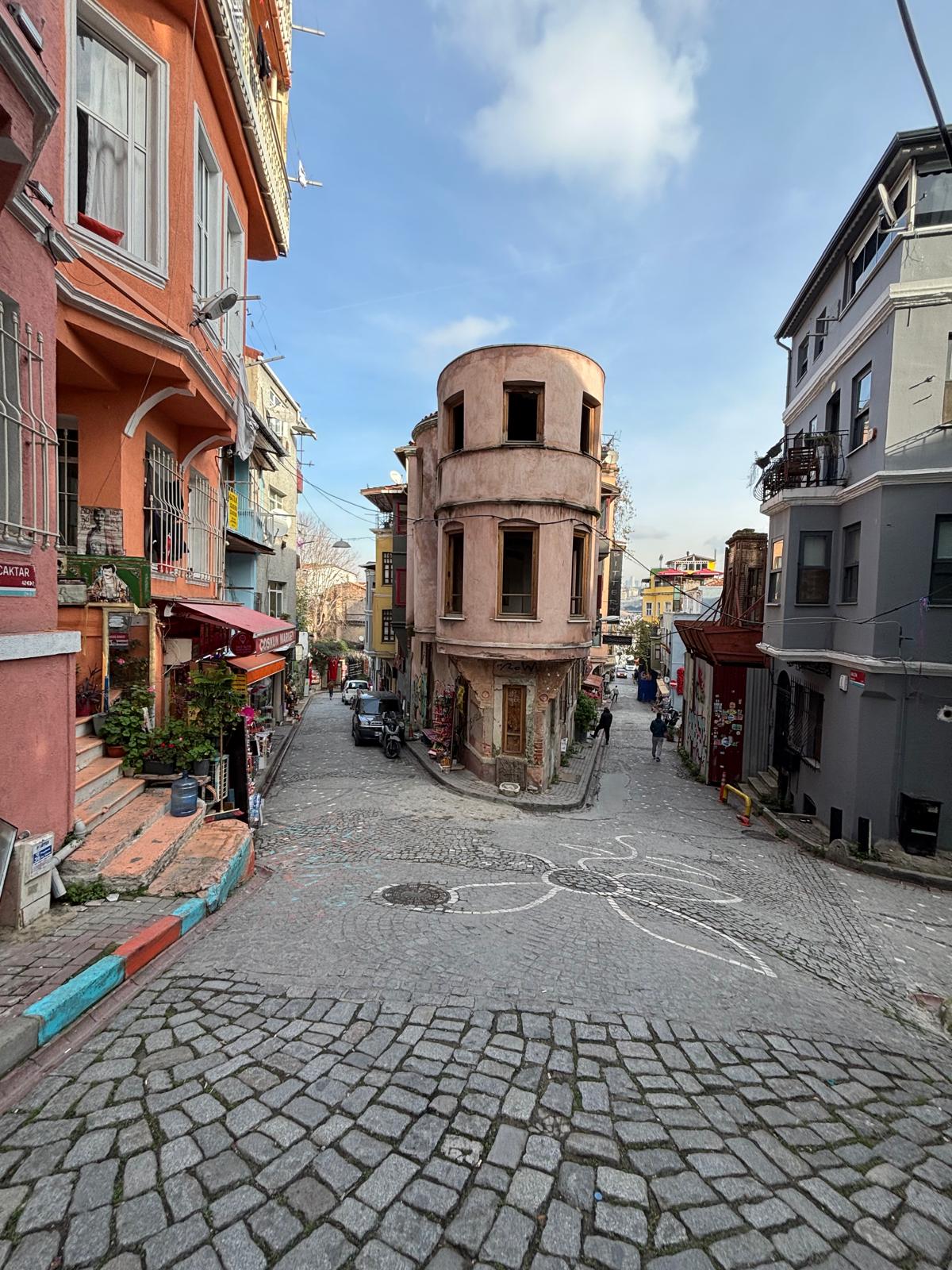
Exploring the streets and finding colorful umbrellas and painted stairs in Balat is a must. Some parts are tourist traps, demanding you buy food before you enter. Some coffee shop owners say they have the best rooftop views of the Golden Horn. We can’t confirm.
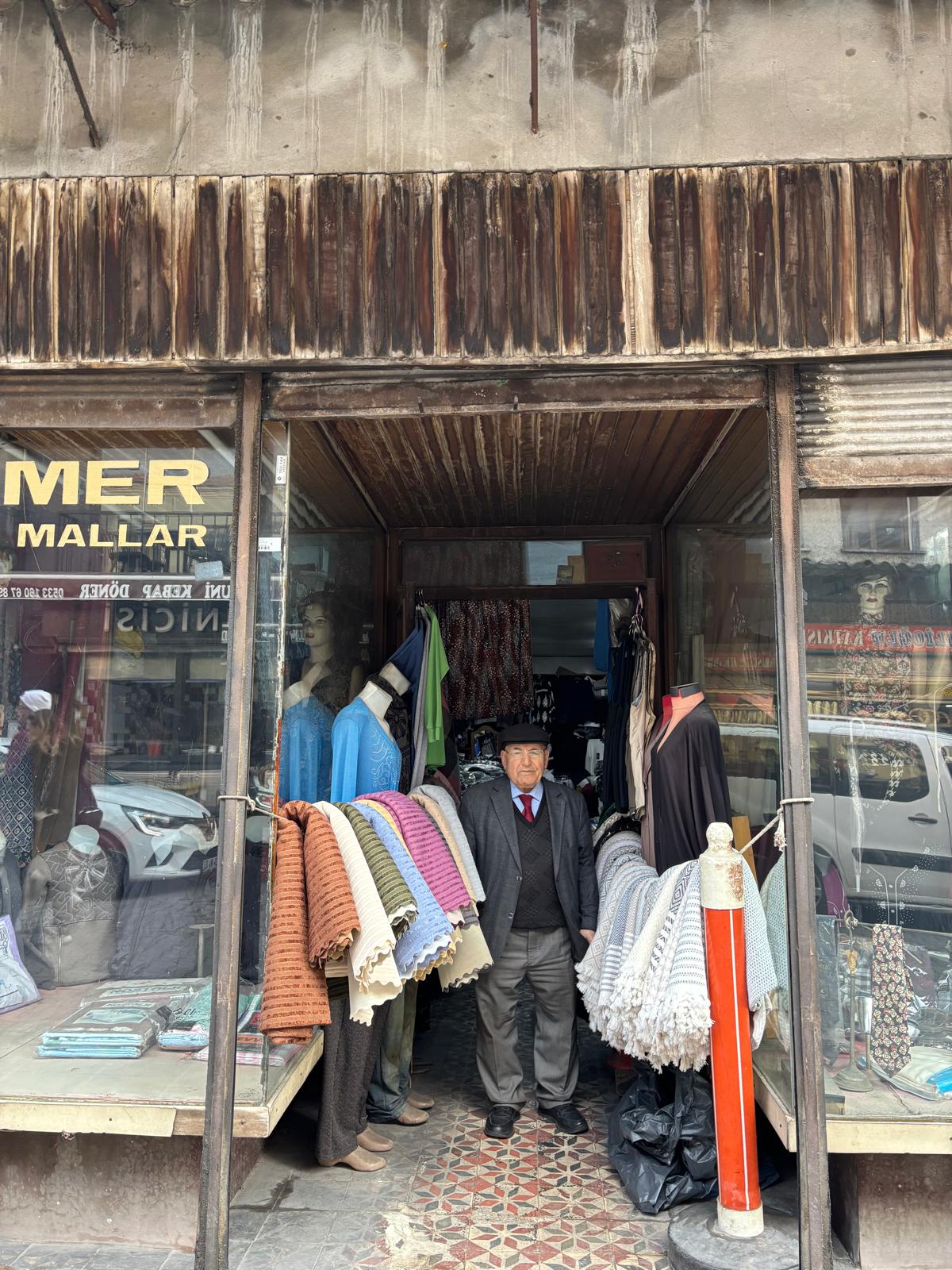
We found an excellent towel and blanket shop with great prices. Where you can still find a deal is if you are looking for high-quality Turkish cotton towels. We found a shop, pictured below, where we bought a few high-quality towels for 200 LR each, about $5 USD. We didn’t bother bargaining because the price was fair and the seller was very nice.
His shop was down the street from Ayca Eastern Design. We didn’t get the full name, so show this man’s photo around the neighborhood and the locals will point out the way.
Off the Path: Working-Class Istanbul
Another face of Balat reveals itself when you leave the “Instagram streets.” Wander toward Cibali, where workshops still hum—metalworkers, repair shops, small factories—and life feels practical. This is also where you brush up against literary history.
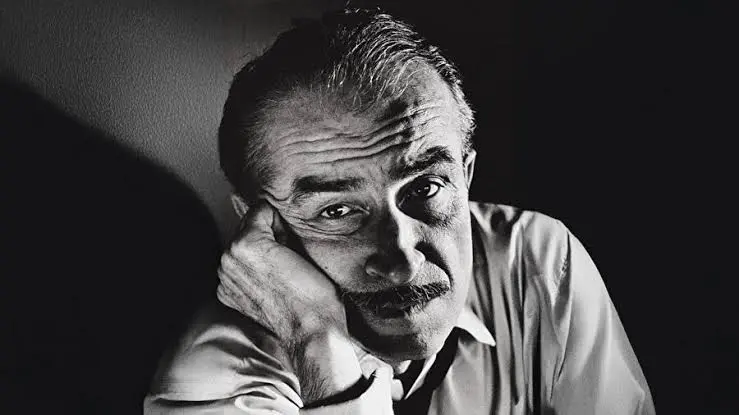
Nearby lived Orhan Kemal, one of Turkey’s great writers of the working class. Kemal was the chronicler of laborers, factory hands, and the urban poor. He worked near the old Cibali Tobacco Factory (today part of Istanbul University), quite close to his former home, and wrote about the very people you still encounter here.
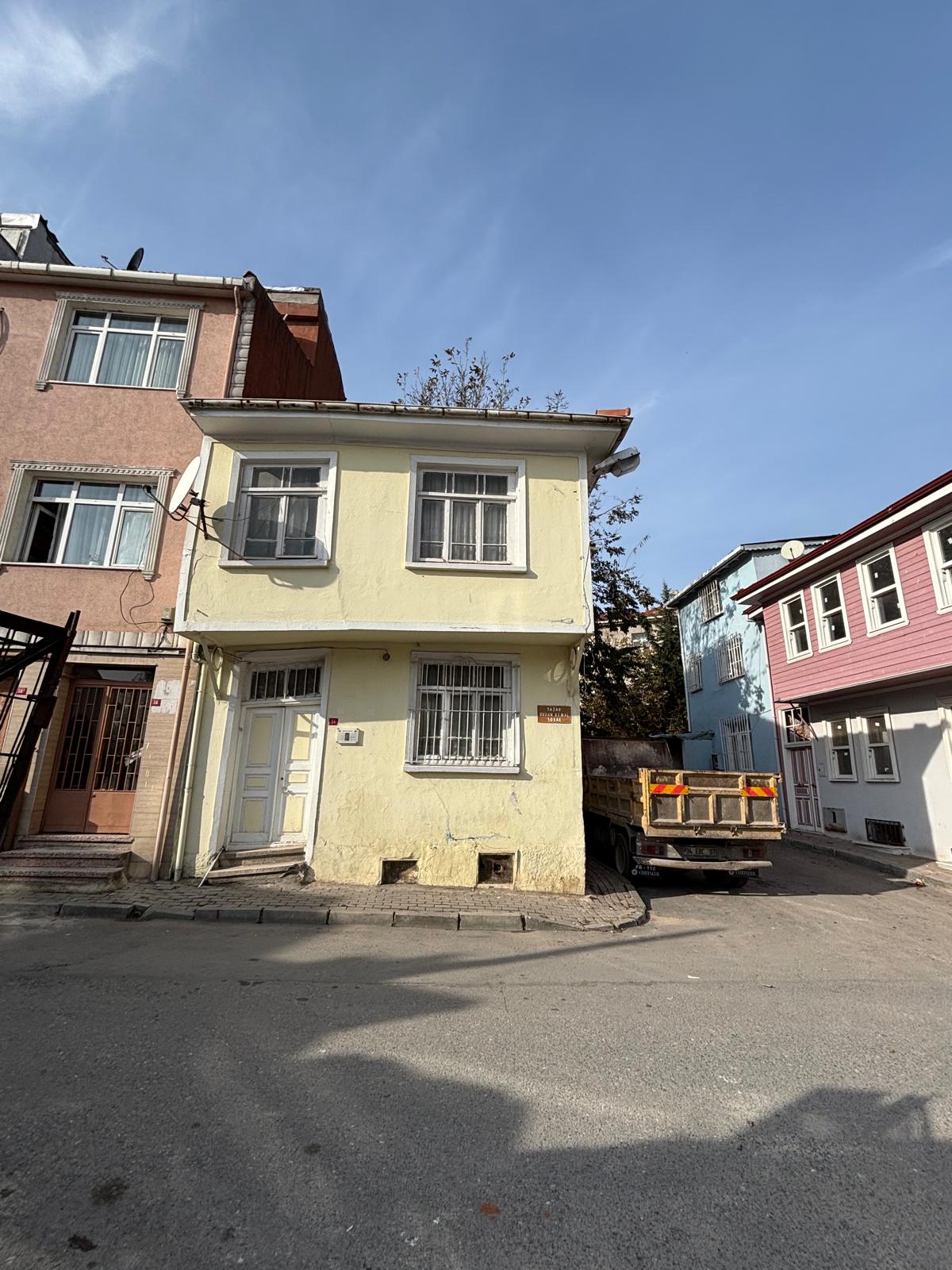
His presence lingers not as a plaque-heavy attraction, but as a spirit. We walked past his modest corner house that holds a plaque to his name. Impressive wooden houses nearby are for sale, and we dream about being a writer from his vantage point in this now-charming location.
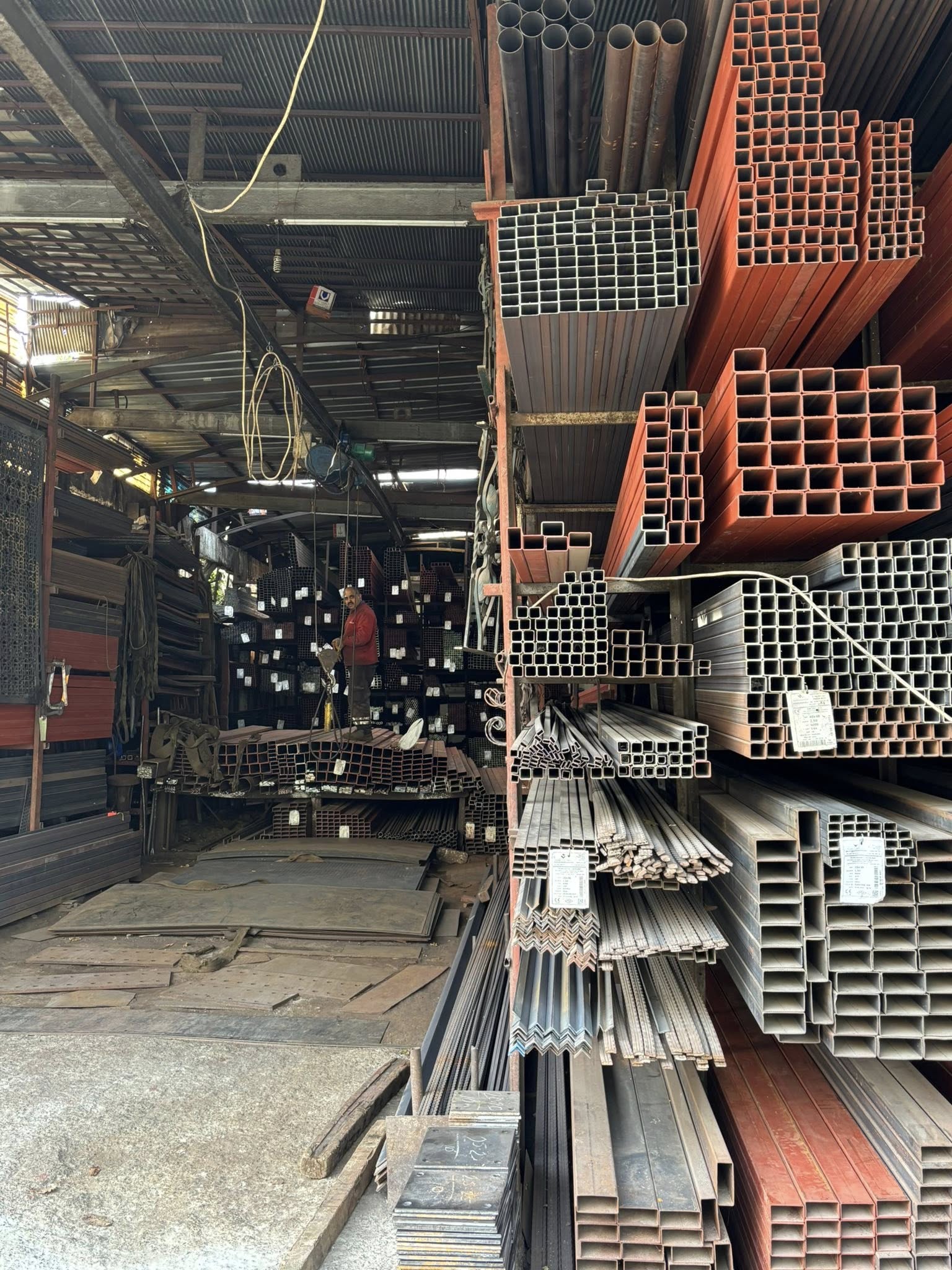
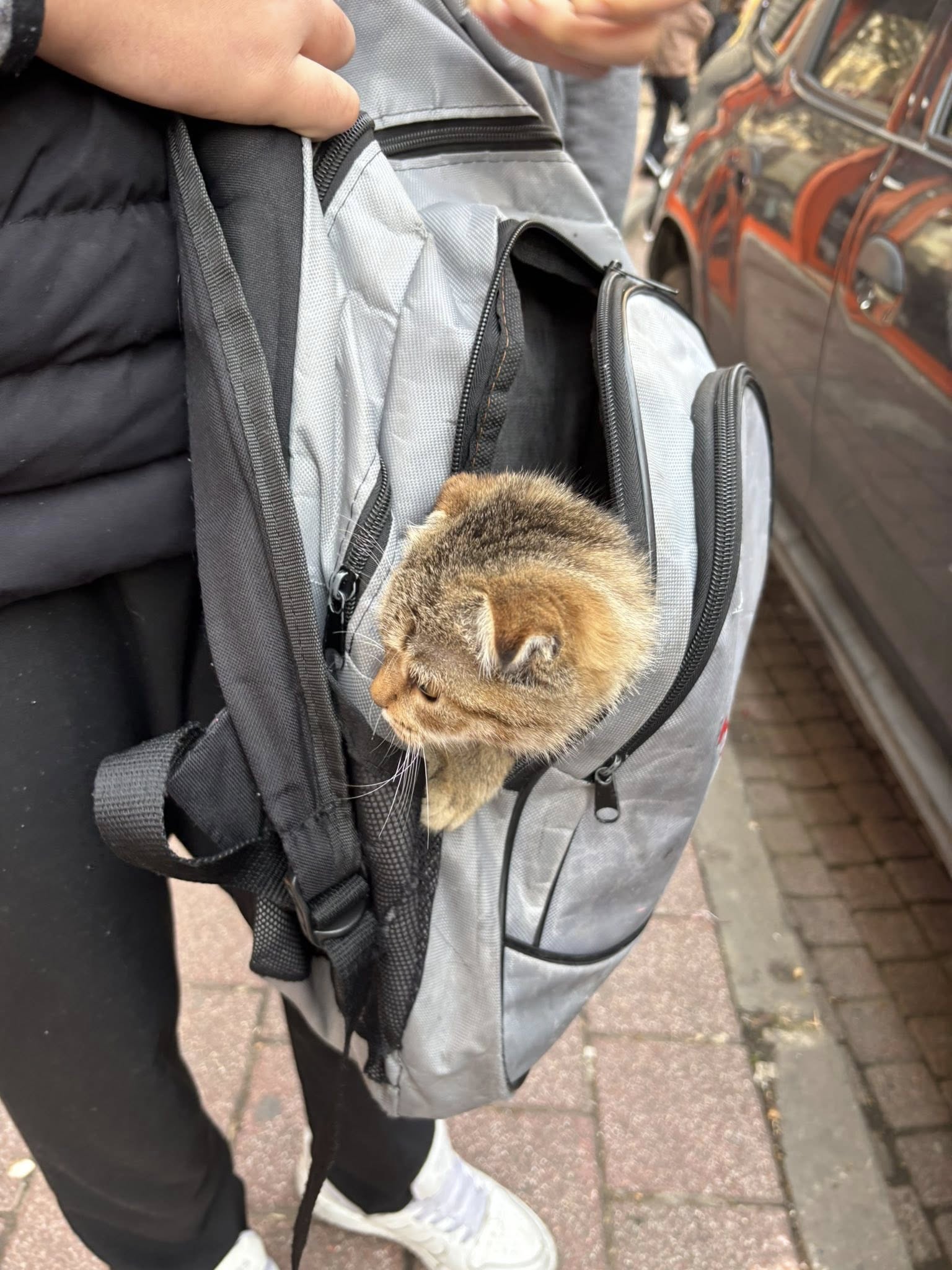
Balat isn’t polished, and that’s exactly the point. It rewards slow walking and making mistakes. Tune into a few landmarks that interest you and wander toward them, noticing what you meet, smell, and hear along the way. On one of our meanderings we came across three schoolboys “cat-napping” a cat in their backpack to take home.
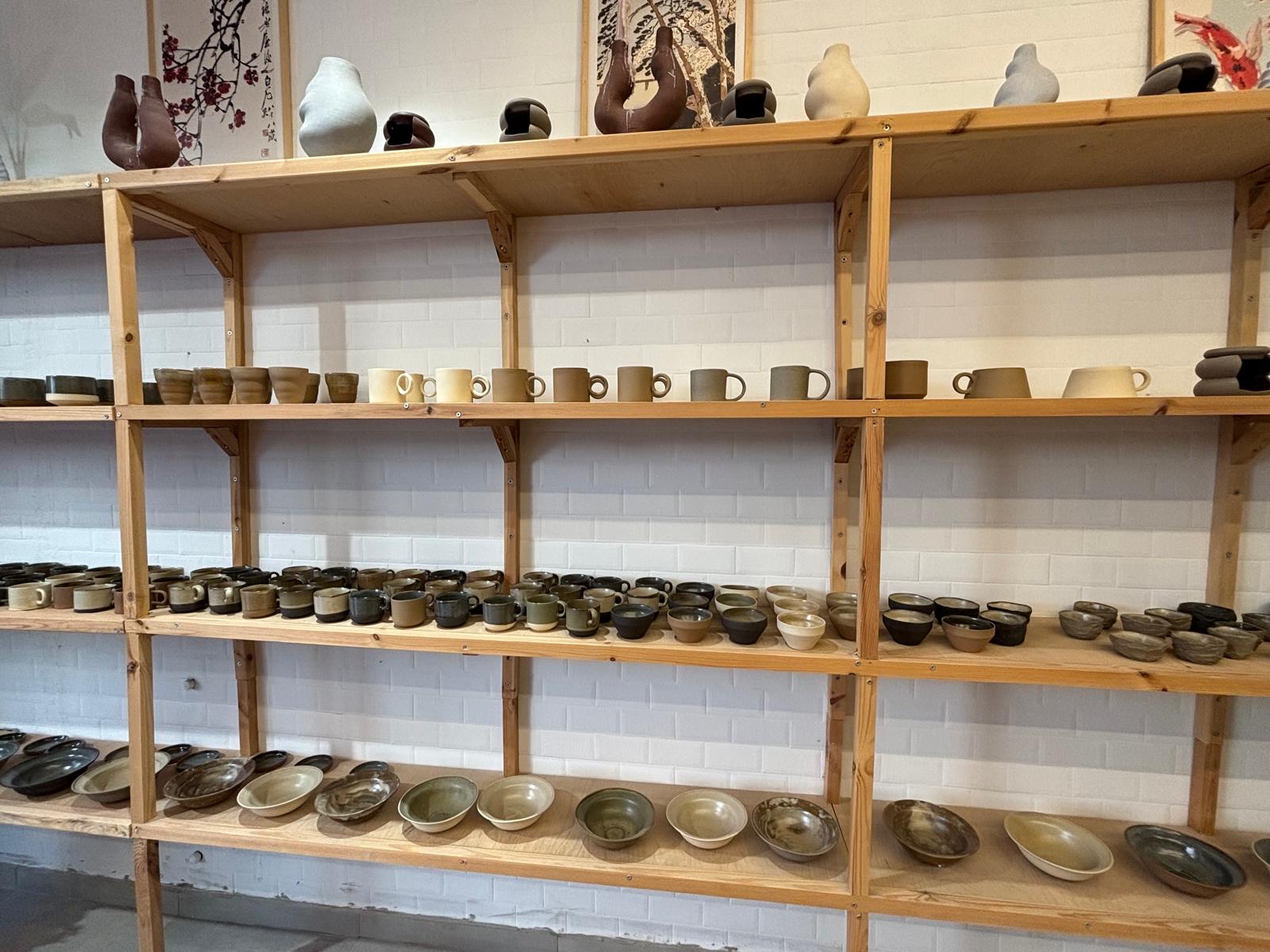
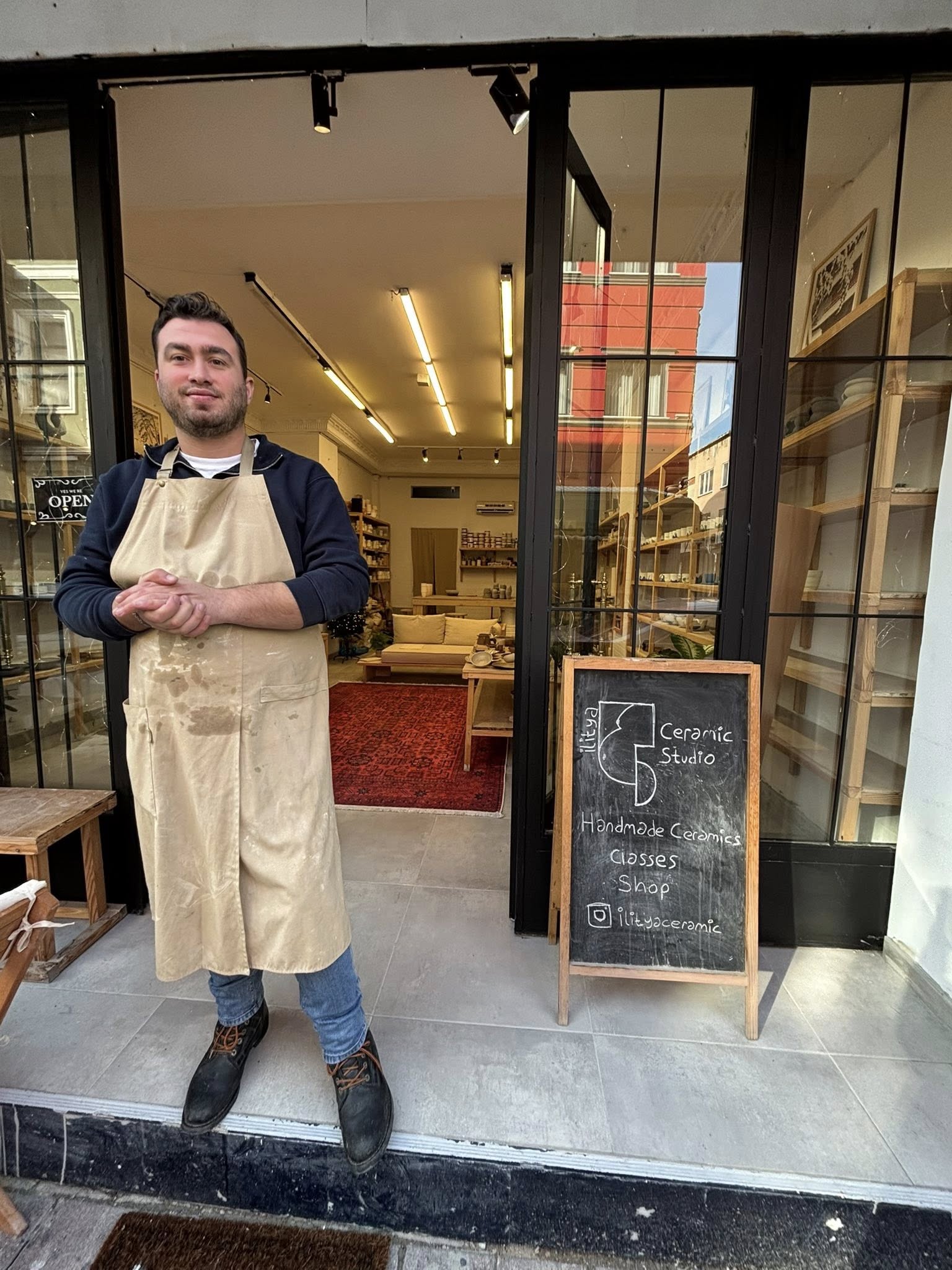
We also appreciated that some of the local artisans, like the owner of ilitya, are opening their studios for hands-on experiences. He is a graduate of design school and, unlike the thousands of traditional pottery studios in Turkey, he sells modern functional-ware. Made in molds and glazed in the studio, you can buy—or study and make your own—your choice.
We took a taxi to Balat from our hotel, but plenty of buses and trams run right to this neighborhood.
Green Prophet’s trip to Istanbul was sponsored by the United Religions Initiative, an interfaith network for peace and reconciliation. Their travel grant allowed us to tour Istanbul’s heritage independently to witness and report on the city’s diversity and heritage.