
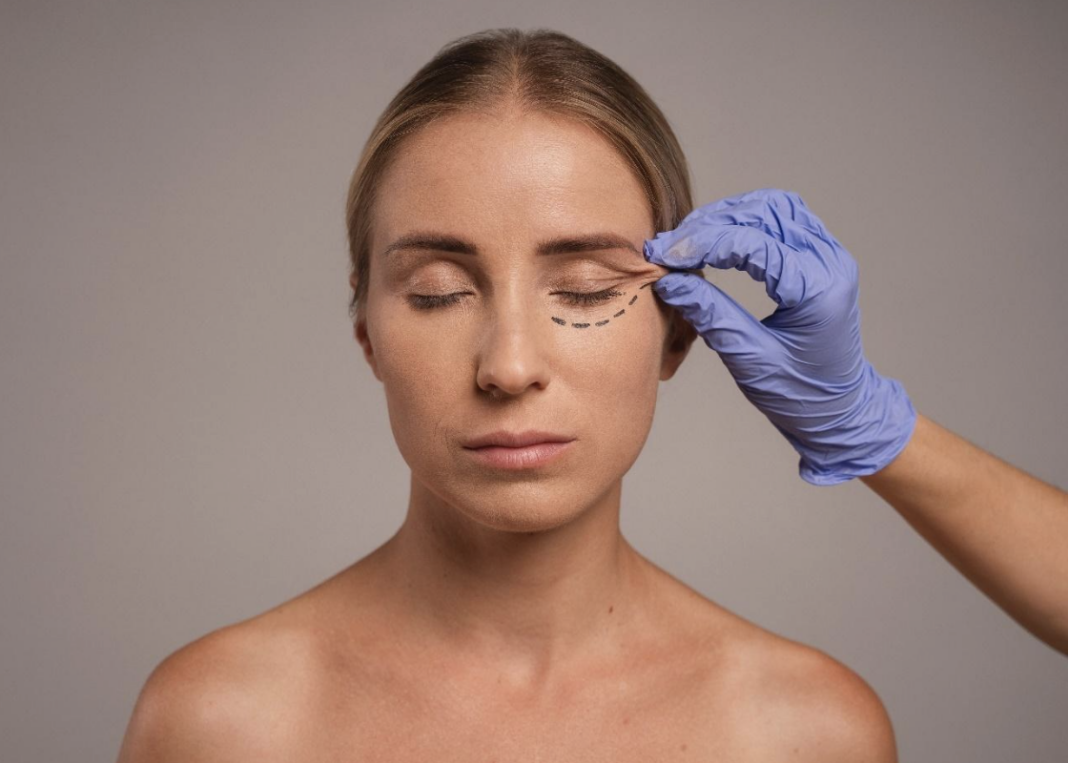
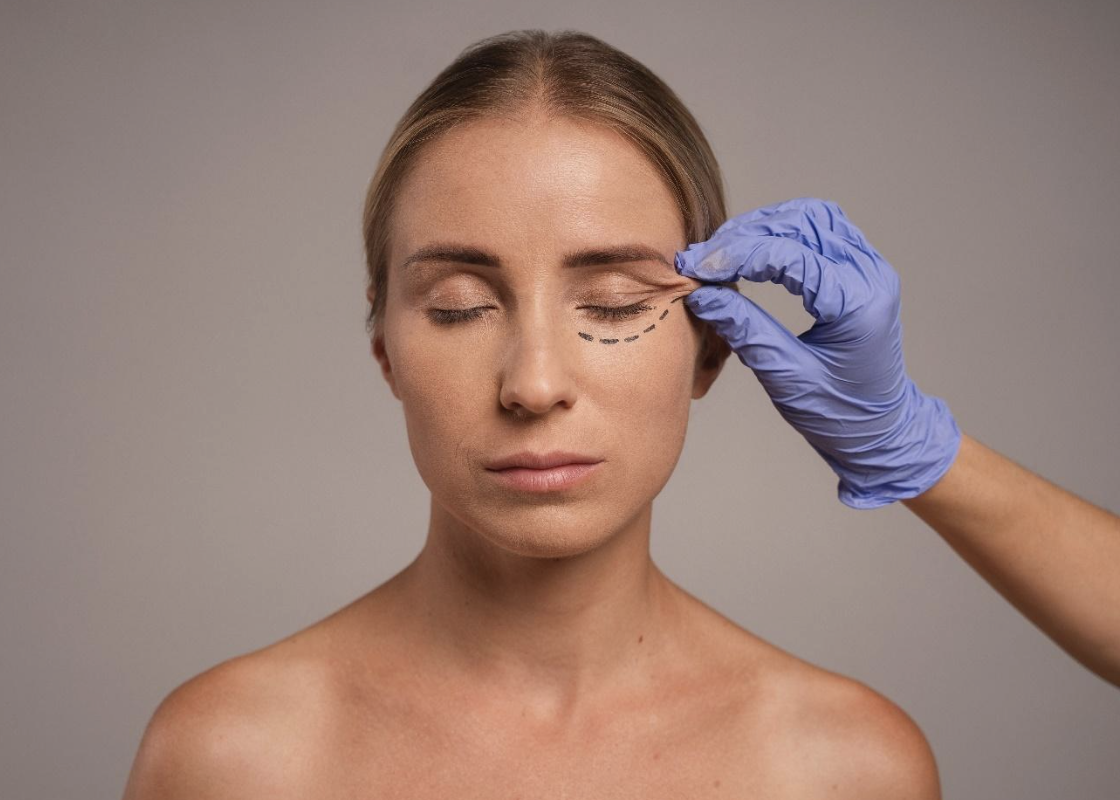
Deep Plane Facelift: Is It Still Relevant When the Optimum Mobility Facelift Is More Advanced?

People today want natural, expressive, long-lasting results without the stiffness or long recovery once associated with facelifts. Below is a clear, gentle comparison of both methods to help illustrate how each one fits into modern aesthetic surgery.

Over​‍​‌‍​‍‌ the past ten years, facial rejuvenation has changed quite dramatically. No doubt the deep plane facelift is still a very powerful way to reverse facial aging, but the new Optimum Mobility Facelift has made quite a few people wonder if the old method can still be ranked as number one. Patients want to see youthful, lively, and natural-looking faces without the downtime and stiffness that used to be typical of surgical techniques. The deep plane facelift has been one of the most recognized methods of turning back the facial aging clock, however, with the introduction of the Optimum Mobility Facelift, most people are now wondering if this old-fashioned method is still relevant. Here is a concise explanation of both techniques and how their advantages match up in the current aesthetic ​‍​‌‍​‍‌world.

Deep Plane Facelift Explained

To understand whether it remains relevant, it’s important to first provide a clear deep plane facelift explained breakdown.

What the technique involves:

  • Repositioning the deeper layers of the face, which also includes the SMAS (superficial musculoaponeurotic system)
  • Lifting whole sections of your face together, like one piece.
  • Tightening of sagging that caused the cheek, nasolabial fold, and jawline areas
  • Freeing some deeper tissues to give your face a real lift.

Why​‍​‌‍​‍‌ it became popular:

  • Provides a more natural look than just skin facelifts
  • Creates very visible midface changes
  • Provides long-lasting effects as it is done by repositioning deep tissues

Limitations of the Deep Plane approach:

  • More invasive, as it requires a greater release of the tissue
  • Longer recovery time with more swelling and bruising
  • Less potential for customization as large areas are lifted together
  • Reduced facial mobility initially, as natural movement can feel temporarily restricted

The method is still very effective, however, its invasiveness and limited adaptability make it difficult to meet the expectations of personalized, natural-looking results ​‍​‌‍​nowadays.

What Is the Optimum Mobility Facelift?

The​‍​‌‍​‍‌ Optimum Mobility Facelift is a further development of the deep plane facial rejuvenation concept of the next generation. The design of the facelift is such that it can reach areas that are inaccessible by a conventional deep plane method and therefore achieve results that are beyond its ​‍​‌‍​‍‌limits.

Here’s what makes it different:

  • Instead of releasing everything, it focuses on moving specific tissues.
  • It targets key areas like the midface, jawline, and neck.
  • Preservation of key attachments that support natural facial motion
  • Customized adjustments based on each patient’s anatomy and goals

Beneficial​‍​‌‍​‍‌ features of such advanced method:

  • Less damage to the body as compared to a deep plane lift
  • Quick recovery, usually with a visibly lesser swelling
  • More natural facial movement, like smiling or speaking, etc.
  • Improved contour transitions between the cheeks, jawline, and neck
  • Higher accuracy that enables surgeons to adjust the amount of lift locally

This individualized approach aligns with modern surgical standards: natural in movement, structurally supportive, and specially ​‍​‌‍​‍‌made.

What’s the Difference Between These Two Methods?

Surgical depth:

  • Deep Plane: completely releases tissues.
  • Optimum Mobility: releases tissues in certain spots for better control

How it feels:

  • Deep Plane: can be a bit uncomfortable for the initial period
  • Optimum Mobility: keeps your face moving naturally.

Customization:

  • Deep Plane: limited flexibility
  • Optimum Mobility: can be adjusted to fit what you need

Aesthetic outcome:

  • Deep Plane: strong lift but less adaptable
  • Optimum Mobility: gives a smoother, better, and more natural look.


Is the Deep Plane Facelift Still a Good Option?

Yep, but it’s not for everyone.

Where the Deep Plane Facelift still excels:

  • extreme​‍​‌‍​‍‌ situations of facial sagging
  • more pronounced midface descent
  • Individuals who want a maximum structural ​‍​‌‍​‍‌lift

A lot of surgeons are going with Optimum Mobility now because:

  • Enables finer control of individual facial parts
  • Delivers superior effects in motion, rather than only at rest
  • Creates a more balanced and harmonious
  • Has a shorter recuperation period and causes less tissue damage
  • It’s perfect for folks who want a natural, custom look

The​‍​‌‍​‍‌ Deep Plane method is still effective but it is not considered to be the most advanced or flexible alternative in modern facial rejuvenation ​‍​‌‍​‍‌anymore.

Who Should Choose Which Procedure?

Best candidates for the Deep Plane Facelift:

  • Individuals with advanced aging
  • Patients wanting dramatic structural lift

The Optimum Mobility Facelift is a better choice if you:

  • Care most about a natural look
  • Need to recover quickly
  • Want very specific, fine-tuned results

Final Words

The Deep Plane Facelift is still a very valuable method for some particular situations, however, it is not able to compare with the range of features, natural movement, and improved comfort of the Optimum Mobility Facelift. With the progression of surgical techniques, the contemporary technique is clearly the more flexible, considerate of the patient’s needs, and hence, the most suitable method for achieving facial rejuvenation in the current time.


Bhok Thompson
Bhok Thompsonhttp://www.greenprophet.com
Bhok Thompson is an “eco-tinkerer” who thrives at the intersection of sustainability, business, and cutting-edge technology. With a background in mechanical engineering and a deep fascination with renewable energy, Bhok has dedicated his career to developing innovative solutions that bridge environmental consciousness with profitability. A frequent contributor to Green Prophet, Bhok writes about futuristic green tech, urban sustainability, and the latest trends in eco-friendly startups. His passion for engineering meets his love for business as he mentors young entrepreneurs looking to create scalable, impact-driven companies. Beyond his work, Bhok is an avid collector of vintage mechanical watches, believing they represent an era of precision and craftsmanship that modern technology often overlooks. Reach out: [email protected]

TRENDING

Key Rules Recreational Cannabis Users Must Follow in Pittsburgh

Adults who are 21 or older can carry up to 30 grams. This amount applies to personal use within Pittsburgh’s limits. Carrying more could lead to confiscation or legal action. Staying under the limit avoids problems during any public stop.

Turning Your Energy Consultancy into an LLC: 4 Legal Steps for Founders in Texas

If you are starting a renewable energy business in Texas, learn how to start an LLC by the books.

Ancient Chinese medicine might heal spinal cord injuries

In the study, the scientists didn’t just test one plant compound at a time. They tested two traditional Chinese medicine compounds together — luteolin (from flowers like honeysuckle and chrysanthemum) and astragaloside IV (from astragalus root, Huang Qi). These plants have been combined in Chinese herbal formulas for centuries to help the body recover from injury and inflammation.

Luxury meets the textile waste stream with Coach – Bank & Vogue

A new collaboration between luxury brand Coach and textile reuse pioneer Bank & Vogue attempts to stitch those two worlds together: high fashion and the global textile waste stream.

EU startup aiming to generate energy on moon villages

Stepping up to democratize the moon is an EU-funded company, Deep Space Energy, which has just raised more than $1 million USD as a seed fund to help it create energy generators on the moon.

Turning Your Energy Consultancy into an LLC: 4 Legal Steps for Founders in Texas

If you are starting a renewable energy business in Texas, learn how to start an LLC by the books.

Tracking the Impacts of a Hydroelectric Dam Along the Tigris River

For the next two months, I'll be taking a break from my usual Green Prophet posts to report on a transnational environmental issue: the Ilısu Dam currently under construction in Turkey, and the ways it will transform life along the Tigris River.

6 Payment Processors With the Fastest Onboarding for SMBs

Get your SMB up and running fast with these 6 payment processors. Compare the quickest onboarding options to start accepting customer payments without delay.

Qatar’s climate hypocrisy rides the London Underground

Qatar remains a master of doublethink—burning gas by the megaton while selling “sustainability” to a world desperate for clean air. Wake up from your slumber people.

How Quality of Hire Shapes Modern Recruitment

A 2024 survey by Deloitte found that 76% of talent leaders now consider long-term retention and workforce contribution among their most important hiring success metrics—far surpassing time-to-fill or cost-per-hire. As the expectations for new hires deepen, companies must also confront the inherent challenges in redefining and accurately measuring hiring quality.

8 Team-Building Exercises to Start the Week Off 

Team building to change the world! The best renewable energy companies are ones that function.

Thank you, LinkedIn — and what your Jobs on the Rise report means for sustainable careers

While “green jobs” aren’t always labeled as such, many of the fastest-growing roles are directly enabling the energy transition, climate resilience, and lower-carbon systems: Number one on their list is Artificial Intelligence engineers. But what does that mean? Vibe coding Claude? 

Somali pirates steal oil tankers

The pirates often stage their heists out of Somalia, a lawless country, with a weak central government that is grappling with a violent Islamist insurgency. Using speedboats that swarm the targets, the machine-gun-toting pirates take control of merchant ships and then hold the vessels, crew and cargo for ransom.

Related Articles

Popular Categories