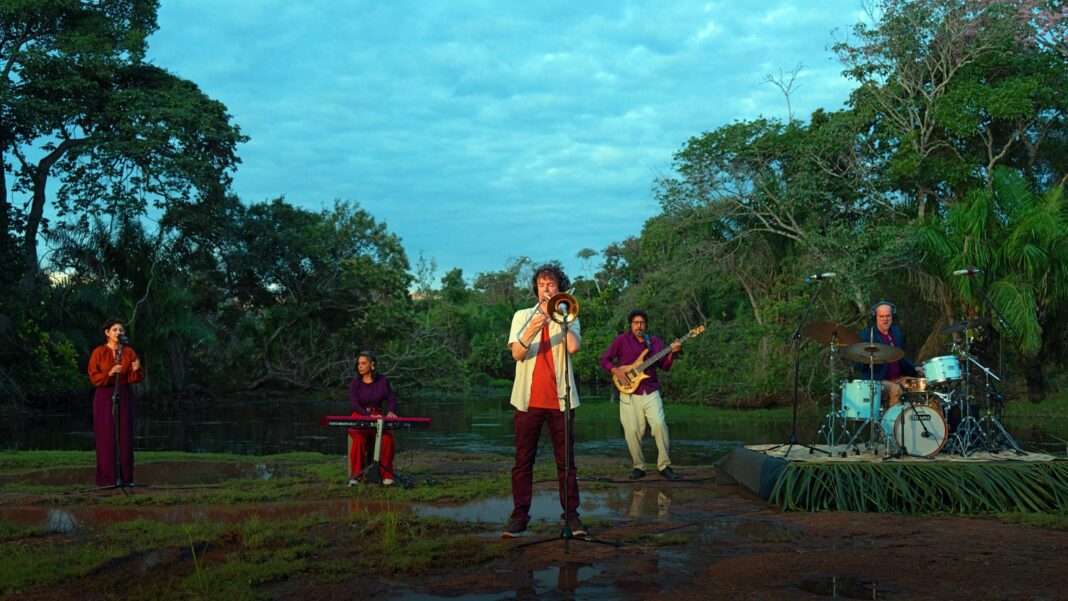
Can a jungle jam? Brazil percussionist finds out

In an era when the climate crisis often feels abstract, distant, or buried beneath the data of carbon credits or financing mechanisms of COP30, a new artistic project from Brazil is cutting through the noise—literally—by turning one of the world’s most fragile ecosystems into a musical collaborator.

Pantanal Jam, a groundbreaking sound experiment created inside the world’s largest tropical wetland of Brazil, treats nature not as a backdrop but as a full artistic partner. The Pantanal—home to jaguars, giant otters, macaws, and more than 4,700 documented species—becomes both muse and musician, shaping the album’s rhythms, motifs, and improvisations in real time.

To understand the philosophy behind the project, Green Prophet spoke with Sandro Moreno, drummer, percussionist, and co-creator of Pantanal Jam.
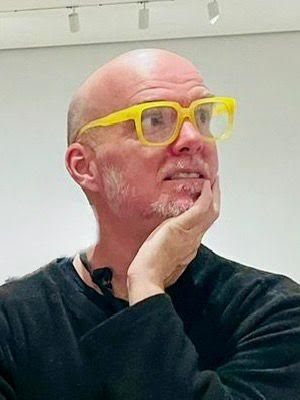
Sandro Moreno
Sandro Moreno

His reflections reveal not only the making of an album but the emergence of a new ecological listening practice—one that invites humans to stop dominating nature’s soundscape and start collaborating with it.

Take the album “Espiral,” says Moreno. “At the very beginning of the track, a jaguar growls – not as a background effect, but as a participating artist. That growl shaped the pulse of the moment. It entered the rhythm like a beat, blending seamlessly with the percussion and setting the mood for everything that followed. It was wild, unexpected, and perfect.

“Throughout the album, this conversation with nature continues. Birds like the thrush, the Pantanal blackbird, the seriema, the hornero, the potoo, the ibis, macaws, and parakeets – they didn’t just inspire us. They played with us. Their calls, cries, and chatter became part of the music’s soul, interacting with our drums, guitars, and voices in spontaneous harmony.

“This wasn’t about layering nature sounds onto music in post-production. It was about playing with nature – responding to its rhythms in real time, allowing its unpredictability to shape our own.”

Musicians have long searched for ways to collaborate with the natural world, though few have taken it as far as Pantanal Jam.

Stevie Wonder experimented with field recordings and environmental textures on albums like Journey Through the Secret Life of Plants, one of the earliest mainstream attempts to treat nature as a co-composer rather than a backdrop.

couple recording sounds with plants

If you love this kind of sonic ecology, you’ll probably also enjoy our stories about Plants that talk using sound and AI, how we might one day speak “dolphin”, and crickets composing the soundscape at the Venice Biennale.

Scientists and sound artists have also translated plant electrical signals into audible frequencies, creating “plant music” that reveals hidden rhythms in living organisms. And Björk, through projects like Biophilia, has blended natural processes, digital ecosystems, and experimental instrumentation to explore how the environment can shape melody, structure, and emotional tone.

Pantanal Jam emerges in this lineage but roots itself directly in a living biome, playing not about nature or around it, but with it in real time.
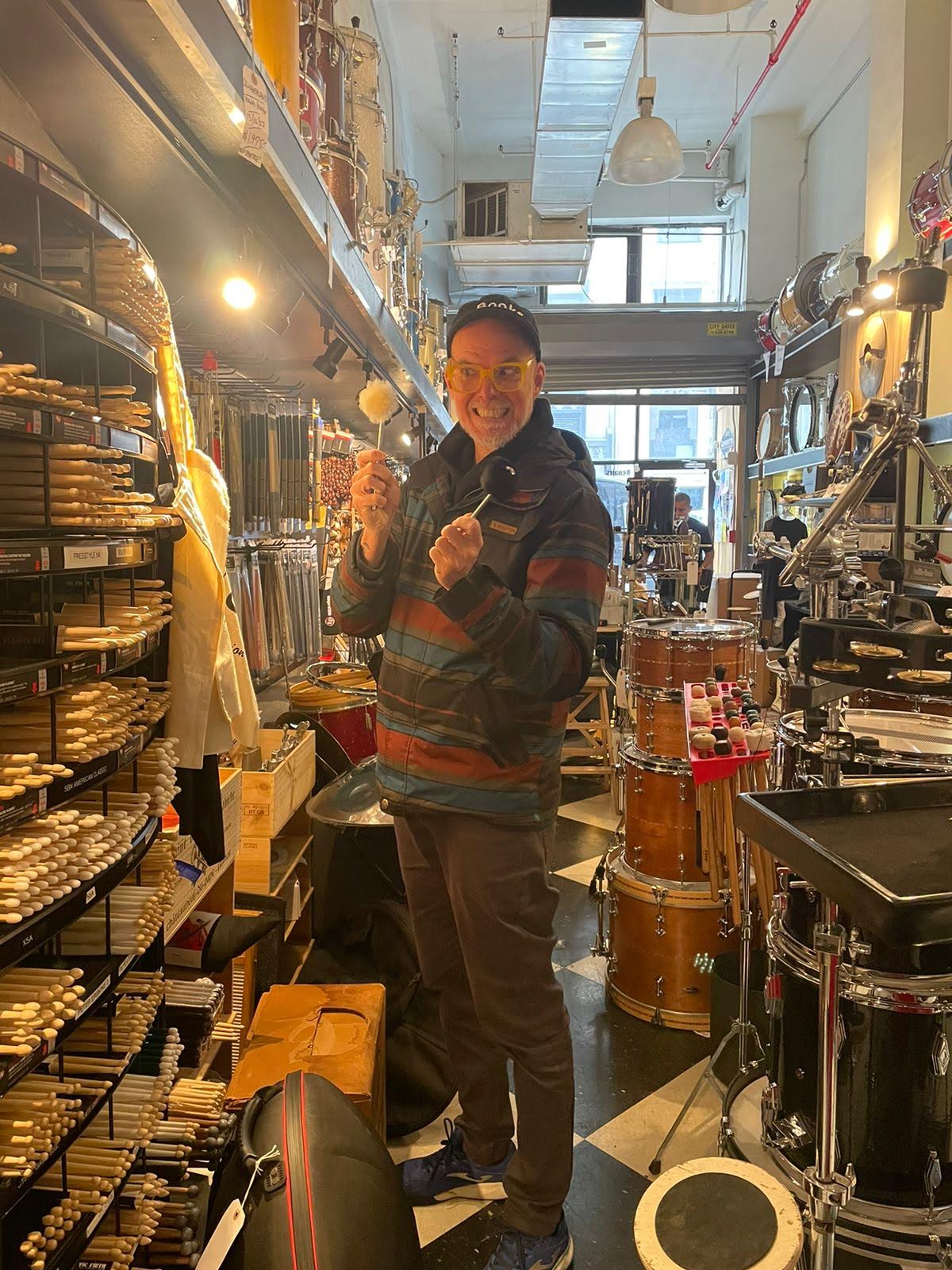
Sandro Moreno

According to Moreno, when the group set out to create Pantanal Jam, they weren’t planning to simply compose music. They were planning to listen—deeply—to “one of the most biodiverse and magical places on Earth,” responding to it “in the most honest way we could: through sound.”

Moreno describes the concept as letting the living landscape lead: the wind, the water, the rustling trees, and most importantly the animals. These weren’t atmosphere or incidental texture. They acted as “fellow musicians,” their voices forming motifs that shaped the improvisations and guided the compositions.

For a percussionist, this demanded a different kind of listening. Moreno says rhythm exists everywhere in the Pantanal: in the lapping of water, the beating of wings, distant thunder, or dawn animal calls. Playing in that environment required letting go of control, responding intuitively, and allowing the environment to lead. It became less about performance and more about presence.

His description of the project extends beyond technique. Pantanal Jam, he says, is an invitation to reconnect with the earth through music, to experience the wild not as an accessory but as part of our own creative process. Art doesn’t have to dominate nature. It can dance with it.

The Panatal in Brazil. National Geographic.

This approach lands at a crucial environmental moment. The Pantanal is under escalating threat. Wildfires in recent years have burned unprecedented areas, droughts have intensified, and agricultural expansion continues to alter the wetland’s hydrology. Projects like Pantanal Jam do not pretend to solve these systemic issues, but they shift the cultural lens: they ask listeners to hear the biome as a living, expressive presence rather than a resource or backdrop.

By bringing listeners into this sound world, the project acts as both artistic innovation and subtle ecological advocacy. It reminds us that ecosystems are not silent. They speak constantly—if we listen.


::www.pantanaljam.com

Karin Kloosterman
Karin Kloostermanhttp://www.greenprophet.com
Karin Kloosterman is an award-winning journalist, innovation strategist, and founder of Green Prophet, one of the Middle East’s pioneering sustainability platforms. She has ranked in the Top 10 of Verizon innovation competitions, participated in NASA-linked challenges, and spoken worldwide on climate, food security, and future resilience. With an IoT technology patent, features in Canada’s National Post, and leadership inside teams building next-generation agricultural and planetary systems — including Mars-farming concepts — Karin operates at the intersection of storytelling, science, and systems change. She doesn’t report on the future – she helps design it. Reach out directly to [email protected]

LEAVE A REPLY

Please enter your comment!
Please enter your name here

TRENDING

Astro uses AI to help procure land for renewable energy

For oil-rich, environmentally vigilant Gulf states, Astro isn’t just another startup story. It is a blueprint for accelerating an energy transition that is now existential, not optional.

The Science Behind How Elite Marathon Runners Train

Discover the science behind elite marathon training. Explore techniques, nutrition, and mental strategies that propel top runners to success.

Earth building with Dead Sea salt bricks

Researchers develop a brick made largely from recycled Dead Sea salt—offering a potential alternative to carbon-intensive cement.

The Christ’s thorn (sidr tree) is also a well-known folk medicine

Christ’s thorn jujube (Ziziphus spina-christi) also known as the sidr tree is a real, identifiable tree native to the Middle East, and it appears—directly or indirectly—in Islam, Judaism, and later Christian tradition. The connections between the three faiths are not theological agreements but overlapping uses, names, and symbolic associations rooted in the same landscape.

Farm To Table Israel Connects People To The Land

Farm To Table Israel is transforming the traditional dining experience into a hands-on journey.

Qatar’s climate hypocrisy rides the London Underground

Qatar remains a master of doublethink—burning gas by the megaton while selling “sustainability” to a world desperate for clean air. Wake up from your slumber people.

How Quality of Hire Shapes Modern Recruitment

A 2024 survey by Deloitte found that 76% of talent leaders now consider long-term retention and workforce contribution among their most important hiring success metrics—far surpassing time-to-fill or cost-per-hire. As the expectations for new hires deepen, companies must also confront the inherent challenges in redefining and accurately measuring hiring quality.

8 Team-Building Exercises to Start the Week Off 

Team building to change the world! The best renewable energy companies are ones that function.

Thank you, LinkedIn — and what your Jobs on the Rise report means for sustainable careers

While “green jobs” aren’t always labeled as such, many of the fastest-growing roles are directly enabling the energy transition, climate resilience, and lower-carbon systems: Number one on their list is Artificial Intelligence engineers. But what does that mean? Vibe coding Claude? 

Somali pirates steal oil tankers

The pirates often stage their heists out of Somalia, a lawless country, with a weak central government that is grappling with a violent Islamist insurgency. Using speedboats that swarm the targets, the machine-gun-toting pirates take control of merchant ships and then hold the vessels, crew and cargo for ransom.

Leopoldo Alejandro Betancourt López Turned Ocean Plastic Into Profitable Sunglasses

Few fashion accessories carry the environmental burden of sunglasses. Most frames are constructed from petroleum-based plastics and acrylic polymers that linger in landfills for centuries, shedding microplastics into soil and waterways long after they've been discarded. Leopoldo Alejandro Betancourt López, president of the Spanish eyewear brand Hawkers, saw this problem differently than most industry executives.

Why Dr. Tony Jacob Sees Texas Business Egos as Warning Signs

Everything's bigger in Texas. Except business egos.  Dr. Tony Jacob figured...

Israel and America Sign Renewable Energy Cooperation Deal

Other announcements made at the conference include the Timna Renewable Energy Park, which will be a center for R&D, and the AORA Solar Thermal Module at Kibbutz Samar, the world's first commercial hybrid solar gas-turbine power plant that is already nearing completion. Solel Solar Systems announced it was beginning construction of a 50 MW solar field in Lebrija, Spain, and Brightsource Energy made a pre-conference announcement that it had inked the world's largest solar deal to date with Southern California Edison (SCE).

Related Articles

Popular Categories