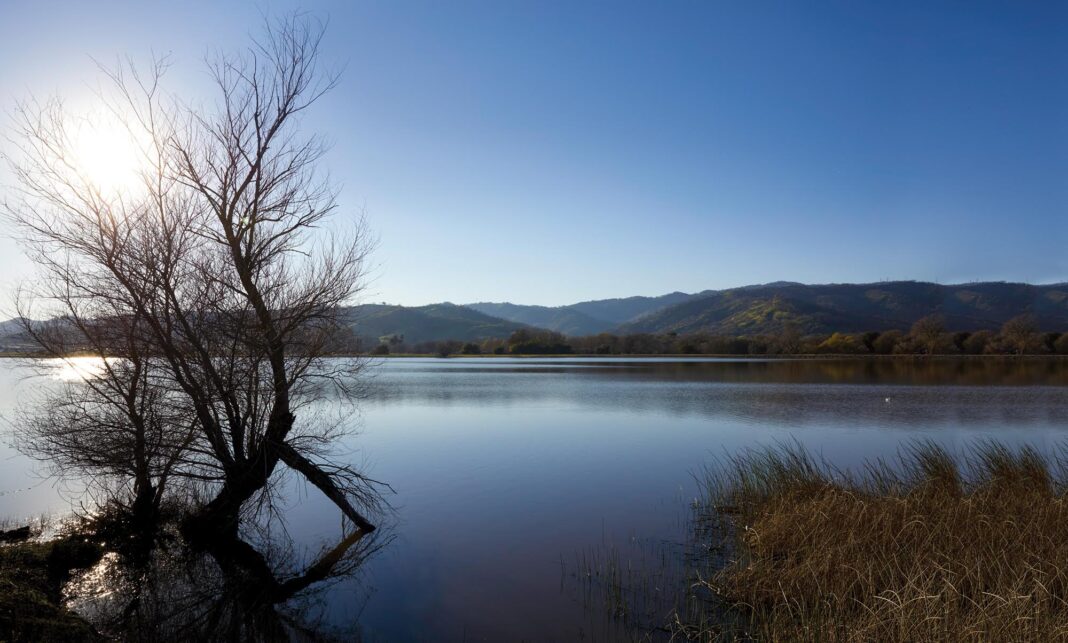


Not a trend, and not just a community: why Lagoon Valley’s green build may be the blueprint for sustainable living
As the winds of change blow through housing markets and climate conversations alike, more people are asking how—and where—to live in ways that reflect their deepest values. For those seeking community, conservation, and connection, a quiet revolution is taking shape in Northern California. #Vanlife had its day, and global nomadism is lonely. Lagoon Valley might be the natural next step for people looking to live sustainably in a regular-sized green home and community.
We first reported on Lagoon Valley in 2022 when the idea of a sustainable, conservation community on the edge of Vacaville sounded more like a dream than a blueprint. Readers loved the idea of a local community farm within walking distance, and neighbors sharing similar conservation values, like farm-to-table and community supported agriculture without having to join a cult or commune. Now, after years of planning, the vision has become reality—and the Lagoon Valley model is gaining international attention and we have an exclusive interview with its lead developer and dreamer Curt Johansen.
85% wild, 100% intentional
The homes—ranging from cottage-style bungalows to age-qualified residences with ADUs—follow rigorous green build principles. They’re designed to meet or exceed California’s already high standards for energy and water efficiency, integrating solar, thermal-pane windows, energy-star appliances, and wastewater-saving systems.
But Lagoon Valley goes beyond checklists and LEED points for green builds. It’s an experiment in sustainability and conservation communities as a lived experience. A walkable town center, an upcoming organic farm-to-table hub, and clustered neighborhoods that reduce land disturbance are just some of the features aimed at helping residents reconnect with the land and each other. And it’s a place which considers all ages and all kinds of people from families with babies and toddlers to teens and seniors.
A shift in values, not just real estate
From Europe to the Pacific Northwest, we’ve been tracking the rise of conservation communities—places where long-term ecological thinking drives planning, not short-term gains. Lagoon Valley adds a uniquely Californian flavor to this trend, blending progressive design with deep ecological awareness. It’s not just a real estate offering, it’s a cultural reset.
Conservation has too often been outsourced or compartmentalized. Lagoon Valley developers are saying, what if it’s central? What if your home, your walk, your food, your school, your view—what if all of that is part of the regenerative whole?
Be inspired by our in-depth interview with Curt Johansen, where we dig deeper into the lessons Lagoon Valley offers for the future of green build communities. We’ll explore how developers, planners, and residents alike can reclaim stewardship—and why this model may hold the key to a more sustainable, meaningful way of life.
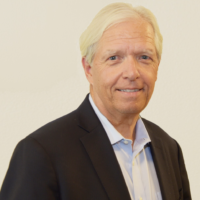
Curt Johansen is the Development Director of Lagoon Valley, Northern California’s first conservation community. A longtime advocate of sustainable development, Johansen brings decades of experience designing and managing environmentally responsible, mixed-use communities across California.
He is a founding partner of UrbanSmart Growth and has led major projects such as Bay Street in Emeryville and the redevelopment of American Canyon in Napa County. His work is rooted in the principles of Reconciliation Ecology—integrating human communities within natural ecosystems—and emphasizes long-term stewardship, biodiversity, and affordable housing. Johansen is known for championing patient capital and regenerative land-use models that prioritize people, place, and planet.
Green Prophet: You’ve said Lagoon Valley turns traditional development ‘on its head.’ What does true land stewardship look like when people are no longer separate from nature, but part of the ecosystem?
A: True land stewardship in Lagoon Valley means recognizing that humans are an integral part of the ecosystem, not separate from it. Instead of dominating or circumventing nature, we actively work to integrate our community within wildlife habitat corridors. Inspired by the principles of “Reconciliation Ecology,” Lagoon Valley minimizes its impact on the environment while allowing residents to learn from and coexist with diverse species of native plants and animals.
Lagoon Valley becomes a living laboratory where residents reconnect with nature through activities like hiking, birdwatching, and biodiverse agriculture — revitalizing our innate “biophilia,” or love of nature. This not only preserves biodiversity but also enhances residential quality of life, making Lagoon Valley a pioneering model for community-driven, harmonious coexistence with nature.
How did your team ensure that the cultural and ecological memory of the land guided development, not just the economic bottom line?
A: Significant time and financial resources were employed to understand culturally historical conditions, including the avoidance and mounding above obsidian flakes along with careful reconstruction of Native American stream locations. Also, extensive plant and wildlife habitat areas were restored to the master plan, in lieu of far more invasive prior development approvals, to remain as open spaces.
With 85% of the land preserved as open space, how do you measure success—not just in terms of real estate sales, but in community well-being and biodiversity?
A: Recognition by State biologists regarding the success of our new Wetland Preserve has been a strong measure of biodiversity flourishing. Our residents are consistently attracted to the community’s conservation/open space commitments, ranking community open space as the most prominent amenity of the community, and they are engaged with actively getting involved in conversations around ecological literacy.
How can Lagoon Valley become a replicable model for other developers, especially those working in climate-vulnerable regions where affordability and conservation often clash?
A: The potential for success with any attempt at a medium-to-large scale, live-work-play conservation community requires a willingness to cooperate with development innovation on the part of the municipal jurisdiction involved with oversight approvals. On the equity development side, the model is replicable when one has patient capital providers that understand the long-term value return from conservation communities. I have been blessed with two amazing partners who understand and support my work.
Community-Supported Agriculture and education programs are part of the plan. How do you see food, farming, and learning as tools for rebuilding human-nature relationships?
A: Over many years I have observed closely the effect Community Supported Agriculture has on neighborhoods that support their CSA. One important effect is resident bonding around farm-to-table, healthier family eating habits. When kids (and adults of all ages) experience the careful and hard work it takes to produce healthy vegetables and fruits, they also notice a big difference in quality between organic food locally grown from what they buy from the industrial ag system that ships food products an average of 1,300 miles each day and loses to spoil almost one-third of its output.
I had the great pleasure of meeting Wendell Berry to glean what insight I could from his inimitable wisdom regarding proper farming, and it was transformative. He helped me understand that true knowledge of place is intrinsically tethered to a true knowledge of local agriculture, and that for farmers who bring to the local market products from quality soil, without pesticides or herbicides, without pollution, grown and harvested with labor paid a living wage, it is worth the small extra cost to residents because of the long-term benefits to their health and the “social community glue” CSAs provide.
In your view, what role do residents play in shaping and sustaining this vision? How do you cultivate a sense of responsibility beyond just living in a ‘green’ neighborhood?
A: Fostering sustainable behaviors in green communities still requires altering existing behaviors, and that comes from instilling a problem-solving, communally-activated approach to prompting healthier behaviors. When resident leaders are trained to present win-win outcomes for their neighbors, it can be inspiring to see how positive outcomes can be recognized and emulated. Creating opportunities for environmental volunteerism in activities that appeal to neighbors helps residents to get to know the open spaces surrounding them more intimately, which in turn invests them in taking greater care of these sacred places.
What advice would you offer to cities or developers who want to transition from extractive models of building toward regenerative, community-centered development?
A: If I had the power to do so, I would require every land developer and every public servant with influence in land planning to visit existing conservation communities and see the difference over time between how home values appreciate instead of depreciate and how residents are generally happier in their neighborhoods. So many of us suffer in varying degrees from the idea of Nature Deficit Disorder. Physically visiting and interacting with residents living in sustainable communities is paradigm-shifting.
We often hear concerns that sustainable communities might sacrifice resale value or long-term investment. What are you seeing—or expecting—when it comes to property value in a place like Lagoon Valley, where ecological integrity is part of the design?
A: Home resale values in successful conservation communities typically outpace the overall market. A good example close to Lagoon Valley is Village Homes in Davis, CA, which has been around for almost 50 years and continues to thrive both ecologically and financially for its residents who are passionate about preserving the many sustainable features embedded in their community’s planning. Other notable conservation communities that have thrived in many ways, including the appreciation of home values, include Prairie Crossing just north of Chicago and Serenbe, just south of Atlanta, to name a few. Sustainability in communities is increasingly seen as long-term enhancement of property values, whereas depreciation is still the norm in many markets where the negative long-term social impacts of conventional, unsustainable development increase over time.
Do you have a childhood memory of being in nature/wishing you were in nature that informs the work you do today?
A: Until the age of 9, I was a city kid living in New York with lots of concrete in my neighborhood and not much nature. But I was fortunate to have relatives who owned a small family farm on Long Island, when one could take the train for a visit. I still recall vividly my first taste of an organically grown, vine-ripened tomato, many of which my Italian grandmother would use to make spaghetti sauce for the family. It was magnificent and I’ve never forgotten that revelation.
Thank you Curt!
As cities face the twin pressures of climate instability and housing crises, Lagoon Valley reminds us that sustainability doesn’t mean sacrifice: it means design with intention. It’s a reminder that large-scale development, community and ecological integrity don’t have to be at odds. With 1,300 acres of preserved open space, a thriving local food vision, and a blueprint guided by civic participation, responsibility, and care, this new housing development project shows that living in harmony with nature isn’t just possible—it’s desirable.
To learn more about Lagoon Valley, visit their website: https://lagoon-valley.com/