Half of all medical cannabis doses labeled incorrectly

Medical cannabis mislabeled
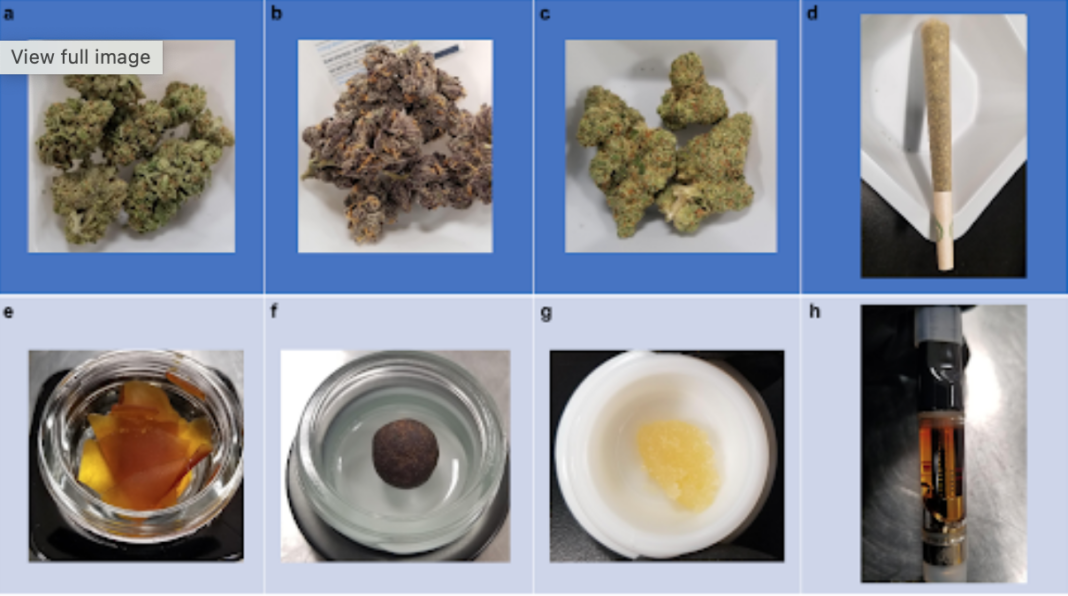
A wild mislabeling of THC in cannabis products when you buy flowers. A sampling of cannabis products, purchased at Colorado dispensaries and analyzed for the study.

Medical cannabis can be a life saver for children and adults with epilepsy. It helps alleviate cancer pain and it’s been shown to help certain people with PTSD. But not all cannabis plants have the same potency of medically active ingredients such as THC and CBD. And a new study has shown that even though there are measures in place to estimate potencies and doses in actual practice the labels are wildly inaccurate.

Researchers weigh in and report that nearly half of cannabis flower products are inaccurately labeled when it comes to potency, with most showing they contain more THC than they really do. Meanwhile, labels on cannabis concentrates tend to be accurate, with 96% shown to match what’s inside.

Related: Charlotte’s web and cannabis 

That’s the takeaway from a new analysis of products sold at dispensaries across Colorado—the first state to legalize recreational marijuana. The study, published this month in the journal Scientific Reports, is the first comprehensive label audit of legal market cannabis to date.

“Cannabis use has complex and wide-ranging effects, and we are working hard to better understand them,” said senior author Cinnamon Bidwell, associate professor of psychology and neuroscience at CU Boulder. “While that research plays out, we should, at the very least, be providing accurate information about the amount of THC in these products.”

The study was funded by the Institute of Cannabis Research, the state’s official cannabis research institute, and conducted in collaboration with MedPharm Research, LLC, a licensed cannabis testing facility, manufacturer and retailer. Under federal law, university scientists are not allowed to handle legal market cannabis for research, so collaborating with industry is critical.

quit smoking
Cannabis flowers, usually smoked, are inaccurately labeled

For the study, a secret shopper from MedPharm traveled the state to obtain 277 products from 52 dispensaries across 19 counties. The sampling included 178 flower products and 99 smokable concentrates. No edibles were included in this phase of the study.

The shopper shared label photos with Bidwell’s team. Then the samples, marked only with a number, were tested by MedPharm chemists who hadn’t seen the labels. Data analysis showed that flower products contained on average about 21% THC, or tetrahydrocannabinol—the main psychoactive ingredient in cannabis. Concentrates contained 71% THC on average, with some containing as much as 84%. In the 1980s, the typical THC content in marijuana was around 8%.

“THC content has increased significantly, and we know that greater THC exposure is likely associated with greater risks, including risk of cannabis use disorder and some mental health issues,” notes Bidwell.

Products were considered “accurately labeled” if they contained within 15% of the THC amount shown on the label—the same threshold the state uses. About 44% percent of flower products failed to meet that standard, with 54 of those products inflating their THC content and 23 containing more THC than the label indicated. Only four concentrate products were labeled inaccurately.

cannabis oil woman
Cannabis oil and extracts is a better bet for dosing

“When it comes to concentrates, I would say Colorado gets a good grade for labeling accuracy, but there are some real issues with flower,” said Bidwell.

The study also looked at several other cannabinoids, including cannabidiol (CBD), cannabigerol (CBG), and cannabigerolic acid (CBGA). Notably, CBG and CBGA, which have been associated with anti-inflammatory and anti-anxiety properties, were more abundant than CBD in products across categories. But Colorado law only requires that companies put CBD levels on the label.

“Focusing on THC on the label can actually do a disservice for consumers, because it creates an environment in which people buy based solely on THC content,” said Bidwell. “Our data suggests that multiple other cannabinoids should also be reported.”


 

TRENDING

Key Rules Recreational Cannabis Users Must Follow in Pittsburgh

Adults who are 21 or older can carry up to 30 grams. This amount applies to personal use within Pittsburgh’s limits. Carrying more could lead to confiscation or legal action. Staying under the limit avoids problems during any public stop.

Stoned and driving? High THC levels might not mean you are impaired

Based on the results from the driving simulation, participants with elevated baseline concentrations of THC did no worse on a driving simulator compared with participants who were below per se cut-off points. Altogether, the results add to a growing body of evidence showing that current per se THC blood limit laws lack scientific credibility as face-value evidence of impairment.

American college trains medical students on how to treat with cannabis

Students also gain hands-on experience in caring for patients using cannabis, as well as any other medications and illicit substances, after they begin their clinical rotations, he added. 

Medical cannabis Syqe lays off 30% of its workforce

This backing gave Syqe financial muscle and strategic reach—but also raises reputational and strategic risks, given tobacco’s fraught public perception in the health space. Imagine if McDonald’s bought into a regenerative kale farm. The cash infusion could scale production, but people would always wonder if the lettuce was being served with a side of fries. 

Medical Cannabis Offers Chronic Pain Relief Without Sacrificing Mental Clarity, Study Finds

A growing number of chronic pain patients are turning...

Turning Your Energy Consultancy into an LLC: 4 Legal Steps for Founders in Texas

If you are starting a renewable energy business in Texas, learn how to start an LLC by the books.

Tracking the Impacts of a Hydroelectric Dam Along the Tigris River

For the next two months, I'll be taking a break from my usual Green Prophet posts to report on a transnational environmental issue: the Ilısu Dam currently under construction in Turkey, and the ways it will transform life along the Tigris River.

6 Payment Processors With the Fastest Onboarding for SMBs

Get your SMB up and running fast with these 6 payment processors. Compare the quickest onboarding options to start accepting customer payments without delay.

Qatar’s climate hypocrisy rides the London Underground

Qatar remains a master of doublethink—burning gas by the megaton while selling “sustainability” to a world desperate for clean air. Wake up from your slumber people.

How Quality of Hire Shapes Modern Recruitment

A 2024 survey by Deloitte found that 76% of talent leaders now consider long-term retention and workforce contribution among their most important hiring success metrics—far surpassing time-to-fill or cost-per-hire. As the expectations for new hires deepen, companies must also confront the inherent challenges in redefining and accurately measuring hiring quality.

8 Team-Building Exercises to Start the Week Off 

Team building to change the world! The best renewable energy companies are ones that function.

Thank you, LinkedIn — and what your Jobs on the Rise report means for sustainable careers

While “green jobs” aren’t always labeled as such, many of the fastest-growing roles are directly enabling the energy transition, climate resilience, and lower-carbon systems: Number one on their list is Artificial Intelligence engineers. But what does that mean? Vibe coding Claude? 

Somali pirates steal oil tankers

The pirates often stage their heists out of Somalia, a lawless country, with a weak central government that is grappling with a violent Islamist insurgency. Using speedboats that swarm the targets, the machine-gun-toting pirates take control of merchant ships and then hold the vessels, crew and cargo for ransom.

Related Articles

Popular Categories