Glass Bottles May Contain More Microplastics Than Plastic or Cans, New French Study Finds

More microplastics from glass bottles than plastic ones, in France
And they’re not just in your drinks: microplastics are showing up in your toothbrush, teeth aligners, and even chewing gum

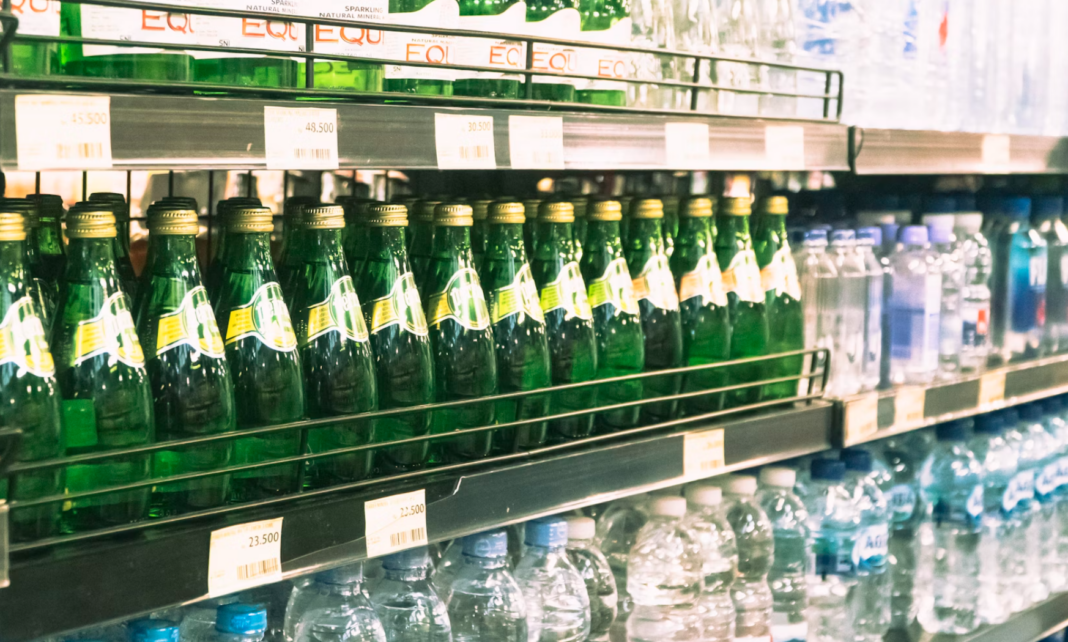
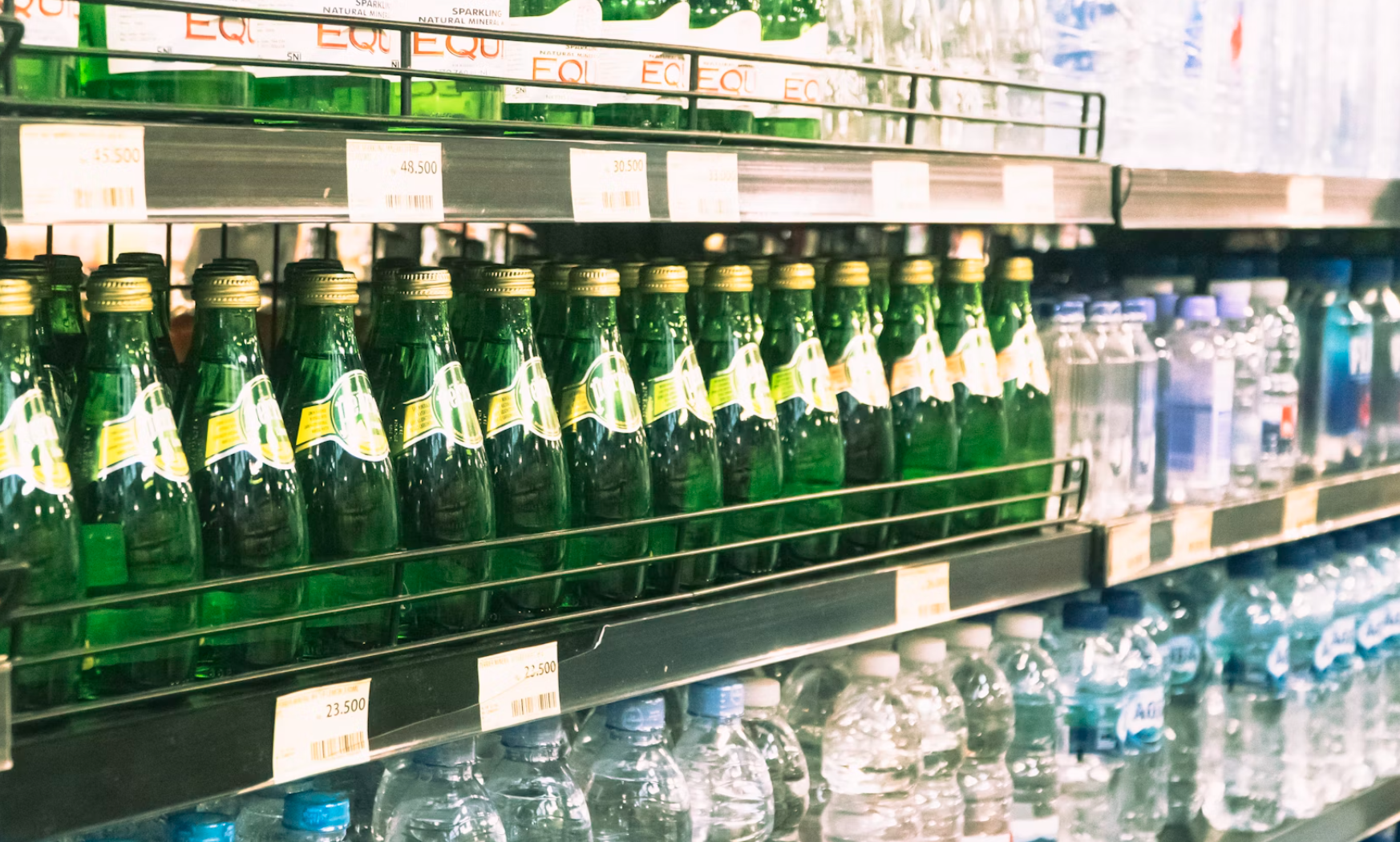
In a surprising twist for consumers aiming to avoid plastic pollution and plastic bottles, a new French study has revealed that drinks stored in glass bottles contain even more microplastics than those in plastic bottles, cartons, or cans. Conducted by the Boulogne-sur-Mer unit of the ANSES Laboratory for Food Safety, the research points to a previously overlooked source of microplastics: the painted caps of glass bottles.

The study, published in the Journal of Food Composition and Analysis, looked at microplastic contamination in drinks such as water, soda, iced tea, wine, and beer, and examined how different packaging materials might influence contamination levels. Across the board, glass bottles were found to contain more microplastics, with popular beverages like cola and beer showing an average of 100 microplastic particles per litre—five to 50 times higher than in plastic bottles or cans.

“We were expecting the opposite result when we compared the level of microplastics in different drinks sold in France,” said Iseline Chaïb, PhD student in the Aquatic Food Safety Unit (SANAQUA, Boulogne-sur-Mer site), ANSES Laboratory for Food Safety.

“We then noticed that in the glass, the particles emerging from the samples were the same shape, colour and polymer composition – so therefore the same plastic – as the paint on the outside of the caps that seal the glass bottles,” she said.

bottles caps rub against each other and create more microplastics in glass bottles

Despite growing concern over microplastic exposure, toxicological reference data is still lacking, making it difficult to assess the exact health risks associated with the levels found. Some early studies find effects in the liver.

Entrepreneurs Solve This: Paint on Bottle Caps

The researchers traced the contamination to painted metal caps which contain a plastic coating on the interior. Microplastics discovered in the drinks matched the color and chemical makeup of the paint coating the caps. Microscopic scratches—likely caused by friction among the caps and their edges during storage—were identified as the mechanism for particle release.

To explore prevention, the scientists tested various cleaning methods: “We studied three scenarios,” explains Chaïb. “We cleaned the bottles and filled them with filtered water so that no microplastics could be detected, then we placed caps on the bottles without treating the caps, after blowing on the caps with an air bomb, or after blowing air and rinsing the caps with filtered water and alcohol.”

Results showed:

  • 287 particles per litre in bottles with uncleaned caps

  • 106 particles per litre after air was blown on the caps

  • 87 particles per litre when blowing was followed by rinsing

The researchers suggest simple steps in cap preparation or redesigning paint compositions could significantly reduce contamination. Until the problems are solved are we back to drinking from springs and filtering our own water at home?

The Hidden Microplastics in Your Mouth

chewing gum pieces, microplastics in gum, synthetic gum, natural gum, saliva with microplastics, plastic particles in saliva, chewing gum research, microplastic contamination, UCLA research on gum, microplastics released from gum, gum base made from plastic, plastic in everyday products, environmental impact of gum, lab research on chewing gum, microplastics from synthetic products, plastic pollution and health risks, people chewing gum with plastic particles

While microplastics in beverages are alarming, the problem goes beyond the bottle. Reports by Green Prophet have highlighted growing evidence that common dental and hygiene products are also sources of daily microplastic exposure:

  • Teeth aligners and retainers made from thermoplastics can shed microplastics through wear, particularly in hot liquids or during overnight use. A 2024 study reviewed by Green Prophet warned that long-term exposure to heated plastics in the mouth may leach hormone-disrupting chemicals.

  • Chewing gum, often made from synthetic rubber (a plastic polymer), can release microscopic plastic particles with every chew. Unlike traditional chicle gum, modern brands contain industrial polymers that may degrade in the mouth, though few regulations require manufacturers to disclose them.

  • Toothbrushes, especially nylon-bristle varieties, can fray and break down over time. According to a Green Prophet special report, worn toothbrushes can shed fibers directly into the mouth, where they may be swallowed or absorbed into oral tissues. Advice? Use a miswak?

These microplastics don’t simply pass through the body. Emerging research shows that particles smaller than 5 microns can cross cellular membranes and may accumulate in the bloodstream, lungs, or even the brain.

Glass Isn’t Always Greener

Even beverages like wine and bottled water—often seen as “cleaner” when packaged in glass—showed measurable microplastic contamination. Water in glass bottles had 4.5 particles per litre, compared to 1.6 in plastic bottles and cartons. Wine sealed with corks contained minimal microplastics.

The findings from ANSES suggest that glass bottle manufacturers can—and should—take swift action, particularly by rethinking the materials and handling of their bottle caps. Some companies such as Tipa and Balena are already leading the way in developing bio-plastics. The problem with plastics is not in dry packaging but in wet ones, such as liquids in bottles. Bio-plastics do and are meant to decompose over time, presenting a challenge in the bottling industry.

For consumers trying to reduce their exposure to microplastics, choosing glass may not be a guaranteed safeguard. And while the health risks are still under study, the evidence is mounting that microplastic exposure is not just a planetary issue—it’s a personal one.

Karin Kloosterman
Karin Kloostermanhttp://www.greenprophet.com
Karin Kloosterman is an award-winning journalist, innovation strategist, and founder of Green Prophet, one of the Middle East’s pioneering sustainability platforms. She has ranked in the Top 10 of Verizon innovation competitions, participated in NASA-linked challenges, and spoken worldwide on climate, food security, and future resilience. With an IoT technology patent, features in Canada’s National Post, and leadership inside teams building next-generation agricultural and planetary systems — including Mars-farming concepts — Karin operates at the intersection of storytelling, science, and systems change. She doesn’t report on the future – she helps design it. Reach out directly to [email protected]

LEAVE A REPLY

Please enter your comment!
Please enter your name here

TRENDING

Microplastics in Your Food Links Nanoplastics to Liver Damage and Glucose Imbalance

Next time you reach for a plastic-wrapped snack or sip from a disposable cup, remember: the real cost may not show up on the price tag, but in your liver enzymes or your glucose test.

Yaniv Levy’s Lifelong Quest to Protect Sea Turtles in a Time of War and Greed

This is the story of Dr. Yaniv Levy, founder of Israel’s Sea Turtle Rescue Center—the world’s only government-supported turtle hospital and breeding center unlike any in the world. But to understand why his work matters, you have to go back nearly 30 years, to another coastline altogether: Aldabra Atoll, part of the Seychelles, one of the last untouched Edens left on Earth.

The Rise of Algae in Sustainable Business

Brevel has pioneered a unique method of cultivating microalgae by combining light with sugar-based fermentation in indoor bioreactors. Traditional fermentation, typically conducted in the dark, produces microalgae efficiently but lacks key nutrients that depend on light exposure. By integrating light into the fermentation process, Brevel enhances the nutritional profile, functionality, and overall commercial viability of microalgae-based proteins.

Forming pine trees into bio-plastic foam

The research team used an environmentally-friendly preparation of lignin as a substitute for 20% of the fossil fuel-based chemicals in the foam. The bio-based foam was as strong and flexible as typical polyurethane foam.

This plastic is made from corn

The global push for environmentally sustainable materials positions CornNext-17 to capitalize on increasing regulatory support and consumer demand for green products. Its adaptability, cost-effectiveness, and eco-friendly properties provide a competitive edge in addressing the growing plastic pollution crisis.

Qatar’s climate hypocrisy rides the London Underground

Qatar remains a master of doublethink—burning gas by the megaton while selling “sustainability” to a world desperate for clean air. Wake up from your slumber people.

How Quality of Hire Shapes Modern Recruitment

A 2024 survey by Deloitte found that 76% of talent leaders now consider long-term retention and workforce contribution among their most important hiring success metrics—far surpassing time-to-fill or cost-per-hire. As the expectations for new hires deepen, companies must also confront the inherent challenges in redefining and accurately measuring hiring quality.

8 Team-Building Exercises to Start the Week Off 

Team building to change the world! The best renewable energy companies are ones that function.

Thank you, LinkedIn — and what your Jobs on the Rise report means for sustainable careers

While “green jobs” aren’t always labeled as such, many of the fastest-growing roles are directly enabling the energy transition, climate resilience, and lower-carbon systems: Number one on their list is Artificial Intelligence engineers. But what does that mean? Vibe coding Claude? 

Somali pirates steal oil tankers

The pirates often stage their heists out of Somalia, a lawless country, with a weak central government that is grappling with a violent Islamist insurgency. Using speedboats that swarm the targets, the machine-gun-toting pirates take control of merchant ships and then hold the vessels, crew and cargo for ransom.

Leopoldo Alejandro Betancourt López Turned Ocean Plastic Into Profitable Sunglasses

Few fashion accessories carry the environmental burden of sunglasses. Most frames are constructed from petroleum-based plastics and acrylic polymers that linger in landfills for centuries, shedding microplastics into soil and waterways long after they've been discarded. Leopoldo Alejandro Betancourt López, president of the Spanish eyewear brand Hawkers, saw this problem differently than most industry executives.

Why Dr. Tony Jacob Sees Texas Business Egos as Warning Signs

Everything's bigger in Texas. Except business egos.  Dr. Tony Jacob figured...

Israel and America Sign Renewable Energy Cooperation Deal

Other announcements made at the conference include the Timna Renewable Energy Park, which will be a center for R&D, and the AORA Solar Thermal Module at Kibbutz Samar, the world's first commercial hybrid solar gas-turbine power plant that is already nearing completion. Solel Solar Systems announced it was beginning construction of a 50 MW solar field in Lebrija, Spain, and Brightsource Energy made a pre-conference announcement that it had inked the world's largest solar deal to date with Southern California Edison (SCE).

Related Articles

Popular Categories