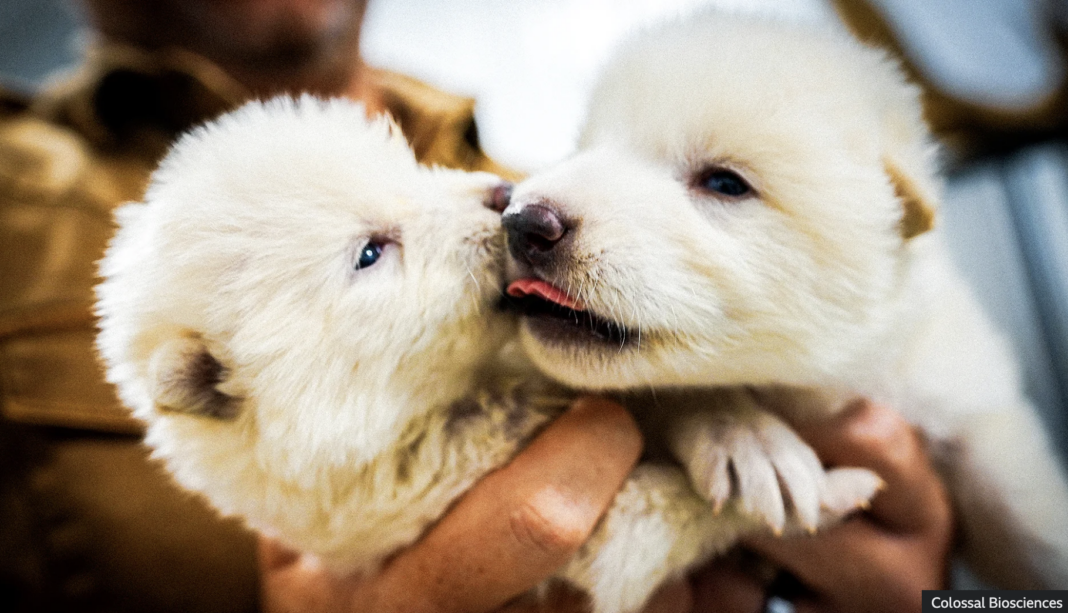

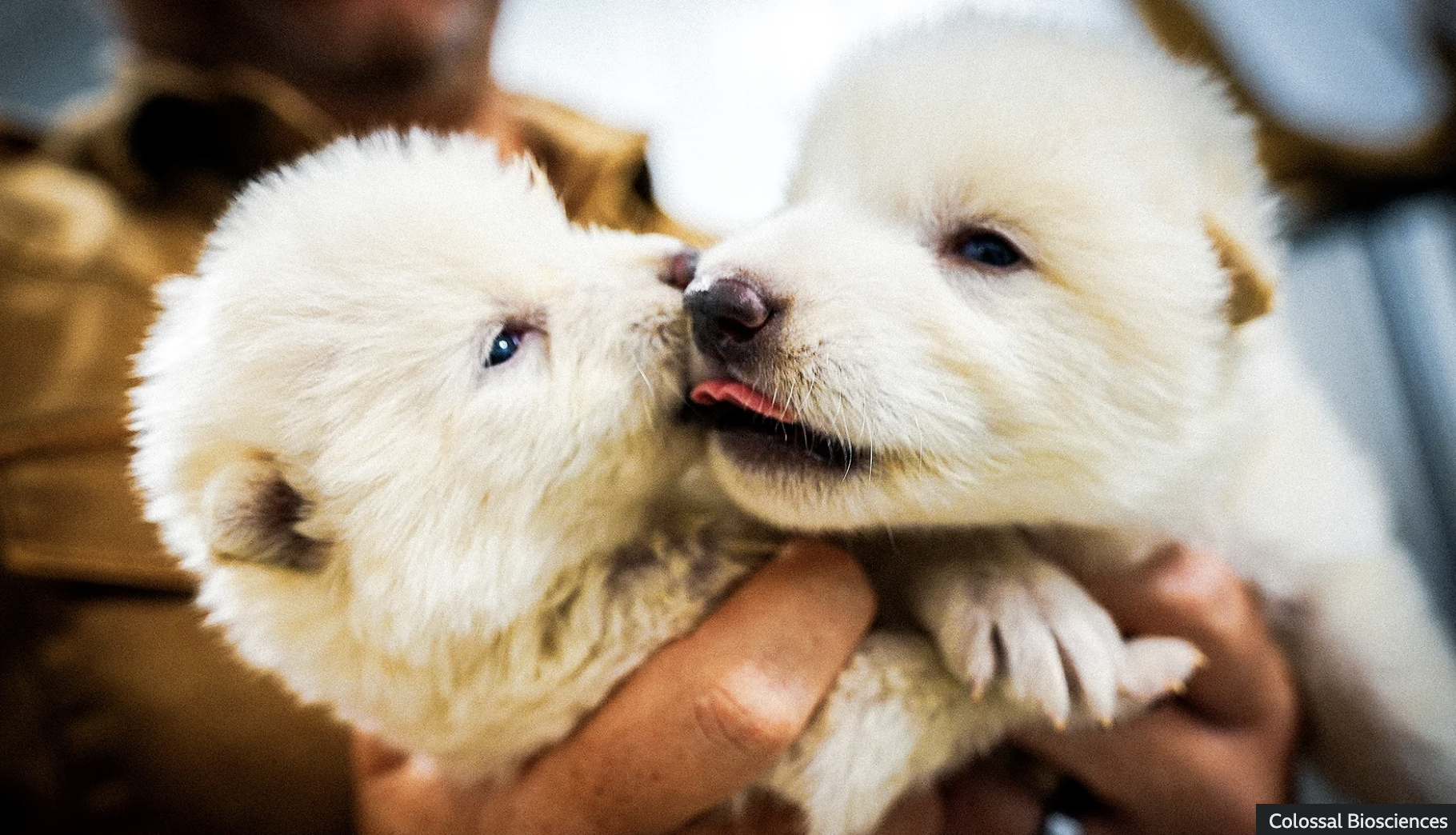
While the resurrection of the dire wolf has captured global headlines, an equally significant achievement has been unfolding alongside it: the birth of four healthy red wolf pups named Hope, Blaze, Cinder, and Ash. Using the same groundbreaking technologies developed for de-extinction, Colossal Biosciences has potentially altered the fate of North America’s most endangered canid, demonstrating how ancient DNA science can directly benefit species still clinging to existence.
The Red Wolf Crisis
The red wolf (Canis rufus) faces a dire situation that makes the term “endangered” seem almost inadequate. Once roaming throughout much of eastern North America in the thousands, today fewer than 20 remain in the wild, making them the most endangered wolves on the planet.
By 1960, red wolves were nearly extinct. The Endangered Species Act and a captive breeding program helped secure their reintroduction into eastern North Carolina through the Fish and Wildlife Service’s Red Wolf Recovery Program. This effort successfully grew the wild population to more than 120 wolves—a conservation success story in the making.
However, when the program was halted in 2015, the population crashed to as few as seven wolves. Though the program resumed in 2021, the species has struggled to regain its numbers, hampered by a critical challenge: dangerously low genetic diversity. All existing red wolves descend from just 12 founder individuals, creating a genetic bottleneck that threatens their long-term viability.
Four New Genetic Lifelines
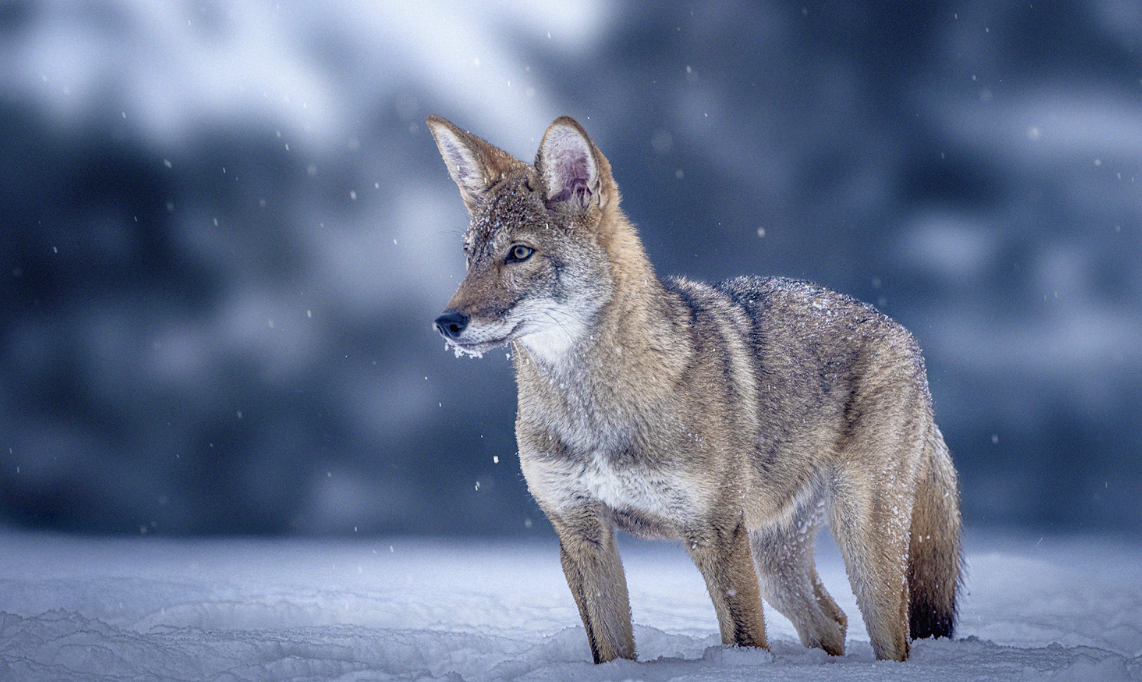
Into this precarious situation, Colossal has introduced four potential saviors: Hope, a female red wolf pup, and three males named Blaze, Cinder, and Ash. These wolves were born through the same innovative cloning approach developed for the dire wolf project, but with a crucial difference—they represent genetic lineages that could significantly expand the species’ genetic diversity.
As Colossal announced alongside the dire wolf news: “The three litters of Colossal’s dire wolves include two adolescent males (Romulus and Remus) and one female puppy (Khaleesi). Colossal also birthed two litters of red wolves from three different genetic founder lines. These litters include one adolescent female red wolf (Hope) and three male red wolf puppies (Blaze, Cinder, and Ash).”
The significance of these new wolves extends beyond their individual lives. The pups come from cell lines collected from the southwest Louisiana population—a region critical for red wolf conservation. Adding these new lineages to the captive breeding population would increase the number of founding lineages by a remarkable 25%, potentially addressing one of the most critical threats to red wolf recovery.
Non-Invasive Blood Cloning Technique
The technical innovation that made these births possible is Colossal’s novel method of “non-invasive blood cloning.” Rather than requiring invasive tissue sampling, scientists established viable cell lines from red wolves using a simple blood draw—a routine procedure already performed during veterinary checkups of sedated wolves.
From these blood samples, Colossal isolated expandable endothelial progenitor cells (EPCs), which are cells involved in vascular repair and neovascularization. These cells were then used for successful cloning through somatic cell nuclear transfer, resulting in healthy red wolf pups.
This technique represents a significant advance for endangered species conservation, as it allows genetic material to be collected with minimal impact on wild animals. “The collection of whole blood is a rapid and noninvasive procedure that is routinely carried out on sedated wolves for veterinary monitoring purposes,” Colossal notes, making the approach highly practical for field conservation.
From Dire Wolves to Conservation Solutions
The connection between the dire wolf project and red wolf conservation is direct and explicit. As Colossal stated, “The technology developed within the Colossal de-extinction pipeline has immediate applications for conservation efforts globally. The research undertaken to birth the dire wolf has been successfully paralleled to the birth of two litters of the red wolf.”
Dr. Christopher Mason, a scientific advisor to Colossal, emphasized this relationship: “The same technologies that created the dire wolf can directly help save a variety of other endangered animals as well. This is an extraordinary technological leap for both science and for conservation.”
This demonstrates how de-extinction science, often portrayed as distinct from or even competing with traditional conservation, can directly support efforts to save extant species. The red wolf pups represent not just a theoretical application but a tangible conservation outcome from technologies initially developed for a de-extinction moonshot.
The ‘Ghost Wolf’ Connection
Beyond the cloned pups themselves, Colossal’s red wolf work connects to another fascinating project: the study of “ghost wolves”—unique canids found only on the Gulf Coast of Texas and Louisiana that carry lost genetic diversity from red wolves.
The company notes that “the research program for the dire wolf has also helped efforts to develop technologies for the red ‘ghost’ wolf.” Working with researchers Dr. Bridgett vonHoldt of Princeton University and Dr. Kristin Brzesk of Michigan Technological University, who lead the Gulf Coast Canid Project, Colossal has accelerated understanding of these animals’ genetic ancestry.
This connection to ghost wolves is particularly important because these animals may harbor genetic diversity lost from the official red wolf population during its decline. “The technology and understanding developed through Colossal’s red ‘ghost’ wolf project has now unlocked additional genetic diversity and red wolf ancestry that can be a resource to create a genetic rescue program for the red wolf population,” the company explains.
The Path to Rewilding
The long-term vision for these red wolf pups extends beyond captivity. Colossal has stated that its “long term goal is for their red wolves to be re-wilded through current US conservation efforts in collaboration with the US government.” This would integrate the cloned wolves into existing recovery programs, potentially helping to rebuild the wild population.
Matt James, Colossal’s Chief Animal Officer and Colossal Foundation Executive Director, emphasized this conservation mission: “Colossal’s successful de-extinction of the dire wolf represents a massive coup for conservation. The technologies developed on the path to the dire wolf are already opening up new opportunities to rescue critically endangered canids.”
For now, Hope, Blaze, Cinder, and Ash reside alongside their dire wolf counterparts at Colossal’s 2,000+ acre protected reserve, receiving round-the-clock care and monitoring. The facility, certified by the American Humane Society and registered with the USDA, provides the specialized care these genetically valuable wolves require.
Expert Support for the Approach
Conservation experts have responded enthusiastically to Colossal’s red wolf achievements. Aurelia Skipwith, J.D., former Director of the US Fish and Wildlife Service, noted: “The company’s work to combat extinction of the red wolf creates hope for so many other critically endangered species fighting for survival.”
Similarly, Mike Phillips, Director of the Turner Endangered Species Fund and project lead for rewilding gray wolves in the Greater Yellowstone Ecosystem, praised the technological approach: “By collaborating with Dr. vonHoldt on red wolf recovery, Colossal creates potential to increase the genetic diversity of this species which exists only because of a captive population founded by a paltry 14 individuals.”
Dr. Bridgett vonHoldt herself highlighted the broader significance: “I am beyond thrilled that such technologies are also being leveraged to support programs of preventing extinction in endangered species like the red wolf.”
Hope for the Future
The names given to these red wolf pups—Hope, Blaze, Cinder, and Ash—seem particularly apt for their role in red wolf conservation. Hope, the female pup, embodies the promise these animals represent for their species’ future. The male names—Blaze, Cinder, and Ash—evoke both wildfire imagery (appropriate for predators once nearly lost) and the phoenix-like renewal these wolves may bring to their kind.
As these pups grow and potentially integrate into breeding programs, they represent a new chapter in red wolf conservation—one where cutting-edge genetic technologies complement traditional conservation approaches. The same scientific breakthroughs that brought back dire wolves after 12,000 years may help ensure that red wolves don’t disappear in our lifetime.
In this way, Hope, Blaze, Cinder, and Ash stand as living proof that the technology of resurrection can become the technology of prevention—turning the science of de-extinction into a powerful new tool for conservation.