

Cities like Tel Aviv are giving out free trees to create a food forest. And in Berlin, researchers like Ingo Kowarik are laying the blueprint for how to create sustainable cities using what we’ve already got. The illustrated handout above works to understand some of the principles developed by Ingo Kowarik and his team of urban planne
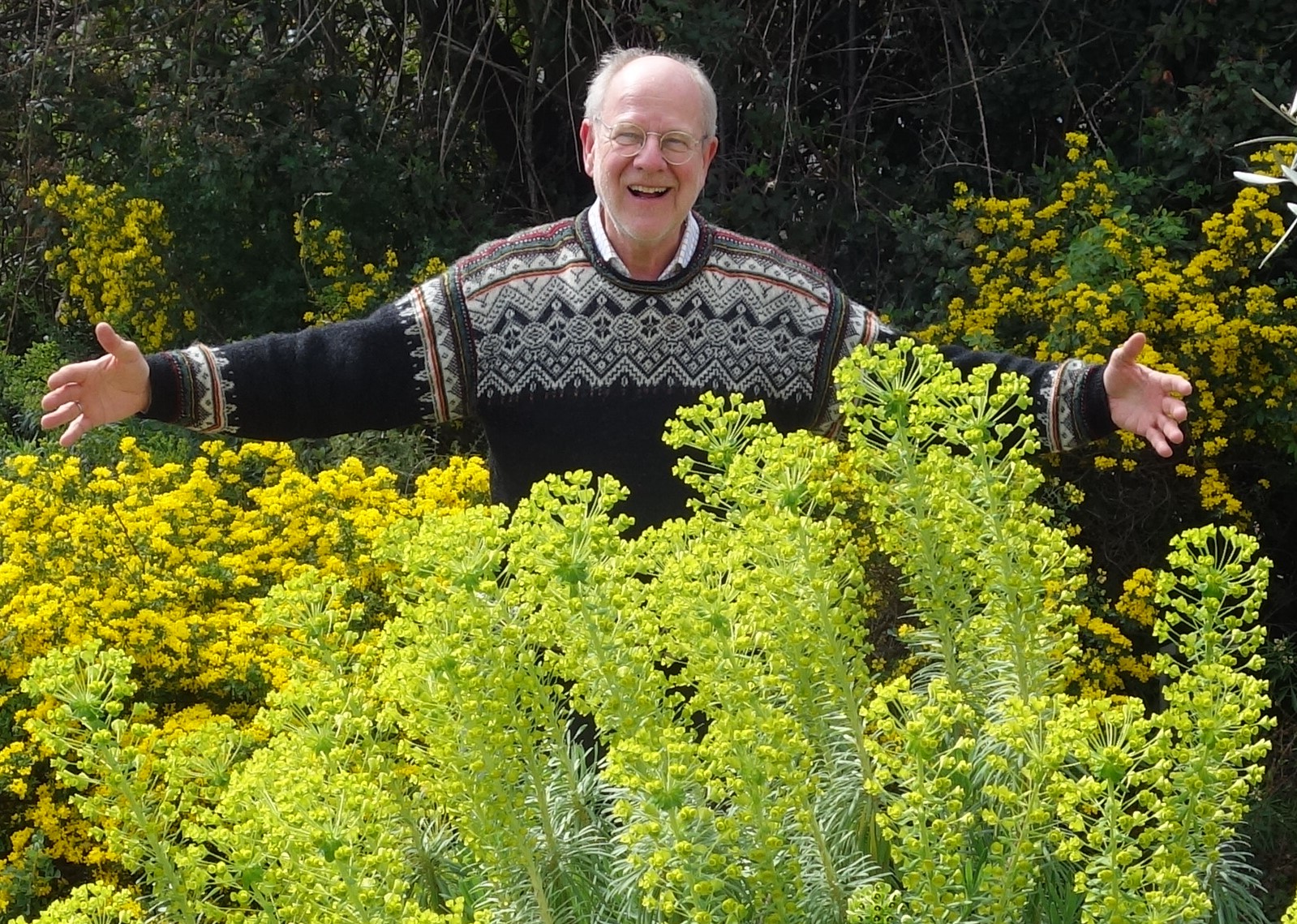
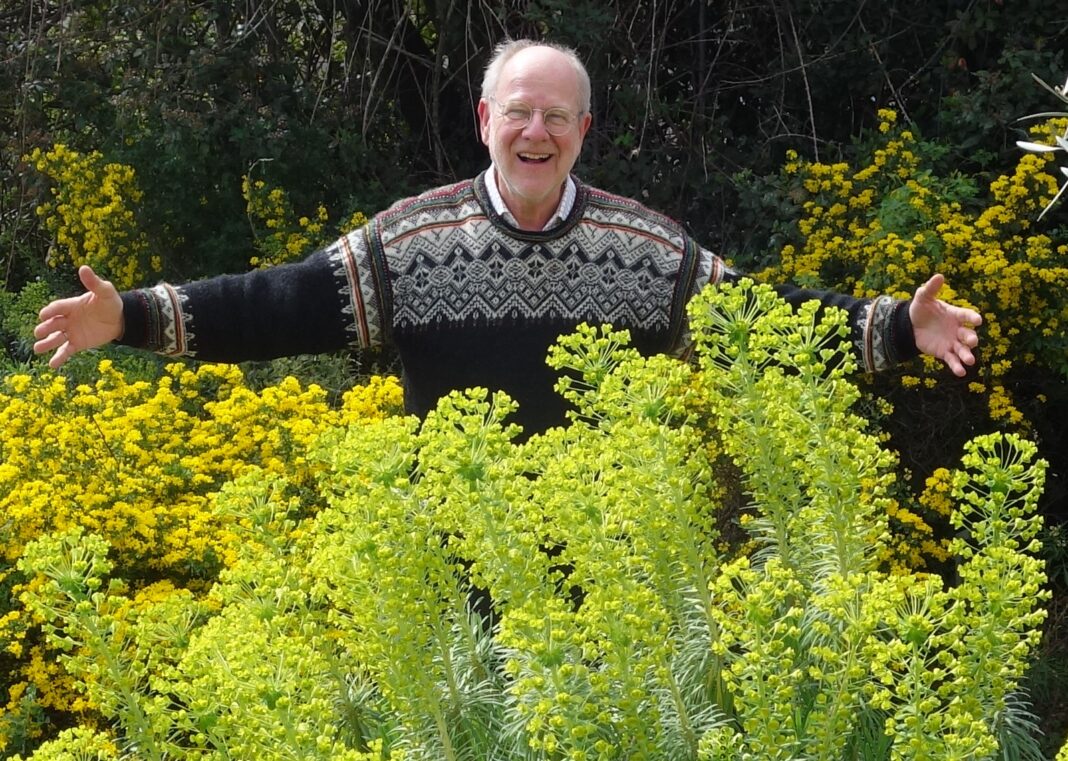
As urbanization continues to dominate the global landscape, cities are faced with the challenge of accommodating growing populations while maintaining a healthy relationship with nature. This is important for mental health and also for urban plants and animals. Ingo Kawarik, a leading urban ecologist from Berlin, proposes a revolutionary approach to greening cities, where space—an ever-precious commodity in urban settings—is utilized to foster biodiversity and support ecological resilience.
Kawarik’s approach resonates deeply with a group of ecologists, geographers, and urban planners, who together advocate for the intelligent optimization of urban environments to benefit both people and the natural world. They have a plan and blueprint they have shared on Nature Reviews.
Related: Chicago’s coyotes live longer around people
As cities expand, they increasingly encroach on natural habitats, contributing to the loss of biodiversity and diminishing the quality of life for residents. Urban environments often become hotbeds of pollution, limited green spaces, and artificial lighting, which negatively impact both human health and local ecosystems. In response to these challenges, urban planners are exploring innovative methods to transform cities into more sustainable, nature-friendly spaces.
Kawarik’s approach presents an opportunity to address these issues, focusing on sustainable design practices that integrate biodiversity into the very fabric of urban life.
Related: bats like the food diversity of cities
Kawarik’s approach is centered around the idea that even in densely populated urban areas, space can be optimized to promote ecological balance. By rethinking the way cities are designed, planners can incorporate nature-based solutions that simultaneously enhance the environment and improve residents’ well-being.
Here are some key strategies proposed by Kawarik and supported by ecologists and urban planners:
1. Reducing Urban Lighting
One of the primary sources of disruption to urban biodiversity is excessive artificial lighting, which not only wastes energy but also affects the behavior and health of nocturnal species. Kawarik suggests that cities can reduce urban lighting to minimize light pollution, which can hinder the natural processes of plants and animals. Strategies like dimming streetlights or implementing motion sensors in low-traffic areas can conserve energy while promoting healthier ecosystems. Unnatural light isn’t good for humans either. See LED light and human health.
2. Creating Multi-Functional Greenbelts and Parks
Greenbelts and parks are essential components of any sustainable city, offering green spaces for recreation, wildlife habitats, and ecological services. Kawarik advocates for multi-functional green spaces that serve not only as recreational areas but also as corridors for wildlife, helping to restore fragmented ecosystems.
These greenbelts can provide refuge for a variety of species while also improving air quality, reducing the urban heat island effect, and promoting mental well-being for urban dwellers. Greenbelts can be small, like in the streets of space between buildings in Montreal, or large like in huge rural spaces like north of Toronto.
3. Incentivizing Green Roofs
With space at a premium, the rooftop offers an untapped resource for urban greening. Green roofs—vegetated surfaces on buildings—are a powerful tool in Kawarik’s strategy. Not only do green roofs provide habitat for birds, insects, and plants, but they also help to reduce the urban heat island effect, improve energy efficiency in buildings, and capture rainwater. Kawarik suggests that city governments incentivize the installation of green roofs through tax breaks or grants, making it a viable option for developers and homeowners alike. Green roofs do require management and may lead to leaks and other concerns, but when done right the risks outweigh the benefits.
4. Increasing Tree Cover
Trees are critical for urban ecosystems, providing shade, improving air quality, and supporting biodiversity. Kawarik advocates for increasing tree cover in urban areas, particularly in densely built environments where green space is limited. Planting more trees in streetscapes, parks, and even along highways can create vital corridors for wildlife, absorb carbon dioxide, and mitigate the negative impacts of urbanization. Tree planting initiatives can also engage communities, fostering a greater sense of connection between people and nature. See the MIT study on which cities have become greener in their urban tree maps.
Kawarik’s vision emphasizes that greening cities is not just about creating spaces for biodiversity—it is also about enhancing the quality of life for urban residents. A greener city can offer numerous benefits, from cleaner air and cooler temperatures to opportunities for recreation and relaxation. Moreover, integrating nature into urban environments has been shown to have positive effects on mental health, reducing stress and increasing overall well-being.